Description
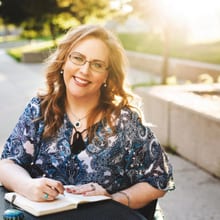
In this episode, where we close out Season 3 of the podcast and kick off Season 4, YOUR guest (and host!) is Bendy Bodies founder, Dr. Linda Bluestein, the Hypermobility MD. YOUR guest co-host – serving up questions to Dr. Bluestein – is Kate Colbert, outspoken EDS advocate, world-renowned marketer, and award-winning healthcare and higher-education writer. Explored in this episode:
How the Bendy Bodies Podcast has evolved since its founding in 2020 from a resource for hypermobile dancers to a resource for EVERYONE with hypermobility (and their medical providers too!).
What it’s like for Dr. Bluestein to be a physician who treats hypermobile patients AND a podcaster and social media icon in the hypermobility community. Learn the truth about the challenge of educating hundreds of thousands of people vs. working one-on-one with someone in the clinic setting.
The perfect Bendy Bodies episodes for “newbies” – where to start listening and why – if you’re new to a hypermobility disorder diagnosis or suspicion.
Run-away BEST episodes in terms of listenership and the “buzz.”
Dr. Bluestein’s favorite part of working with other professionals who care so much about hypermobile patients.
What excitement YOU can look forward to in Season 4 of the Bendy Bodies Podcast!
Chapters
00:00 Introduction and Background 03:01 Career Trajectory and Transition 08:37 Specializing in Symptomatic Joint Hypermobility 10:24 Challenges in Healthcare System 20:33 Starting the Bendy Bodies Podcast 30:59 Recommended Episodes for New Listeners 35:33 Balancing Expectations and Realities 39:35 The Importance of Patient-Provider Collaboration 40:18 Teaching Healthcare Providers about Hypermobile Conditions 41:37 The Role of Patients in Educating Doctors 42:53 Continual Learning and Growth in Medical Practice 45:08 Practical Tips for Living with Hypermobility 48:28 Hypermobility Hacks and Their Importance 55:41 Working with Professionals in Hypermobility Medicine 01:00:39 The Evolution of the Bendy Bodies Podcast 01:06:23 The Impact of the Bendy Bodies Podcast 03:00 Benefits of Yoga for Flexibility and Strength 09:30 Yoga for Stress Relief and Mental Health 15:45 Yoga for Injury Prevention and Rehabilitation 22:10 Yoga for Overall Well-being 28:20 Different Types of Yoga and Finding the Right Practice 34:50 Yoga for Different Age Groups 40:15 Yoga for Pregnancy and Postpartum 46:40 Yoga for Seniors 52:55 Yoga for Children and Teens 59:20 Yoga for Athletes 01:05:10 Yoga for Chronic Pain Management 01:11:25 Yoga for Specific Health Conditions 01:16:17 Conclusion This important conversation about the beginnings (and the future) of the Bendy Bodies Podcast featuring the Hypermobility MD will leave you feeling inspired, prepared to get more from this community, and with a better understanding of how to use this platform to improve your health. Connect with YOUR Bendy Specialist, Linda Bluestein, MD!
Watch
Guests
Transcript
[00:11] Dr. Linda Bluestein: Welcome back, every bendy body. This is the Bendy Bodies Podcast, and I'm your host and founder, Dr. Linda Bluestein, the Hypermobility MD. This is going to be a great episode, so be sure to stick around until the very end so you don't miss any of our special hypermobility hacks. As always, this information is for educational purposes only and is not a substitute for personalized medical advice. So today we're going to do something a little different. Bendy Bodies listeners are used to me showcasing the insights of medical practitioners and scientists talking about various aspects of hypermobility. Each episode features one or two guest experts, but today, in honor of the Bendy Bodies Podcast celebrating its fourth season, I am going to sit in the hot seat as the guest answering questions from my guest co-host, Kate Colbert. So let's do this.
Kate Colbert: Hey.
[01:15] Dr. Linda Bluestein: Hey, so good to see you. And I want to make sure everyone knows who you are. Kate Colbert is a world-renowned marketer and award-winning healthcare and higher education writer. She owns a strategic communications consultancy and a publishing company, and she coaches executives on how to communicate with their stakeholders more effectively, how to sharpen their business operations, and how to achieve sustainable, profitable business growth. Kate is best known for her bestselling books, Think Like a Marketer: How a Shift in Mindset Can Change Everything for Your Business, and most recently, Commencement: The Beginning of a New Era in Higher Education. Her work has been featured in Forbes, The Harvard Business Review, The Chronicle of Higher Education, Business Insider, National Public Radio, CBS, NBC, Spectrum News, CEO World Magazine, and other media outlets. Kate became a fierce advocate for people with chronic illness and disability after being diagnosed, finally, with hypermobile EDS when she was 45. With her background in medical writing and a high level of healthcare literacy, she has added to her already full plate a new mission to help others with symptomatic joint hypermobility receive clear diagnoses and the excellent care they seek and deserve. Kate is a certified patient advocate through the Ehlers-Danlos Society. She is so many things to so many people, but to me, she is a patient, a colleague, and a friend, and I'm so excited to get to chat with her today on the show. Welcome to the Bendy Bodies Podcast, Kate, and I can't wait to chat with you.
[02:54] Kate Colbert: Oh, thanks so much for having me. This is going to be fun.
[02:57] Dr. Linda Bluestein: Yes, I'm super excited.
[02:59] Kate Colbert: All right, are you going to let me take the reins? Are you ready to sit in your own hot seat?
Dr. Linda Bluestein: Okay, I'm going to sit back.
[03:02] Kate Colbert: Sit back. Yeah, sit back, relax, be a guest, be my guest. Okay, so folks who have been listening to the podcast for a while now probably know a fair amount about your background, but you do such a nice job of really giving and shining a light on your guests that sometimes I think people might forget about your background. So I wanted to kind of start at the beginning. Tell us a little bit about your career trajectory, how you went from aspiring dancer to anesthesiologist to EDS expert, pain specialist, dance medicine specialist, and now this leading authority who's one of the most important voices in the joint hypermobility space for those of us who follow you and for those of us who have diagnoses like EDS or HSD. So how did you get from here to there?
[03:53] Dr. Linda Bluestein: Sure. So growing up, I had health problems in infancy, and I won't bore everyone with all the nitty-gritty, for sure. But I really, really wanted to be a professional dancer. That was my number one dream and goal. I loved ballet. I had such a passion for it. And when I started getting a lot of injuries and more and more health problems, I realized I needed a plan B, which was to go into medicine, which I loved. And I have such a passion for science as well. And I loved being an anesthesiologist in the operating room, but then my health started to catch up to me again. So I started having more and more problems. The biggest two were I had a Tarlov cyst and needed surgery for that. And then I had a cyst that grew inside a bone in my wrist and I had surgery for that. And I got something called CRPS, or complex regional pain syndrome, after that surgery. And that led to a — now we need to come up with plan C.
[04:54] So at that point, I was really at a loss. It was really hard because having to give up my dance career was terribly painful. I had to grieve a lot over that. And then losing the ability to perform as an anesthesiologist in the operating room — that was really, really hard because you train so many years for that. That was a real struggle. But then when I realized that I had this passion for science, I had the passion for dance, and I thought, well, maybe I can combine those two. And as I was learning more about my own joint hypermobility and symptomatic joint hypermobility and started working on ways to help myself feel better — because my doctors didn't really have much to suggest, and I know a lot of people can relate to that — I just started diving deep in the literature, learning everything I could from various different experts. And so that's when I kind of made a transition to starting to write about symptomatic joint hypermobility, starting to care for people with symptomatic joint hypermobility. And it's been a wonderful way to combine my passion for science and my passion for aesthetic arts, as well as people — everyday people who are suffering with pain and other symptoms.
[06:15] Kate Colbert: Wow. It's so interesting to me how you've been able to sort of build upon each area of experience and expertise in order to serve different populations of stakeholders. And I appreciate the fact that you talked about grieving — I think a lot of people with some sort of chronic illness or disability do lose parts of their identity along the way, or have to change parts of their identity along the way, especially if they were athletes, as you were, or if they had a really physical life or they did a certain type of job that became difficult because of their diagnosis, their disability. And I love — I think this is such an important reminder to your listeners that we can reinvent ourselves. And sometimes plan B or plan C or plan D ends up being a really beautiful plan, even though it's not where we thought we were headed. And it can be what's really perfect for our minds and our bodies.
[07:18] I always joke — so I own a couple of companies, and I never thought of myself early in my career as a business person. My first three degrees were all in English. I was going to be a writer forever and ever, amen. And then I was an English professor, and I made all these shifts. I left academia and then made my way back to academia as a higher ed prognosticator and author. And I look at your career and my career and I think — I had moments where I was being told what time I had to be in the chair every day, what I had to do and when I had to do it. And sometimes when you have a body, as is the case of most of your listeners, that can be a little unpredictable and a little hard to control. Having more control over your career is really helpful. And so sometimes some of these losses that we have to grieve end up having all kinds of silver linings in terms of our ability to have impact and our ability to have kind of work-life-health harmony with our bodies, which I really love.
[08:29] So I want to talk a little bit more about how you got into podcasting, but first I actually want to talk a little bit about your medical specialty. Most doctors specialize in a certain body system or a certain type of treatment or care, right? So dermatologists focus on the skin, GI doctors focus on the digestive tract, orthopedic surgeons focus on the bones and joints. And boy, don't we wish they knew a lot more about connective tissue. I've always thought that was interesting — like, your ortho doc will figure out your tendons and ligaments because they have to, but not because they're always that interested in it. Why isn't there somebody who specializes in fascia and ligaments and tendons and all those things?
[09:20] But you've done something really interesting in your career. Instead of specializing in a system of the body or a body part, like a podiatrist or whatnot, you specialize in a certain kind of patient. You specialize in helping people with symptomatic joint hypermobility, people who have diagnoses like Ehlers-Danlos Syndrome or Hypermobility Spectrum Disorder or Marfan's. I have to say, I first discovered you on a Google search a few years back. And color me happy when I found out there was such a thing as a doctor who specialized in hypermobility. I thought, oh my gosh, this is the holy grail doctor. At the time, you were actually living and practicing in Wisconsin where I'm located, and I was like, I don't care where in Wisconsin this is — I've got to meet her. Could you talk about that for a minute, this idea of specializing in a certain kind of patient, and about why it's so important that hypermobile patients have providers who have expertise or experience, or at least a deep interest in connective tissue disorders, in order to be able to care for us?
[10:25] Dr. Linda Bluestein: Yes, this is definitely something that I think is perplexing because there's no one home for people that have these conditions. Because EDS and related conditions affect virtually every bodily system, it really lies at the intersection of everything. And I tell people all the time, it doesn't matter what kind of medicine you practice, you need to be familiar with these conditions.
[10:51] In medical school, I think a lot of people don't realize how structured the curriculum is. It's very intentional. And it might sound like four years is a long time — four years of medical school after college — but really you have to develop such a strong scientific foundation. So you're learning things like biology and chemistry and pharmacology, et cetera. And then you start learning about individual systems like the musculoskeletal system or gastrointestinal, et cetera. And then you start learning about different diseases, how to diagnose them, how to do a physical exam, what different tests are. There's a lot that you have to learn, and that's your foundation for entering residency where you learn the much more specific. For me, it was another four years in order to become an anesthesiologist. For my husband, who's a urologist, his residency was another six years. So that's eight to ten years post-college — and you need to make sure that everybody has that foundational knowledge base. We don't want to start with conditions and work backwards. We have to start with basic science and build on that.
[12:06] So I wish I would like to see schools talk more about how things can affect multiple systems, rather than a lot of super-specific education about EDS — which of course would be helpful — EDS and related conditions, I should say, because we know there's a lot of things that can basically fall under the umbrella of symptomatic joint hypermobility. I think it would be important for people to realize that when they are treating patients, they shouldn't be surprised if something is affecting multiple different systems. And if that's the case, we don't blame the patient. And if the patient's not getting better, we don't blame the patient. We don't know everything. We don't know close to everything.
[12:56] And we're limited in how deep of a dive we can do in most cases because of insurance. Insurance doesn't authorize a lot of medications. They don't authorize a lot of tests. If money is no object, you could go to one of these centers where you could do a full-body MRI, you could rule out aneurysms in your brain, you could do a really deep dive. But of course that costs a lot of money. So in our standard medical system, we are much more divided into neurology, gastroenterology, et cetera, and we have short visits for the most part. Most people who have these conditions of symptomatic joint hypermobility, it's not appropriate to have these short visits because they have way too many symptoms to really cover in that span of time. And oftentimes when people hear things that don't really make sense to them, unfortunately, they start to feel like, oh, I don't know if I'm really going to be able to help this person. And I pretty much guarantee you everyone who went into medicine went into medicine to help people. I interact with medical students still on a pretty frequent basis and they are so enthusiastic, so wonderful. I love getting to interact with them because they're just so idealistic. But along the way, you get squeezed. And so I think part of why people with complex chronic illnesses are so poorly served — and this is absolutely not limited to symptomatic joint hypermobility — any chronic complex illness is a very poor fit for our current healthcare system.
[14:35] Kate Colbert: Wow. You make some really huge points here. I appreciate, and I think the patients who are listening to this episode are really going to appreciate, the fact that you remind us how medical education works and why it needs to work the way it does. And of course it can work better than it does.
[14:54] I have to say — when I think of people coming fresh out of medical school with their MD degree, as far as I'm concerned, they're babies. I used to be the director of marketing at a medical school, and students were sitting in the library outside my office all day long studying and eating Cheetos and not getting enough sleep. You know, they were getting ready to go off to residency. And they were learning the important things — am I allowed to swear on your podcast?
[15:23] Dr. Linda Bluestein: Oh God, yes.
[15:24] Kate Colbert: You know, like — eat when you can, sleep when you can, and don't mess with the pancreas, right? But yes, they're very young and really have more of a basic science and understanding of anatomy going into those residencies. And certainly there's deep learning there. But common things happen commonly, right? So I think about EDS patients sort of likening themselves to the zebra metaphor. Common things happen commonly, and that's why doctors are trained the way they are. If a particular symptom 90% of the time points to a particular diagnosis, then that's what should be coming to mind for a doctor when they see it. But then how do you also be thinking about whether there's something else?
[16:11] I was very fortunate. I wasn't diagnosed until I was 45 with hypermobile EDS. And I worked at a medical university, so I was surrounded by doctors and physical therapists and PAs and whatnot all day long. And one of our NPs had said to me back then — this was probably 20 years before I was diagnosed — she had said, Kate, I know you have like 25 different symptoms, but you don't have 25 different diseases. She said, I don't know what it is, but someday someone's going to figure it out. And it's going to be one thing — one diagnosis, or two potentially related diagnoses, that explain everything. And she said, I'm frustrated that I can't figure it out, but I promise you: one, you're not crazy, and two, you don't really have 25 different diseases. And I thought that was really interesting. And when I was diagnosed, I called her and I said, Nurse Norris, you were right.
[17:06] And I love — I think it was a nurse who actually came up with the phrase, "if you can't connect the issues, think connective tissues," which I think is really a great guideline for folks who are interacting with patients who might have some complexity and might have symptomatic joint hypermobility.
[17:27] So I think this is really great for talking about how this all works. I also have experienced a lot of doctors who, unlike you, don't specialize in EDS and who maybe have never even seen it. And so I ask new providers all the time — and I do it in a super friendly way — I always say, so I don't know if you see a lot of patients with EDS, and sometimes they just don't answer, or sometimes they say, oh, we have a few, or, no, you're my first. And then I take it on as my job as the patient to try to really politely and collaboratively educate them as we work on becoming part of Team Kate to figure out how to help me with whatever I'm going through.
[18:09] And one of the things I love most about the Bendy Bodies Podcast is that not everyone has access to a big Team Kate, right? So I happen to live in an area where there's a lot of academic medical centers. I live halfway between Milwaukee and Chicago, so we have all these medical schools and academic medical centers. I've got great insurance. I've got good healthcare literacy because I am a healthcare writer. And so I'm able to avail myself of all of these amazing people and then introduce them to each other and say, how do we all treat me for my best outcomes? But not everyone's going to have that kind of access.
[18:46] And I love that your podcast in many ways actually creates Team Listener, right? Your podcast listeners, sometimes they want to learn about a particular thing that's happening in their body, and you'll have a guest who just happens to be talking about that, and they learn something, and they can do some more reading on it, and they can bring that information back to their primary care or whoever's quarterbacking their health these days. And then they hear another one of your guests talk about something else, and suddenly they put another piece together.
Dr. Linda Bluestein: Right.
[19:15] Kate Colbert: And so I've always thought of the Bendy Bodies Podcast as sort of on-demand access to these teams without a bill, which I love. You're not billing my insurance for me to listen, which I appreciate. And it reminds me very much of the EDS global patient conference that happens every year — which, by the way, loved your session. And if I can just shout out for anybody who ends up watching the video of this on YouTube, they had sweatshirts. And on the back of them — like you're a rock star, like it's a concert — they put the speakers' names. And there you are, Linda Bluestein, on the back of the sweatshirt. I love that. It's really cool. You were already a rock star to me, but now I've got the sweatshirt to prove it.
[20:07] So I just really love what you're doing here on the podcast to really assemble these great minds all in one place to have a conversation that then allows patients to do their own consideration, have their own conversations amongst their family and their medical team, and then arrive at better aha moments, decisions, and treatment plans. So let's talk about the podcast more.
I'm going to brag for a little bit because you're one of the most humble people I know, and I know you're not going to brag, so I'm going to brag for you. This amazing platform that you have developed — the Bendy Bodies Podcast with the Hypermobility MD — you have been providing medical insights and science-based information about hypermobility. As we're recording this episode, we're going into your fourth season, which is exciting. So first off, congratulations on that. The Bendy Bodies Podcast was founded just weeks before the world shut down with the onset of the coronavirus pandemic. You started in February 2020, and lo and behold, suddenly lots of medical providers and scientists who had interesting things to share on your show were available and willing to jump on a recording because everyone was suddenly working from home or working differently. And here we are recording this conversation not quite three and a half years later. And if I can brag, the Bendy Bodies Podcast is now the most popular hypermobility podcast in the world with more than 215,000 plays and counting.
[21:49] So tell me a little bit about what it was like in the beginning. You know, you're a doctor — becoming a podcaster wasn't exactly in plan A, B, or C. What were you trying to accomplish when you decided to start the podcast? What kinds of topics did you initially cover? What kind of focus and guests did you have? And how has that changed over time?
[22:23] Dr. Linda Bluestein: I'm so glad that you mentioned the pandemic because it was planned for a little bit before that, but then when we started releasing the first few episodes, it was like, oh my gosh, now what's happening? And nobody's in their car anymore. Is anybody going to listen?
[22:40] Kate Colbert: Oh, good question.
[22:41] Dr. Linda Bluestein: I almost scrapped the whole idea because I thought, wow, this suddenly felt a lot less important because now we have —
[22:48] Kate Colbert: What a heartbreak that would have been. So I don't commute because my office is in my house, and I assure you, I listen to your podcast in the morning while I'm doing my makeup. So I have it on by the sink, and then if I do need to go run errands or whatever, I pop it in my car and turn it back on. I listen when I'm in the car. And sometimes in a bubble bath. I find it very relaxing. I listen to you in the bathtub all the time, so don't worry about the commute.
[23:15] Dr. Linda Bluestein: It is funny though, because I did think about that. I thought, well, is this still going to be relevant?
[23:20] Kate Colbert: Wow.
[23:20] Dr. Linda Bluestein: I think a lot of us forget how terrifying that was. People on the healthcare side of things — and my husband being president of a surgery center — suddenly everything's canceled.
Kate Colbert: Yeah.
[23:31] Dr. Linda Bluestein: And they're talking about bringing in trucks for the bodies. I mean, I hate to say that, but that's truly what it was like. So all of a sudden this podcast felt a little less urgent. So I'm glad I persisted.
[23:48] Kate Colbert: Me too.
[23:49] Dr. Linda Bluestein: Because I had already opened my practice and I was seeing patients, but I also felt like there had to be a way to help people who could not afford to come see me. And I really wanted there to be an accessible way to reach people all across the globe and provide credible scientific information for them so that they could improve their quality of life and functional capacity.
[24:10] And the thing that really made me the most passionate was that I had discovered — through things I had tried on my own body and through working with patients — that there's a lot of low-hanging fruit. There's a lot of things that you can do on your own. You and I have talked a lot about things like movement and how I had terrible kinesiophobia. I was so afraid to move because when I moved it hurt.
[24:39] Kate Colbert: Yeah.
[24:40] Dr. Linda Bluestein: And so even overcoming some of that, and understanding why that is and how we can use that information in order to start to get a better quality of life — I just felt like there was this huge need, and podcasting was potentially a way to really help a lot of people.
[24:56] And before I founded the Bendy Bodies Podcast in 2020, I did dabble a little bit in podcasting, co-hosting a show called the Hypermobility Happy Body Hour, which I'm sure some people have also listened to. Then I started the Bendy Bodies Podcast as my second podcast. I was planning to do a series of super niche dance-specific episodes and had the great fortune of working with guest co-host Jennifer Milner for those episodes. And then she ended up doing a lot more episodes with me, which was amazing. And then over those first three seasons, we aired a really wide mix of episodes — some that were very dance-specific, others that were geared towards anyone interested in joint hypermobility and related conditions. So it came out of a desire to help more people than could travel to come see me. And I had always been a podcast person — like you said, getting ready in the morning, folding the laundry, whatever. I'd always enjoyed learning through podcasts. And so I thought this was a great way to teach people.
[26:01] Kate Colbert: Oh, I love it. Well, you are teaching a lot of us. It's interesting to me because I know you had originally done all that focus on dance and sort of mixed your overlap in hypermobility expertise and your expertise in dance. And frankly, a long time ago, when people thought of people with bendy bodies, they thought of extremely bendy bodies. They thought of people who were dancers, gymnasts, circus performers, right? And so all of those professionals still exist. And I do think a lot of people with hypermobile bodies find their way and stay in some of those professions because they can. But now we're finding out — my gosh, my diagnosis was just five years ago. And I remember when I was first diagnosed and I would start telling friends and family and colleagues about EDS, and most of them had never heard of it. And now you literally can walk into your grocery store and if it comes up while you're talking to your cashier, they'll be like, oh, my niece has EDS. And there's just so much more information out there, because diagnosis was so paltry and so underdiagnosed. And you've been a huge part of getting that information out there.
[27:23] And I have to say, for anybody who is not a dancer or doesn't do a lot of movement right now — maybe they don't move much at all, they're recently injured, they're recovering from a surgery, they're pretty limited, they're living a pretty sedentary life as I was before I met you — I would actually encourage them to still listen to the episodes about dance. At first I skipped over them and I've gone back and started listening to them. And it's fascinating to learn about how dancers' lives work and how hard it is to be a dancer. But there are always really, really useful pieces of information in those episodes that do apply to my body. Many of us could have become dancers if we'd been interested, or maybe a little more graceful. My mom always says there was a reason she didn't give me Grace as a middle name. I now know it's because I have lousy proprioception and it's not my fault.
[28:30] And I do want to say — you mentioned something about kinesiophobia, right? This fear of movement, being afraid to move. It's huge in the hypermobile community. When we're younger and we can do the party tricks and stuff, we love it and we're fine. And then we hit 40 or 50 and things can change. For some patients, 20 or 30, and they start really struggling.
[28:48] And I don't know if you remember this, but in my very first medical appointment with you, we covered a lot of ground in that first session — a very lengthy appointment, for which I am incredibly grateful. And you had put in my notes: "You are capable of difficult things." And I'm not sure anyone in my entire life had ever said that unless they were speaking about intellectual things. I have a bunch of college degrees and I've had a very successful career. I'm capable of those kinds of difficult things, and no one's ever judged that. But whether or not I could do a really difficult hike or whatnot — so much of what I have accomplished in the last few years I have done because I hear you in the back of my head.
I'm saying that because last night I helped my husband move a bunch of lumber in our backyard. It was super heavy. I know it's been in the grass for weeks and our deck builder is in the wind right now, so it was killing the grass. So we started moving it, and it was crazy heavy. And everything I have learned in physical therapy helped me know how to do that work safely. And I'm not suffering any consequences of it today, which is crazy, because we lifted hundreds and hundreds of pounds of lumber. So yeah, it's kind of crazy. All of your patients — whatever that looks like on that spectrum of ability right now — we're all capable of more difficult things than we might think.
[30:18] Let's talk about new listeners. So folks who are just finding their way to the podcast — maybe they are new to a diagnosis or new to a suspected diagnosis and they don't really understand how their body is working. They have a lot to learn and that can be really overwhelming. And you have a lot of episodes available. Where should they start? Are there one or two or three podcast episodes that you would recommend that newbies start with?
[31:01] Dr. Linda Bluestein: There are several episodes that I find myself referring more and more people to just because I get really positive feedback and it's when the light bulb moments go off more frequently. So I have numbers for some of them. I don't have a number for one of them because I forgot to add it to the list, so I'm going to mention it first. The first one I want to mention has to do with gastrointestinal symptoms. This is with Dr. Leonard Weinstock. There are a handful of episodes that I end up referring people to most often, and that's definitely one of them. He did a really nice job of explaining why people with symptomatic joint hypermobility have gastrointestinal symptoms and what are some treatment options they could consider. That's one episode that I think was really, really helpful.
[32:02] Some of the other episodes that I think are really good for newbies: one is called Fostering Hope, with Dr. Courtney Gensimer and Victoria Daehler. And Jennifer interviewed the three of us as co-authors of a two-part series, Hope for Hypermobility: An Integrative Approach to Treating Symptomatic Joint Hypermobility. In those two articles, Victoria was the first author and I have to give her by far the majority of the credit. She did a phenomenal job really laying all of this out. And Courtney is just a fantastic human and great researcher and scientist who could really get the facts in there and make sure that everything was super well written and easy to understand at the same time. So that was a conversation about that two-part series of articles, and a lot of people have found it helpful.
[32:57] That was episode 68. And then episode 54, where Jennifer interviewed me on managing mast cell pain, was helpful. And also she interviewed me for episode 42 on pursuing a diagnosis. I would recommend people to those two. Episode 47 is, I believe to date, our most popular episode — exploring the link between joint hypermobility and neurodivergency with Dr. Jessica Eccles. The number of messages after that episode came out was crazy. The light bulbs that went off in people's heads — insane.
[33:36] Kate Colbert: Huge topic. I was literally just talking about that topic the other day to someone else.
[33:41] Dr. Linda Bluestein: Huge, huge topic. And then the last one I want to mention is episode 35, Reeducating Mast Cells with Dr. Anne Maitland.
[33:51] Kate Colbert: She's great.
[33:51] Dr. Linda Bluestein: She's great. That was a really, really popular one. So I think that's a handful of episodes that people would really find helpful.
[34:02] And I know when we were discussing some questions beforehand, one of them was what was easier, more fun, and more rewarding — working one-on-one or doing the podcast. So I just want to touch on that as well, because in some ways having one-on-one conversations is easier because you know who you're talking to. I do a deep dive through the intake process, so I know exactly what they're struggling with and I know what information I think they might benefit from the most. But the podcast listeners are very diverse. Their needs are very diverse. So there's a lot of overlap between what they're dealing with, but they're also going to be very different.
[34:41] But it's so rewarding to hear from the community that they found the podcast helpful. I've had physicians email me and say, I never knew what these conditions were before.
Kate Colbert: Wow.
[34:52] Dr. Linda Bluestein: I listened to your show and it was the most in-depth education I ever had on symptomatic joint hypermobility. And I now can identify these conditions in my patients.
[34:54] Kate Colbert: Wow.
[35:03] Dr. Linda Bluestein: And when I get messages like that, it makes me so happy. It makes all the work worthwhile.
[35:14] Kate Colbert: Huge. Yeah.
[35:16] Dr. Linda Bluestein: What's challenging about the podcast is keeping people's expectations realistic. Because just like when I go on someone else's show, I sound like I know everything and I discuss my success stories and I talk about my experiences and my expertise and I probably come across as someone who can heal everybody. But that's not true. We know that our healthcare system is very broken. Even when people come to see me, I'm not able to do everything. I only know a very small portion of science. We, as the scientific community, only know a small amount. If you really think about it, there's so much more that we have to learn.
[35:54] So I think that's probably one of my biggest frustrations — sometimes if I'm working with a patient or a client and they tell me they're thinking of switching PCP, I'll say, well, why? I think you're jumping ship too soon. If this person is empathetic and they are curious and they want to help you — it's exactly what you said earlier about Team Kate. Let's figure out how we can work with the system that you're in, how we can work together. And showing that you want to be a team is so important, because otherwise it's easy to be in an adversarial type of relationship, which is of course never helpful for anyone. We also want to avoid the grass-is-greener phenomenon. A lot of people do go chasing. So it can be a real balance and a real challenge, because maybe that next person is going to really have the answers for you. But that's one of the things I find challenging with the podcast — it's like when you're giving a lecture, it sounds like everything's so great, but in actual clinical practice, nothing works on everyone. Nothing.
[37:03] Kate Colbert: Yeah. It's a really good point. And I think it's maybe good for listeners to realize that even if they hear something — whether it's in their doctor's office or on a podcast like yours — and it doesn't sound exactly like what they're experiencing, there's still maybe a kernel there. I've always thought about this in my work as a writer. I often write things for people and they say, that's not it. I've written speeches for CEOs who are like, that's not it. And I would be crestfallen at first, thinking it was a total waste of my time, until I realized that a lot of people can't work from a blank page. And so if I create something for them and they say it's not this, but what it really is — and they start from there — I've given them a context in which to think.
[38:46] And I do think that your podcast gives people really great examples and a context in which to think. So they might hear a story or something about a particular sub-diagnosis related to how the GI tract works in EDS patients and go, it's not exactly what's happening with my guts, but maybe there's something like that. And if they take it to their doctor or do some of their own reading, they might find out what it actually is. You give that kernel and then somebody has the aha — it's not this kind of hernia, it's a hiatal hernia, or it's not this, but it's this. So that context is really huge.
[39:32] And I do want to say — I was multitasking while we talked — the Dr. Weinstock episode was episode 34, in case anybody's scribbling down episode numbers. And I agree that it makes sense, what you explain, about how it's one thing to be sitting in front of a patient where you know their history and you know their symptoms and you're looking at their body and you can leave out all the other things that are not relevant to them and focus on what they need help with now. Whereas on the podcast you have to be talking about things that are most common among hypermobile patients, and sometimes you'll talk about something that's interesting and rare but that might not apply to everybody who's listening. That has to be hard.
[40:17] So one of the things I have appreciated about your podcast — certain podcasts run really short episodes, and you tend to actually run longer episodes, and I love that. Because sometimes I'll listen to 20 minutes of something and learn something interesting but that's not going to change my life or the way I treat my conditions. And then bam, somewhere at minute 35 or minute 45, it's the thing I needed to know from that episode. And I'm scribbling notes and making changes, or I'm reaching out to you for my next appointment to say, can we talk about this thing related to my mast cells or whatnot?
[41:08] And I do think you're absolutely right about being careful not to jump ship if you have a doctor or other provider who is empathetic, who is willing to learn, who is curious. We as patients can teach them a lot.
[41:25] I have two resources that I turn all of my providers to. So when I developed tethered cord syndrome and started having a lot of problems neurologically because of my tethered spinal cord, which became very dramatic and life-limiting, I was working with a neurophysical therapist — a DPT with extra training in neurologic conditions — and she had never had an EDS patient before. So I've been trying to teach her along the way, and I told her there are two ways you can learn what you need to know. I told her to listen to your podcast and I told her to attend the Ehlers-Danlos Society conference. And she does both. And every other resource I've ever talked to her about, she goes and checks it out, which I'm super grateful for.
[42:07] And what I have done — and this is one of the things I always tell people — if you live in Louisville, Kentucky, or wherever, and you have a doctor who is great but you're their only EDS or HSD or Marfan's patient, if you know other patients that live in that region, send them to that doctor. I've done this, and now my PT has several EDS patients. I do a lot of coaching and mentoring to local folks who have EDS. And so I send them, and I actually know one person who has duplicated my entire medical team. She's now a patient of yours. She goes to my neurophysical therapist. She goes to my primary care doctor. She's literally rebuilt her whole team. And I've checked in with some of those providers and asked, are you starting to get a bunch of EDS patients? And they're all like, oh yeah, I have six of them now — and they had none three or four years ago. And so the more patients they see who look like me, the more they can help me because they can put the pieces together. Patients are a huge part of educating doctors.
[43:11] Dr. Linda Bluestein: Totally. When you said that about the neuro PT, the light bulb went off for me. I was thinking about a patient who I know you referred to me and thinking about how amazing that neuro PT was for this particular person. And you're right — the more people that we have in our practices, the more that we learn. I think it's wonderful that you do that because the more people that clinicians see, the more they can expand their knowledge base. I certainly feel like I can do a much better job taking care of people now than I could five years ago, because I have five more years of clinical experience and five more years of knowledge. And of course, science has evolved in the meantime too.
[44:17] Kate Colbert: Yeah. Well, and I sometimes ask, are you interested enough in this condition to want to see more of us or to learn more? And sometimes people are like, yeah, I've got enough on my plate. But I've had plenty of providers who are like, yes, it's fascinating.
[44:31] I was at the dentist a couple of weeks ago and we couldn't figure out why I have this sharp — I have a tooth that's sharp and it's causing a lump on the inside of my cheek. My speech therapist, since I have issues swallowing since my tethered cord surgery, had asked about it. Very long story short, the dentist could not figure out why I was complaining about this sharp tooth. He's like, your tooth is normal — it's not chipped, it's not sharp. And I'm like, if I stick my finger against it, it hurts my finger. I get that I have velvety soft skin. So I said, put your finger along the edge — don't you think that's sharp? And he's like, no. And I almost got out of the chair. And I thought, don't be stupid, Kate. Something is causing an injury in your mouth, and with your delicate tissue, you can't go to an oral surgeon and have that cut out because it's not going to heal well. And so I kept explaining and I was showing him — this tooth hurts my cheeks, but these teeth don't, and this one does. And finally you could see the light bulb go off on his face. He reached for the grinder from the hygienist, and I told him, I don't care if you make that molar really short — grind it halfway up if you have to and make it flat. And he took the grinder and ground it way, way down, and he took it out of my mouth and I felt it with my tongue and reached up and high-fived him.
[45:47] And here was the epiphany: the natural sharp edges of my molars are becoming intolerable to the delicate tissue in my mouth, but that's just the natural edge of my teeth. And he said, I've never seen this in a patient before. And I said, I know, you probably thought I was crazy. And he said, no — he said, I knew I was missing something. And that was a really powerful moment, right? I knew I was missing something, and I helped him get there.
Dr. Linda Bluestein: Yeah.
[46:15] Kate Colbert: And I kept in my mind thinking, I'm not explaining this in a way that's making sense to him. And so I just kept picking different analogies and different words and said touch it with your finger — until we got where we needed to be. And will I be having a lot of my other teeth ground down to flatten them out? Yes, I will. I don't care how small they get, as long as they don't hurt my cheeks.
[46:39] But I love what you're saying here about how we can all work together and how not giving up is so important. And a lot of people will say, I tried physical therapy and it didn't work. I have cranial cervical instability — and I was even thinking about that as we were starting this recording. I thought this would be one of the first times I've been on camera where I wouldn't feel awkward if I put my collar on my neck, because I'm among friends here.
[46:52] And so a lot of people will say, I did 12 weeks of PT and it didn't work. But when I got my cord detethered, it's been 15 months of building muscles in my thoracic spine, which I never really needed before. As a child who was born with a tethered spinal cord, my cord kind of held my torso in place, and I became very hypermobile in my spine after the detethering. I had lots of benefits to my health, but I also had to build that muscular tone. It's taken me more than a year, and I go to PT twice a week. So thinking you can go 10 times and get fixed — also, not all doctors are created equally and not all PTs are created equally.
I kept getting let go by ortho PTs, and then finally one of them — and I'm super grateful to her — said, Kate, I think your hip problem is neurologic. She said, I think your nerves are not firing the muscles to move the hip the way they're supposed to. And she said, I don't know how to fix that. She said, I think you need to see a neuro PT. I didn't even know such a thing existed. Turns out we have several of them local to me. And she was absolutely right — it was damage from my tethered spinal cord. And then after the cord surgery, I've been having to work on those nerves. So not giving up, I think, is so important for patients. And I think your show does such a great thing with that.
[48:38] So let's talk about a couple of other fun things. Let's talk a little bit about the practicalities of living with hypermobility. One of the things I really appreciate — I'm not surprised to know that the deep-dive medical conversations on the podcast are the most popular, but you do often — sometimes within those really serious conversations and sometimes separately — talk a lot about the practicalities of just living with hypermobility. And you share hypermobility hacks to help people understand their bodies a little bit better or navigate the world more safely or more enjoyably. What kind of hypermobility hacks can listeners expect to find? What is a hypermobility hack, and how do you share them on your show?
[49:31] Dr. Linda Bluestein: So one that we just recently shared on an episode that was actually released today — it was a hack that I had shared. When I am evaluating patients, I go through the Beighton Score with them, and I also ask them if they have any particular party tricks. And I say, wait, let me get my camera ready. So long as they've signed the photo consent form, I like to document these things. I'll take a short video or a photo, and then I tell them, don't do these party tricks ever again. So I have them show me, and again you go through the Beighton Score. I say, don't hurt yourself — I never touch them, I have them do it themselves. And I feel like getting those photos is really valuable. I tell them, store those photos in a safe place so that if a future physician is questioning your generalized joint hypermobility, you can show them the photos and say, look, this was on such and such a date — these are the maneuvers that I could do.
[50:36] There are all kinds of hacks that can really make a huge difference in terms of your quality of life. For example, some of the things that we've heard from guests like Leslie Russek or from Dr. Chopra — things like humming in order to not clench your teeth. I've done a lot of work on my jaw. In fact, I just had my TMJ joint injected yesterday by my doctor, who I'm so excited is going to be a future guest.
[51:06] Kate Colbert: Oh, cool.
[51:07] Dr. Linda Bluestein: It's going to be fabulous. She's amazing. And she's always telling me all these little hacks for avoiding open jaw locking, for example. Thank God I've never had that, but that's a horrible problem to have. So I'm super excited for her to share those hacks. But she's told me this, Dr. Chopra has said this, and Dr. Leslie Russek, who is a physical therapist, has shared this as well: if you are someone who clenches a lot, humming can help you not clench, because you can't really clench and hum at the same time. And if you just tell yourself, don't clench, don't clench, that really doesn't work.
And sometimes I start to play with a little fibroma my doctor told me I have on my upper lip, which makes it worse. She calls that posturing. Just telling yourself, don't do it, don't do it, really doesn't work. But that's where she said you need to hum in order to keep yourself from doing that.
So there are lots of little things we can do that can really make a huge difference — not just in the short term, but in terms of the long-term trajectory for our health. There are everyday choices that we make that can make a really big difference.
[52:31] Another one of the hacks I use all the time is: I ask people to come up with their red light, yellow light, and green light activities. Red light definitely flares up their symptoms and keeps them flared up for an extended period of time. Green light is their safe activities, and yellow light is somewhere in between. And the goal over time is to get more things from the yellow light zone into the green light zone. Maybe some of those red light things you're never going to do, but the goal is to be able to do more and more.
[53:06] And like you, I used to — I spent an entire month on the sofa in 2010. An entire month. And I apologize to people listening to this who are maybe in their 20s and spend most of their days on the sofa, because I can't even imagine how hard that would be. But I do have a small sample of that from when I was basically at my worst. And now I can go for reasonable hikes — I'm in my late 50s now, and I was in my early- to mid-40s then.
Kate Colbert: Yeah.
[53:39] Dr. Linda Bluestein: And so I think it's just important to know that you can make these small changes. For a lot of people — again, nothing works for everyone — but a lot of these small changes, these little hacks, will help you to get the next step and the next step and the next step. Like using supportive braces to help with your proprioception. That's another hack, right? You put the brace on your elbow, for example, and it tells your brain, oh, I'm reaching end range, stop. Because you and I don't have that normal proprioceptive or haptic feedback, so we don't know that we're getting near end range. So there are all kinds of things like that.
[54:23] Kate Colbert: I love that. And your guests are really full of great hacks too. When you're talking about putting that brace on your elbow or whatever, I actually call it a touch reminder. Even like a neck brace worn really loose — it's not necessarily even holding my head up or helping rest the muscles. Sometimes it's just there as a reminder not to do something if I'm feeling really flared.
And my mom has just started trying out some of the hacks. She had a lot of swelling behind her knees. I couldn't figure out why. And then I noticed that when she lays down on the couch to watch TV instead of sitting with her feet on the floor, her knees are hyperextending — buckling backward. And so she's damaging that tissue and it's swelling. And I said, just throw a little pillow or roll up a blanket and put it under your knees. That's it. It was one change and it's making a big difference.
[55:14] And if I can also mention the humming — that is a dual-purpose hack. Not only does it help with jaw clenching, but humming engages the vagus nerve. When I was having a lot of trouble with brainstem compression when my cord was tethered — and this can be helpful for POTS sufferers as well — if I would start to flush and my body would get hot and I'd start to sweat and feel my heart rate rising, if I hummed, I could actually reverse those symptoms faster. And so my physical therapist, sometimes if I have some sort of flare during a session, she'll get her face right in front of mine and just start humming. Because you feel a little self-conscious doing it in public. But you don't have to know a song — just go hum, or think about yoga, just "om," and it works. So it really helps. Hypermobility hacks. Come for the medical information, stay for the hacks.
[56:14] So a couple of other quick questions — I know I've taken a lot of your time. Your guest list really has been a who's who of hypermobility medicine. You've really amassed this powerful community of clinicians and scientists, patients, advocates, and others. What has been your favorite part about working with other professionals who care so much about hypermobile patients?
[56:44] Dr. Linda Bluestein: What's most amazing to me is how generous people are with their knowledge.
[56:49] Kate Colbert: Yeah.
[56:56] Dr. Linda Bluestein: There are very, very few people who say no to an interview. Very few. And usually if they say no, it's just because they're so crazy busy. So the first thing I want to say is that most of these professionals who are caring for hypermobile patients really do care and they really do want to help. They're taking time out of their schedule and they're not making money while they're sitting in the chair talking to me. And so it's really special that they take the time to do that.
[57:24] And I love hearing different people's perspectives and learning from people who are also on the front lines of treating patients. Because we can look up literature articles and read things, but there's nothing like working one-on-one with somebody and then having them come back and say, this worked, this didn't. We have evidence-based medicine, which of course includes randomized controlled trials and things like that — an extremely important part of it. But also as clinicians, our own experience working with our patients is really important. So being able to talk to other people — maybe a neurosurgeon, maybe a neurologist, maybe a cardiologist — when I see them at meetings or have various conversations on the podcast, it just really helps me broaden my horizons. And I love learning from different people. We can also share about the struggles that we face caring for people with such complex problems. And oftentimes you can get practice hacks — medical practice hacks — that way, which is fabulous.
[58:32] I've gone to several mast cell conferences, spoken at these conferences, which are really by invitation only, and it really allows us as a group to learn from each other — how do you take care of these people who have so many symptoms? How do you unravel the incredible complexity and all the noise going on inside the nervous system? When you have so many symptoms, it's so hard to correlate things because there's just so much going on. And it's only when you start to do better that you can really start to make correlations more easily. Oh, I ate this, then I felt worse. I did this, I felt better. It's really hard when you're in that really bad place.
[59:22] And then the last thing I wanted to mention is just — I do want to thank Dr. Chopra. He has been an amazing mentor to me, Dr. Pradeep Chopra. When I first started writing about EDS back in 2017, I wrote my first journal article, and at that time I was trying to figure out what plan D was going to be. He said, you need to open a practice. He's an anesthesiologist. I'm an anesthesiologist. We know what each other's training is. And he said, you understand the different systems, you have the training, you are in the right place to take care of people with these conditions. So he was an amazing mentor, is an amazing human being, and has been on the show numerous times. But it's just amazing to me how generous people are with their knowledge — whether they're patients or scientists or clinicians. All of them.
[1:00:27] Kate Colbert: I have found that in the EDS community, for sure. I picked up the phone once when I was going to be in Charleston and I wanted to go visit the Norris Lab, where they're doing research to identify candidate genes for hypermobile EDS. And I said — I used to be a journalist, I was really clear — I'm not coming as a journalist. You don't have to tell me details about discoveries you haven't published yet. But I said I would love to come just as a hypermobile person to say thank you to all the members of your lab for the work they're doing on our behalf, and to learn more about what you're doing. And they said, sure, when are you going to be here? And they gave my husband and me a tour. We had a meeting with Dr. Norris and Dr. Gensimer, and it was just a really lovely experience. And that's been my experience with everyone in the EDS community — they're just so generous, so lovely.
[1:01:16] Okay, let's talk about what's new. I've always believed that all good things are eventually ripe for some sort of evolution to make them from good to great. And so I'm excited to talk about the evolution of the Bendy Bodies Podcast. I know you've got some big changes afoot. Tell me a little bit about what's new at Bendy Bodies.
[1:01:42] Dr. Linda Bluestein: I am very excited about what's coming up. We've done so many great episodes in the past, but I really felt it was so important to go all in on helping all hypermobile people — not just dancers, not just people with EDS, but everyone who has hypermobility and all of the experts who work to benefit those people with hypermobility.
[1:02:05] While I'm still very busy practicing clinical medicine at Hypermobility MD and enjoying an expanded role as a healthcare educator through my EduCoaching model, I've also decided to become the voice and face of the podcast that I founded in 2020, now solo hosting and periodically inviting guest hosts to join me in interviewing the best and brightest minds in hypermobility medicine.
[1:02:31] I'm also super excited to announce that my new website was just launched — www.bendybodiespodcast.com — and I will also be expanding my presence on social media as a way of providing as much education as I possibly can. I've also been doing more speaking, for example at the EDS conference this past summer, and I'm also going to be publishing more papers, taking more time to visit other EDS specialists, touring research labs like the Norris Lab — which I did get to visit last summer — and playing a role in envisioning the future for patient care for people with hypermobility.
[1:03:10] Kate Colbert: Wow. That's a lot. Super exciting to see you making all these insights available and relevant to everyone with symptomatic hypermobility. And I've actually often struggled with that. When I was first diagnosed, it was like, do I listen to stuff and go to resources that are specific for EDS? I remember going to some seminars from the Marfan Society and finding them incredibly relevant. And so I love the fact that you're kind of trying to cover it all and put all of us bendy bodies into one bucket. One big bendy family.
[1:03:52] And I'm loving seeing more of you on social media, doing reels and answering interesting questions, and I'm seeing you on stages. And I love the articles you wrote, the Hope for Hypermobility series.
[1:04:04] You just said a moment ago how generous all the people are who've come on your show, but you are as generous, if not more generous, than all of them — because you're doing all of this. And you just rattled off a million things you're doing for the patient population that people can access at no cost. Listening to the podcast, reading the papers — and what you're doing on social media to raise awareness and make sure there's good information out there that is based on medical insights, clinical practice, and sound science is so important right now. There are a lot of podcasts we could probably listen to where people are talking about EDS, and maybe they're hosted by patients themselves. But the fact that this is the Bendy Bodies Podcast with the Hypermobility MD, the fact that this is Dr. Linda Bluestein — that matters. It's not guesswork or personal experience alone. It's all of it combined: everything you've learned from your patients, from the scientific work, and from your perspective as a physician.
[1:05:25] So I'm so excited. I really think the sky is the limit for Bendy Bodies. And I've literally never listened to an episode without subsequently referring one or more people to go listen to that specific episode for a very specific reason. I'll hear something and think, oh, I know somebody who needs to hear this. So in these last few years — just in the five years since my diagnosis — awareness around connective tissue disorders and hypermobility conditions has really increased exponentially. And I am quite sure you have been a huge part of that happening. I am so grateful to you for making that revolution part of your mission and being part of that revolution, so that patients like me and so many others I know don't just get to hear that we're worthy of the care we seek — we can actually get the care and the information and the treatments we seek.
So here's to the next however many episodes there are going to be — hundreds and hundreds probably. Thanks for letting me steal the microphone today and put you in your own hot seat on your own show here at the Bendy Bodies Podcast. I will be listening forever and ever. So grateful to you and wishing you all the best with all that's to come.
[1:07:02] Dr. Linda Bluestein: Oh, well, thank you so much. I was about to cry there for a second because I haven't really thought about having a role like that, but I hope that that's the case. I just know — when I first saw a rheumatologist in 2011 and went into that appointment, he said, why are you here? And I said, I want to know what's wrong with me. And he interpreted that as me wanting there to be something wrong with me. And it's like, no, I don't want there to be something wrong with me, but I'm having all these problems and I feel like there has to be an explanation. And then I went to another doctor in 2012, and he did diagnose me with hypermobile EDS, but he told me, there's nothing you can do, so see ya, good luck. So I don't want people to be feeling like there isn't anything that they can do.
I hope there can be so many more things that people can learn, and I really appreciate everything that you and other patients have taught me, because we do learn from our patients and it's such an honor to be able to serve people in this way. I remember knowing my anesthesia career was coming to an end the first time that it did. And then I did some locum tenens for a while — I was able to get back and do that for a bit — but I remember being in the operating room during an open heart case and standing there and all of a sudden having this epiphany. This person's chest is cracked open and I'm infusing all of these different drugs to keep their blood pressure where the surgeon wanted it, to keep their heart rate managed, keeping them asleep. And I just realized: wow, this is such a privilege. And I miss that, in some ways I really miss that. But this is even better. I can help even more people, because that was one at a time.
[1:09:09] Kate Colbert: Yeah, that was one at a time. It's such a beautiful story and you're absolutely right. You used to take your expertise and your skills one at a time, one-to-one, and now it's one-to-many.
[1:09:23] And I think of you all the time now, being just 15 months out from a pretty serious neurosurgery. And boy oh boy, am I really glad that your residency was in anesthesiology before you came into treating hypermobile patients, because anesthesia is complex for EDS patients — especially those who have pretty significant MCAS or POTS symptoms, and those who have unstable necks, right? So we started at the bottom of my spine with the spinal cord surgery, but I was suffering from CCI going into it. And you wrote a peer-to-peer letter to my anesthesia team. I called the hospital the day before the surgery and said — and you gave me all the language so I knew what to say — have you assigned my anesthesiologist yet? And they said no, but we will by 2 o'clock. I said, great — I uploaded a document that I need them to read before tomorrow. Is there a chance they could call me?
[1:10:27] And at 6 o'clock that night, the night before my surgery, I received a call made from the operating room by the anesthesiologist assigned to my case, who had just read the letter you had written. She called to ask some questions. And the next day I spent about 45 minutes with her, and then they took me into the operating room, and there was a team of three anesthesia specialists in the room. They had all read the letter and had all consulted on exactly how they were going to modify their protocols in order to be safe for me — rather than just going with whatever default protocols they'd normally use.
[1:11:26] By the way, my surgeon — I asked him to look at the letter and he actually handed it back to my husband without looking at it and said, I know about EDS. And I took a deep breath and came back to the whole Team Kate framework. And I said, hey, doc — I think we all have the same goal here today. We want me to have good outcomes from this surgery. We're all on Team Kate. And a member of Team Kate who is not here in this room with us right now — at this point I had the neurosurgeon and the anesthesiologist and a nurse in the room — this letter outlines very specific adverse reactions I have had to anesthesia in the past and a professional's opinion on how to avoid that and give me the best possible outcomes. I am not trying to offer you EDS 101 before we walk into the operating room. But I want the best outcomes — don't you?
[1:12:20] And I literally stopped talking. I just said, don't you? And of course he wasn't going to say no. And so he nodded and he took the letter back and he started going through it, asked one or two questions, and handed it back to the anesthesiologist. And that was a moment where I realized I needed to recalibrate us and get us all back on the same page. And your letter gave me the credibility and the information to be able to do that.
[1:12:52] And I know that you do that for a lot of patients and you provide information on the podcast that's getting people to ask the right questions. So you're helping thousands. I mean, gosh, 215,000 downloads of the podcast so far. Think about how many people you've helped. So pretty amazing. Please keep doing it.
[1:13:12] Dr. Linda Bluestein: Absolutely. And I am so glad that you mentioned that because the way that you handled that was so critically important.
[1:13:21] Kate Colbert: Yeah.
[1:13:21] Dr. Linda Bluestein: Reminding them that we are here for the same purpose. And sometimes it really does take that silence.
Kate Colbert: Right.
[1:13:25] Dr. Linda Bluestein: And fewer words. Just a couple of words like that, where you give the person that space to really sit with it. That's right. Okay. So I'm so glad that was the case, because yeah, I would have walked.
[1:13:50] Kate Colbert: I was very clear with my husband, who was sitting next to me in pre-op. I was very clear with him that if — when we start to talk about how they're going to stabilize my neck during the procedure and how they're going to intubate me — if I don't feel like their approach is going to be safe, I'm going to get off the table and leave. I will literally walk away from the surgery moments before it begins. And I was very clear in my mind about that. That was not me being argumentative. I just knew that if they further damaged an unstable craniocervical joint, I could be severely injured for life because I wouldn't speak up. And so I asked if they would do fiber optic intubation, and she said, I'll go you one better — we're going to do video-guided.
[1:14:36] And I'm like, that's awesome. And I asked, are you going to have me wear my collar? And the surgeon was actually dismissive about that too and handed the collar back. And I said, wait, could we talk about why I'm asking this question? And so actually, when we got into the operating room, she and the other anesthesiologist and a nurse anesthetist came over and kind of showed me with their hands. They talked me through how they were going to turn me over once they put me to sleep, how they would do that safely, who was going to hold my head, who was going to have their hands on my neck, and how they were going to use this device that floats you. And it gave me the peace of mind I needed to take a deep breath of that gas in the mask and say, okay, I think I'm in good hands.
[1:15:18] But it was important to me, all the way up until that last moment, to feel like I had communicated clearly — that I understood they understood how to take good care of me and not harm me. And I have had phenomenal outcomes. I mean, you were talking about hiking — I hiked a mountain in Arizona at the ten-week mark after my tethered cord surgery. I went into that surgery with an ataxic gait, so I couldn't walk across a room without holding on to the furniture and the walls. I climbed a mountain in high heat ten weeks later. And I am quite positive I would not have had the kind of results I did had we not been so careful, and had you not been on my team.
[1:15:58] Dr. Linda Bluestein: Well, thank you.
[1:16:00] Kate Colbert: Thank you.
[1:16:00] Dr. Linda Bluestein: Well, I cannot believe how much we've covered in this conversation, and I'm so excited because I know we're going to have another conversation together where we're going to dive a little bit deeper into these communication skills that you are so good at — having the right balance. It's really hard for people to advocate for themselves in an effective way. So for people listening to this conversation and thinking, oh man, I want to hear more about that — there will be more. So stay tuned.
[1:16:34] Kate Colbert: I'll be back. I promise.
[1:16:36] Dr. Linda Bluestein: So stay tuned. Well, thank you so much. This has been a fun conversation. Such an honor to get to chat with you, and I appreciate you taking the guest co-host seat today. And next time you get to take the guest seat.
[1:16:51] Kate Colbert: It was my pleasure. Thank you so much.
[1:16:53] Dr. Linda Bluestein: Yes, absolutely. And thank you all for listening to the Bendy Bodies Podcast. Thank you for listening to this week's episode of the Bendy Bodies with the Hypermobility MD Podcast. Visit our new website at bendybodiespodcast.com where you can now view guest profiles and show notes with links to products and journal articles. Leave me a comment, sign up for updates, leave a review or a voicemail, and access the podcast on your favorite player — all directly from our website. You may hear your voicemail in a future episode where we answer your question or dive into your gracious feedback. Follow us on Instagram at bendy_buddies. We love seeing your posts and stories, so be a buddy and engage our community by using the hashtag bendy buddy — that's hashtag B-E-N-D-Y B-U-D-D-Y. You can also find me, Dr. Linda Bluestein, on Instagram, Facebook, Twitter, or LinkedIn at HypermobilityMD. Visit hypermobilitymd.com for information about medical services and one-on-one coaching.
[1:17:54] This podcast is for general informational purposes only and does not constitute the practice of medicine or other professional healthcare services, including the giving of medical advice. No doctor-patient relationship is formed. Do not disregard or delay obtaining medical advice for any medical condition you have. Opinions shared are that of the guest and do not necessarily represent the views of the host or any particular organization. Sponsorship of the podcast does not necessarily mean an endorsement. Thank you for being a part of our community, and we'll catch you next time on the Bendy Bodies Podcast.