Description
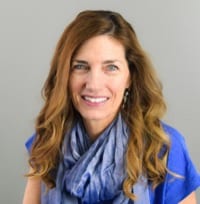
In this solo episode of the Bendy Bodies Podcast, Dr. Linda Bluestein tackles a series of complex listener questions originally submitted by clinicians after her guest appearance on The Curbsiders internal medicine podcast. From the flaws in the EDS diagnostic criteria to the misunderstood role of MTHFR gene (methylenetetrahydrofolate reductase), SVT (supraventricular tachycardia), celiac disease, and mast cell medications, she offers guidance, clarity, and practical advice. She also digs into how to find a provider who actually understands dysautonomia and shares personal hacks that empower patients to ask smarter questions during appointments. This episode is a toolkit for patients and providers alike, packed with real-world insights you won’t want to miss.
Watch
Guests
Transcript
[00:24] Dr. Linda Bluestein: It does seem extremely common for people to be gluten sensitive even when they don't have celiac in this population of people. People will have eliminated gluten from their diet for a period of several weeks and say, well, gluten isn't the problem because nothing changed. And what I would say to that is imagine that you're sitting on two tacks. If you're sitting on two tacks, one on each butt cheek, and you remove one tack, you're still going to feel the other tack.
[01:06] Welcome back to the most popular EDS podcast, Bendy Bodies. I am your host and founder, Dr. Linda Bluestein, the Hypermobility MD. We have so much in store for you today. I can't wait for you to hear it.
[01:40] Today, we're going to be doing another episode where you guys are my guest. Please visit bendybodiespodcast.com to submit your questions. You can leave a voicemail or you can submit a written question. While you're there, check out the new resources page. We have 5 new resources, including red flags to watch out for, essential guides for joint hypermobility, and so much more.
[02:12] In this episode, I'm going to cover EDS irregular heart rhythm patterns, EDS and celiac disease, EDS and MTHFR, what clinicians should do if they can't get patients in to see a geneticist yet they don't feel comfortable diagnosing hypermobile EDS and associated conditions. The million-dollar question: should people with EDS stretch? And so much more. This is going to be really fun, so grab a salty snack, your favorite electrolyte drink, get comfy in your favorite chair or in your car, and let's get ready to rock and roll.
[02:48] So for this episode, we're going to start with something a little bit different for the AMA-style portion. I want to tell you about an amazing podcast I was on recently. I was a guest on the Curbsiders podcast, and this was episode number 480 of their show. We'll put a link in the show notes, so be sure to check that out. This is a top-rated US medical podcast that is designed for internists and other clinicians. I was so shocked and so happy to hear from the Curbsiders staff that over 40,000 clinicians — over 40,000 — listened to this particular episode. So that means medical doctors, DOs, nurse practitioners, PAs, et cetera. This is a huge win for raising awareness about joint hypermobility and connective tissue disorders. This episode actually ranks in the top 10 of their 2025 episodes. They also got a lot of great follow-up questions from their listeners. So I'm going to start this episode today by answering some of their listener questions.
[03:47] So the first question comes from Amanda, who is a nurse practitioner, and Amanda asks: I have a lot of people asking for help with EDS. I don't have a geneticist anymore in my local area to rule in or rule out different types or subtypes of EDS or the Ehlers-Danlos syndromes. In this case, is it okay to go ahead and make the diagnosis based on the Beighton criteria, or should I be looking for a geneticist to test this definitively?
[04:21] First of all, I want to say to Amanda, thank you so much for caring enough to ask. The fact that you're even trying to help your patients with possible Ehlers-Danlos syndromes or hypermobility spectrum disorders already puts you ahead of the curve. Many people struggle to find providers who are even willing to consider these diagnoses. So your openness is a huge gift.
That said, I want to gently clarify something that trips up a lot of clinicians. The Beighton score alone is not enough to diagnose hypermobile EDS. It's just one small piece of the puzzle, and this is a specific tool to assess for generalized joint hypermobility. It's not an EDS scoring tool, and even for that, it has its limitations.
[05:05] Well, why does the Beighton score have limitations? We know it's a very frequently used tool. First of all, it's age and gender dependent. People tend to become less flexible with age, and women and children tend to score higher naturally. It also only assesses a limited number of joints — 5 joint areas. So it includes things like: can you touch your thumb to your forearm? Can you bend back your 5th finger? We look at elbow hyperextension, and if you're watching this on YouTube, you can see me doing some of these maneuvers. Of course, you won't as easily see my knee hyperextension right now, but those are the first 4 maneuvers. And the last maneuver is: can you put your palms flat on the floor without bending your knees?
[05:45] So we know that the Beighton score misses hypermobility in other places like the shoulders, the ankles, the hips, the jaw, and so many other really important places. Also, the Beighton score is a moment-in-time test, and it doesn't reflect someone's history of hypermobility, which is especially important for adults who have stiffened over time due to pain, injury, arthritis, or surgery. Also, the Beighton score is biased towards the upper extremities, but in many populations — for example, dancers — the lower extremities are injured more frequently.
[06:19] So that's where the 2003 5-point questionnaire by Drs. Hakim and Graham comes in. This is a very quick screening tool and it asks about historical signs of joint hypermobility. This is very useful in adults, particularly when the Beighton score is no longer reliable. So let's talk about what that is. First question: can you now or could you ever place your palms flat on the floor without bending your knees? Second question: can you now or could you ever bend your thumb to touch your forearm? Next: as a child, did you amuse your friends by contorting your body into strange shapes, or could you do the splits? Next: as a child or teenager, did your shoulder or kneecap dislocate on more than one occasion? And the last question: do you consider yourself double-jointed? A yes to 2 or more of these questions is strongly suggestive of generalized joint hypermobility.
[07:10] Now, we know that there are 4 different types of joint hypermobility, so I want to quickly explain what those are. There's peripheral joint hypermobility, where you're hypermobile in your hands and your feet but not elsewhere. There's localized joint hypermobility, where you're hypermobile in just a couple of joints or maybe 3 joints. There's generalized joint hypermobility, which this is an excellent tool for. And there's historical joint hypermobility — that means that you were hypermobile in the past, but you're not anymore. So if you do the 5-point questionnaire, this is a great tool for determining if someone has generalized joint hypermobility either now or in the past.
[07:44] Now let's talk about specifically the hypermobile EDS diagnosis and how this is much more than just hypermobility. The 2017 International Diagnostic Criteria for hypermobile EDS require, number 1, generalized joint hypermobility — as assessed by the Beighton score and/or the 5-point questionnaire. And if you look specifically at this worksheet, which is linked at bendybodiespodcast.com under the resources page, you will see that you're only supposed to gain 1 more point if you test positive on the 5-point questionnaire. Now, personally, in my clinical practice, a person could have a Beighton score of 0, but if they have 2 or more answers on the 5-point questionnaire, I will still consider that they probably have generalized joint hypermobility. I also will assess for a lot of other joints besides those that are represented in the Beighton score. So I don't just look at the wrist and the finger and the elbows and knees, but I'll look at other joints that they feel like are unstable or painful — the ankles, the shoulders, and other parts of the body.
[08:52] You also need, for the 2017 criteria, at least 2 of the following: systemic features of a connective tissue disorder, a positive family history, or musculoskeletal complaints like chronic pain or joint instability. And number 3: exclusion of other heritable and acquired connective tissue disorders.
[09:10] Now, let's talk about that second part. When they talk about systemic features of a connective tissue disorder, you might have had somebody go through this list with you before. There are 12 different features and you need to have at least 5 of them. But the really challenging thing is a lot of these features are very subjective. And the question is, where do we draw the line?
[09:31] For example, one of the criteria is soft and velvety skin. Well, compared to what? And of course that's going to change with age — that's a very subjective thing. We can be more specific when it comes to hyperextensibility of skin because we measure that as greater than 1.5 centimeters at the forearm. And we can also assess the neck and things like that. But some of these criteria — another one would be a high or narrow-arched upper palate — that's also subjective, because it's not like any of us are taking a tool and measuring exactly how wide that upper palate is. And a lot of people have had their palate expanded.
[10:14] So while hypermobile EDS is a clinical diagnosis made completely based on a combination of signs, symptoms, history, and exclusion, there's also a lot of nuance to this. Geneticists are often a great fit if we have some of the red flags that make us suspect a more rare type of EDS, or maybe something like Loeys-Dietz or Marfan syndrome. So if a person has any of these red flags, we want to make sure that we send those people to a geneticist. Those include dislocated hips at birth, clubfoot, pneumothorax — which is where there's air between the pleura or the lining of the lung and the chest wall — people who don't just have a little easy bleeding but actually bleed significantly, ruptured internal organs, ruptured blood vessels. These are some of the red flags. For a complete list, please visit the bendybodiespodcast.com website and check out the resources.
It's also very important to know that these criteria are being revised in a project called the Road to 2026. This is very exciting because we know that the 2017 criteria have some definite challenges. As I pointed out, a lot of these criteria are very subjective, and they can change over time. So while a person might present differently one day than another, they actually could fall in or out of the diagnosis at different assessments. That looks like flip-flopping and is bad for the community as a whole. Hopefully the Road to 2026 is going to provide much more clarity, reliability, and inclusivity in the diagnostic process for hypermobile EDS — especially for people who don't meet the strict 2017 criteria but clearly have a connective tissue disorder. We are on the cusp of a more refined framework, and it's very exciting.
[12:32] Back to Amanda. In the meantime, your willingness to evaluate patients thoroughly using tools like the 5-point questionnaire and listening closely to their lived experience puts you in a strong position to help. Don't hesitate to consult with others or refer to clinics with expertise when possible, but know that your role is very important, especially in this huge diagnostic gap that so many patients fall into. Treating symptoms should take priority, and fortunately there are ways to do that. Please check out my peer-reviewed journal article, Hope for Hypermobility Part 2: An Integrative Approach to Treating Symptomatic Joint Hypermobility. There will be a link in the show notes so you can access the full text of this publication. I also talked about this topic — navigating treatment for hypermobile EDS and HSD — in my Substack newsletter, and we'll link that in the show notes as well.
[13:26] Okay, so I have a corollary to this question. Patients often ask how they can find the right provider. This is such an important but also very tricky question. Finding the right provider for hypermobile EDS or hypermobility spectrum disorder evaluation can be challenging but not impossible. First, it's important to know that a diagnosis does not have to come from a geneticist. In fact, for hypermobile EDS and HSD, which we don't have a known genetic marker for yet, the diagnosis is clinical. So it's based on medical history, physical exam, and specific criteria. That means that a knowledgeable rheumatologist, physiatrist, sports medicine doctor, or primary care provider can make the diagnosis as long as they're experienced with connective tissue disorders and/or are willing to learn.
[14:13] So what do I suggest patients look for? These are the things I think are most important. Number 1, ideally a clinician with experience in hypermobility, chronic pain, or autonomic dysfunction — because we know that many people with hypermobile EDS or HSD also have things like POTS or MCAS. Also visit local or online support groups to find recommended providers, since lived experience can be an incredibly useful guide. You want to look for providers that are compassionate and curious, because that is generally much more important than any given specialty. Any specialty or a GP can be very helpful.
[14:47] A couple of tips for patients: prepare a symptom timeline and any past records in advance, because most providers aren't experts, so you definitely want to go in very prepared. If you're having trouble finding a local expert, telemedicine can be a helpful option. More and more providers are offering virtual consultations, which can expand access, especially if you live in an area without specialists.
[15:17] Now, that being said, there are important limitations to keep in mind. Medical licensing laws usually restrict doctors to seeing patients only in the states where they're licensed, and some evaluations are much more effective when done in person. Wherever possible, I strongly recommend that your first evaluation be face-to-face. An in-person visit allows for a more thorough assessment. It gives the clinician the opportunity to examine your skin texture and scarring, evaluate skin stretchiness, observe how you move and walk, and physically examine your joints — all of which are difficult or nearly impossible to do accurately via video.
[15:51] To help bridge this gap, I created a unique service called EduCoaching through my Bendy Bodies platform. This was in response to an overwhelming number of requests I received from individuals across the globe who were struggling to find guidance. In these one-on-one sessions, I provide personalized education, tailored resources, and clinical insight. Now, this is not medical advice, but it will still help you advocate for yourself more effectively. Many clients have shared that after their EduCoaching session, they were able to move forward with getting a diagnosis or accessing better care from their own medical team.
[16:30] Lastly, don't get discouraged if it takes time. A diagnosis is valuable and you deserve to have a proper evaluation and treatment. A diagnosis is not just for clarity, but for accessing care and accommodations. But also what really matters is getting the support that you need to feel better, whether or not you have a label right away. Hopefully that helps Amanda. That was a very long answer to your question.
[16:55] Okay. So the next question is kind of related and is from Min. This was a voicemail received by the Curbsiders, and Min called to ask about a 24-year-old patient she has with new onset SVT, or supraventricular tachycardia. She's planning on sending this young patient to a cardiologist, but the mom of this patient has EDS and wants the daughter sent to a specialist for a workup, and she wants to know what I would recommend.
[17:24] So first, I would want to know: is this supraventricular tachycardia actually documented on a Holter study? I imagine that it is, because I don't think Min would be asking this question this way otherwise.
[17:36] So first, what is supraventricular tachycardia? It is a rapid heart rhythm that originates from the upper part of the heart. It causes a fast, fluttering feeling in the chest, palpitations, and it can cause other symptoms like dizziness, fatigue, or shortness of breath. Now, this may sound quite familiar for people who have dysautonomia or POTS — they're thinking, my heart races all the time, and I feel dizzy and fatigued and short of breath. But it's important to know that SVT is a very specific arrhythmia. Although heart rates can overlap with sinus tachycardia, they are two different things with different evaluations and treatments.
Most patients who have dysautonomia or POTS, if they do have a Holter study, have sinus tachycardia — meaning the heart is beating with a normal rhythm, just beating faster when they stand up or change positions. Someone with SVT could get even higher fast rates, and usually this has an abrupt start and an abrupt stop. It is truly an arrhythmia, or abnormal heart rhythm.
[18:44] So assuming that this person does have SVT, I would definitely want them to be seen by a cardiologist, because it is possible that they might be a candidate for a procedure like an ablation, where they actually go in and burn a part of the heart that is contributing to that arrhythmia. You want to make sure they get a proper and full evaluation. So I would send this person first to a cardiologist, and I would think most cardiologists could do a really good evaluation for SVT.
[19:16] Not all cardiologists, however, are very knowledgeable about dysautonomia or one of the forms of dysautonomia called POTS, which is postural orthostatic tachycardia syndrome. POTS is where, when you change positions, you don't get enough blood flow to your head, so your heart races in an attempt to compensate and you may feel faint or actually faint. You don't have to actually faint in order to have POTS. When you go from sitting to standing or lying down to sitting up, you can get a black curtain feeling closing in, you feel dizzy — a variety of different symptoms can happen with POTS.
[19:56] Not all cardiologists are very familiar with POTS, unfortunately. I have seen cardiologists send people out for a quote evaluation for POTS just using a Holter study, when really they should have either a tilt table test, a NASA lean test, or orthostatic vital sign testing that lasts at least 10 minutes after standing in order to assess for the heart rate change with that position change.
[20:24] So while sending the person to a cardiologist is very important for the evaluation of SVT, with mom having a history of EDS, that puts the daughter at an increased risk of having POTS — because we know there's a huge overlap between EDS and POTS. So I would probably say that if you have a cardiologist who is either more open-minded or more aware of POTS or other forms of dysautonomia, that would be a better place to send this person, because while they're getting evaluated for the SVT, it would be a good idea to also evaluate them for POTS.
[20:59] I would also want to find out who diagnosed mom. Was it a physical medicine and rehabilitation doctor? Was it a rheumatologist? Maybe it was mom's internist or GP. I would want to find out who does mom see — can the daughter go to that same doctor? Unfortunately, you are going to have to build a team. There is no one doctor who can handle all of the different symptoms and constellation of signs that a person with EDS and comorbidities has.
[21:30] It's very common for my patients — I'm their pain medicine doctor, and sometimes they call me their quarterback — to also have a neurologist, and sometimes multiple neurologists. They might have a neurologist that specializes in migraine, and then another neurologist who specializes in POTS. I should point out that POTS is actually a neurologic condition, not a cardiac condition. So while some cardiologists are fairly knowledgeable about POTS, neurologists are generally more knowledgeable.
[21:56] So this person — if they do meet the criteria for POTS — might benefit from having a neurologist who specializes in POTS. They probably should also have a rheumatologic workup to rule out a rheumatologic condition if they have joint pain, especially if they have any joint swelling or redness or anything that would suggest an autoimmune condition. And you also want to make sure that whatever symptoms the daughter has, you're addressing each of those. Gynecology is sometimes involved, sometimes urology, sometimes neurosurgery if they have problems with cervical spine instability or Chiari malformation or tethered cord. So without knowing what additional symptoms the daughter has, it's hard to say, but she should definitely have a point person for possible EDS and get evaluated for that — because the sooner a person can get diagnosed, the sooner they can get on the proper treatment path.
Okay. The next question is kind of related to these previous questions. One of my followers recently asked: how can I tell if my doctor is knowledgeable enough about dysautonomia to treat my daughter? This is completely valid and very important, but it can also be very tricky, especially when you want to keep the tone collaborative and non-confrontational. So here's a thoughtful and respectful way to ask:
[23:37] I understand that as a primary care doctor or specialist, you're expected to manage a wide range of conditions, and I appreciate how complex that can be. Right now, I'm trying to build a care team for my daughter to help her feel and function better. We're exploring a possible diagnosis of dysautonomia or POTS, and I'd love to ask a few questions to see if you might be the right fit to help us on this journey. How many patients with dysautonomia or POTS have you treated? What's your general treatment philosophy — do you tend to start with lifestyle changes, or do you consider medications early on? Do you feel comfortable managing dysautonomia, or would it make more sense to refer us to someone who specializes in it?
[24:18] I hope that's helpful. I think that's a good approach because it respects the provider's expertise, but also gently allows you to assess their experience and whether or not they're a good fit for your needs. Definitely, it's important to keep the conversation open and collaborative, especially because you want to be building your care team.
Okay, we're going to come back to another Curbsiders question. This one is from Mark, who is a hospitalist in Madison, Wisconsin — right in my old backyard. I was in Wausau, Wisconsin for 26 years. So Mark from Madison, Wisconsin wants to know: what is the evidence behind MTHFR gene abnormalities, and how do I deal with this situation?
[25:01] Mark, this comes up a lot, especially in patients with complex chronic symptoms who have spent years without answers. Many people turn to private testing or functional medicine sources and come in convinced that their MTHFR mutation is at the root of their health issues, sometimes including hypermobile EDS.
[25:21] So first, let's talk about the evidence. As we discussed a few minutes ago, hypermobile EDS is a clinical diagnosis based on connective tissue findings, and no single gene mutation — including MTHFR — has been linked to its cause. While classical and vascular and all the other subtypes of EDS are associated with known mutations, the gene or genes responsible for hypermobile EDS have not yet been conclusively identified despite extensive research. There is no scientific evidence that MTHFR mutations cause hypermobile EDS or any other subtype of EDS.
[25:59] But let's back up a little bit about the MTHFR gene. The MTHFR gene — methylenetetrahydrofolate reductase — does play a role in methylation, a biochemical process involved in folate metabolism and homocysteine regulation. Variants like C677T and A1298C are common. Up to 30 to 50% of the population carries 1 or 2 copies of a variant. Most people with MTHFR variants are completely healthy and never experience any methylation-related issues. Some individuals with 2 copies of C677T may have elevated homocysteine levels, which can be associated with cardiovascular risk, but even that link is modest and not causally connected to connective tissue disorders like hypermobile EDS.
[26:58] But you might be asking: what about the studies out of Vanderbilt? That's an excellent question, and we are going to talk about that when we come back from this quick break.
[28:31] Okay, we're back, and we are answering some fabulous questions from the Curbsiders podcast listeners. So be sure to check out episode 480 of the Curbsiders — we're going to link that in the show notes. I was so honored to be a guest on their show. I also wanted to point out that one of their co-hosts, Dr. Matt Waddell, was a guest on Bendy Bodies, so we will also link that in the show notes. In that episode, we talked about the role that an internist plays in patients who have hypermobile EDS and HSD. That was a really important conversation. I hope you will check that out as well.
[29:07] Okay, so now back to our MTHFR conversation. There was a recent study published in ACR Open Rheumatology that examined the presence of MTHFR polymorphisms among patients with hypermobile EDS and HSD in a US hypermobility clinic. The researchers found that 85% of the 157 patients studied had either a C677T or A1298C MTHFR polymorphism in heterozygous or homozygous states. Heterozygous meaning they only had one abnormal copy, or homozygous meaning they had two abnormal copies. Specifically, 53% had the 677CT/TT genotype, and about 50% had the 1298AC/CC genotype. Notably, about 40% of the patients exhibited 2 copies of MTHFR variant alleles.
[30:06] This study does suggest a high prevalence of MTHFR polymorphisms among individuals with hypermobility, which might support the hypothesis that hypermobility could be influenced by folate metabolism. However, it's important to interpret these findings with caution. While the study indicates a notable presence of MTHFR variants in this patient population, it does not establish a causal relationship between MTHFR polymorphisms and hEDS or HSD. Further research is needed to determine whether these genetic variations contribute to the development or severity of hypermobility disorders.
[30:44] In clinical practice, when patients present with concerns about MTHFR mutations in relation to hypermobile EDS or HSD, it's important to acknowledge their concerns and provide evidence-based information. While MTHFR polymorphisms are common in the general population and may influence folate metabolism, their role in hypermobile EDS remains unclear. Clinicians should focus on comprehensive evaluations and evidence-based strategies for hypermobile EDS while staying informed about emerging research in this area.
[31:18] So the bottom line is: most people with MTHFR variants are healthy. Patient concerns can still be addressed respectfully without indulging pseudoscience. MTHFR mutations are not a proven cause of hypermobile EDS. It's a balance between meeting patients where they are and steering them toward evidence-based care, and in patients with EDS and similar conditions, trust and rapport are half the battle.
[31:44] So how do I actually approach this? Number 1, I validate their efforts: I really appreciate how much time and effort you've put into trying to understand your health. You're clearly invested in getting answers, and that's important. And I will tell you that I learn from my patients every single day when they come to me having done research on various things. Sometimes they've seen the research before I have. So it's really important that we encourage them to do their research, but also in an evidence-based way.
[32:12] We also want to gently remind them that the MTHFR gene does affect how the body processes folate, and yes, there are variants that slightly affect this process. We don't have really solid evidence yet linking it to Ehlers-Danlos syndromes or joint hypermobility. Having an MTHFR mutation is very common — like eye color or blood type — and for most people it does not cause illness.
[32:43] We can reframe the focus and say: if you're experiencing fatigue, pain, mood issues, or GI symptoms, these are very real and deserve a thorough evaluation. I'd like to focus on understanding the symptoms fully, whether or not MTHFR is involved.
We can also support methylation if needed. If they're concerned about methylation or homocysteine levels, I may offer to check homocysteine, or B12 and folate levels, and if warranted, recommend methylated B vitamins — for example, methylfolate and methylcobalamin. These are generally safe, inexpensive, and give patients something actionable.
[33:18] Hopefully that helps with the MTHFR question. This comes up all the time in my practice, and I'm so curious to see further research in this area. I'm excited about the research that has been done at Vanderbilt, and I really think we need much more study. But at this point, that's really one study and it's not a large population, especially when you consider how common these variants are in the general population. We need a lot more data.
Okay. The next Curbsiders question comes from Martina. Martina asks: I have a couple of patients with EDS and celiac disease. Is there a relationship?
[33:49] I get this question a lot. The short answer is that while there's no officially recognized direct link, there are many people with EDS who do report having celiac or another form of gluten sensitivity, and there may be some overlapping mechanisms that are worth paying attention to. Both conditions are often underdiagnosed, especially in women, and both can involve gut symptoms like bloating, abdominal pain, and nutrient malabsorption. In celiac disease, that's due to an autoimmune reaction to gluten that damages the small intestine. In EDS, especially the hypermobile type, gut symptoms may stem from dysmotility, connective tissue laxity in the GI tract, or co-occurring conditions like mast cell activation disorders or POTS.
[34:40] Some researchers are starting to look into whether people with EDS may be more prone to immune system dysregulation, which could explain why autoimmune conditions like celiac show up more often in this group. It's not conclusive yet, but it's a conversation that's growing in the medical community.
[34:56] If you're dealing with one or both of these conditions, or if you're wondering if gluten is playing a role in your symptoms, you're definitely not alone. It's always worth talking with a healthcare provider about testing for celiac disease, which includes blood work and possibly an endoscopy, and exploring whether a gluten-free diet might help you personally, even if you don't meet the full criteria for celiac disease. Everyone's body is different, and while I encourage you to tune into what works for you, be kind to yourself throughout the process.
[35:23] A couple of other things I want to point out. It does seem extremely common for people to be gluten sensitive even when they don't have celiac in this population of people. Sometimes people will have eliminated gluten from their diet for a period of several weeks and say, well, gluten isn't the problem because nothing changed. And what I would say to that is: imagine that you're sitting on two tacks. If you're sitting on two tacks, one on each butt cheek, and you remove one tack, you're still going to feel the other tack.
[35:52] So sometimes doing an elimination diet where you remove all the most common triggers of mast cell activation and then slowly add them back in one by one is a more effective approach. Now, this is very challenging and it requires a lot of preparation. I did this in January a few years ago, so when I was getting ready for the holidays, I was planning out what I was going to eat, because you are eliminating a lot of things — but it's temporary. You're only eliminating those things for 3 weeks. You're eliminating the most common triggers of mast cell activation, which include things like meat, dairy, gluten, eggs, citrus — it's a whole list of things. And it's something that I work with my patients on individually. It's also definitely good to work with a dietitian if possible, especially if you know that you're someone who's more prone to disordered eating or has a history of an eating disorder.
[36:49] What you do is eliminate all those foods for 3 weeks. Generally what I ate during that time was a lot of fish to try to get the protein in, and vegetables — those were the main things I ate. Then at the end of the 3 weeks, I slowly started adding things back in. At that time, I did determine that I was sensitive to both gluten and dairy, because I definitely felt an increase in inflammation and symptoms when I added those things back in.
[37:18] So if you think you might be gluten sensitive but have done a gluten-free trial before and it didn't necessarily change your symptoms, you may want to consider doing a more thorough elimination diet and work with a dietitian to get a better sense of whether this is something appropriate for you. Because going gluten-free is not a small thing. Going wheat-free is not a small thing. You lose out on a lot of nutrients like your B vitamins. So you don't want to do that without being very thoughtful, conscientious, and making sure that you're going about it the right way.
[37:54] Well, you might ask, what about food allergy testing? This is something we've talked about in multiple previous solo episodes, and I'll link those in the show notes. I also talked about food allergy testing with Dr. Theo Theoharides, and we will link that episode in the show notes as well. In that episode, he talked about food allergy testing and how problematic it is, because people will test positive for foods that they've recently been exposed to, even though it's not an IgE-mediated food allergy. So it's really complicated and tricky. What he suggests is that people eat just plain organic chicken and quinoa for several days before they have food allergy testing, in order to get a better sense of what food allergies they actually have. We also know that food allergies are different from food sensitivities that are related to mast cell activation in the gut. So please check out that episode with Dr. Theoharides for a much more detailed conversation on that.
[38:55] Okay, back to the Curbsiders questions. The next question is from Melissa. Melissa asks: where does lipedema fall on the hypermobility and EDS spectrum, and how can primary care providers help?
So lipedema, spelled L-I-P-E-D-E-M-A, is a chronic condition that causes painful symmetrical fat accumulation, most commonly in the hips, thighs, and legs, and is often misdiagnosed as simple obesity or lymphedema, spelled L-Y-M-P-H-E-D-E-M-A. While lipedema is not classified as a subtype of EDS, many patients with lipedema also meet criteria for joint hypermobility or even hypermobile EDS. This overlap is being explored in the medical literature, but growing clinical experience suggests that connective tissue fragility may play a role in both conditions.
[39:50] So what is the connection between lipedema and joint hypermobility or hypermobile EDS? People with lipedema often report symptoms that overlap with hypermobility disorders, including joint instability, fatigue, chronic pain, easy bruising, and skin tenderness. There is emerging research and increased recognition that a subset of patients may fall into both categories, though lipedema remains its own distinct diagnosis, separate from hypermobile EDS and HSD. Inflammatory and connective tissue elements are also important: lipedema involves not just abnormal fat deposition, but also microvascular inflammation and pain, which may be worsened in patients with underlying connective tissue fragility.
[40:38] So how can PCPs help? Primary care providers are in a key position to recognize lipedema early and initiate appropriate referrals and supportive care. Here's how. Number 1, recognize red flags. Be alert for classic signs: disproportionate fat distribution that doesn't respond to diet and exercise, tenderness to the touch, bruising, leg heaviness, and a negative Stemmer sign — meaning no thickened skin over the toes, which differentiates it from lymphedema.
[41:08] You can also screen for comorbidities. Ask about symptoms of joint hypermobility, such as frequent sprains, strains, or dislocations, chronic pain or stretchy skin, as well as conditions like POTS, fibromyalgia, or mast cell activation, which co-occur very frequently in both lipedema and hypermobile EDS or HSD. Use tools like the 5-point questionnaire as discussed earlier for hypermobility history, and consider the Beighton score as a starting point, though remember it's not sufficient on its own to diagnose hypermobile EDS.
[41:39] You also want to refer strategically. For a lipedema evaluation, you can refer to a vascular medicine specialist, plastic surgeon, or physiatrist with experience in lipedema diagnosis and care. For a hypermobility evaluation, consider referral to a rheumatologist, a geneticist, or a physiatrist with experience in diagnosing hypermobile EDS or HSD — or consider supporting your patient yourself through a self-advocacy pathway using the 2017 diagnostic criteria. We talked about the challenges with those earlier, and how the 2026 criteria will probably be coming out in late 2025.
[42:22] You can also support self-management. Encourage conservative management such as compression therapy, lymphatic massage, anti-inflammatory diet, and gentle exercise such as water aerobics. Validate their experience and avoid framing symptoms as quote, just obesity, or in their head. This kind of support goes a long way in building trust.
[42:43] You can also document symptoms clearly. Use language that supports future insurance coverage for interventions like manual lymphatic drainage or liposuction if appropriate, which are often denied if lipedema is not clearly diagnosed and documented.
[42:58] For a deeper dive into the relationship between connective tissue disorders and lipedema, I highly recommend the Bendy Bodies podcast episode with Dr. Karen Herbst. Dr. Herbst is an MD-PhD and leading expert in fat disorders. In this episode, she explains how lipedema fits into the broader connective tissue landscape, how it differs from lymphedema or obesity, and what treatment options are available. Some of these treatment options came as a very big surprise to me, so definitely check out this episode. It's a must-listen for patients, caregivers, and healthcare professionals alike who want to better understand this under-recognized condition.
Okay. The next question from the Curbsiders comes from Keelan. Keelan says: I just listened to the hypermobility episode — first, wow. Thank you so much. Second, the 3 meds she mentioned are naltrexone, ketotifen, and cromolyn. Does she recommend all 3 for hypermobile patients, or does she choose from them to treat certain symptoms?
[43:58] Thank you so much for asking, Keelan. I love this question because it gets to the heart of personalized care for conditions like hypermobile EDS and HSD. While low-dose naltrexone, ketotifen, and cromolyn are among my most used medications for people with connective tissue disorders, I typically do not use all three at once, especially not right away. I tailor these medications based on the person's symptom profile, medical history, tolerance, and treatment goals.
[44:23] This is how I generally approach it. Low-dose naltrexone — I've talked about this in great detail in previous episodes of the podcast, and we will make sure to link those here. Low-dose naltrexone is often my first choice for centralized or widespread pain, fatigue, brain fog, and neuroimmune dysfunction. It's particularly helpful in people with overlapping fibromyalgia or ME/CFS features. It also stabilizes the immune system and can help with mood.
[44:50] Ketotifen is great for mast cell activation symptoms and inflammation, especially if there's a strong component of GI symptoms like bloating, abdominal pain, food intolerances, etc., along with skin itching, flushing, or sleep issues. It's an oral mast cell stabilizer, anti-inflammatory, and H1 antihistamine, and often well tolerated when started at a low dose and increased slowly.
[45:13] Cromolyn sodium — another mast cell stabilizer — is often more targeted for people with food reactivity, histamine intolerance, or GI tract-specific symptoms. It is a very old medication. I was actually prescribed inhaled cromolyn as a teenager for my asthma. Oral cromolyn is usually given before meals and can be incredibly helpful for reducing post-meal flares or GI upset. That said, it can be hard to find in commercial pharmacies due to supply chain problems and can take longer to show benefits.
[45:42] Many patients with mast cell activation disorders and related conditions face challenges accessing commercially available oral cromolyn sodium, known as Gastrocrom. It can be so hard to find at retail pharmacies, and some insurers might not cover it easily due to the cost or its designation as a niche medication. As a result, some people turn to compounding pharmacies to obtain cromolyn in a more accessible or affordable form. Additionally, the commercial version of Gastrocrom comes in plastic ampules, which can be problematic for certain highly sensitive patients who react to plasticizers or leachates from the packaging. In these cases, compounded cromolyn prepared in glass containers or alternative packaging may be better tolerated. As always, sourcing should be done through a reputable compounding pharmacy, and care teams should ensure consistency and quality in the formulation.
While oral cromolyn is commonly used to help manage mast cell-related symptoms affecting the gut, it is also available in other formulations that can target different systems. Cromolyn nasal spray can be helpful for upper respiratory symptoms like congestion or allergic rhinitis. I also find that it can be helpful with brain fog — and if you think about it, it does make sense, in that it will absorb through the cribriform plate, which is at the top part of the nose, and that's where it gets into the brain. Cromolyn eye drops, such as Opticrom, can help relieve ocular itching or irritation due to mast cell activation. Inhaled forms like Intal were historically used in asthma, though they're less commonly available now. These targeted routes can be especially useful when symptoms are localized and may allow for better tolerability than systemic formulations.
Topical cromolyn can also be helpful for skin symptoms. I instruct patients to mix their oral cromolyn solution with a topical cream that they know they tolerate and apply that to the skin. There's no magic formula for this — you just have to experiment and see how it goes.
[47:41] In some patients with mast cell activation affecting the genitourinary tract, a cromolyn sodium vaginal douche may help reduce vulvar, vaginal, uterine, or bladder-related symptoms such as burning, irritation, heavy bleeding, or pain that might be triggered by local mast cell activity. Although this is not an FDA-approved use, some clinicians and patients have used compounded cromolyn or oral cromolyn from a commercial pharmacy in a saline solution as a vaginal rinse to calm localized inflammation. This approach is particularly considered when standard treatments have failed and when symptoms clearly seem to flare in response to hormonal shifts, physical triggers, or certain exposures. As always, this should be done under guidance from a knowledgeable healthcare provider, ideally with support from a compounding pharmacy experienced in this type of formulation. I will link an article in the show notes that specifically discusses cromolyn douche.
[48:32] It is also essential to understand that people with hypermobile EDS, HSD, mast cell activation disorders, POTS, etc., also have increased sensitivity to medications. This can mean that they experience side effects more intensely, react unpredictably to standard doses, or find that their therapeutic sweet spot is lower than what is typically prescribed. Because of this, I almost always start at a lower than normal dose — sometimes even a fraction of the usual starting dose — and titrate slowly and carefully. The goal is not to load up on medications, but rather to find the lowest effective dose that brings meaningful relief with the fewest side effects. Less is more with these complex, sensitive systems.
[49:11] Another core principle that I follow: one change at a time with space in between interventions. This helps clarify what's working and what's not, and avoids layering multiple variables that make it hard to interpret a patient's response. I typically advise waiting a week or so before adding or adjusting medications, and longer if there's a strong concern about side effects.
[49:33] Finally, I encourage patients to keep a symptom and treatment journal, tracking not just medications and doses, but also things like sleep, pain levels, activity, diet, and any new symptoms. I always suggest approaching this with a curious, not anxious, mindset. Think of it like data collection, not judgment. Over time, patterns often emerge that help guide the next step in care.
[49:55] So in short, I choose based on the dominant symptoms and often start with one — sometimes low-dose naltrexone — to see how the person responds. If there's partial improvement or a different set of symptoms emerges, we may consider adding another, carefully and gradually. For more information on my 3 favorite medications to prescribe, check out my Substack newsletter. I did a 3-part series on this, and I definitely want you to visit hypermobilitymd.substack.com to learn more.
[50:24] Thank you so much to the Curbsiders for having me on your show. I'm so thrilled that we got such a great response and so many wonderful follow-up questions. I want to give a special thanks to those who submitted questions after listening to episode 480 of The Curbsiders, where we talked about hypermobility and connective tissue disorders like EDS.
We're going to finish this episode like we always do with a hypermobility hack. Today's hypermobility hack is to ask why. When you're working with clinicians, sometimes it can be really hard to get answers to your questions without feeling like you're being difficult or at risk of getting labeled as difficult. Like an annoying child though, you can keep asking your clinicians why.
[51:10] When your doctor says that your labs are normal and therefore you are quote fine, you can ask them why they think that. Why do they expect that normal labs mean that you're fine? You could ask them: aren't there some conditions that are not caught on the lab testing that we did? Is it even remotely possible that something else is going on? What did these labs test for, and what did these labs miss? What else is in your differential diagnosis?
[51:40] The working diagnosis is the thing they most likely think is going on, but the differential diagnosis is other things that could be going on as well. So if we want to think about mast cell activation disorders — and under that umbrella we have mastocytosis, mast cell activation syndrome, mast cell activation unspecified, et cetera — if someone presents with symptoms that fit under that umbrella, we also want to be thinking about lookalike conditions. One of them might be carcinoid, for example. So it's very important to be asking your doctor: what's something that routine labs wouldn't catch that would fit with my symptoms? And it wouldn't hurt to do your own search ahead of time so you can help make some suggestions.
[52:22] Hopefully your clinicians are open-minded and willing to accept that they don't know everything — because of course none of us can know everything. So try gently asking why to try to get to the bottom of what's going on with you and your symptoms, and try to get your quality of life improved.
[52:40] Well, I hope you found today's episode of the Bendy Bodies Podcast helpful. I really love hearing from you. So please visit the Bendy Bodies Podcast website at bendybodiespodcast.com to submit your questions, leave a review, share feedback, etc. You can help us spread the word about joint hypermobility and related disorders by leaving a review and sharing the podcast. This really helps raise awareness about these complex conditions and makes it more likely that other people will also find the show.
[53:11] If you'd like to dig deeper, you can meet with me one-on-one. Check out the available options on the services page of my website at hypermobilitymd.com. You can also find me, Dr. Linda Bluestein, on social media at Instagram, Facebook, TikTok, Twitter, or LinkedIn at Hypermobility MD. You can find Human Content, my producing team, at Human Content Pods on TikTok and Instagram. You can find full video episodes up every week on YouTube at Bendy Bodies Podcast.
[53:39] To learn about the Bendy Bodies Program disclaimer and ethics policy, submission verification and licensing terms, and HIPAA release terms, or to reach out with any questions, please visit bendybodiespodcast.com. Bendy Bodies Podcast is a Human Content production. Thank you for being a part of our community, and we'll catch you next time on the Bendy Bodies Podcast.