Description
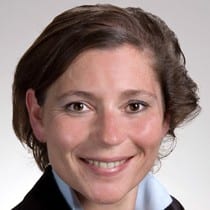
In this episode of the Bendy Bodies Podcast, Dr. Linda Bluestein welcomes Dr. Petra Klinge, a renowned neurosurgeon specializing in tethered cord syndrome (TCS), Chiari malformation, and cerebrospinal fluid (CSF) disorders. They dive deep into occult tethered cord syndrome, a condition where MRI scans appear normal, yet patients still experience neurological symptoms, chronic pain, and bladder/bowel dysfunction. Dr. Klinge explains how tethered cord affects EDS patients, the role of connective tissue disorders, and what makes someone a good candidate for surgery. Whether you’ve been struggling with undiagnosed spinal issues or are considering tethered cord release surgery, this episode is packed with valuable insights and cutting-edge research.
Watch
Guests
Transcript
[00:58] Dr. Linda Bluestein: Welcome back, every bendy body, to the Bendy Bodies Podcast with your host and founder, Dr. Linda Bluestein, the Hypermobility MD. Today we will be talking with Dr. Petra Klinge about tethered cord syndrome. Tethered cord syndrome affects so many people with EDS, especially people with hypermobile EDS, so this is going to be a really important conversation. Dr. Klinge is a neurosurgeon with expertise in tethered cord syndrome, Chiari malformation, and related CSF disorders. Her research has focused on the failure of myodural bridges and defunct collagen that supports the aspects of CSF circulatory failure at the base of the skull. She has published on a novel concept of a spinal cord motion disorder that might explain and support occult neurosurgical pathologies associated with impaired CSF in Chiari malformation and occult tethering of the spinal cord and brainstem. Dr. Klinge has pioneered the pathophysiology and diagnosis of occult tethered cord, including clinical biomarkers for surgical intervention in tethered cord syndromes.
[01:58] I'm so excited about this conversation today because occult tethered cord — meaning that you cannot see it on imaging — is something that is really, really challenging. A lot of patients who are experiencing tethered cord type symptoms go in to get an evaluation, they get an MRI, and when the MRI is, quote, unremarkable, people think, oh, they clearly don't have tethered cord syndrome. But as Dr. Klinge is going to tell us, there are a lot of people who have occult tethered cord syndrome. So they have the symptoms of tethered cord and they'll benefit from having surgery on their tethered cord, but you can't see evidence on the imaging. As always, this information is for educational purposes only and is not a substitute for personalized medical advice. Stick around until the very end so you don't miss any of our special hypermobility hacks. Here we go.
[02:47] Well, I'm so excited to speak with Dr. Klinge today. And probably you don't remember, but we met in 2018 after you gave a presentation at the EDS Society conference in Baltimore. But I haven't seen you since then.
[03:00] Dr. Petra Klinge: Yeah, time goes by, right? Well, it would be great to see each other again sometime soon. That would be lovely.
[03:11] Dr. Linda Bluestein: Yes, absolutely. I'm so happy that you're here. We have so many questions that people have about tethered cord and your work specifically, and you've done such great research in this space. So I'm really happy that we were able to make this happen. So thank you so much. Can you start out by telling us how you became interested in occult tethered cord and the association with the Ehlers-Danlos syndromes?
[03:35] Dr. Petra Klinge: Yes. My first experience with occult tethered cord came from pediatric experience. I came to the United States to work here at Rhode Island Hospital in 2009. And around 2010, I was more and more involved in the pediatric hospital at Hasbro here. One of our GI doctors contacted me about a child with unexplained constipation and problems with bowel regulation. He said he had heard about tethered cord or even occult tethered cord, which can be the cause of some unexplained bowel and bladder issues in kids. And that's when I was hearing about it as a separate entity that is not really diagnosed with imaging, but more diagnosed clinically.
[04:41] So I saw that child and found some neurological signs in the legs, and there was also some back pain and leg pain. The MRI did not show anything. The GI doctor and I offered the family the tethered cord surgery — the resection of the filum. That kid did so great and had such a great improvement, even catching up in growth. The back pain and leg pain went away, and also the constipation. Then, as things go in life, a second event like this happened. I saw another child and became really interested in occult tethered cord. I understood that this is truly an entity that needs to be taken seriously. I read some of the literature published in the early part of this century — for example, Dr. Webby's work came to my attention. Monica Webby published on 62 patients with occult tethered cord kids who had improvement in bowel and bladder function.
[05:51] Fast forward, I presented the children I had treated at a conference where I met Dr. Henderson. Dr. Henderson, at that time — around 2011 or 2012 — had also started to look into tethered cord and Ehlers-Danlos syndromes and connective tissue disorders. So I learned from people who were already looking into connective tissue disorders that the problem with tethering of the spinal cord might also be very relevant for those folks. I developed some neurological criteria at the time that made me comfortable diagnosing the triad and the neurological symptoms. Then I started to see people with connective tissue disorders and found some unique elements in how they present with tethered cord.
[06:44] Of course, when you become more comfortable diagnosing a problem, you keep looking at it. The results were very favorable and very promising. That has gotten me interested in occult tethered cord and EDS. I saw more and more people and diagnosed it. And my focus in medicine has always been trying to explain things — I was never happy just treating them. So I wanted to understand what's happening. That's how I started to also look into understanding the mechanisms behind it.
[07:32] Dr. Linda Bluestein: Wonderful. And I should probably back up — for those who may be thinking, "this sounds really interesting, but I'm not sure what tethered cord is, much less occult tethered cord" — if you could explain what that is.
[07:49] Dr. Petra Klinge: Sure. Tethered cord itself, in the broader spectrum, is a problem where the spinal cord is unphysiologically under tension or stress and strain from anything that abnormally fixates the spinal cord in the spinal canal. That could be many things, but the most common problem — and that's the one we are discussing today — is the problem with our embryonic tail, or congenital tail. Let me explain it that way.
[08:34] When we are embryos, we all have a little tail, a real tail. That tail is basically the extension of our spine. It has spinal cord and bone and cartilage, and it helps us grow our legs as embryos. When we are done growing legs, the tail undergoes what we call regression — it goes back into the spinal canal. What we have left is a remnant from that embryonic time. It was once spinal cord, but it's now like leftover spinal cord. That tail actually connects our mature spinal cord with the tailbone. It's a leftover embryonic spinal cord.
[09:21] A lot of things can go wrong during that regression process. If the tail stays too tight, or too thick, or is just abnormally structured, it can cause pulling, tension, stress and strain to the mature, adult spinal cord. And that can cause a lot of symptoms. The stress and strain causes blood flow problems to the spinal cord, which can cause weakness in the legs, fatigue, pain — not only in the legs but also in the back — and of course, ultimately, problems regulating the bowels and the bladder.
[10:16] That is tethered cord. And that's not a new problem. The first reports on tethered cord and an abnormal or tight filum go back to the 1960s. There are reports from Canadian neurosurgeons about 70 years ago where, without even having imaging, they had patients with leg symptoms, leg weakness, bladder and bowel symptoms, and they actually did exploratory surgery. They opened up the spine to see what was happening. And then they found this embryonic tail being too short or too tight or too thick. So that was pioneering surgery.
[11:10] Tethered cord is not new, but what is more recent — and in the realm of medicine, more recent — is the understanding that it can actually be occult even with our modern ways to image the spinal cord and the spine. When MRI became available, all of a sudden you could see the stretched spinal cord, you could see that the tail was thickened, and you would say, "This is tethered cord." Imaging eventually allowed us to diagnose it.
[11:54] But then a new box opened: patients presenting with all the classical tethered cord symptoms, yet you don't see tethered cord on the MRI. It was actually Jerry Oakes and his team at the end of the last century who coined the term — that it might just be occult. Jerry Oakes was a very renowned pediatric neurosurgeon. And so we came to understand that it can be occult. Occult means you don't see anything on the MRI that is suggestive of tethered cord — it's radiographically hidden — yet you still have it because your symptoms tell you that you do.
[12:43] Dr. Linda Bluestein: That's such a wonderful explanation. Thank you for that. And it sounds like you've already described a lot of the potential symptoms that people can present with. Do you find that the presentations are quite variable as well?
[12:52] Dr. Petra Klinge: That is true. When I started to straighten my own thinking — being mindful that the MRI was no longer my partner, no longer helping me — I still didn't want it to be a shot in the dark. What I'm trying to say is that at the beginning I had taken the classical criteria that were available to find out about tethered cord, which were bladder incontinence, either frequency or urgency, leg pain, often achy. And pain that fluctuates in different parts of the leg. So it's not like a sciatica pain that goes down to the toe or to the heel. It's a pain where people say, "It's in my upper leg, but then sometimes it goes down into my other leg," or it fluctuates from left to right. It's more of a nondescript pain — definitely not a dermatomal pattern. It's different areas. Variation. And then of course lower back pain of an achy nature.
[14:27] But then when I saw people with this type of presentation, they were also describing other sets of symptoms: shoulder pain, arm numbness, tingling, loss of penmanship, problems with grip, problems opening a jar. Patients also had a pulling sensation in the neck and sometimes chest tightness. They felt like they were in a tight onesie or tightened up. And I thought, hmm. I wasn't sure how to explain those symptoms because nothing on the MRI showed any neck or thoracic spine problems.
[15:24] Then I learned that after tethered cord surgery — surgery I was doing for the symptoms of back pain and leg pain — those upper body symptoms went away as well. Not always, and I don't want to overdeliver, but that was much to my surprise. I saw it again and again. People would say, "I have this low back pain," there was tethered cord, and then their neck pain had also gotten better. So I understood that, against classical thinking that the tail problem only causes problems from the waist down, it might also cause problems from the waist up.
[16:09] Then I collected those symptoms and came to understand that tethered cord can also cause problems to the upper extremities and upper spine areas. And it wasn't until our research published in 2022 that we came to understand the stress and strain that the filum — that little tail — causes to our spinal cord is not only affecting the lower spinal cord. Our biodynamic studies done in the Brown Lab, where we were mimicking the stress and strain that the filum exerts on the body, showed that it might actually also propagate stress to more distant areas of the spinal cord, which explains the upper body problems. So I understood that there is a spectrum of symptoms that can affect the entire spine.
[17:12] Dr. Linda Bluestein: That's fascinating. So it sounds like, given this complex picture of symptoms and the fact that imaging is not always helpful, making the diagnosis can be quite challenging. And sometimes it's acquired and sometimes it's congenital, right? So actually making the diagnosis can be pretty tricky.
[17:38] Dr. Petra Klinge: Yes, that is true. There was a time where it was hard at the beginning because I was hearing a set of symptoms that were classically not attributed to tethered cord, but yet I had to take them into account — I had to find out whether it was or was not tethered cord, and how all these other symptoms spoke for or against it.
[18:09] What I wanted to say is that with anything in medicine, we wanted to have some objective criteria. What was very comforting for me as a doctor is that I heard certain problems again and again. So I knew there was something unique to tethered cord that I could trust. For example, pulling sensation, shoulder pain, tightness in the chest — I believed that certain reporting I got from people could only be tethered cord and most likely was tethered cord. So I got comfort in listening to people and understanding what they were dealing with. There was a common element to it.
[19:06] But of course, to your point, I was trying to see if there was anything objective that the doctor could find on exam. Classically, people were relying on the bladder study — the urodynamics study — where you wanted to see a neurological dysfunction of the bladder. But I learned that this is not always helpful. I had kids and adults who had all the symptoms, but the bladder study was not showing me a neurological problem. And I said, well, I'm not going to walk away from that person.
[19:51] So all of a sudden I had a patient with the classical symptoms, but the bladder study was not helpful. It did not show me the neurological problem that I needed as a supporting diagnostic criterion. So then I said, okay, maybe something in the neurological exam can tell me if there's a problem with tethering of the spinal cord.
[20:24] I was thinking, what would it be in the neurological exam that is indicative of spinal cord stress and strain? Of course it would be motor neuron dysfunction, because the motor neurons travel through our spinal cord. So I was looking at spasticity — increased tone and tightness in the legs, clonus, which is a sign of stress and strain on the cord, an upper motor neuron dysfunction, a long tract sign — basically signs of spinal cord stretch: clonus, increased tone in the legs, hyperreflexia in the lower extremities.
[21:12] And this was right on it. I was able to find these criteria in the patients who most classically presented with the signs and symptoms. And then I saw that these findings are actually very important diagnostic criteria to support tethered cord and also to predict the success of surgery. That was the paper we published last year after many years in the making — it took about 10 years to acquire robust evidence for those neurological criteria. We also found that this exam adds about 3 points to a scale we developed that incorporates patient-reported symptoms and diagnostic findings on the neurological exam, and that scale is also able to predict the success of surgery. So basically, we now have objective diagnostic criteria that help establish not only surgical candidacy but also the diagnosis with more confidence.
[22:37] Dr. Linda Bluestein: Which is so important. If you're doing surgery, you want to know with the best degree that you can whether the surgery is likely to be successful. So that's a really important study.
[22:46] Dr. Petra Klinge: Yeah. And the scale still needs to be refined. As you might know, Dr. Bluestein, this is an open access publication. So everyone can read it, and it shows the criteria and the 15 items we developed as diagnostic markers or biomarkers for tethered cord syndrome and for establishing the diagnosis and the surgical indication.
[23:16] It's still baby steps, and it's still the first attempt to validate this syndrome. It's still a long way to go. That scale has to be refined. I would not say this is all straightened out or completed work. It's a work in progress. But this is the first attempt to really put forward some diagnostic criteria that are reliable in this regard.
[23:56] Dr. Linda Bluestein: And we will definitely link that in the show notes so people can find that paper easily.
[24:00] Dr. Petra Klinge: Yes, I'm very happy to send you the link afterwards by email.
[24:04] Dr. Linda Bluestein: Yeah, that's really important. So thank you for that. And people who have one of the Ehlers-Danlos syndromes, or if they have mast cell activation syndrome or dysautonomia — which populations are at increased risk of having tethered cord syndrome, and why would that be? Are you seeing those comorbidities more commonly in your tethered cord patients? And if so, why do you think that is?
[24:39] Dr. Petra Klinge: Yes. Based on our findings, it is likely that people with hypermobile EDS are at higher risk of developing tethered cord syndrome. And it might also be acquired in that population. I have to assume, based on our findings, that there is also an acquired component in people with hypermobile EDS — not necessarily only a congenital component — because it is probably the connective tissue or the collagen problem itself.
[25:28] What we found when we looked at the histology of the filum: when you do the surgery, you resect a piece of that filum, the embryonic tail. We always examine this piece of the specimen histologically. It dawned on me that I should also look at the collagen in the filum. So we started to look at collagen integrity because the filum is a tissue that consists of collagen — that's been described in old pathological and anatomical studies. Here I had a patient population with collagen dysfunction, and I said, why should I not look at the collagen?
So starting in 2014 and 2015, I began doing electron microscopy studies. We looked at the collagen and did find the same collagen abnormality that you actually find in skin biopsies in people with classical or hypermobile EDS or other forms of EDS. The disintegration of the collagen structure, abnormal-shaped fibrils, disintegrated chopped-up collagen, spiraled collagen — these collagen abnormalities were mainly found in people with hypermobile EDS and not in patients without EDS. So it was a finding specifically, or more or less specifically, in people with hypermobile EDS.
[27:31] Basically, the collagen dysfunction that you deal with when you have hypermobile EDS is also happening in your filum. And that makes the filum relatively stiff and less elastic. That's why there is a higher prevalence or risk of having tethered cord symptoms when you have hypermobile EDS — your collagen dysfunction is also happening in your filum.
[28:17] And I believe, or what would also explain it, is that if you are hypermobile, you have more range of motion in your spine — that's also been described in some studies. And then if you have a relatively stiff filum, even if the filum is not that stiff, the filum might be just too much for your hypermobile spine. What I'm basically saying is that having a filum with a hypermobile spine might be too much because the filum just being there as an anchor might anchor your spinal cord too much, given that your spine is relatively too hypermobile. So it might be mainly the hypermobility that makes the filum a problem, if that makes sense.
[29:16] Dr. Linda Bluestein: So there's like a mismatch between the amount of motion in the actual spine and the amount of motion in the spinal cord, which is bathing in CSF, cerebrospinal fluid. Is that what I'm hearing correctly?
[29:30] Dr. Petra Klinge: Exactly. You just put it in better words. Thank you.
[29:34] Dr. Linda Bluestein: Well, I wanted to make sure I understood that. That's fascinating.
[29:38] Dr. Petra Klinge: Absolutely.
[29:40] Dr. Linda Bluestein: And you've also done studies on mast cells in the filum as well, correct?
[29:46] Dr. Petra Klinge: Yes. And I just want to give the person who encouraged me to do so the right credit. It was Dr. Maitland and also Dr. Chopra who thought that, because neuroinflammation is also a problem in people with connective tissue disorders, and Dr. Maitland had always been concerned that mast cells and other inflammatory cells affect the nervous system and the spinal cord system — they asked me, since I have this specimen, can you see whether you find inflammatory cells in the filum, and particularly mast cells? Because that would be an indicator that inflammatory processes in the nervous system are truly happening.
[30:51] So that's what we started to do. We looked at the mast cells and stained them. There's a certain immunostaining for activated mast cells — these are the mast cells that also cause trouble in mast cell activation disorder. I learned a lot. And yes, we did find those mast cells, though not always and not in everyone. And if your next question is whether I found a correlation with mast cell disorder — not really. I had people with a significant mast cell disorder where I did not see a mast cell in the filum. And then people with no established diagnosis of mast cell disorder where I found a lot of mast cells in the filum. So I haven't been able to establish a correlation there.
[31:45] But yes, in people with hypermobile EDS and with EDS, there was a higher prevalence of mast cells and inflammatory cells in the filum, indicating that either it is a sign of neuroinflammation also reflecting in the filum, or it is truly a separate thing from the mechanical stress and strain that happens in that challenged filum. It might be a secondary problem — the inflammation could just be a sign of the mechanical overuse of the filum. Like a tendon: an elbow tendon, eventually from mechanical overuse, becomes inflamed. If you go into the tendon literature, mechanically overused tendons do have inflammatory cells.
[32:43] So we came up with the concept that the filum could just be the tendon of the spinal cord, because it's an anchoring ligament — it anchors the spinal cord to the tailbone. Like a tendon anchors the muscle to the joint. We tried to get knowledge from other fields because we had very little to work with. I went into the tendon literature, turned over all the orthopedic literature on tendon disruption and tendon failure, and learned a lot.
And the filum showed not only abnormal collagen but also inflammation and even calcification. We found calcification in the filum — more in adults, not so much in kids. And you can make the point that the adult has suffered longer from tethered cord, and eventually along with inflammation comes calcium buildup. So the calcium in the filum is also a sign of mechanical overuse. That also validates pathology showing that there might really be not only a congenital problem with tethered cord — the calcium buildup is definitely not anything you were born with. Calcium buildup is acquired.
[34:13] So when I saw all these calcium deposits in the filum, I had more or less proof that there has to be an acquired component here. It proves that the overuse of the filum — due to bending and twisting and living your life — is a sign of acquired or secondary tethering that happens with hypermobility or other overuse of the spine.
[34:41] Dr. Linda Bluestein: That is really fascinating. And I've never thought of the filum as being like a tendon before, but that's super, super interesting. We are going to take a quick break and when we come back, we're going to talk more specifically about surgery for tethered cord syndrome and what treatment options are. So we'll be right back.
[35:55] Dr. Linda Bluestein: So we're back with Dr. Klinge and having a great conversation about tethered cord syndrome. I'm so curious to ask, based on what you were just saying about calcium buildup — what about adhesive arachnoiditis or arachnoiditis? When you're talking about the calcium buildup, is that separate? Is that somehow related?
[36:21] Dr. Petra Klinge: It is a very good question. Sometimes in tethered cord surgery, when we are exposing the filum, we do see arachnoid adhesions around the nerves. I'm talking about arachnoid adhesions. Let me table the broader topic of adhesive arachnoiditis for now.
[36:46] Dr. Linda Bluestein: Sure.
[36:47] Dr. Petra Klinge: I see those arachnoid adhesions associated with the filum more than I would expect. So I came to the conclusion that it is probably also a consequence of the tethering, due to the inflammatory processes that can happen in the filum along with the calcium buildup — that the arachnoid becomes inflamed secondary to the inflammatory processes going on in the filum. And we see that not only in adults but sometimes also in children.
[37:24] I still wouldn't call it adhesive arachnoiditis, but it might be that eventually untreated tethered cord can cause inflammatory processes in the arachnoid that might lead eventually to adhesive arachnoiditis. That we don't know for sure. In all honesty, all I can say for now is that surgical findings of arachnoid adhesions and arachnoid thickening, more often than not in tethered cord surgery, are highly suspicious of an inflammatory process associated with the tethering.
[38:05] Dr. Linda Bluestein: And are there options for treatment for tethered cord syndrome besides surgery?
[38:10] Dr. Petra Klinge: Yes. Some of them are more established and some of them are less established and some of them — well, the jury is still out. Of course, we always felt that physical therapy can help a great deal. There are specific elements in physical therapy where you can release tension in the paraspinous ligaments — manual therapy, or craniosacral therapy, where you can help spinal fluid movement and relax the dura. Those certainly can also relax any tension or stress and strain on the neural elements within the spine. Physical therapists with specific knowledge can help a lot. Of course, sometimes it's just slowing down the process, but sometimes it can also bring significant improvement.
[39:11] The other things that are out there now — and I'd like to mention them to pay credit to the providers that offer these treatments, though I don't yet know whether they will truly modify tethered cord symptoms — are microcurrent therapy or shockwave therapy. As you know, these are treatments that try to release scars or release tension in ligaments. We still need more evidence on those treatments, but they might be something that can either help after the surgery or perhaps be tried before surgery to see if they alleviate some of the tension. But these are treatments we are looking into right now, and I don't yet know if they are a true viable alternative to surgical intervention.
[40:30] Dr. Linda Bluestein: Yeah, that makes a lot of sense. And with some of those things, the risks are probably pretty low. So it's worth trying to see if there is any benefit, because surgery is a big deal. So if you can try something that's pretty low risk, it might be worthwhile, whereas something more risky might not be a good idea until we have a lot more evidence.
[40:53] Dr. Petra Klinge: That is true. The one thing I have to say as a surgeon, if you don't mind, is that of course if symptoms are progressing quickly, you worry, because sometimes even though tethered cord is usually a very slowly progressing problem, every once in a while you see people showing rapid decline within 3 to 6 months. In that case, you should probably seriously be looking into surgical intervention.
But for people whose symptoms are more lingering or slowly progressing, and we have the luxury to monitor, it's certainly worthwhile to try these techniques to see whether there is something that can improve things. Particularly for people where, even from a surgical perspective, we would say, "You're not that symptomatic right now, or you're not progressing quickly enough, and you're somehow still managing your symptoms — why don't we wait another 6 months to see how you're doing and get more evidence whether you're truly progressing?" And then surgery is a reasonable option if that's the case.
[42:18] Dr. Linda Bluestein: Yeah, that totally makes sense, and that's an extremely important point. Thank you for stressing that. I know of patients in my own practice where things seem to be smoldering along for quite a while, and, as you said, other people where things are accelerating pretty quickly. So that's a really, really important distinction.
[42:37] And speaking of things that can accelerate fairly quickly — a lot of people who are hypermobile throughout their spine and have tethered cord seem like they might also have craniocervical instability. In terms of the sequence of what surgery to do first, or how they might impact each other, what are your thoughts about somebody who has craniocervical instability or upper cervical instability and tethered cord? I know there are probably different philosophies in terms of which surgery should be done first or how one surgery might impact the outcome of the other.
[43:11] Dr. Petra Klinge: That is certainly a very important question, no doubt, but also one of the most difficult questions, because it has yet to be determined what the sequence should be. Let me give you my thoughts.
[43:35] If the symptoms in the lower extremities — or the tethered cord symptoms — are highly relevant for the person and affecting quality of life in a very meaningful way, I would favor prioritizing the tethered cord release over the fusion, even though there are also craniocervical instability symptoms. There is a certain chance that, due to improved biodynamic stability in the spine with improved paraspinal muscle strength from the filum release, you would also have some benefit for your upper spine dynamics and might actually slow the progression of the craniocervical instability.
[44:49] But that is only if your tethered cord symptoms are relevant enough to warrant prioritizing them. I would say it's certainly, for now, something of a 50/50 consideration. If people say, "Oh, so you're treating my craniocervical instability as well?" I would say, let's not get too excited about it. I'm just saying I would favor addressing the tethered cord first and then we can always see if you truly need surgery for the instability.
[45:22] But of course, a person who has threatening symptoms from the craniocervical instability side — swallowing problems, significant cranial nerve deficits, instability requiring a neck collar, not being able to sustain any activity without it — probably the craniocervical problem is more relevant. And the tethered cord might even make it worse because we are disturbing a certain balance in the spine.
[45:57] So it's a very tricky answer because it's so unique to each individual. I make the decision on an individual basis. But I always say that tethered cord release at least improves the anchoring of the spine and improves the function of the paraspinal muscles, and that should be beneficial for the dynamics of the spine. So I'm always hoping it will also help stabilize other parts of the spine.
[46:34] Unfortunately, we have not worked out a certain pathway — a yes or no decision tree — to favor one over the other. So it's unfortunately still a big problem. And the problem is also that if the symptoms of craniocervical instability progress, it affects the outcome of your tethered cord surgery because it also mimics a lot of lower extremity symptoms by causing stress and strain to the spinal cord.
[47:06] Dr. Linda Bluestein: Yeah, it's complicated, right?
[47:08] Dr. Petra Klinge: Yes, that is complicated.
[47:10] Dr. Linda Bluestein: Each person's presentation is so unique. And isn't it true that there are some surgeons who have actually done both surgeries at the same time? I think I've heard that. I've never had a patient do that.
[47:24] Dr. Petra Klinge: Yes, there are occasionally surgeons who entertain both, which is not unreasonable. My personal opinion, if I'm allowed to share it, is that everything is connected — we know that, of course, when we talk about connective tissue disorders — but I also want to say that the spine is one thing. Tethered cord and CCI, Chiari — they are connected. But in my philosophy, I think you should give one surgery the chance to declare its own outcome. I'm just worried that if both are done, it's too much stress on both ends of the spine. And then you don't really know what did what.
[48:21] So I always try to convince my patient: let's do one thing. Let's do the tethered cord release and wait at least 3 months. Let the body adjust, see what it does, because otherwise we would never understand what was really the tethered cord problem in your body. That's also important for future reference, for future guidance. If we had done both and you're not doing well, then we don't know — have we stressed your spinal cord too much? Have we caused too much stress for the upper and lower spinal cord?
[48:58] In my opinion, there's always one measure that should be done first, and you should have the option to allow yourself to see what the outcome of that is, because that tells you something about your body. That gives you answers. And otherwise we give away the answer we could get from one intervention — good or bad, it is an answer. And we need that.
[49:27] Dr. Linda Bluestein: Yeah, that makes a lot of sense to me. If it were me being recommended one or both surgeries, doing one at a time seems very, very logical. And of course there are potential complications with any surgery, but especially with these neurosurgeries in people who have connective tissue disorders. What potential complications should people be aware of for tethered cord surgery?
[49:55] Dr. Petra Klinge: So I keep saying this when I see patients: tethered cord surgery is, and should be considered, a controlled surgery — meaning the steps are well-defined and you should be able to control the closure of the dura and minimize the risk of a CSF leak.
[50:24] The technique we have applied to avoid a spinal fluid leak is taking some fat from underneath the skin or from the fascia during the same approach and placing that fat on the dura to seal it after closure. That is a great seal. So I really haven't seen a CSF leak for a long time. My message is that you should be able to control the risk of a CSF leak. That sounds arrogant, but in my practice, I'm not very worried about a CSF leak because you can control it with that technique.
The main risk to be worried about is wound healing problems, particularly with a connective tissue problem. Sometimes there is wound dehiscence, or allergic reaction to suture material. Wound healing problems — dehiscence and keloid — can be dealt with, but it can sometimes be very stressful to revise a wound. In people with hypermobile EDS and connective tissue disorders, in about 7% to 10% of people, we see issues with wound healing. That doesn't always need revision, but it can be very inconvenient or a rough experience, and sometimes we do have to revise the wound.
[52:03] The one thing that is somewhat under the radar is the re-tethering rate. I have two messages here. Re-tethering can result from doing the surgery itself, because you have to open the dura and you create a little scar. Even though we remove the filum, the nerves can re-tether to the surgical scar. That is the nature of the surgery — you open the dura, you open the arachnoid layer, you take the filum out, and the nerves can re-tether to the dura-arachnoid layer. This chance, based on our own institutional statistics — which we hopefully will publish soon — is 7%. I won't say I like that number, to be quite honest. Ideally you want all complications below 3%, but that's the ideal world.
Microsurgery with ever-smaller incisions and dural openings may eventually minimize that risk, but it's still a problem because what happens is that the symptoms come back after 6 months or a year. What I do in that case is a prone MRI, because the prone MRI can show the attachment of the nerves to the surgical site. Then a second surgery is needed, which is also a reasonable thing to do — but of course it is a second surgery.
[53:38] To answer your question: immediate surgical complications can be well controlled. For wound healing, we sometimes utilize plastic surgery to help with closure. The CSF leak can be controlled with a graft or by being meticulous about dural closure. Anesthesia is about an hour and a half — that is not a major ordeal. If the anesthesiologist has a protocol to protect against mast cell activation, I think all the perioperative and surgical things can be managed quite well in experienced hands with an experienced team.
[54:26] But the main concern is long-term. One long-term concern is re-tethering, which I gave you statistics on and which can be addressed with another surgery. But more broadly — how long are we helping people with tethered cord surgery? Is it 2 years? 3 years? 5 years? We don't have long-term outcome data. As a doctor, I cannot yet tell you what tethered cord surgery is going to bring you in 5 or 10 years. I can tell you that we are looking at 1- to 2-year outcomes, and those who improve do show benefit during that time span. But we are not yet looking at 3-, 4-, and 5-year outcomes, and we don't know how people are functioning at those time points.
[55:31] So basically, we should all now be focusing on really looking at long-term outcomes. We are currently evaluating our 5-year outcomes at our institution and looking back, and hopefully I'll come up with some understanding. That's tricky because other comorbidities play into it — another surgery, a fusion, mast cell issues, dysautonomia. It's a big thing to look at because of all the other comorbidities. My main concern is: what is this surgery helping long-term? Is it really alleviating all the other issues that a person with connective tissue disorder is dealing with?
[56:23] But people do report that it has helped their body feel better, even if it's not a cure — some alleviation. And any alleviation, any gain in function, often helps you concentrate and focus on other health issues.
[56:45] Dr. Linda Bluestein: I appreciate your transparency about the re-tethering rate. As an anesthesiologist, I used to always chuckle — some surgeons would say blood loss was always less than 10 mLs, while others you knew were really honest and would say it was 100, 150, 250, whatever it was. And some surgeons would say, "I've got another 10 minutes," and it was actually a real 10 minutes. So I appreciate you being totally transparent about that, because surgery always confers risk. And everything we do confers some risk. That's really important.
[57:19] And of course, looking at 5-year follow-up is tricky because you lose people to follow-up — they move, they don't respond to messages or whatever. I don't think most people realize how difficult it is to actually follow people 5 years later and get data from that.
[57:37] Dr. Petra Klinge: Yeah, it is. I have to thank our research team. We have graduate and undergraduate students and medical students who try to find people and contact them to get results. We are really working hard on it. But yes, you don't get the whole set of information. It is a difficult task, but it's important to look at that.
[58:09] Dr. Linda Bluestein: And we're going to need to wrap up because I know that you're really busy and I really appreciate you taking the time to chat with me. One of the things that people wanted to know about is if you had tips for recovering from tethered cord surgery.
[58:24] Dr. Petra Klinge: Yes. The first tip is to not be too careful. That sounds like the opposite of what you'd think I would say. Of course, the instructions are always: don't bend, don't twist, don't lift. But I would say it's probably good to move your body naturally.
[58:49] I learned that people who are too careful are actually moving in the wrong direction. Because by not using your body, you create more muscle tightness and muscle spasm. So basically, you should not do any major physical activity, but try right away to walk, sit, do minor chores — really use your body naturally. Try to bend and twist in the way that the body allows you. So my advice for people is to not be too scared, and also to not be too scared about a CSF leak, because I don't think that's the point to worry about. It's more the re-tethering, as I said. And here I feel like the more naturally you move your body — do some bending, challenge your body a little — you get your spine in motion right away, if that makes sense.
[1:00:00] The other thing is to understand that it takes time for the body to adjust to the surgery. So if there are new symptoms — some tingling, some twitching, or some weakness that you hadn't had before — it's okay. It's the adjustment of the spine. So be prepared to have some new, interesting feelings in your body that might be a little scary. But embrace them. Say, "That's just what's happening in my body," and embrace those symptoms. It's better for your body to accept those than to fight them. Then start to use your body as much as you can.
[1:00:51] Of course, I understand there are people who are in pain for other issues or still have some back pain that prevents you from doing things. But it's important to do as much as you can. And of course, get the help of a physical therapist if there's still significant back pain and back spasms. Physical therapy can help there quite a bit. I sometimes see that people are too worried that little movements can hurt their surgical site. No — you actually have to trust the healing and use your body in a natural way as much as you can.
[1:01:52] Dr. Linda Bluestein: That seems like a very reasonable approach.
[1:01:54] Dr. Petra Klinge: You have to accomplish confidence.
[1:01:56] Dr. Linda Bluestein: Right. Yes. Confidence is a very big thing — having confidence in your body. For me, having hypermobile EDS, I definitely lost confidence in my body. It was a while before I got my pain under control and regained that confidence. So that is a very important thing.
[1:02:11] And in terms of symptoms after surgery — you were saying if you have new symptoms, there are probably some red flag symptoms where you'd say you need to contact your neurosurgeon. You mentioned some new tingling, some pain here and there. Are there certain symptoms where you'd say, wait, these you need to get checked out?
[1:02:36] Dr. Petra Klinge: Certainly. The symptoms you can have include twitching, a jelly feeling in the legs, weakness, numbness, tingling. But what certainly should not happen is if you feel your legs are becoming weaker and weaker so that you are not able to ambulate. That is definitely a red flag.
[1:03:04] The other red flag is significant intolerance to sitting up, significant headaches that can be suggestive of a CSF leak, like spinal leak symptoms. And certainly pain that puts you in agony. Of course, that can also have other reasons — lack of appropriate pain management, or just being very sensitive to what was just done with the surgery — but significant back pain that is not managed by any physical therapy intervention or pain management, significant loss of leg function, and a lot of spinal headaches are all concerning.
[1:03:57] Some people have spinal headaches from the loss of spinal fluid during the surgery — I would say about 50 cc of spinal fluid is lost while fishing out the filum. Some people have prolonged CSF leak-like symptoms, but it's not actually a leak; it's just the loss of spinal fluid during the surgery. I always tell patients while they're in the hospital: it's not always a leak. We have a very low CSF leak rate. Please don't forget you lost spinal fluid during the surgery. That can also be a contributing factor. But if that lasts past about a week or so, then it might be something to consider.
And then if someone tells me, "Dr. Klinge, my legs are giving out on me, I cannot manage my pain, I'm in bed all day, and my head is killing me" — then I do a lumbar MRI to see if there's a surgical complication. Also, urinary retention: if you had been able to empty your bladder before — or at least had decent bladder function — and afterwards you can't, then of course there might be a neurological issue that you should look into.
[1:05:29] Dr. Linda Bluestein: Okay. And we're always regenerating CSF, right? So even though you lose it in the surgery, that's why you're saying to give it about a week — to allow time to make new CSF. Okay.
[1:05:40] Dr. Petra Klinge: Yeah, absolutely.
[1:05:42] Dr. Linda Bluestein: Excellent. So I always like to end every episode with a hypermobility hack — some kind of quick win for people. Do you happen to have something you can share with the listeners?
[1:05:53] Dr. Petra Klinge: Are you meaning in terms of health, or anything?
[1:05:56] Dr. Linda Bluestein: Anything for people who are part of this triad of EDS, mast cell activation syndrome, POTS — they may have tethered cord syndrome. Of course, this episode is specifically about tethered cord syndrome, so something relative to that would be great, but anything that somebody might not already be aware of that might be something they could try or find helpful.
[1:06:26] Dr. Petra Klinge: As a researcher, let me say this. What I felt, and much to my regret, is that people feel dismissed. Of course now there are groups that support each other, but you still feel alone in this world where there are many uncertainties and you hear many opinions.
[1:07:00] I would like to say: keep trust in your body. I learned that people are right about their body. They're right about what they're feeling. Don't let any doctor turn you away. Believe in what your body is telling you. Believe in your symptoms, and then read. That's why I've done most of my publications as open access. Read, because you find your answers in research that has been published. There is, for example, the publication from the NASEM work — the National Academies of Sciences, Engineering, and Medicine — where we discussed neurological issues in relation to tethered cord and Chiari and connective tissue disorders. So read those things and you will already feel better right away because you feel validated. I'm happy to give you the links. The NASEM report about neurological issues with connective tissue disorders is open access. Some of our publications are also open access. So believe your symptoms, trust your symptoms. You are right about how you feel. Look at what's out there to validate your symptoms. And when you read it, you will already feel better about being validated, and then you can have time to think about your next steps.
[1:08:48] Dr. Linda Bluestein: Thank you for that. That's really helpful. And I'm so grateful to you for joining us today. The final thing before we go — can you let people know where they can find you and also if you're working on any special research projects right now, or anything else you wanted to share?
[1:09:06] Dr. Petra Klinge: I don't have social media. So the best way to find me is through my Brown email. If there are questions, they can send a request and my staff is happy to share information about what we are doing and also can initiate a consult. That's the easiest way.
[1:09:23] Dr. Linda Bluestein: Or where people can learn more about your practice, or if they wanted to get a consultation with you.
[1:09:31] Dr. Petra Klinge: Yes. The easiest way is to email me through my Brown email. It's [email protected], and they can send a request. My staff is happy to share stuff that we are doing and also can initiate a consult.
[1:09:57] The next research we are doing — and we are probably starting to recruit patients in March — is to prove that the filum in fact controls all the paraspinal muscles from the bottom all the way up to the neck. We call it the Spinal Cord Motion Project. What we will do is, at Brown University in our Center for Innovative Research at Brown, we will ask patients if they are willing to come to the center before tethered cord surgery. We will do surface EMG — electrodes, not needles, surface stickers along the entire spine — and have people walk and do certain tasks. We will record the synchronized activation of the muscles along the entire spine. We hypothesize it's going to be desynchronized in people with tethered cord syndrome. Then we will offer the tethered cord surgery and redo the EMG afterward to see whether the muscle activation becomes synchronized again. If that is the case, we have proof of the concept that our filum is navigating our entire spine, and if it's a dysfunctional filum, it's messing with the coordination of the muscles and the spine. And that's what causes scoliosis, kyphosis, and back pain. That is our project — the Spinal Cord Motion Project. That is the next step of our research to really understand the whole concept and to get evidence that surgery corrects the spinal biodynamics.
[1:11:53] Dr. Linda Bluestein: That's fascinating. So you're saying that the diseased filum may contribute to scoliosis — that's the hypothesis for this project? Oh, wow. Very interesting.
[1:12:07] Dr. Petra Klinge: And also kyphosis and abnormal spinal alignment and muscle weakness and back pain.
[1:12:17] Dr. Linda Bluestein: Fascinating. Well, we will all be staying tuned, and I hope you'll come back and talk to us about that research once it's complete — I'm sure it's going to take a while. Research always takes quite a while.
[1:12:27] Dr. Petra Klinge: Recruiting all the subjects — yeah, it's going to take a while.
[1:12:29] Dr. Linda Bluestein: Yes. Analyzing the data and all of that. But thank you so much for chatting with me today. I really appreciate it. This is such an important topic. So many people with these conditions are impacted by tethered cord syndrome and it's complicated — it's not like you just go get an MRI and get your diagnosis. So I really, really appreciate you taking the time to chat with me today.
[1:12:55] Dr. Petra Klinge: Thanks for having me, Dr. Bluestein. I really appreciate your time and I hope it helped. I will also be very happy to share the links to some of the publications I mentioned.
[1:13:07] Dr. Linda Bluestein: Great.
[1:13:07] Dr. Petra Klinge: Because I do also hear from other patients that when they read those papers, it helped them a lot to feel validated and to believe in the problems and to not give up on themselves — because that should not happen.
[1:13:24] Dr. Linda Bluestein: Yes, absolutely. If you're able to do that, that would be great — just to make sure that we've got the exact right papers. Thank you again. This was really fascinating, and we'd love to chat again sometime.
[1:13:41] That was a fascinating conversation with Dr. Klinge. She is such an amazing and wonderful neurosurgeon. I think it's really great that we got to have this conversation about such a nuanced topic like tethered cord syndrome. I really hope you enjoyed this week's episode of the Bendy Bodies with the Hypermobility MD podcast.
[1:13:55] You can help us spread the word about joint hypermobility and related disorders by leaving a review and sharing the podcast. This really helps raise awareness about these complex conditions. If you would like to dig deeper, you could meet with me one-on-one. Please check out the available options by visiting the services page of my website at hypermobilitymd.com. You can also find me, Dr. Linda Bluestein, on Instagram, Facebook, TikTok, Twitter, and LinkedIn @hypermobilitymd. You can find Human Content, my producing team, @humancontentpods on TikTok and Instagram. You can find full video episodes up every week on YouTube at Bendy Bodies Podcast. To learn about the Bendy Bodies Program disclaimer and ethics policy, submission verification and licensing terms, and HIPAA release terms, or to reach out with any questions, please visit bendybodiespodcast.com. Bendy Bodies Podcast is a Human Content production. Thank you for being a part of our community, and we'll catch you next time on the Bendy Bodies Podcast.