How Internists Think About Complex Illness with Dr. Matthew Watto
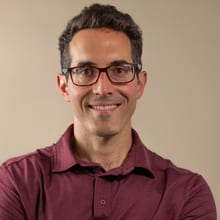
Description
In this episode of the Bendy Bodies Podcast, Dr. Linda Bluestein speaks with Dr. Matthew Watto, an internist and co-host of The Curbsiders podcast, about how patients can work effectively with their internist to get the best care. They discuss how internists think, why appointment times are limited, and strategies for getting the most out of every visit. Dr. Watto shares behind-the-scenes insights on primary care challenges, chronic pain management, and the medical system's limitations, while also offering practical tips for improving doctor-patient communication. If you've ever felt frustrated navigating the healthcare system, this episode provides game-changing strategies to help you get the care you need.
Watch
Guests
Transcript
[00:58] Dr. Linda Bluestein: Welcome back, every bendy body, to the Bendy Bodies with the Hypermobility MD podcast with your host and founder, Dr. Linda Bluestein, the Hypermobility MD. Today I am so excited to speak with Dr. Matthew Watto. Dr. Watto is an internist and he is a co-host of the podcast The Curbsiders. It is important to have empathy, compassion, and understanding for your internist so that you can learn how to work with your doctor and get better care. Dr. Matthew Watto is an internal medicine nerd, clinician, educator, and podcaster. He is a clinical associate professor of medicine at Sidney Kimmel Medical College, an adjunct associate professor at Uniformed Services University, and has received numerous teaching awards.
In 2015, he co-founded The Curbsiders, a weekly internal medicine podcast that uses expert interviews to bring listeners clinical pearls, practice-changing knowledge, and lots of bad puns. The Curbsiders team uses its platform with over 100,000 active monthly listeners to bolster frontline clinicians caring for millions of patients across the United States and internationally.
[02:01] This is such an important conversation because for so many people, their internist is going to be their primary care doctor. And so it's essential to work with your primary care doctor in a way that can get you the care that you need. As always, this information is for educational purposes only and is not a substitute for personalized medical advice. Stick around until the very end so you don't miss any of our special hypermobility hacks. Here we go.
[02:28] Okay, well, I'm so excited to be here with Dr. Watto today. How's your day going?
[02:33] Dr. Matthew Watto: My day is going well. On our show — The Curbsiders — we always do a pun to start it off. I just feel like it starts things off with a good energy. I typed into ChatGPT, can you give me some puns based on flexibility and hypermobility? I promise they're not great, but we'll try them out. If you like puns, it'll be good. If you hate puns, it'll also be good. So, first one: people say I'm too flexible, but it's not my fault that I like to bend the truth. And then the other one: I told my wife I was too flexible and she said, that's a stretch.
[03:24] ChatGPT is still working on it. Usually we start off doing puns that were related to the topic at hand, and then after getting to hundreds of episodes in, I just try to find any pun that makes me chuckle. But for today, I tried to keep them relevant to the topic.
[03:43] Dr. Linda Bluestein: I appreciate that. I have heard that on your show, and I think that's a cool way to start. I like it.
[03:45] Dr. Matthew Watto: You've got to come into it with a good energy, excited to record. So thank you so much for having me, and I'm excited to talk with you.
[03:59] Dr. Linda Bluestein: Yeah, I'm super excited to talk with you because I know so many people are so frustrated about how to get better care, how to work with their internist in a way that is really helpful for them. And I know that you talk about so many amazing topics on your podcast, Curbsiders. It's such a great show. I know I've learned a lot from listening to it, and I hope people will go check that out. We'll be sure to link your show in the show notes so people can check out your podcast also, because it is really important and you cover so many great things.
[04:30] Dr. Matthew Watto: I appreciate you saying that. Much like your show, we try to make it practical. We try to make it pertinent — our audience has these pain points, so to speak. They're seeing patients with certain complaints. They might not know how to handle it. So we try to get an expert in who can teach us how they would handle it. That way, in primary care — and we have hospital medicine shows too — we can help people help their patients more. It's a really great format to do that, which is why I think podcasting works so well for medical professionals.
[05:06] Dr. Linda Bluestein: Yeah, podcasting is a great way to teach, for sure. So can we start out by talking about what an internist does and what role they might play for the person who has a connective tissue disorder like hypermobile Ehlers-Danlos or hypermobility spectrum disorder? Oftentimes they're trying to assemble their team, if you will, and I think it would be important for people to understand right off the bat what that means and what kind of role that person might play.
[05:37] Dr. Matthew Watto: It's a little hard sometimes to explain an internist to people. They're like, what do you do? I usually say I'm a primary care doctor. Sometimes I work as a hospitalist. Or I might say, if someone's admitted to the hospital, we take care of pretty much anyone who's not on a surgical service. So we can take care of just any host of things — high blood pressure, diabetes, cholesterol, infections, heart failure, kidney failure. Really a lot of work, sort of like the undifferentiated physician.
[06:08] And then you can go into subspecialties — you can become a kidney doctor, a heart doctor, a lung doctor — all from starting as an internist. So you're kind of a generalist, but you see adults, you don't see kids, and you see pregnant women, but you're not taking care of pregnant women in the hospital the way a family medicine physician would be.
[06:29] Dr. Linda Bluestein: Right, so that's an important distinction between an internist and a family doctor, right? The family doctor will handle all ages, whereas internists are going to be managing adults.
[06:36] Dr. Matthew Watto: And I should say to your audience, in full disclosure, we have very poor training in hypermobility and Ehlers-Danlos. We've heard of it, we know it's out there. I was talking to my partner on Curbsiders who, throughout his career at some points, ended up with a panel of a lot of patients with hypermobility and pain from that. So he's a little more familiar with it than I have been. But it's something that I think internists should know more about.
There are definitely training gaps. When I was going through training, there was no training in addiction medicine — that's actually becoming fixed very rapidly now, just because there are so many patients that need our help, and we've by default become comfortable with it. I think for hypermobility, that's maybe something internists should become more familiar with. In med school, I can't remember a single lecture on it, and going to national conferences for the past 8 or 9 years, I don't remember attending a lecture on it — and I probably would have if I'd seen it, because it would be such a unique topic.
[07:49] Dr. Linda Bluestein: I would love to connect with you offline about that because I would love to submit a lecture to do at one of those conferences. Up to 3% of the population may have hypermobile EDS or HSD, and so this is a huge percentage of people. I'm sure they're overrepresented in your clinics — it's not 3% of the visits, they're probably many, many more than that because they're having so many different symptoms and problems.
[08:19] Internists definitely need to be as familiar as possible. What I say all the time is, these patients are coming to your clinic, you probably just don't realize it, and no one else has made that association either. I personally have hypermobile EDS, and I had been to my physical medicine and rehabilitation doctor, I'd been to multiple orthopedic surgeons, and even if they did measure my joint range of motion and they would say, oh, well, it's way higher than normal — they would never say what that could possibly mean, or think, okay, this person has complaints in other parts of their body, maybe I should refer them to a rheumatologist, which ultimately is how I got diagnosed.
[08:55] I do think it's such an important thing for people to recognize because, unlike the myth that there's nothing you can do, there really is a lot that you can do. The internist — which is why I'm excited to have you here — can really play a very significant role in the care of these patients. And I try to explain to patients all the time, you can't expect the internist to be an expert in this because they have to be an expert in so many things. But having some awareness, I think, would be really important.
[09:32] Dr. Matthew Watto: I think that's true. Part of what has made me do a podcast on internal medicine for the past 9 years is that I learned that so many patients are waiting to see a specialist or just don't have a relationship with a specialist. When we can learn the majority of the workup, get them like 80% of the way there for a lot of topics, start the workup — we can interact better with the specialists if we have at least a core base of frontline knowledge. That's definitely something you can expect from your internist, or something we should aim for with this condition.
[10:13] Someone like myself — this has spurred me to start doing more learning when you reached out to me, because I admitted it's not something I knew much about. I've heard about it, but it's something that we could easily do a lot better with than we are now, because right now we're doing terribly. We could definitely do better.
[10:36] Dr. Linda Bluestein: Yeah, I agree. There's so much room for improvement. And again, when people say, oh my gosh, my doctor didn't know how to pronounce it, or they were looking it up on Google — that's great that they were looking it up on Google. And if they didn't know how to pronounce it, that's okay. That doesn't mean they're not going to be able to help you.
[10:54] Dr. Matthew Watto: Yeah, absolutely.
[10:57] Dr. Linda Bluestein: So in general, for internists that are within the insurance-accepting world — how long would you say the average appointment is for a returning patient and for a new patient?
[11:15] Dr. Matthew Watto: It's definitely variable. In my experience, for returning patients, it's usually 15 to 20 minutes. For new patients, you might have 30 to 40 minutes, or if you're lucky, an hour. But most places are like 30 to 40 minutes with a new patient.
[11:37] In some clinics — some family medicine clinics, I've heard — you have 5 or 10 minutes. I've even had some patients who are physicians say that they went to their primary care and the primary care said, okay, you're here for a physical, we can't talk about any acute complaints.
[11:54] Dr. Linda Bluestein: Right, right.
[11:55] Dr. Matthew Watto: They sort of limit that visit. Because I've always worked in academic medical centers, there's a little bit less pressure to see high volume, so I've always had the luxury of a little bit more time with my patients. I think 20 to 40 minutes — in 20 minutes I can usually do a follow-up if I've done a bunch of preparation ahead of time. If you run a little over, it's okay. And 40 minutes, again if you've done your work ahead of time, whatever you can learn about the patient before they get there, you can do a pretty good visit and address a couple acute concerns.
[12:32] But once you start to get down into those 20 minutes or less, if someone has a bunch of complaints or they have a big emotional thing to talk about, it's just unrealistic and the person's not going to feel heard, probably leaving that visit.
[12:46] Dr. Linda Bluestein: Yeah, and I've definitely been on the receiving end of that. Like you said, you're coming in for a general checkup, and you have a pressing concern, and nope, can't talk about it right now. That's always challenging. So you just brought up academic medicine — what are the different types of practices, and why is that important for patients to understand?
[13:10] Dr. Matthew Watto: In academic medicine, if you're seeing someone who's in academics, it probably means they're spending a lot of their time with trainees, whether they're medical students or medical residents. So they're not going to be in clinic 8 or 9 half-days a week. They might only be there 4, 5, or 6 half-day sessions, and their time is going to be a little bit more fragmented. But they might have less of a time pressure to see high volume because they're not expected to be these sort of workhorses.
[13:46] Sad as it is, this is my cynical view of how the system largely works: if you're in primary care, they want you to see as high a volume as possible — as many patients as possible — because you don't get reimbursed a lot per patient, so they just want you to see a lot to make a lot of money. And for surgeons, you want to keep all your surgeries booked, max out as many procedures as possible.
[14:15] If you own the CAT scan machines and MRI machines, keep them running 24/7. Unfortunately, that's kind of how things are incentivized. Some practices you can tell — you can feel it when you're there, that they're just rushing through things as fast as they can. I like to think that some of the practices I've worked in, because it's academics, they're a little bit sleepier. You get a little bit more time with the patients.
[14:41] It might be frustrating that you can't get a same-day visit — I think that's always hard in any practice. So we do more telemedicine for some of that stuff, just to try to at least have contact with the patient and make them feel that even if you can't see them in person that day, you can do a telemedicine visit. Did that answer your question? I could go on about this stuff forever.
[15:05] Dr. Linda Bluestein: Yeah, no, that's great. So you're in academic medicine, in an institution where medical students and residents are being trained. That's different from a private practice where, depending on who's overseeing the clinic, there could be that higher-volume type of situation. I'm thinking for a patient who's trying to figure out who they should see — are there certain questions they should ask if they feel like, I'm kind of complicated and I really want more time with my doctor?
[15:37] Dr. Matthew Watto: I think they should definitely ask about how long the appointments are for new patient visits and follow-up visits, because if follow-ups are 30 minutes and new patients are 60 minutes, that's better. More time with your physician is better.
[15:59] You can ask things like, is this a training site? Because if doctors have trainees following them, they might have a slower schedule and more time to spend with the patient.
And then there are concierge practices — sometimes called direct primary care. That's where you have some sort of fee you pay, almost like a retainer. It might be $2,500 a year. If an internist has a panel of 1,000 patients and each one is paying that retainer, that allows them to only see 10 or 11 people a day, spending an hour per patient. They usually guarantee seeing you within 24 hours. Obviously you have to be privileged enough to afford the retainer. But if you're someone who's complicated and you have the means, those are often good to look into because you have a lot more access. Your internist might even follow you in the hospital if you get hospitalized, which is not a common practice anymore.
[17:12] Dr. Linda Bluestein: Right. Medicine has changed so much since I graduated from medical school and went through residency. It used to be that your primary care doctor did follow you into the hospital. Now we have hospitalists who stay in the hospital — well, they don't live there, but they might feel like they do. I remember — I think my husband interviewed there, not me — apparently at Baylor, they had a line and you weren't allowed to cross it if you were a surgical resident, supposedly, except for once every 6 weeks. Crazy. Things have changed a lot, that's for sure.
[17:59] So the hospitalists now work at the hospital, they don't have their own patients or their own practice. But that's a huge advantage if you are complicated and can afford it — if you do get hospitalized, that person might actually come and see you in the hospital and help guide your care.
[18:21] Dr. Matthew Watto: There are a couple of rare groups now that will still follow their own patients in the hospital. So you could ask about that — if I get hospitalized, will this group follow me? It's still around a little bit, but it's really not common. Hospitalists basically just get randomly assigned patients as admissions come through the ER. If you're unfortunate enough to be in the hospital all the time, you might start to get to know some of the hospitalists, but there's really not the continuity there.
[19:00] In general, I would say the communication to primary care physicians is not great. Sometimes they'll call you as a primary care physician, but I work in primary care and it's super rare for me to get a call from a hospitalist. I may sometimes reach out to them because my patients are often being admitted to the same hospital my clinic is attached to. But communication in general in healthcare could be a lot better if people were incentivized to talk to each other more. I'm pretty liberal with calling somebody, or texting somebody and saying, here's my cell phone, please call me back, I want to talk to you about this patient. We need more of that.
[19:49] Dr. Linda Bluestein: Yeah, definitely. And it's also interesting because my husband, who's a urologist — when he retired, his practice actually started doing a uro-list. So like a hospitalist, but for urology.
[20:04] Dr. Matthew Watto: Oh, wow.
[20:04] Dr. Linda Bluestein: Yeah. So things have evolved even within some of the specialties, where they have somebody who stays in the hospital rather than going back and forth, because that would happen to him all the time. If he was on call, he'd be in the clinic and then he'd have to run over and then run back, and it was incredibly disruptive. His whole clinic would be delayed for the rest of the day. Maybe he would have a longer time blocked out for people, but now all of a sudden staff is going to leave at 5 o'clock, so now you have to get all these people in before the end of the day. Tough.
[20:34] Dr. Matthew Watto: I will say to the patients that are listening — I think everybody that goes into medicine, I mean, there are better ways to make money in the world. Everyone that goes into medicine goes in wanting to take care of people. And then the system just sort of warps things and changes things. You're part of a system that should be patient-centered, that should be geared towards patient outcomes. Maybe health systems will tell you that's their motto, but unfortunately at the end of the day, a lot of things are just incentivized against the patient.
[21:12] It is tough. It's a challenge for us even trying — you come in wanting to do right by patients, but it's just hard in the system. You only have so much time in a day, you're feeling rushed, there's this pressure to get people out of the hospital and see as many patients a day as you can, and it definitely erodes the quality of care. So that's how it is. Hopefully it will change.
[21:39] Dr. Linda Bluestein: No, I totally agree. And I think the other thing that's really challenging is — at least for me, when I was working as an anesthesiologist fairly early on in my career, I was raising children also. With the spare time I had, I was with my family, and I was working full-time, so I wasn't able to do as much reading. Of course I did all the mandatory CME hours, and I'd go to conferences and things like that. But it's not like now, where I don't have children at home anymore and I can spend a lot more time reading and do more of the things that I feel enhance my ability to take good care of my patients.
[22:17] When doctors are young and fresh out of training, they probably have a massive amount of debt, so they often end up taking jobs that will help them pay off that debt. I think a lot of patients — especially the complex, chronically ill patients — really get caught in the middle of that and suffer the most because it's just so challenging. Those doctors, like you said, they're seeing a high volume of patients, they're not able to take care of themselves because they're raising children or whatever. I think it's important for people to understand that. Every medical student I've ever worked with — and I've taught in a medical school not too long ago — they want to take care of people. Their heart is absolutely in the right place. But the training and the systems we work in are really damaging for that.
[23:07] Dr. Matthew Watto: Yeah.
[23:09] Dr. Linda Bluestein: Well, let's talk about what are often called practice extenders — physician assistants or nurse practitioners. I feel like this has also evolved over time where they didn't used to really be around at all, as far as I know, but now there are a lot of physician assistants and nurse practitioners, and there are different types of practice models. Sometimes patients might see that person first, and then they see the physician, and other times that's all that they see. I believe there are also differing state regulations depending on how much independence they can have. Do you think there's a way to help patients know when it's a good idea to see a nurse practitioner or PA and have that person guiding their care versus when no, you really need to have a physician involved?
[23:57] Dr. Matthew Watto: Sure. I should say we have in our Curbsiders audience a ton of physician assistants and nurse practitioners, pharmacists, people that are just super curious and trying to learn how to better take care of their patients. Part of what I've learned is there's a huge spectrum — just as there is among doctors — of what was their prior experience and what was their training like.
[24:30] Because if you're in a residency program, which I've worked in for the past 13 years, there's a committee of people that follows all the residents in the program, makes sure they're meeting milestones, evaluates their clinical performance. In some of the nurse practitioner or physician assistant programs, it's a little less centralized. They might not get the same quality of feedback and they're not spending as much time in that training environment. So a lot of them — I think a lot of the reason they love our show so much is they come out and they're like, I learned a lot, but I feel like I have so much more I want to learn, and they're consuming podcasts to try to learn about all these conditions.
[25:28] So I think it just depends. I don't think there's any difference in intelligence — there's a difference in how long someone's been in training. In general, the way a lot of practices work is like a cardiology practice: they have nurse practitioners and physician assistants who will see a lot of their follow-ups, manage heart failure, manage atrial fibrillation. If it's a new patient with a lot of undifferentiated symptoms, that person is going to see the cardiologist first, and then they'll see the nurse practitioner. In some of the internal medicine practices I've worked, there's not really that much difference between the patients the NP might get and the patients the physician would get. Hopefully the practices are collaborative — if someone feels they're over their head, they can hand it off to someone else.
[26:23] But I don't think you can say just going in the door that I need an NP or I need an MD, DO, or PA. You might — the NP or PA might do a much better job than the MD or DO. It just depends on what's going on and what you need. You kind of have to shop around. You can't really tell until you've met the person.
[26:50] Dr. Linda Bluestein: Well, one thing I often ask when I'm going into a new practice is, how long has that person been doing this particular thing? Because of course, if I suddenly wanted to practice orthopedics, I can't do that — I'd have to go back and do another training program. Whereas, like you said, the training is a little bit different in that regard. I've worked with PAs in orthopedics who are phenomenal. In fact, I've worked with some where basically they were doing the surgery and the orthopedic surgeon was in a more supervisory role — partly because they had been in that specific specialty for that many years and got incredibly good at it.
[27:37] So I think that's an important thing to ask because sometimes, if they've done a few different types of specializations and they're relatively young, that's an important question to ask. But you're right — often they'll have more time to spend with you, which is very common in how a lot of practices are set up, and so that can be really, really beneficial because then you can actually get more of a deep dive into the things that are really problematic for you.
[28:21] Dr. Matthew Watto: Yeah. I mean, in any medical practice, hopefully when you're working with somebody they're listening to you, they have the humility to recognize when they're in over their head, and they need to call for help or get a consultation. That goes for whether it's a physician or an advanced practitioner. I'm always a little anxious talking about this topic because I just want to make it very clear that I'm very supportive of everybody practicing to the top of their capability, where they can safely practice. And over time that will go up — people can gain more independence, gain more skills. That's true for anybody in any job.
[29:14] Dr. Linda Bluestein: Right, absolutely. And like you said, that's something you don't necessarily know right away, but once you meet the person and get to know them a little bit, that's very, very helpful.
[29:23] Dr. Matthew Watto: Yeah.
[29:26] Dr. Linda Bluestein: We are going to take a quick break, and when we come back, we are going to talk about chronic pain — or I like to call it persistent pain, so it doesn't sound quite so dreary — and the role that the internist can play in the patient's care. We'll be right back.
[30:40] Okay, we're back with Dr. Watto, and I'm so interested to hear what you think about the role the internist can play for people with persistent pain. Oftentimes they don't know that joint hypermobility may or may not be a factor. I didn't know for decades that this was something playing a role for me. I did ballet growing up, and it was very helpful to be super bendy, but as I got older, I started running into more problems.
[31:11] A lot of people will initially see their internist when they are having pain — it could be acute or chronic. What do you think is the most helpful way that the patient and the internist can work together?
[31:26] Dr. Matthew Watto: I've been thinking about this topic a lot lately because it's something that I lecture on in my day job, and something that when I first entered practice out of residency, I was very uncomfortable managing. So I really wanted to learn as much as I could about it. One of the first episodes we did on the podcast was fibromyalgia with the fantastic Dr. Clauw from University of Michigan.
[31:53] Dr. Linda Bluestein: I know him well. Yes.
[31:54] Dr. Matthew Watto: He's a great guy and he taught me a lot about chronic pain. From there I've just tried to keep up with things. Hypermobility is something I'm going to have to add to my history-taking when I'm taking a history for pain.
[32:13] I do think it's really important for anyone with chronic pain. I always tell them, listen, you've had this pain for a long time. It's going to be hard. It might take us a little while to figure out what's going to make you feel better, whether there's an underlying cause we can identify or not. But I'm going to work with you. I think you just have to give the patient that sense of, okay, this person is going to partner with me, they're with me for the long haul. I will see them frequently — maybe once a month, maybe every 3 months — but it's not someone I'll see once a year and just throw some meds at and send away.
I'm usually taking a full history, and this biopsychosocial model — I don't think it's outdated. What most physicians are trying to do is just address the biological piece of it. They're not asking anything about the patient's social history, they're not assessing their mood and their sleep and all these other things that factor into pain. So I always try to go in depth: who is this person? What's gone on with them medically? What's going on emotionally? What's their home environment, their work environment like? You may have clues there that help you out.
[33:32] Dr. Linda Bluestein: Yeah, I totally agree. With the biopsychosocial model, there are people who are very much practicing the biological side, and people who are practicing the psychosocial side, but blending those together is what's really important. The approach I take has an acronym — MENSPMMS — and those letters stand for movement, education, nutrition, sleep, psychosocial modalities, medication, supplements. Those are the 8 parts I try to incorporate into every comprehensive treatment plan, because like you said, it's not just, here's a prescription and your pain is all going to be gone. That's not how that works. So do you see patients with chronic pain very often?
[34:14] Dr. Matthew Watto: All the time, yeah. It's not every single person I see, and I'll be honest, it's emotionally draining for us too. The patients have that feeling of helplessness, and often there's this transference where you're like, I'm trying my best, I can't think of things, or I'm suggesting things but they're not working. It's hard on all parties involved.
[34:41] But yes, any physician practicing primary care is going to have patients with chronic pain — whether it's migraine headaches, fibromyalgia, chronic joint pains, chronic back pain. Those are some of the really common ones. I'm probably going to have to have all my internist friends reexamine their panels for who might have hypermobility that we're missing. But yes, it's definitely something we see and think about.
[35:19] Dr. Linda Bluestein: Yeah. The symptoms that can come along with connective tissue disorders are so widespread. People will come in complaining of fatigue, dysautonomia-type symptoms — they may or may not meet the criteria for POTS, postural orthostatic tachycardia syndrome, but they have orthostatic intolerance. They get dizzy when they stand up, they've got the black shades coming in, they're presyncopal, or perhaps they even have syncope. And GI problems — GERD, small intestinal bacterial overgrowth, diarrhea, constipation, food intolerances, allergic-type phenomena.
[35:58] So if a person comes in with those complaints — I feel so fatigued, I have all this pain, and I have these problems with my stomach — the internist, especially if they have a shorter amount of time, is going to be pretty overwhelmed with all of that. I love that you're already thinking about ways to screen for this population, because you're right, it can be really exhausting. But at the same time, when you can work with that person and actually help them feel better, it's so rewarding for you and for them. They've been sick for such a long time, so they're so happy if they can finally start to feel better.
[36:42] As I'm describing that type of patient — that's who I see every day that I'm seeing patients. I have a very small part-time medical practice. Does that sound familiar? Are you seeing people who kind of fit that description?
[36:59] Dr. Matthew Watto: Yeah, definitely. Irritable bowel syndrome, of course, GERD — GERD is super common — small intestinal bacterial overgrowth. That's actually a topic we're working on an episode about right now. But yeah, before listening to some of your shows to learn about this, I had not really made the connection with hypermobility at all. And it's not — for whatever reason, people aren't coming in saying, hey, I'm double-jointed and I have chronic pain, do you think there's a relation? It's just not in the public awareness enough for people to be coming in with those kinds of complaints.
[37:55] I guess the work you're doing is helpful because you're spreading awareness of it, and eventually more people are going to learn about this and hopefully more diagnoses will be made and more people helped. There are so many times you get this constellation of symptoms and you're trying to figure out what could this be. You do lab testing, and I think what your audience probably knows is that if you order conventional labs thinking of only conventional diagnoses, a lot of times they're just going to come back normal. And then you're going to say, the workup we've done is normal, so I don't know what to tell you. And I think a lot of people have probably run into that.
[38:41] Dr. Linda Bluestein: Yeah, they definitely have. And it's true for labs and it's also true for imaging, right? Because most imaging is done statically, and often in a position that does not exacerbate the person's problem. They could be getting a supine MRI, for example, when really what they need is something that shows motion.
[39:06] It's really, really fascinating because I feel like if we just changed the way we described things — rather than implying, your labs are normal, your imaging is normal, it must be in your head — instead, if we were to say, like what you just said, for the things that we were screening for with the labs and the imaging, we didn't find anything worrisome there, but I believe you, and I'm going to help you with the symptoms you're struggling with, and we can always dig deeper if we need to later, but let's start working on some things we can try. So they feel like they're being supported and not told, X-rays were normal, therefore you're fine. Every test has limitations. We don't tell people that.
[39:55] Dr. Matthew Watto: My friend Dr. Iris Wang is a GI doctor, and she actually does hypnotherapy for irritable bowel syndrome and dyspepsia and a bunch of disorders of gut-brain interaction. She tells her patients, listen, I'm going to do some testing. I think what you have is irritable bowel syndrome. I expect this testing is going to be normal. But that doesn't mean there's nothing wrong. So she sort of says the testing being normal tells me I think I know what's going on with you and I know how to treat it.
[40:41] Like you're saying, we need to reframe things. I think what's really frustrating for a lot of patients is — and I think we've learned about this in the past 5 years, at least I have — a lot of people are trained in medical school to basically follow the party line. Whatever these big organizations say, if it's in an expert guideline, you follow it. Don't think for yourself. And I think people are starting to think more for themselves and say, well, wait a minute, these big organizations get things wrong sometimes. The scientific method is such that you need to constantly say, there's new information, I can change my thinking based on this. Medicine in general needs to get a lot more humility and start to accept that.
[41:52] If you ask me what has changed most about how I think about my profession in the past 5 years, it would be just investigating things for myself. We do a journal club on Curbsiders where just because a new drug got approved and they had positive results, I'm very skeptical about whether I'm actually going to prescribe it for my patient, because I know it is very easy to make a trial a positive trial. Do we care about the endpoints they pointed to? That's where I'm at. As a person and as a physician, I like to constantly learn more, constantly evolve, and not hold on too dearly to any of my current beliefs because they might change.
[42:41] Dr. Linda Bluestein: Yeah, I think that's such a great attitude to have. And there are no FDA-approved treatments for hypermobile EDS, so if we were to go strictly off of that, we would not prescribe anything.
[42:54] Dr. Matthew Watto: And that would be an insane way to go, correct?
[42:56] Dr. Linda Bluestein: It would be ridiculous because in the meantime, people are suffering, and there are things we can extrapolate from other conditions. Yes, it's important to read the double-blind randomized controlled trials and look at the evidence, but it doesn't all have to come in that form of a big study. And like you said too, things can get approved that are not necessarily the best idea. Sometimes I say, let's wait a little while and see — as this gets prescribed to more people, with much larger numbers, even though they went through phase 1, phase 2, phase 3, are there other side effects going to come up that we would really, really want to avoid? So yeah, those are really good points.
[43:47] Dr. Matthew Watto: And part of what we need to realize too is that certain trials don't get done if there's no financial incentive. If it doesn't make sense financially, if it's too expensive and won't pay dividends down the line, they won't do it even if it would ultimately give us good information and benefit patients. So sometimes you just have to practice based on a hunch, while of course trying not to harm the patient. You're letting them know — here's in theory why this may or may not work, here's what we know, here's what we don't know, the risks, the benefits. That's kind of how you have to practice. If there's no strong trial to guide what you're doing, that's the best that you can do. You're essentially running an experiment on the patient with their consent and trying something, and then reassessing. That's the way to go.
[44:48] Dr. Linda Bluestein: Yeah, and I don't remember what the percentage is in terms of how much we're using things off-label, but it's very, very high, right? The drug gets approved for some other condition, but like you said, the drug company doesn't pay tons of money to go back and get it approved for another indication because that's really, really expensive and oftentimes not necessary. We can prescribe things for a different condition, with the patient's consent and all of that. So it doesn't mean the drug isn't safe — it just means it didn't go through those steps for that particular condition. That's an important distinction.
[45:26] I also want to come back to something you said earlier about testing. One thing that I feel gets misunderstood a lot is functional GI problems — I was once diagnosed with a functional knee problem. I've been diagnosed with hyperalgesia of my gastrointestinal tract and functional GI problems. I feel like people automatically think, oh, it must be in my head. Now, of course, at the end of the day, that's where we sense everything. But "in my brain" versus "I made it up" are two different things. When it comes to functional gut problems, for example — would you agree that that's related to function, not structure? And so we should not be assuming the doctor is saying it's in my head?
[46:21] Dr. Matthew Watto: Oh yeah. You should really reach out to Dr. Iris Wang — she's fantastic. She wrote a children's book called Boo Can't Poo to help kids with bowel movements. She's hilarious and she's the expert on this. But yeah, like I was saying, when they do an endoscopy they're looking for structural problems, they can do biopsies, but they're not necessarily watching how your stomach moves and how it distends when you eat something. That's hard to measure.
[47:01] She alluded to me last time we spoke about this that there may be some things in research where they're trying to better diagnose functional dyspepsia — where people feel full too early or feel uncomfortable when eating — because the function of the stomach is just not working the same way. Those patients may be hypersensitive to stimuli that really don't bother other people, and that is a physical thing. We just don't have tests to measure it.
[47:41] Dynamic studies are a lot harder to do. We have a barium swallow, which is where you're in an X-ray machine and you swallow some radio-opaque liquid and they can watch it travel down. That's one of the few functional GI tests I can think of. I know they have another one where they put a balloon with saline into the rectum and have the person try to pass it, and I think you're sitting on like a glass or see-through toilet. I hope I never need that study.
[48:14] Dr. Linda Bluestein: Yeah, me neither.
[48:15] Dr. Matthew Watto: But it is like they have some functional tests. You can imagine a lot of people aren't signing up for that one. These conditions are very common, they can be treated, but the conventional tests just won't show them. It's very well documented — they call it disorders of gut-brain interaction.
[48:37] Dr. Linda Bluestein: Mm-hmm.
[48:38] Dr. Matthew Watto: We talked about the biopsychosocial model. For this, the signaling between the brain and the gut is just not working the way it should. It's become maladapted. Normal stimuli that wouldn't bother some people are causing you great pain, and that's the way it is.
[48:59] Dr. Linda Bluestein: And I hadn't thought about this before, but a lot of my patients have had gastric emptying studies. You eat radioactive oatmeal or eggs or whatever, and then they're watching that pass through the GI tract. So that's another functional type study. We know that the sympathetic nervous system — fight, flight, or freeze — and the parasympathetic nervous system — rest, digest, restore — are going to affect the function of your gut. So if you're particularly anxious when you go in to have that test, is that going to alter your results?
[49:29] Dr. Matthew Watto: Yeah, good point. I have ordered that test for patients, and sometimes it's pretty much a slam dunk — it shows gastroparesis. But other times you can almost just from the clinical history get a pretty good sense of whether someone has gastroparesis or not. That condition can really be terrible for people. Some of the most uncomfortable patients I've seen have had that condition.
[49:59] Dr. Linda Bluestein: Yeah, interesting. And what about long COVID? Do you see a lot of long COVID? A lot of people with hypermobile EDS or HSD and/or dysautonomia or mast cell activation syndrome either have had persistent symptoms related to COVID, or they had a COVID infection and that really just led to a spiral of their other symptoms. Is that something you've seen much of in your patients, and have you been able to successfully treat it at all?
[50:36] Dr. Matthew Watto: I'll be honest, I haven't seen as much of it as I've read about. We've done Curbsiders episodes on it — it's been a couple of years at this point. I definitely have had patients who had weeks to months of protracted brain fog and respiratory and cardiopulmonary symptoms after a case of COVID, dizziness and things like that. But it's been less and less as we get further out from what I call OG COVID — the original, big bad version — because back then I was seeing a lot more of it.
[51:19] I'm sure for your practice you're almost like a specialist — you're going to see more of it because people know to go to you for that, the same way a cardiologist sees more heart failure and AFib. So I don't see as much right now, but how about you and your practice? Is it still a pretty common diagnosis?
[51:44] Dr. Linda Bluestein: Yeah, I see it quite commonly — less so in the last couple of years, I would agree. But definitely people report that they were doing quite well until something specific happened, whether that was a concussion, a car accident, or getting COVID. So yeah, it varies with the person. But I'm still seeing a fair bit of that.
[52:13] Dr. Matthew Watto: That's another one where my big takeaway from our discussion with the expert was that you sort of prepare the person ahead of time: we're going to do testing, it very well likely will not find a specific thing, but that doesn't mean what you're experiencing is not real. It just means we don't have the right test to diagnose it, and we're still going to work to treat your symptoms and get you feeling as good as we can. Most of the big hospitals here in the Philadelphia area each had their own long COVID clinic, which was usually multidisciplinary between cardiology, pulmonary, physiatry, those kinds of things.
[53:00] Dr. Linda Bluestein: We kind of started out this way, but I want to circle back to the healthcare system and how patients can work as well as possible with their internist and with their whole team. What problems do you see arise when people are seeing doctors from multiple different healthcare systems, and what can be done to try to mitigate that?
[53:22] Dr. Matthew Watto: I would ask your physician to have a conversation with your other physician — or nurse practitioner, PA, whoever it is — because making people talk to each other can definitely help the situation. So if I'm seeing somebody and they're upset, or they don't understand what's going on, or I don't understand what's going on with the specialist they're seeing, I will call that office, leave my cell phone number, and say, please call me. I just want to talk it through so that I can better work with you and better counsel the patient, because sometimes people use a whole bunch of medical jargon when they're talking to patients, or they don't take the time to explain it. So I think asking your physicians to talk to each other is important.
[54:14] And if you know there's no electronic records connection — the Philadelphia area has record sharing between most of the major health systems, which is helpful — making sure you get copies of the images and the office notes so you can bring them to your physician is really helpful. We can have as much information as possible when we're trying to figure out what to do.
[54:45] Dr. Linda Bluestein: Yeah, I suggest that people have several different documents — a medical binder that has every significant doctor's note (the full encounter note, not just the summary), all the imaging studies especially if they were positive, organized with tabs for imaging, lab results, and things like that, either in reverse chronological order or oldest to newest, whichever you prefer. But also have a one-sheet summary that has your medications, your allergies, your most significant diagnoses with an ICD-10 code if possible.
It's hard, and we put a lot on patients. I have a very small practice, so I'm not on Epic — I can't afford it, it's way too expensive. I have an EMR called CERBO, but it doesn't integrate with anything else. So the patient really is that continuity, that thread. If they can have their history and all of their documents as organized as possible, then we're not having to wait until we might consider getting another MRI of the brain when actually they had that done not that long ago. That's very important.
[56:05] And then sometimes people get conflicting recommendations. Besides talking to each other — which is absolutely ideal — do you have any other suggestions for patients if they've seen multiple different people and gotten different recommendations?
[56:28] Dr. Matthew Watto: That's challenging because, I mean, you can just see in life right now that with the same set of facts, you can get very different opinions. There's no magic about medicine that prevents the same thing — you can give the same set of facts to multiple different people and they will come to different conclusions and make different recommendations. So you have to understand that. It's good to get a second and third opinion, but you just have to understand they might not all be the same.
[57:04] At some point you're going to need to make a choice about who's giving you the better vibe — who makes the better case for why we should do one thing or another. I would just say to patients: if you have a good internist, or just a quarterback doctor — or advanced practitioner — that you trust, let's say you need an ankle surgery and you're getting two different opinions. Talk with your internist about it. Maybe they need to make a call and talk to one of those people. That's the way to go. If you have nobody you trust, nobody you have a long-term relationship with in medicine who can advise you, it's hard to know what to do.
[57:53] Dr. Linda Bluestein: And patients often want to know when they should switch doctors. I often say, if you're feeling like he's just not that into you — like the movie and the book — that's a sign. But do you have any tips for when people might know this isn't a good fit and it might be time to look for somebody else?
[58:16] Dr. Matthew Watto: Well, you really boiled it down there. There's not a whole lot to say beyond that. But I think if you feel like they're not listening to you — some people want a physician that's more directive and just tells them what they think should be done. We talk a lot about shared decision-making in medicine now, where you're sort of admitting to the patient, look, here are the facts, you could do this, you could do that. I'll say, I think this would be best for these reasons. I don't have a problem telling a patient, if you were my family member or if I were in your shoes, here's what I would do.
[58:59] But I think if they're constantly pushing you to do things you don't want to do, or they're not listening to you, then it's probably time to move on. The paternalistic medicine days are largely gone in this country. I know I've worked with a lot of international trainees, and in some other countries it's still very paternalistic — partly a function of health literacy being very low, where only the people in medicine know anything about health. In the US, people have such access to information that your average healthcare consumer is savvier, and that's why shared decision-making here makes more sense.
[59:44] Dr. Linda Bluestein: I'm so glad you pointed out about working with international trainees. We did a survey recently for the podcast listenership, and surprisingly — this surprised me — 20% of the listeners were healthcare professionals, which I was really happy about. But a lot of people also requested that we talk more about international problems. I've only ever practiced in this country. I do have patients who have come to me from other countries, but I otherwise don't have a lot of exposure.
[1:00:29] Do you have any particular tips that would be different for people living outside the U.S.? I actually had a patient — or technically a client, because I do coaching also, working with clients who can't come to see me in person in one of the states I'm licensed in. She had moved from Canada to the U.S., and she was raving about the healthcare in the U.S. She's going on and on about all these things that in Canada she doesn't have access to, and how if you have EDS in Canada, they basically tell you at some point it's going to become a palliative situation, you go on their version of hospice, and then you die. And she's like, what? She's in her 30s, and she's a healthcare professional herself. So do you have any thoughts for people listening who are in a different country?
[1:01:24] Dr. Matthew Watto: As patients?
[1:01:27] Dr. Linda Bluestein: Yes, as patients. Sorry.
[1:01:31] Dr. Matthew Watto: Well, if you listen to some sources, they would tell you we have a healthcare system that spends too much money for the outcomes we have. But I think what you will get in the US is more power as a consumer. There's a lot — and in general in the world, money opens doors. In the US, hopefully if you're seeing someone, they're going to provide patient-centered care, and there's a lot easier access to specialists than in places with a nationalized health system. They control how many specialists they have, so there are fewer specialists, longer waits. If you want to get an elective surgery, there are much longer waits. In the US it's less.
[1:02:25] I can't say I know that much about how we differ from other international places. I know our drug prices here are way more expensive, which is a shame — just the way the big payers are able to negotiate drug prices is different. So you can expect to pay more for your medications in the US, but you'd have quicker access to specialists and surgeries. You know, if you're waiting a couple years for a knee surgery somewhere else, you could probably come here and get it done right away. This is not an area I would consider myself an expert on by any stretch.
[1:03:07] Dr. Linda Bluestein: Sure, well, as we're wrapping up here, I'll ask you the next question — and you can incorporate that international perspective if any of it happens to strike you. What can patients do to help you help them? We've talked about the crunch for time and how complex things have gotten and regulations. If it's you or another internist, what can patients do that can really help them get better care? I know we've touched on this a little bit already, but yeah, anything else?
[1:03:33] Dr. Matthew Watto: I do think it helps when patients bring a list of questions, because sometimes patients will forget to ask something that was most important to them — maybe because the physician jumps into the visit and says, let's talk about your blood pressure, when really you came in wanting to talk about your knee. So I would bring a list, and I would give your most important complaint up front, even if you're embarrassed to share it, because you don't want to bring that up when the physician has their hand on the door about to leave the room. That does happen a surprising amount.
[1:04:08] The other thing I would like to say is there's a great doctor, Dr. Saul Weiner, who wrote a book called On Becoming a Healer. He's a physician — I believe he's in the Chicago area. His research focuses on when physicians are ignoring patient complaints or things patients say. One of his examples from the book: a woman came in with back pain, and she mentions while talking to the physician, I haven't been able to go get my imaging test because I was taking care of my son. And the physician says, okay, well, please go get the imaging test. But if you had asked — wait a minute, tell me about your son — oh, my son is 27, he has cerebral palsy, I have to lift him out of bed 5 times a day. If your physician doesn't know that you have a 27-year-old son that you're lifting out of bed 5 times a day, they might not realize that's why you have back pain.
[1:05:10] That's just one example of many: your physician should be listening to you, but also sometimes you have to guide them a little bit because people are in a rush, not everyone's taught to be a great listener. And in the long run, it actually saves everybody time to just get those kinds of things out there.
[1:05:37] Dr. Linda Bluestein: Yeah, I love that. That makes sense. We will find that book and link it in the show notes because I think that sounds like a really great book for the listeners to check out.
[1:05:46] Dr. Matthew Watto: And your clinician listeners — it's a really good book, just reminding you why we do what we do and reminding you to listen to your patients because they are giving you a lot of the answers.
[1:05:59] Dr. Linda Bluestein: And if you're not paying attention, you miss it. Yes, that is so, so true. I will definitely buy that book myself. It sounds like a great read. I like to end every episode with what I call a hypermobility hack. Do you have a hypermobility hack that you can share with us?
[1:06:19] Dr. Matthew Watto: I would say if you have a hypermobility spectrum disorder or Ehlers-Danlos syndrome and you're seeing your physician, I would maybe offer them a resource — tell them to listen to Bendy Bodies, ask them to please work with you on the condition. We need to spread awareness about this. In order for your physician to help you, some of us are hardheaded. We need things that bang us over the head a couple of times before it gets our attention and we start to change behavior. That would be the closest I can get to a specific hack — how to get your physician's attention, maybe.
[1:07:09] Dr. Linda Bluestein: No, I think that's great. I love that hack, especially since you mentioned sharing the podcast with them. That's the whole idea. If you're busy, the Ehlers-Danlos Society has a fantastic program called the ECHO program, but most doctors can't take the time to learn about a set of conditions in that depth — even if it affects a significant portion of their patient population — because they have to learn about so many things. So that's where I try to make the podcast accessible: you can listen to it when you're driving to work, and you can pick out episodes that seem most pertinent to you.
So, Dr. Watto, thank you so much. It was so great to chat with you. Before we go, would you be able to share where people can learn more about you, and if you have any projects on the horizon that you want us to know about?
[1:08:01] Dr. Matthew Watto: I would just say thecurbsiders.com is where our podcast show notes are. We have a pediatric medicine podcast called The Cribsiders, we have an addiction medicine podcast, we have a medical teaching podcast, and they're all on there. You can type Curbsiders into any podcasting app and find our show. Subscribe, and we're just constantly — our goal is to make people better clinicians. If you're working in primary care or hospital medicine, we want to make your day easier by giving you a lot of knowledge on a topic, so that next time you see the condition you know what to do, you feel confident, and ultimately patients are benefiting because everyone's taking the best care of their patients.
[1:08:51] Dr. Linda Bluestein: It's a great show and I love how practical it is. Every episode I've listened to, I've loved. I thought it was really, really helpful.
[1:09:00] Dr. Matthew Watto: Well, thanks so much for having me on. This was a lot of fun, and I really look forward to learning more on this topic. I'm not just saying that — this is something I've now identified as a new area. Full speed ahead. Thank you.
[1:09:16] Dr. Linda Bluestein: I love it. That's awesome. That's fantastic. Well, thank you again. It was so great to chat with you, and I know that the listeners are really going to love hearing from you and will have learned a lot.
[1:09:27] Dr. Matthew Watto: All right, my pleasure.
[1:09:32] Dr. Linda Bluestein: I absolutely loved that conversation with Dr. Watto. He is so well-spoken and obviously a really caring and empathetic doctor, and I love the fact that he is training other doctors. I hope that you feel inspired by this conversation, because I feel super inspired and more hopeful for the future. I think more internists being aware of these conditions will be so, so important, and hopefully you learned some tips for how to work with your internist to get better care.
[1:10:02] Thank you so much for listening to this week's episode of the Bendy Bodies with the Hypermobility MD podcast. You can help us spread the word about joint hypermobility and related disorders by leaving a review and sharing the podcast. Please tell your friends, family, and healthcare professionals to listen to the podcast. If you'd like to dig deeper, you can meet with me one-on-one. You can visit the services page of my website at hypermobilitymd.com to learn more. You can also find me, Dr. Linda Bluestein, on Instagram, Facebook, TikTok, Twitter, or LinkedIn @HypermobilityMD. You can find Human Content — my producing team — @HumanContentPods on TikTok and Instagram. You can also find full video episodes up every week on YouTube at Bendy Bodies Podcast.
[1:10:47] To learn about the Bendy Bodies Program disclaimer and ethics policy, submission verification and licensing terms, or to reach out with any questions, please visit bendybodiespodcast.com. The Bendy Bodies Podcast is a Human Content production. Thank you for being a part of our community, and we'll catch you next time on the Bendy Bodies Podcast.