Description
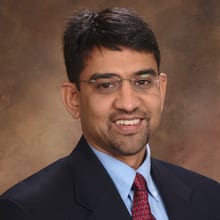
In this enlightening episode of the Bendy Bodies podcast, Dr. Linda Bluestein speaks with otolaryngologist Dr. Shu Das about the unique ENT challenges faced by people with Ehlers-Danlos Syndrome (EDS). Dr. Das shares his expertise on common issues like tonsil stones, chronic sore throats, and sinus infections, while diving deep into how EDS impacts vocal cords, nasal health, and even hearing. He offers practical tips for managing symptoms, from antibiotic courses to alternative surgical approaches. Packed with advice on avoiding unnecessary surgeries and improving overall quality of life, this episode is a must-listen for anyone navigating EDS and ENT-related issues.
Watch
Guests
Transcript
[00:42] Dr. Linda Bluestein: Welcome back, every bendy body, to the Bendy Bodies Podcast with your host and founder, Dr. Linda Bluestein, the Hypermobility MD. I am so excited for you to hear this interview today with Dr. Das. Problems in the ear, nose, and throat are so common in people with EDS, and I am no exception. I'm really excited for you to hear what he has to say about problems in the throat, problems in the nose, and problems in the ears, and what we can do about those various different things.
[01:10] Dr. Das is a U.S. board-certified otolaryngologist with a very impressive bio, so please visit his website to read it in its entirety. He is recognized as one of the nation's best sinus surgeons. He is a former research associate of the Center of Microbial Pathogenesis at the Research Institute, Nationwide Children's Hospital. His NIH-funded research was awarded the 2013 Fowler Award for top basic science research in otolaryngology. Dr. Das suffers from chronic sinusitis following a high school baseball injury and suboptimal surgery. He is committed to providing the best surgical care that can be found anywhere in the United States and across the globe for his patients.
[01:53] Dr. Das is the Chief Executive Officer for the U.S. Institute for Advanced Sinus Care and Research and the Chief Medical Officer for Soundtrace LLC and the co-founder of Zotarix LLC. I'm so excited to chat with Dr. Das about ear, nose, and throat problems in people with EDS, HSD, MCAS, and POTS. As always, this information is for educational purposes only and is not a substitute for personalized medical advice. Stick around until the very end so you don't miss any of our special hypermobility hacks. So let's get started. Dr. Das, it's so great to speak with you. How's your day going?
[02:34] Dr. Shu Das: Oh, it was going well. I ran into some technical problems with this recording that was a bit stressful, but I am so excited to finally get to talk to you about EDS.
[02:45] Dr. Linda Bluestein: We're here now. That's the important thing. And this is such an important topic, and I think so many people are going to find this information so valuable. So I want to thank you in advance for coming to chat with me.
[02:59] Dr. Shu Das: Oh yes, it's my great honor to talk to your podcast, and I'm just so excited to be part of it.
[03:05] Dr. Linda Bluestein: Great. So we know that there are a lot of various different problems that people with Ehlers-Danlos syndromes experience with ENT parts of the body — ENT standing for ear, nose, and throat — and you're an otolaryngologist. Obviously I'll be going into that in the introduction, and people will have already heard that part. But we're going to break that down into those different sections, if you will. So I thought maybe we could start with the throat, and I thought maybe also I should start by asking: for the purposes of our conversation today, do you think that we should lump together EDS and HSD, or do you think that we should be treating those separately? This really should be a conversation about EDS and ear, nose, and throat type issues.
[03:57] Dr. Shu Das: I think lumping them makes a lot of sense from a barrier protection problem that is common to all three — the hypermobility spectrum disorders and EDS and all connective tissue disorders. Some specific things may run with the EDS-MCAS-POTS triad, where MCAS may be more specific to EDS over an HSD. But it's still not clear to me if that's also not relevant to all three. So yes, lumping all three is probably better than not.
[04:37] Dr. Linda Bluestein: Sure. So as we're discussing things, if there's something where you're like, no, this really is — because I'm glad you mentioned mast cell activation syndrome right away, since we're going to be discussing that as well. So we'll jump in and we're going to be talking really about the triad — that combination of things. Can you start by telling us what kind of problems you see in the throat in this population of patients?
[05:07] Dr. Shu Das: Sure. The biggest one I see is frequent sore throats. Also large tonsils, and in particular tonsil stones. I don't have any data, and I've never seen this in a study — just anecdotally, I can tell you that tonsil stones seem to be much more frequent in people with EDS than the average population, along with large tonsils. As a result, obstructive sleep apnea, tonsil stones, chronic tonsillitis, and chronic sore throats definitely seem to be the biggest problems I see.
[05:45] Dr. Linda Bluestein: Interesting. I went through a period of my life where I kept getting recurrent sore throat without infection, and every single time this would start, you're waiting — you're waiting for the rest of the symptoms that tend to come along with that. And I remember somewhere along the way finally going in for an evaluation, and I was literally told by the ENT physician — because I have a diagnosis of hypermobile EDS — I was told by that ENT physician, "Well, EDS does not affect the airway." And I'm an anesthesiologist, and I'm thinking to myself, I'm pretty sure I disagree with you.
[06:24] Dr. Shu Das: Yes. I think a common kind of victim trauma syndrome as part of EDS is realizing that 98% of doctors don't have any familiarity with this disease, and you soon become an expert yourself as a patient, more so than most doctors, and then you really seek out the advice of the few doctors who do have some background with it. And so that has been my experience as well.
[06:52] Dr. Linda Bluestein: Yeah, exactly. Okay, so what about — I feel like another thing that's really common is dysphagia, or difficulty swallowing. And I don't know if that would be appropriate to consider now as part of the throat, or if we should dive deeper first into those things you mentioned — sore throat, tonsil stones.
[07:12] Dr. Shu Das: Sure. Yeah, I definitely agree. Dysphagia and dyskinetic esophageal disorders where you have esophageal dysmotility syndromes are also very common. I completely agree. It's kind of random that ear, nose, and throat takes care of all of your throat kind of anterior to your airway. We don't do the esophagus very much — we let GI do that. And the spine is ortho or neuro. So we're really only kind of half of the throat. And as a result, the esophagus doesn't necessarily come to the forefront of my mind because we tend to refer those patients to GI. But definitely, that is also a huge issue.
[08:02] Dr. Linda Bluestein: And what about globus sensation? Is that something that —
[08:08] Dr. Shu Das: Yes, globus. And globus can come from a variety of problems. Sinus drainage causing globus, chronic tonsillitis and chronic sore throats causing those symptoms from your lingual tonsils being big, and reflux. Silent reflux is a very common problem that can cause globus. Globus is kind of the harbinger of a bigger problem somewhere else, but a lot of causes can lead to that foreign body sensation.
[08:39] Dr. Linda Bluestein: Another thing that I think would be interesting to talk about would be oral allergy syndrome. Can you tell us what that is, and is that more common in this population?
[08:51] Dr. Shu Das: Yeah. The specifics of oral allergy syndrome are kind of changing, so I haven't been fully versed on the latest. But our immune system develops in two ways. One, where we take antigens through the nose and through the skin — and that tends to create more of an inflammatory and atopic kind of anti-response. And things that are taken orally tend to produce a quieting response in a child.
[09:30] We then get this problem, and it's common in EDS, where certain foods and certain tree nuts and vegetables — things that otherwise should have been quieted between the ages of 0 and 2, where our body sees them as healthy antigens — our body slowly develops an immune response to those. And the latest data suggests, and this is why it may be more common in EDS, that if people's skin barriers break down and those antigens get absorbed initially through the skin, then our body will see those proteins as foreign and a problem. So for example, if we're getting exposed to certain fruits or vegetables through our skin more than through eating them — particularly at a young age — we could develop an allergic response. So then when we have that tree nut or that fruit, we can get oral allergy. Oral allergy syndrome is particularly a result of a loss of skin barrier function, we think, and definitely more common in EDS patients and people with connective tissue disorders.
[10:53] Dr. Linda Bluestein: Interesting. So if you have a young child at home — and there are definitely going to be people listening who do — what can be done, if anything, to minimize the chances of that child developing allergies as they grow up?
[11:11] Dr. Shu Das: Oh, that is such a great question. Number one, between the ages of 0 and 1, we need to probably be letting our children eat as many different things as possible. If you have a family allergy to shrimp, it's important that your children between 0 and 1 start to eat shrimp. If you have allergies to peanuts and you're terrified to have peanuts in your house, you need to have your children between 0 and 1 try peanuts for the first time. Exposure — letting kids eat dirt, letting kids eat mushrooms, letting kids eat absolutely everything possible between 0 and 1 — is probably extremely protective from developing allergies.
[12:02] Now, on the other hand, we now know that phthalates and isocyanates — chemicals that primarily come from catalytic converters of cars — are harmful to our barrier production. Exposure to soaps and chemicals breaks down our skin barriers and allows these antigens to pass through our skin, and then our body sees them as problematic or foreign. So another thing is that between the ages of 0 and 2, to minimize baths, minimize soap exposure. The oral hygiene hypothesis and how farmers' children seem to be so much healthier than the rest of the population probably stems from these chemicals breaking down our skin barrier. So we want to eat dirt, and we want to not have soaps wash the dirt off of our body. That is a counterintuitive thing we've really learned in the last decade or so.
[13:02] Dr. Linda Bluestein: That's fascinating. My husband is a surgeon — he's a urologist. He and I are both pretty big germaphobes, and we were when our kids were little. And so if either of my kids are listening to this, they're going to be like, you really screwed us up, right?
[13:19] Dr. Shu Das: Right. You and everyone — nurses or doctors, there is a lot of truth that bad bacteria are harmful. But the world flips once our thymus stops working, which is around the age of 2 or 3. Before the age of 2, we need our kids to be as dirty as possible. And then after 2 or 3, it makes some sense to keep them cleaner.
[13:47] Dr. Linda Bluestein: Okay. And you mentioned the thymus. Could you just explain what that is?
[13:50] Dr. Shu Das: Sure. Yeah, sorry — we take these medical terms for granted. So when we are babies, we have two different types of immune systems that are very unique before we get older. One, before we're born, we have the benefit of getting a lot of our antibodies and protections from our mom. Those just transfer straight into our bloodstream and provide a lot of protection when we're little, also through breast milk. Breastfeeding seems to be protective from an immune standpoint as a child.
[14:30] As long as we don't get anything terrible like a god-awful bacteria or really bad viruses, what is happening between the ages of 0 and about 2 is that we have this gland in our neck called our thymus. It is basically sending blocking antibodies. So everything that our immune system is learning, it's saying, "Hey, not yet — these are fine." The foods you're eating, the rice that you're getting — even random things like the exposures we're getting, the lavender plants and the tree pollen and all the unique things, playing in the grass and eating the dirt — those are all bacteria that are normal and don't create an immune response. That is created by this gland in our neck called our thymus, which is teaching our immune system to not respond.
[15:30] That gland then basically stops functioning on its own by the age of about 2 to 3. And so then everything we see that's new and foreign after the age of 2 to 3, our body is like, "Whoa, this is something I've never seen before. It could be a parasite." Before the year 1500, the biggest killers of mammals and humans were parasites — tapeworms and hookworms and flies flying into our nose and laying eggs in our sinuses. Malaria is still a parasite. But for the most part, in the Western Hemisphere over the last 200 years, we have wiped out parasites.
[16:14] But the massive arm of our immune system is to fight parasites. And so that arm of our immune system, especially when we have no exposures to anything and then we get a little bit of exposure, thinks all these things are parasitic and creates an allergic response. The thick mucus was really meant to block those flies from flying up our nose. So we get thick mucus, or polyps in our nose, or polyps in our colon — to prevent those worms from being able to penetrate our body. Or the itchiness and hives where we're rupturing our skin — that's really to allow the worm to get out of our body. So a lot of the type 2 immune problems that are very common in EDS patients are a response to parasites, and it comes from the lack of barrier function, which allows these chemicals and things to penetrate our body and mimic that parasitic threat.
[17:07] Dr. Linda Bluestein: Wow, that's so fascinating — how our immune system evolves in those first couple of years. And I hope pediatricians are knowledgeable enough about this, because when my kids were growing up we didn't know these kinds of things. So I don't know if they are now, but that's really, really important.
[17:29] Dr. Shu Das: Yeah, you're absolutely right. The history of humanity has swung from one end to the other. Before we had antibiotics — we detected bacteria in the 1880s and developed antibiotics in the 1940s. Before that, we had a lot of infant deaths from bacterial infections. But we have come so far from that, where we have antibiotics in our food systems, we have antibiotic drops given to our babies right when they're born, and at the drop of a hat, the slightest fever, our children will get a lumbar puncture and IV antibiotics right away because we just don't err on the side of any bacterial infection killing our infants. But the downside of that is we've become such a clean society and we're not exposed to any bacteria, and these chemicals break down our skin in a way that tricks our body into thinking we have parasitic problems but not bacterial problems.
[18:34] Dr. Linda Bluestein: I want to circle back to the throat things that we were talking about in the beginning. If somebody says, "I definitely have that recurrent sore throat without infection type of situation," and/or the enlarged tonsils or the tonsil stones — those were the three things you said are most common — what can people do about those things?
[18:55] Dr. Shu Das: Yeah, that's a great question, and tough. As a general rule, I like to tell my fellow EDS sufferers to avoid surgery as much as possible. Our tissue — we have breakdown in our barrier functions, but even more so we have problems in wound healing. And so when we have surgery, our tissue does not heal as well. Our nerves can crosswire. So surgery is a big problem for people with connective tissue disorders.
[19:28] On the other hand, I think the reason people get chronic tonsillitis is that our tonsils actually get bigger. Our crypts are bigger, the tissue is looser, and so they fill and take up a bigger volume, and that can cause obstructive sleep apnea and breathing problems. So potentially there is good reason to have your tonsils removed. Another issue is we have more space in what's called our paratonsillar area or retropharyngeal area where bacteria can hide behind our tonsils and become a kind of chronic infection. Another problem is that the bacteria in EDS patients can get deep into our tissues — they can bypass the surface lining and get deeper in between the cells and inside the cells. So the throat behind your tonsils is a kind of safe space for these bacteria to live and cause chronic problems.
[20:19] For people who suffer from sore throats and chronic tonsil issues, I typically recommend maybe twice the length of antibiotics that another primary care provider might give based on a guideline. People with EDS often need longer antibiotics and heal more slowly from infections than the average person. And then if you did need to have surgery — like you had very large tonsils or it was causing you to not sleep well or to gain weight, which could cause more problems — there is a type of surgical technique called an intracapsular tonsillectomy that a small percentage of our surgeons are using. That makes a lot of sense to me because it minimizes the trauma to your deeper tissues. It may not be as complete a tonsillectomy as the older techniques, but it is much less traumatic, and I think it would serve our patient population well.
[21:24] Dr. Linda Bluestein: That's a fantastic and very specific tip. I love that you said that about recovering from antibiotics. I just finished a course of antibiotics for sinusitis, and yeah, it's no small thing to be on antibiotics, and definitely getting that gut microbiome back is so important. And I wanted to ask about the tonsil stones, because honestly, I totally forgot that I went through a period of my life where I had those. It was really problematic for a while, and then — knock on wood — I don't get them anymore. Have you seen that before, where people have them, but then they resolve?
[22:07] Dr. Shu Das: Yeah, very common. Our tonsil tissue is part of a group of tissue called mucosal-associated lymphoid tissue, or MALT, that naturally shrinks as we get older. By their 20s or so — not EDS patients as much, but the average population — what we call the adenoids, which are the pharyngeal tonsils, shrink. Our tonsils are kind of like a ring of tissue in the back of our throat. The upper portion we call our adenoids, the sides we call our tonsils or palatine tonsils, and the bottoms we call lingual tonsils. It's like this ring of tissue to monitor for bacteria. They allow food particles to get stuck in there, allow bacteria to grow, and then tell our body, "Hey, this bacteria just lives on our food — they're not a problem, ignore them."
[23:04] The problem with EDS patients — and I don't have any science to state this definitively, I've just seen it throughout my career — is we get larger crypts and larger tonsils. Tonsils have these tiny crypts to allow bits of food to fall in so a small amount of bacteria can grow and our body can detect it. We have bigger crypts, so larger chunks of food fall in. If you can imagine the world's biggest plaque ball — that's what a tonsil stone is. It's pure bacteria under a microscope, a massive collection. And if they become anaerobic, they smell as bad as anything you can imagine. But naturally, once our tonsils start to shrink — a little later than the average population, but in our 40s and 50s — our tonsils become small and eventually will go away on their own.
[24:12] Dr. Linda Bluestein: Interesting. And for those who are listening and not watching on YouTube, Dr. Das was holding up his hands in like two half circles. You may want to check out the YouTube portion of this video. He was also pointing to the front of his throat when he was talking about the thymus. So it might be helpful to check out the YouTube video as well, because I always do encourage people to point to things like that since it is beneficial.
[24:39] Dr. Shu Das: Yeah, it's so second nature for us.
[24:43] Dr. Linda Bluestein: I'm sure whenever you're talking to a patient, you're like, "Oh, yes." Right, for sure. So I would imagine that dryness in the throat would also be common as well. Is that true?
[25:02] Dr. Shu Das: Yes. Dryness makes me a little more concerned. It's hard for us because it really depends on the environment you live in — someone growing up in Colorado is very different from somebody growing up in Miami. But for EDS patients, the most problematic dryness can sometimes occur when our immune system starts to attack our salivary glands. If bacteria can get deep into our tissues and into the salivary gland tissue or deeper areas, then our immune system sees it and attacks it, and our salivary glands get damaged as a byproduct of that attack. That makes me start to worry that your bacterial problem is much deeper, or it could be an immune problem that's now starting to attack your own body. And so I start to engage my rheumatology colleagues and do minor salivary gland biopsies and things like that to look for deeper problems.
[26:12] But in general, yes, I think dryness is a more common problem in EDS, and it kind of relates to where people live in terms of how I try to go about taking care of it.
[26:26] Dr. Linda Bluestein: Sure. And what about the larynx? In terms of the vocal cords themselves, do you see much in the way of vocal cord dysfunction?
[26:30] Dr. Shu Das: The biggest thing I see — and I had not noticed it until somebody brought this to my attention at an EDS conference — is that people with EDS often speak without what we call excellent vocal health, where the true vocal cords vibrate against each other. Often with EDS, people use their false vocal cords for speech, myself included. And then there's something called a glottic fry that sometimes people talk with. Basically, we don't talk with the best vocal health in terms of our true vocal cords vibrating against each other, which is a result of a lot of laxity and postural issues, and can be trained to be improved.
[27:36] When we think of vocal cord dysfunction more specifically, that often refers to a problem where our vocal cords are inappropriately closing when they shouldn't be, or opening when they shouldn't be. That can come from a lot of silent reflux. People with EDS and HSD get a lot of hiatal hernias where a part of your stomach is pooching over your diaphragm, so you get a lot of heartburn and reflux. That reflux washing on your vocal cords all the time can make you have vocal cord problems as well — to the point where you might feel like you're choking, even where your vocal cords slam shut when they should be open. We call that primary vocal cord dysfunction, and that is a problem we see a lot as well.
[28:22] Dr. Linda Bluestein: I was smiling when you said glottic fry, because I worked with a speech therapist — I had speech therapy for a while, and that's what they called what I was doing. And I feel like I could probably benefit from doing that again.
[28:39] Dr. Shu Das: Same. When I use good vocal posture, my voice sounds so different. I feel like an imposter. And they're like, "That's how your voice should be, Shu." Yeah, very common.
[28:56] Dr. Linda Bluestein: Interesting. What about bifid uvula? Is that something that —
[29:03] Dr. Shu Das: I don't think so, no. To my knowledge, bifid uvula is on the spectrum of problems where at the most severe end you can get a cleft palate and a cleft lip, and the bifid uvula is kind of the start of the poor union of our skull at birth. I have not known that to be a problem with EDS. If somebody showed me data that it was, it would be interesting. But that to me has always been a problem of malunion of different plates. I'm sure there's a genetic component to that somehow, but in that fusion disorder, my guess is it might be more related to toxins to the mom in utero or a genetic issue separate from EDS. I've always known it to be a genetic problem from birth.
[30:05] Dr. Linda Bluestein: Yeah, I think that is something I've seen on the tables of red flags for the genetically determined forms — the non-hypermobile forms of EDS, and things like osteogenesis imperfecta and Loeys-Dietz. But I don't remember from that table which ones the bifid uvula correlated with.
[30:34] Dr. Shu Das: If failures of union throughout our body are related, then that is something I hadn't realized.
[30:42] Dr. Linda Bluestein: Yeah. So I want to dive into the nose. I want to first ask what problems you see most commonly there, and then after you tell me what those are, we're going to take a quick break, and then we're going to come back and talk more about the nose. But first, can you just tell me what things you see most commonly?
[31:05] Dr. Shu Das: Sure. By far the most common I see are what gets lumped into a group called non-allergic rhinitis, where somebody says they have a lot of allergies, they get congested, they have a runny nose and postnasal drainage. Then they go to their doctor and they're told, "Everything looks fine," or "You tested negative for allergies, you're fine," or they get Flonase — which is very reflexive for us to give. Then people come back and say the Flonase is making them a little bit worse, and they're like, "Well, we'll send you to ENT and everything looks fine. I'm not sure what's going on." That is EDS-related MCAS in a nutshell.
[31:47] Then we also see people have problems with chronic sinusitis, where somebody else gets a cold and gets over it in a week or two, but for us it lasts for a month. Then we get another cold, and it's another month. You feel like you're sick all winter. You're tired of complaining, but you basically are sick all winter long and finally get some relief maybe in the spring or summer, and then it starts again. I see that probably at number 2.
[32:22] Then number 3, I take care of a very rare group of patients who have a problem called empty nose syndrome. That problem often comes from surgery to your inferior turbinates for — I think — the MCAS problem, then poor healing from that turbinate surgery, and now having severe ongoing problems from surgery that you didn't heal well from. Those are probably the biggest things. Older men in their 50s and 60s also see their nose start to collapse, so there's a lot of nasal valve collapse and problems breathing that we have some new technologies to help with. Those are probably the top three.
[33:12] Dr. Linda Bluestein: Okay. I really want to dig into empty nose syndrome and also want to talk about Flonase, because I know I heard you make a comment about that once before. We're going to take a quick break, and then when we come back, I want to ask you what your thoughts are on Flonase, because I think I heard you say you were not a fan, and a lot of people are prescribed Flonase. So we'll be right back.
[35:25] Dr. Linda Bluestein: So we're back with Dr. Das, and I feel like this is a selfish chance for me to get this incredible consult, because I'm taking advantage of asking about all my own problems. So let's go back to Flonase. I'd love to hear what your thoughts are on that particular medication.
[35:47] Dr. Shu Das: Sure. Flonase is the classic intranasal steroid. It was developed by Glaxo many decades ago and was really a complete wonder drug for allergic rhinitis. People inhale pollen or cat dander protein, it causes the front of the inferior turbinate to swell, and they become very congested with sneezing and drainage. Then they take the spray, and it hits the exact same spot — very sticky, causes that area to shrink — and they breathe tremendously better and are kind of back to how they were. So it was this hugely valuable drug for 30 million Americans suffering from allergic rhinitis.
[36:40] The problem is for people with connective tissue disorders, we already have very poor junctions between our cells — we have issues in our interstitial areas and we are just too elastic and too stretchy. And steroids work by thinning the linings of our tissues, so they block collagen production. Flonase is the ultimate catabolic steroid — the opposite of an anabolic steroid from weightlifting. It breaks down your tissues. And so breaking down the lining of our nose at the most important area where we need a barrier will give you short-term relief but a much, much longer-term problem.
[37:36] Again, the problem with EDS patients is that a lot of them don't have a true allergy to a protein, where you have an IgE antibody that binds to the tree pollen and causes the histamine in a mast cell to get released. Our problem is that tree pollen just goes right past the surface and can go deep, or more likely that bacteria can go right into our cells and just live there and cause problems. So we have a steroid now that's making us even more stretchy. You're potentially going to cause longer problems. The skin's going to break down even more, bleed more. You have more access of bacteria to our bloodstream. Steroids are net long-term harmful for EDS patients. We need to do the opposite — we need anabolic steroids. We need to lift weights. We need to get stronger. We need things that don't break down our body. We're already at the edge of what our body can tolerate.
[38:41] Dr. Linda Bluestein: Oh, that's so important. Such great information. And if people don't get anything else out of this episode, that right there is solid gold information. So thank you for sharing that.
[38:54] Dr. Shu Das: Oh yeah, that's huge. And on top of that, to reemphasize — doctors reflexively give steroids for problems even when we don't understand them. So if you have EDS, I really want you to have two or three opinions from doctors, and ideally an EDS specialist saying, "I know steroids are bad, but in your case I really think you should try them," before you ever take any steroids of any type.
[39:26] Dr. Linda Bluestein: Excellent, excellent advice. That's so important. Okay, so I want to come back to empty nose syndrome, because I had an ethmoidectomy before I realized that was probably a bad idea for me. And as I've read about this, I think I might have this. What, if anything, can you do about empty nose syndrome?
[39:49] Dr. Shu Das: Oh gosh. Yeah, I'm probably one of maybe 3 or 4 doctors who are actively trying different things like cartilage implants. And I think I'm the only doctor in the country who is trying platelet-rich plasma and stem cell approaches — where we take fat from your body and centrifuge it to try to harvest the stromal vascular fraction and the mesenchymal stem cells from that tissue, and try to re-inject that into our turbinates to try to cause more collagen production and more tissue health.
[40:29] It's a very, very difficult problem once you have it. If you have it, you really need to seek very experienced otolaryngologists, of which there are only a handful in the country I would recommend. It's a syndrome where again, most people don't understand EDS, most people don't understand empty nose syndrome, and there are a lot of physicians who just completely discount it. They're like, "I've done the same operation 1,000 times and all the other 1,000 have done really well, and now you're doing really poorly. It must be in your head, or you must have an anxiety disorder." They can't come to terms with the idea that somebody could have a rare connective tissue disorder, or a rare nerve disorder, or a rare vitamin transporter problem — something rare that makes them have a very bad outcome with surgery, which is rare but happens.
[41:26] Dr. Linda Bluestein: Yeah, that definitely makes sense. Transitioning a little bit but staying in the nose — CSF leaks. Spontaneous CSF leaks are something that happen, and people can get clear rhinorrhea or clear discharge from the nose. Is there a way to determine if that's a CSF leak or if it's just discharge for another reason?
[41:55] Dr. Shu Das: Yes. That problem is much more common and will get the attention of your ENT, and they will legitimately work it up. So that one — if you have it, I would recommend going to a fellowship-trained sinus doctor, ideally at an academic center, and you should get excellent care. We do have a specific test called a beta-2 transferrin, where we can take your nasal secretion and send it off to test for an intermediate filament protein that's only found in brain fluid, and confirm that it is brain fluid.
We also have tests like the halo sign — blood stays red and the hemoglobin stays as a complete red drop, whereas if you have CSF, you get this little halo of clear fluid that dissipates from the central mucus. That gives us a sign this could be CSF. Also, CSF tends to drip like a faucet — it's extremely thin and it typically drips from one side of your nose, whereas allergies or nasal secretions tend to be a problem on both sides.
[43:14] EDS patients and people with tethered cord and Chiari malformations often tend to have more frequent brain fluid leaks. And that is a problem I take care of a lot in EDS patients — and just in Ohio, it seems to happen a lot as well.
[43:34] Dr. Linda Bluestein: That's really, really good to know, because that's obviously a really frustrating challenge for people, and getting to the correct diagnosis is absolutely essential.
[43:45] Dr. Shu Das: Yeah.
[43:46] Dr. Linda Bluestein: Okay. Was there anything else we should talk about for recurrent sinus infections? Was there anything people should be doing for that?
[43:58] Dr. Shu Das: Yeah. If you have recurrent sinus infections, the take-home points are: you need antibiotics, you need them longer and earlier in the infection, and you need to stay on them until you're fully better. For somebody else, it might be 3 or 5 days. For you, it might be 14 days or even 21 days, but you need to stay on those antibiotics until you get fully better.
[44:30] Avoid surgery — multiple opinions before you consider it. Absolutely avoid turbinate surgery, which could cause empty nose syndrome. And don't just tolerate your symptoms and be stoic. Don't let your doctor talk you out of your own perception of your symptoms. It's so common — doctors kind of want to check off, "Oh, you're not really that sick" or "You're getting better." No — say exactly what is happening. "I am dripping clear fluid and it's not getting better. It's worse when I go to the bathroom. I did take these antibiotics and they are not helping — I'm only maybe a touch better." Be very clear and stick to your guns when you're with your physicians, and that will sometimes help you get better care.
[45:20] Dr. Linda Bluestein: Okay. Early on, when you have a cold or an upper respiratory tract infection but there's no sign yet of a sinus infection — is doing things like using a nasal decongestant spray or more decongestants, does that potentially help prevent a sinus infection, or not really?
[45:44] Dr. Shu Das: It's kind of mixed there. There has been some data that, with COVID, washing your nose with salt water seemed to minimize COVID symptoms a little bit. But there has been one big study where if you wash your nose with salt water when you're healthy, you're washing away the good proteins in our body that protect us against infections, and it can make you more prone to infections. So definitely, if you're in periods where you're completely healthy, washing your nose is probably harmful.
[46:18] But right at the beginning of when you're getting sick, I like to have my patients take very hot, steamy showers for a long time, and then blow their nose at the end. The heat and steam are helpful. We now know, for example, that our nose makes these little membrane particles called exosomes, and those work to trap viral particles and minimize the amount of virions that can infect us. But they don't work as well if our nose gets cold. That might be why we get more sick when we're colder. Staying warm and using heat is very helpful. And for EDS in general, heat is really helpful — it expands those tissues and reduces the contraction of those tissues. So heat and steam early in an infection are what I really like everyone to use.
[47:13] Dr. Linda Bluestein: Which is great, because that's something most people should have access to. Wonderful. Okay, let's move on to the ear. What kind of problems do you see in the ear?
[47:27] Dr. Shu Das: I see a lot of people get cerumen impaction — ear wax getting stuck in their ear. That's a common problem. I like to have people use Debrox, which is a hydrogen peroxide-based ear drop you can buy at the grocery store or drugstore. I tell them to use it maybe once a week in their showers, and that helps stop their ears from plugging up.
Then another problem — which actually doesn't involve the ear itself but causes me and a lot of EDS sufferers tremendous ear pain — is we have this nerve in our neck called our occipital nerve. It goes right through our cervical spine, then comes up right behind our ear, and it's right by our level 2 jugular lymph node chain. So if we get any swelling in that chain, it can kink that nerve. Or if you have neck arthritis or you sleep funny, that nerve can get kinked, and it can cause 10-out-of-10 nerve pain right along the back of the neck and ear. It feels like your ear is killing you and your neck is killing you. That is tremendously painful. And again, the best thing I've found is just a super hot shower, sitting for 30 minutes with the hot water as hot as you can tolerate hitting that joint. That can get you some relief. This is a very common problem that gets constantly blown off — everyone says, "Your ear looks fine. I'm not sure why you're having this ear problem."
[49:08] Outside of that, I haven't seen other natural ear issues like eustachian tube problems or cholesteatoma being more common than in the average population.
[49:25] Dr. Linda Bluestein: Okay. What about tinnitus?
[49:26] Dr. Shu Das: Tinnitus is an extremely common problem, unfortunately. Almost 50% of men by the age of 50 will have it. Almost 50% of women by the age of 70 will have it. And about 100% of people, if they live to 90, will have it.
[49:50] When we're born, we're only born with about 20,000 inner hair cells, and each inner hair cell gets 3 outer hair cells — so 60,000 outer hair cells. They're arranged in a tonotopic map where right at the front are our low frequencies, and it goes around our cochlea all the way to the highest frequencies. There's an area in our cochlea as it bends where the vibration tends to put a lot of trauma at around 8,000 hertz. So if we're exposed to a lot of noise — and our children are on AirPods all day long, there's a lot of noise exposure, and our generation went to rock concerts where the speaker was literally blowing your head off — we accumulate noise damage over our lives. Those hair cells break and die. And when they die, tinnitus is really a phantom pain — we're hearing a sound that comes from a negative signal, like the lack of signal coming from our cochlea. If we get a positive signal, like hearing a fan in the background, our brain has these wires that can stop that sound and say, "Let's ignore it." But it can't handle no signal from our ears very well.
[51:29] So the best treatments for tinnitus are to try to generate the same frequency of noise externally that you're hearing in your head — that's the frequency where your hair cells were damaged. If you hear that noise coming from the outside, your brain can turn it all off and you can get some relief. But unless that happens, you hear the negative signal in your brain and it can be very bothersome. Telling people that it's not cancer, it's not anything bad — if we can reduce their anxiety around that, that's often helpful. But if the tinnitus is just bothersome, then we try masking treatments or hearing aids to help.
[52:17] Dr. Linda Bluestein: I hear about that a lot in my patients, and thank God I don't have that yet. But I went to several weddings this summer, and I actually brought with me in my purse these foam earplugs — I'm holding them up right now. And I also had these better ones that I think are supposed to work even better. I'm wondering, first of all, does that help? And secondly, I forgot them in my hotel room like every single time.
[53:00] Dr. Shu Das: Yes, they do help. And so — I am not affiliated with this company at all — but there is a company that has created these amazing earplugs called Loop Plus.
[53:14] Dr. Linda Bluestein: I've heard of them. Yes.
[53:16] Dr. Shu Das: Yeah. They look like jewelry. I love them. I wear them to soccer games, to concerts — I went to a Billy Joel concert recently. Anytime I go to a loud event, I put them in. All the kids these days are wearing these earrings punctured into their cartilage, so people think you just have earrings on. They don't look like earplugs at all, but they are amazing. They're made out of metal, so you can hear voices through them at the same level. But you come out and your ears are not ringing or throbbing.
What we call that is a temporary threshold shift — when your ears start to ring and throb after a loud event. That is probably inflammatory traumatic damage to your hair cells. Eventually that becomes enough where you don't recover from it. But yes, every time you wear earplugs to a loud event, you are protecting your ears for sure.
[54:25] Unfortunately, in this day and age, we don't have a stem cell treatment to fix hair cells. If we do, it's going to be the last thing that's invented, because regrowing heart tissue after a heart attack is a huge priority, and regrowing liver tissue for liver failure is a huge priority, and the FDA would allow us to experiment on those. But somebody saying, "My ear's ringing," and we want to inject something into someone's brain — the FDA is going to say, let's first cure heart attacks and liver disease before we start mucking with people's brains. So we really are going to have to wait a long time before we come up with therapies that fix tinnitus. It really behooves all of us to protect our ears as much as we can.
[55:15] Dr. Linda Bluestein: And I really appreciate all that information. I have a very good friend who has quite severe tinnitus, and she's described it to me as just really a challenging thing to live with. So I think anyone who has it definitely knows, and the rest of us who don't really should be doing what we can to prevent it.
[55:35] Dr. Shu Das: Yeah. And for your friend, tell her to look for white noise generator or pink noise generator or brown noise iPhone apps. There's actually one where you can move the frequency of the noise. If she can play the exact sound, it might give her a little bit of relief.
[55:50] Dr. Linda Bluestein: Okay. I've tried recommending things to people and sometimes it's a little hard to know if it's been effective or not. Have you ever had people put cromolyn eye drops in their ears for tinnitus?
[55:58] Dr. Shu Das: Have you ever tried that? Oh, you know, I haven't. I have never prescribed that for tinnitus, but I love that idea. I don't use cromolyn as much — I use astaxanthin. Cromolyn supposedly stabilizes our mast cells. I'm not sure how the mechanism works. But azelastine is a similar molecule that actually blocks histamine — it's a histamine blocker. And if something can be manufactured that's safe for your eyes, it's got to be pH balanced, isotonic, and completely antibacterial. So you can put it in your eye, you can put it anywhere in your body. I have my patients take antihistamine eye drops, and anywhere they're itchy on their skin, if they get hives or itchy, I tell them to put it all over their body — in their nose, their mouth, anywhere it would make sense, including their ears. Typically I do that for itchy ears with allergies.
You are correct that there might be a small group of people, particularly younger people, who get some ringing in their ears because their ear is getting inflammation, and that inflammation is causing it. If you put an antihistamine there and it reduces that inflammation, you might stop the ringing. On the other hand, aspirin can cause ringing, so some pills can actually cause some of that ringing. But putting cromolyn ear drops in for tinnitus does make some sense to me. That's definitely safe and something that, if it helps, could maybe be specific to helping EDS patients as well.
[57:45] Dr. Linda Bluestein: And if somebody tries that — well, even if you don't find it effective, send me an email and let me know, because we learn a lot from our patients, and I learn a lot from listeners who send messages.
[57:58] Dr. Shu Das: Absolutely. I learned from my colleagues and my patients. And so much of my knowledge is — normally when you're giving a talk, you go right to the data: a study showed this, so I'm comfortable saying this study supports X, Y, and Z. There's just not very good data on this syndrome. So much of what I've learned and believe is because I've seen it in my patients, and then I've read something that makes sense to me in the science. I try to put it together, but there's very little solid scientific data to support a lot of the things with EDS, unfortunately.
[58:40] Dr. Linda Bluestein: Yeah, that is definitely part of the problem. And the antihistamine drops that you're talking about — I think of it as azelastine, but I'm probably mispronouncing it. Are we talking about the same thing?
[58:51] Dr. Shu Das: You might be right — azelastine.
[58:52] Dr. Linda Bluestein: I don't know which is the right way to pronounce it.
[58:55] Dr. Shu Das: Yeah.
[58:56] Dr. Linda Bluestein: But that's available as a nasal spray, right? But also as eye drops?
[58:59] Dr. Shu Das: Yep. Azelastine ophthalmic is the eye drop. Astelin or Astepro is the nasal spray.
[59:08] Dr. Linda Bluestein: Okay.
[59:09] Dr. Shu Das: And that's probably safe for your ears too. Your ears are actually pretty hardy, but I like putting the eye drops in people's ears.
[59:18] Dr. Linda Bluestein: Okay. And that used to be prescription. I feel like not that long ago. But now it's over-the-counter, right?
[59:23] Dr. Shu Das: Yeah. The eye drops still might be prescription. The nasal spray, Astepro, is definitely over-the-counter and likely safe. Astepro I would feel comfortable putting in your ears and see if that helps, just the same way as the cromolyn.
[59:38] Dr. Linda Bluestein: Sure.
[59:39] Dr. Shu Das: Something to try, especially if you're itchy. If you have a lot of mast cell histamine release, that could cause the itchiness. And then the azelastine would be helpful.
[59:54] Dr. Linda Bluestein: Okay. So as an otolaryngologist, you're a surgeon, right?
Dr. Shu Das: Yes.
[59:54] Dr. Linda Bluestein: Okay. So of the surgeries that you perform, and/or the surgeries that somebody with EDS, POTS, and MCAS may or may not be a candidate for — are there certain risk factors we should be aware of, certain things that we should be doing in order to prepare for surgery?
[1:00:20] Dr. Shu Das: Oh, that's a very good question. The number one thing I think EDS patients should do to prepare for surgery is to get multiple opinions. And really — especially for ENT — if you could find a surgeon who has specific expertise in EDS, that would be very helpful, because we do not follow the rules. We have complications at much higher rates. Our tissues break down. Things that should have worked for other people sometimes don't work for us.
[1:00:58] I like to avoid surgery as much as possible. If there are minimally invasive options for a given operation — like for tonsils, instead of doing the classic cautery tonsillectomy, you can do an intracapsular tonsillectomy — that's a more advanced technique. Instead of classic sinus surgery where you're using a Roto-Rooter to cut all your sinus tissue, we can now get by with just a balloon to dilate a few sinuses and avoid that bigger surgery. That would be better.
And then for ENT-specific situations — like if you have a CSF leak — having a skilled rhinologist who takes care of a lot of CSF leaks will potentially give you a better outcome than somebody who only does that operation occasionally. So if you need surgery, just know there's a wide variety of skill and talent level around any particular operation. Putting some effort into making sure, A, you need that operation, and B, if you do, who's the best at doing it — that is challenging but very worthwhile. If it's an elective operation, do not jump into surgery. Go to multiple doctors, get multiple opinions, ask who's the best, ask what their complication rates are. If they get defensive at all, go to somebody else. Really, really shop to find the best person you can for your operations.
[1:02:34] Dr. Linda Bluestein: I think that's fantastic advice. Having spent many years in the operating room, there are widely, widely different skill levels and backgrounds. And like you said, you want a surgeon who does something quite a bit, not rarely. Those are great tips. Before we wrap up, was there anything we should talk about in terms of MCAS or mast cell activation syndrome that you think we should add in here?
[1:03:04] Dr. Shu Das: Yeah. One thing about MCAS that our listeners should know is that full-blown MCAS — where your mast cells are just constantly releasing histamine, you have tryptase in your bloodstream, and you have this severe, daily, constant genetic problem with massive amounts of histamine — is exceptionally rare. It is an unbelievably rare disease. And if you see somebody who's not familiar with EDS and maybe not experienced with the condition, a lot of times they might just order a test and say, "Oh, you're negative — so no, you don't have MCAS at all." That is very frustrating to everybody, because EDS and MCAS are part of a spectrum.
[1:04:05] You could have 100% amazingly functioning mast cells that are extremely tight — none of the histamine gets released unless you have the right antigen come in like a lock and key, and then it opens a tiny door and a little bit of histamine comes out. Or you could have a full-blown disaster where the whole bag explodes and all this histamine releases. Or anywhere in between. Most people with EDS are somewhere in between, where their mast cells are just friable — maybe a couple of times a month or a couple of times a year they have a massive histamine release, or they get activated by things that aren't classic triggers, like cold air or stress.
[1:04:58] You can have this full spectrum of connective tissue problems and mast cell problems, and you shouldn't necessarily, if you get a test that says you're negative, think, "Oh, I'm fine," or be discouraged because one doctor doesn't think you have it. There's a whole spectrum of how stable your mast cells are that anyone could have, and that can change over time, over the years, if we're sick and such. It should be seen as a syndrome — not a yes-or-no answer. You can have different levels of severity of how your mast cells dysfunction.
[1:05:45] Dr. Linda Bluestein: And I've said a number of times recently, I think we should stop calling it mast cell activation syndrome and instead call it mast cell activation spectrum.
[1:05:54] Dr. Shu Das: Yes, that's great — it's exactly in a word what I was trying to explain. It is definitely a spectrum.
[1:06:02] Dr. Linda Bluestein: Yeah, we don't even have to change the acronym.
[1:06:02] Dr. Shu Das: Yeah, it could just be MCAS, right? And empty nose syndrome is really a terrible name too, because most of my patients don't have a literally empty nose. In the 1960s, a bacterium, Klebsiella ozaenae, used to erode your entire nasal cavity — that's what people originally pictured. It really should be called Turbinate Dysfunction Following Surgery, or TDS. Then ENTs would be like, "Oh yeah, that makes total sense — you can have organ dysfunction after surgery. We see that all the time after certain surgeries on different organs. Why would the turbinates be any different?" But when people say, "Do I have empty nose syndrome, doc?" and the doctor looks and says, "No, everything's still there — you're fine," that person is dismissed.
[1:06:48] Dr. Linda Bluestein: It's so fascinating what things end up getting named and how that impacts how people are validated, or not.
[1:06:55] Dr. Shu Das: That's right. Yes. You're so right.
[1:06:59] Dr. Linda Bluestein: Okay, this has been such a fantastic conversation. I know I learned a lot, and I'm sure other people did as well. We always like to wrap up with a hypermobility hack or a couple of hypermobility hacks. Do you have some hacks or quick wins that you want to share with us?
[1:07:19] Dr. Shu Das: Oh gosh. Yeah. I'll give you maybe two groups — one for me as a patient and one for me as a doctor.
[1:07:24] For me as a patient, hot water — super hot water — seems to be the thing that helps my joints and my neck and all my symptoms the most. And number two would be lifting weights. We're told, for other people, to go through the full range of motion and have very good technique across that range. For EDS, I think that's not as valuable. I think you really want to build the central belly of your muscles. My wrists, for example, are hyperextendable. So I want to work on really strengthening the center of my forearms to reduce the mobility of my wrist, which means heavy weights, very low reps — maybe 6 or 8 — but not going through the full range of motion. I'm just kind of locking in the midrange, almost showing off, not doing textbook form. But those two things have probably been the most helpful for me.
[1:08:33] For my patients, we kind of talked about them: avoid nasal steroids, avoid surgery, steamy showers are very good for sinus disease, and longer courses of antibiotics.
[1:08:48] Dr. Linda Bluestein: Excellent. I love that about working through the smaller range of motion — the middle of the range — because it can be very challenging to find that sweet spot for exercise and getting that muscle hypertrophy. People do need tips for how to make that more successful.
[1:09:07] Dr. Shu Das: Yes, definitely.
[1:09:09] Dr. Linda Bluestein: Okay. Before you go, can you tell us what projects you're up to or anything special — research or otherwise? And then also, where can we learn more about you?
[1:09:21] Dr. Shu Das: Sure. Right now I've been working on two things that are not entirely EDS related. One, we co-founded a company called Zotarix with two other pediatric surgeons, and we made a lip guard to protect against burns from a tonsillectomy. We want everyone who gets a tonsillectomy to have to wear a lip guard so that the Bovie — maybe once a year or so — doesn't cause a little burn. You've probably seen it in your career. So we've been making this lip guard that we want everyone to wear.
[1:09:58] Then also, I work for a company called SoundTrace that's working on preventing hearing loss in occupational workers and preventing tinnitus. We are automating audiograms where they get uploaded into the cloud, and then the computer tries to predict where your hearing is going to go based on your prior audiograms, and then warns you — and warns everyone in your workplace — if you're in a noisy area to make a change. So I'm working with that company to try to protect hearing.
My website is www.usasinus.org. I'm in Columbus, Ohio — a rhinologist that specializes in bad sinus issues. But EDS is kind of a labor of love for me since I suffer from it. I love to see anyone with EDS and do anything I can to help. And you can find us at www.usasinus.org.
[1:11:06] Dr. Linda Bluestein: Okay, and I know lots of people are going to be asking — you are taking new patients?
[1:11:12] Dr. Shu Das: Yep, we take new patients. We do phone consults for people outside of Ohio. And my personal email is [email protected]. If it's a simple question or something I can answer very quickly, you are always welcome to email me and I'll try to respond to all those emails.
[1:11:50] Dr. Linda Bluestein: That is incredibly generous. It's very rare to get a surgeon on the podcast, so it's such a treat when we do. And to offer to respond to emails is an incredible thing. Thank you.
[1:12:05] Dr. Shu Das: Oh, thank you. So much of the challenge with EDS is just finding good information. It literally takes a few seconds to respond to an email, so I'm happy to do it. And if it's something bigger, like a CSF leak or something, we'll try to get them in the right direction.
[1:12:25] Dr. Linda Bluestein: Sure. Well, thank you so much for doing this. It was just so great to get to chat with you, and I know we've been planning this for a while, so I'm so glad we finally got it to happen.
[1:12:38] Dr. Shu Das: Yes, me too. I am so sorry for all my technical problems. I used to love to build stereo systems when I was a teenager, so having technical and audio difficulties is even more terrifying for me — like, I can't make anything work.
[1:13:00] Dr. Linda Bluestein: No worries at all. Like I said, it's going to be a treat for the audience to get to hear from you, and I know they're really going to appreciate this information.
[1:13:10] Dr. Shu Das: Well, thank you, and thank you again for having this podcast. You're such an amazing resource to the EDS community. Having all the variety of speakers that you do is a true blessing for everyone who suffers from EDS.
[1:13:23] Dr. Linda Bluestein: Thank you so much. That really means a lot, and I'm hoping the rest of your day goes well. Thank you again.
[1:13:30] Dr. Shu Das: All right, you too.
[1:14:35] Dr. Linda Bluestein: Well, that was an amazing conversation with Dr. Das, and you got to listen in while I was getting a little bit of my own advice in there from him, because he's such an incredible expert when it comes to sinuses and ear problems and throat problems that so many of us have experienced with EDS and the comorbidities of dysautonomia and MCAS.
[1:14:52] So I want to thank you for listening to this week's episode of the Bendy Bodies with the Hypermobility MD Podcast. You can help us spread the word about joint hypermobility and related disorders by leaving a review and sharing the podcast. This really helps raise awareness about these complex conditions. If you would like to meet with me one-on-one, check out the available options on the services page of my website at hypermobilitymd.com. You can also find me, Dr. Linda Bluestein, on Instagram, Facebook, TikTok, Twitter, or LinkedIn at hypermobilitymd. You can find Human Content, my producing team, at humancontentpods on TikTok and Instagram. You can find full video episodes up every week on YouTube at Bendy Bodies Podcast.
[1:15:46] To learn about the Bendy Bodies Program disclaimer and ethics policy, submission verification and licensing terms, and HIPAA release terms, or to reach out with any questions, please visit bendybodispodcast.com. Bendy Bodies Podcast is a Human Content production. Thank you for being a part of our community, and we'll see you next time on the Bendy Bodies Podcast.