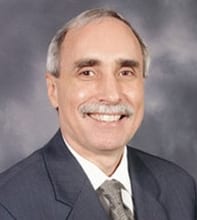
Understanding and Preparing for Coronavirus with Immunologist, Dwight McKee, M.D.
Description
PLEASE NOTE***: The following episode was recorded in mid-April 2020, just four weeks after the World Health Organization declared the spread of SARS-CoV-2 (the virus that causes the disease known as COVID-19) as a global pandemic. At that time, schools and all non-essential businesses had been closed and people around the world were being asked to stay home. Scientists were learning a lot at this point, but it was unclear how many people would become ill and what the excess mortality would be. Although there had been some understanding of post viral syndromes prior to the COVID pandemic (like dysautonomia following influenza), we would quickly learn that there would be serious long-term effects of COVID-19 that had never before been witnessed with any other virus. Ready for some cutting edge COVID-19 science? In this episode, learn new tips and gain insight into the coronavirus situation! SARS-CoV-2, a novel coronavirus, has forever changed the world as we know it. Why is this virus unique? Why does the response to infection vary so dramatically? What can we do to minimize the risk of infection and decrease the impact if we get sick? Dwight McKee, M.D. Ph.D. board certified in immunology, medical oncology, hematology, nutrition, and integrative medicine, shares his unique perspective on the Bendy Bodies Podcast. Dr. McKee discusses with Dr. Bluestein useful foods and supplements, psychosocial strategies and special considerations for people with pre-existing conditions. Learn more about Dr. Linda Bluestein, the Hypermobility MD at our websites and be sure to follow us on social media: Websites: https://www.hypermobilitymd.com and www.BendyBodiesPodcast.comInstagram: @hypermobilitymd Twitter: @hypermobilityMD Facebook: https://www.facebook.com/hypermobilityMD/ Pinterest: https://www.pinterest.com/hypermobilityMD/ LinkedIn: https://www.linkedin.com/in/hypermobilitymd/ And follow guest co-host Jennifer at the links below: Website: www.jennifer-milner.com Instagram: @jennifer.milner Facebook: https://www.facebook.com/jennifermilnerbodiesinmotion/
Watch
Guests
Transcript
[00:59] Dr. Linda Bluestein: Welcome to Bendy Bodies. This is your host, Dr. Linda Bluestein, here with Dr. Dwight McKee, MD, PhD, board certified in medical oncology, hematology, nutrition, and integrative and holistic medicine. Dr. McKee has completed research in both pharmacology and immunology. He has practiced complementary medicine with an emphasis in nutritional and body-mind medicine. In 2008, he co-authored a textbook on Herb, Nutrient and Drug Interactions, which is now widely used in medical schools and naturopathic colleges. He also works as the scientific director of LifePlus International, developing advanced nutraceutical formulations with an emphasis on support of the immune system, regulation of the cell cycle, and DNA protection. Dr. McKee spent 2 years doing immunology research at the Scripps Research Institute in La Jolla, California, and recently co-authored a peer-reviewed article with colleagues in Germany titled Candida Drugs Against SARS-CoV-2 and COVID-19. I hope you will enjoy this scientific and sometimes geeky conversation filled with practical information for boosting immunity. As always, consult with your own healthcare team prior to making any changes to your treatment protocol. Dr. McKee, hello and welcome to Bendy Bodies.
[02:27] Jennifer Milner: Thank you so much for joining me today.
[02:29] Dwight McKee, M.D: Hi, Linda. Thanks for inviting me.
[02:32] Jennifer Milner: Absolutely. So great to chat with you today. We're going to talk mostly about COVID-19 and in particular how it affects the Bendy population that you and I know quite a bit about. Definitely that's how you and I met. I know you have quite a bit of expertise in immunology and hematology, and I'm just super eager to get your thoughts on this.
[02:58] Dwight McKee, M.D: Yes, and nutrition.
[02:59] Jennifer Milner: And nutrition, yes. Oh my gosh, absolutely, and nutrition. So you have a perspective that is really quite unique and so valuable. So can you start out by telling us why COVID-19 is such a big deal and how this is different from other viruses?
[03:20] Dwight McKee, M.D: We're still learning new things about SARS-CoV-2, which is the name of the virus that causes the disease we call COVID-19. And what we do know is that we had coronavirus — highly pathogenic human-to-human coronavirus epidemics — with SARS, Severe Acute Respiratory Syndrome, in the early 2000s, and then MERS in the Middle East. SARS originated in China and was believed to be from a bat, as is SARS-CoV-2. MERS had its reservoir in a camel. And because these are closely related viruses, a lot of people have been going back and looking at the research that was done with the original coronaviruses.
[04:22] This one is more infectious — substantially more infectious — and not all the reasons for that are clear. There's no immunity in humans to this virus. But there was no immunity to the original SARS virus either. Coronaviruses are part of the human virome that we are exposed to all the time, and many people get coronaviruses that are passed off as the flu or are very much like the common cold. SARS was the first one that was deadly, and in fact it was more deadly than this one, but much less infectious. So there was not as much global spread of the original SARS or MERS coronaviruses.
[05:28] One thing that was recently discovered — I heard on an interview that David Perlmutter was doing with a virologist in New York City — is that there are prion-like sequences in what's called the spike protein. It's called the coronavirus because when you look at it under an electron microscope, you see all these little projections, like a crown around it. That's where the name comes from. And those are called spike proteins.
Dr. Linda Bluestein: Okay.
[06:03] Dwight McKee, M.D: Those spike proteins are what bind to receptors on human cells to gain entry to the cell. The receptor that SARS used is the same one that SARS-CoV-2 uses, which is the ACE2 receptor — angiotensin-converting enzyme 2. This is an enzyme that's involved in blood pressure regulation and many other aspects of physiology. And there are a lot of them on the lung cells called pneumocytes. They're also on macrophages, on mast cells, and on endothelial cells. So the virus can gain entry into the lung cells, into the intestinal tract cells — which are also loaded with ACE2 receptors — and into the bloodstream.
[07:19] The most prominent organ of infection is the lungs. That seems to be the weakest link for people. This was the case with SARS, which got the name Severe Acute Respiratory Syndrome because if the immune system overreacts in the lung and you get too much inflammation, you get leaking of fluids from the vascular system into the alveoli — the air sacs in the lungs — and people essentially drown.
[07:59] So the thing that's clearly different about SARS-CoV-2 is that it is far more infectious than SARS-CoV-1. And it appears not to be the virus itself that causes the morbidity and mortality, but a dysfunctional or exaggerated immune response to the virus — the so-called cytokine storm.
[08:34] Jennifer Milner: Interesting. Okay, so are people who have more autoimmune conditions more susceptible to cytokine storm or other complications? Who is the most susceptible to getting these kinds of complications from the virus?
[08:57] Dwight McKee, M.D: It was assumed that immunosuppressed people would be more at risk. But we have some experience with organ transplant recipients who take immunosuppressive drugs on a daily basis to prevent their immune system from rejecting the transplanted organ. They are immunosuppressed by definition, but they've done fine with COVID-19. They may be a little more vulnerable to getting it, but everybody's pretty vulnerable to getting it. And they may actually be somewhat protected because they don't develop the exaggerated immune response.
[09:51] People with autoimmune diseases are usually taking substances that suppress that autoimmune response, which may also suppress the cytokine storm response. So we just don't really know. We do know that people at risk are the elderly, and there's a pretty big difference between over 70 and over 80. The mortality risk over 80 goes up to about 10%.
[10:28] But I should say that mortality risk is also unknown and very inflated, because our ability to test the general population has been quite limited. We know all of the cases that die — they're all documented to be COVID-19 cases. So that's the numerator, but we have no idea of the denominator. As countries have begun to screen for antibodies, they're finding that people have been exposed and are immune who never had any symptoms or had very mild symptoms — they would never have thought to go in and be tested because they didn't have fever, fatigue, headache, dry cough, the typical symptoms. So until we have population-wide testing, the mortality rate is going to appear much higher than it actually is.
[11:40] Many people are predicting that globally 60 to 70% of the world's 7.5 billion people are going to get infected over the next year or so. But the one little experiment we have that argues it might be quite a bit lower was the Princess cruise ship, where there was an outbreak and 20% of the people on board — crew and passengers combined — were infected, with a 1% mortality. And this was primarily people in their 60s, 70s, and 80s, which tends to be an elderly population on cruise ships.
[12:27] Jennifer Milner: That's really interesting. Do you have any theories as to the discrepancy there? Because 20% getting this versus 60 to 70% — and I've seen those figures too — is quite a significant difference. Do you have any theories about that?
[12:50] Dwight McKee, M.D: I think historically with epidemics and pandemics, the predictions tend to turn out worse than the reality. I think that's human nature — to prepare for the worst — and we also tend to collectively panic. My philosophy is prepare for the worst and hope for the best. Certainly a 20% infection rate would be most preferable.
[13:20] My guess is that the mortality rate is going to come out somewhere in the 0.5% range. In South Korea, where they did extensive testing of the population, it was 0.6%, and in Germany, where they're doing a lot of testing, it's 0.4%. So that 0.5% range is still 5 times as bad as the flu. But if the media were covering this year's influenza epidemic the way they've covered COVID-19, everybody would be panicked — because 45 million people in the US got the flu and 50,000 people died of it.
[14:11] Jennifer Milner: Wow.
[14:12] Dr. Linda Bluestein: Yeah.
[14:13] Dwight McKee, M.D: That's a 0.1% mortality rate. But if every case was news, everybody would be terrified about the flu. So a lot of the media response has really fanned the flames of panic, and the mortality numbers we're seeing are vastly inflated because we have no clue of the number of people who have already been infected — whether symptomatic or not, whether documented or not — and we won't until we are able to do widespread blood testing for specific antibodies to SARS-CoV-2, which is just beginning to become available.
[15:03] Jennifer Milner: And I think part of the really scary thing for people is the stories we hear about young, healthy people who supposedly had no medical problems and died from this.
[15:19] Dwight McKee, M.D: Exactly.
[15:22] Jennifer Milner: None of us want elderly people to pass away either. But I think we can all wrap our brains around an elderly person getting influenza and getting complications. The scary thing for most of us is this idea of young, reportedly healthy people. I have some theories on that as an anesthesiologist, having cared for people for many years of my life. But I would love to hear your perspective because you and I have such different backgrounds. Do you have any thoughts about that?
[16:00] Dwight McKee, M.D: One of the theories is that the young people who die from cytokine storm may be undiagnosed mast cell activation syndrome patients who had mild symptoms — symptoms they got tired of telling to doctors who just dismissed them. So they end up with a medical history that's quote-unquote unremarkable. That's a theory that Dr. Afrin, who leads our mast cell activation syndrome group, has put forward.
[16:38] Another theory I have, because of my focus on nutrition, is that many young people today who are quote-unquote healthy tend to consume industrialized food and have many micronutrient deficiencies. They have insufficient levels of zinc, insufficient levels of vitamin D, and if they don't take multivitamins, insufficient levels of vitamin A.
[17:16] We know from the flu data that people who have blood levels of 25-hydroxy vitamin D — the storage form of vitamin D — over 40 nanograms per mL have a significantly lower incidence of influenza than people with levels below 30. 30 is considered normal, but that was determined based on what is very likely a vitamin D-deficient population. So 30 may be average, but not truly normal. If you look at free-living humans who are outside all day and not using sunscreen — lifeguards in San Diego who have been studied, or people in sub-Saharan Africa — they tend to have 25-hydroxy vitamin D levels in the 50 to 80 nanogram per milliliter range. That's probably the healthy normal range.
[18:20] Vitamin D is a very fundamental player in the immune response, as well as the traditional aspects we were all taught about — calcium metabolism and bone strength and so forth.
It's also been found that a 5-day course of hydroxychloroquine — Plaquenil, which has been used for malaria prophylaxis and treatment and also for autoimmune diseases like lupus and rheumatoid arthritis — has mild therapeutic effects by itself. But when given with high-dose zinc, we're talking around 200 milligrams a day, the clinical experience — though not yet studied in a randomized trial — is that hospitalizations are far below the expected 20%.
[19:30] IV vitamin C also, and oral vitamin C to bowel tolerance, seems to be useful in quelling the hyper-inflammatory response. Intravenous ascorbate has been used quite a bit in China. I'm in touch with the head of the ICU at the university hospital in Wuhan who established the first randomized placebo-controlled trial of IV vitamin C. His numbers weren't large enough — they ended up with about 20 in each arm — and now they don't have enough new cases to expand the trial. I've been working with him to connect him to other ICUs where they would use his protocol, but he saw clear evidence that IV vitamin C improved organ function. The sample just wasn't large enough to show a statistically significant difference in mortality.
[20:39] I've recommended IV vitamin C to a number of colleagues for themselves and for patients who had an illness consistent with COVID-19 — they were unable to get documented — but in every case it made them feel a lot better.
[20:59] I've also recommended — and this is something I've used for over a decade with many types of viral infections — a 3-day pulse of high-dose vitamin D and high-dose vitamin A, about 50,000 units of each per day for 3 days, along with vitamin C to bowel tolerance. That means starting with maybe 500 milligrams every 2 hours and gradually increasing until there's a mild laxative effect, but not diarrhea — that's the limiting factor with oral vitamin C. In every case with COVID-19-consistent symptoms, people have gotten significantly better.
[21:50] The major contraindication to high-dose vitamin A is that there must be zero chance of pregnancy, because even for a short time, that dose could be teratogenic in an early pregnancy. For the high-dose vitamin D, the contraindications are people with any lymphoid malignancy — lymphomas, lymphocytic leukemias, possibly myeloma — because in many cases the malignant tissue will auto-convert 25-hydroxy vitamin D to its active form, 1,25-dihydroxy vitamin D, and if that goes to high levels, you get high blood calcium, you can calcify the kidneys, and all sorts of bad things happen. People with chronic highly inflammatory illnesses where inflammation is not controlled — running C-reactive proteins in the teens to hundreds — would also have a relative contraindication to the 3-day pulse of vitamin D.
[23:19] Jennifer Milner: And in terms of that — you've mentioned vitamin C, vitamin A, vitamin D, and zinc. Is there a certain type of zinc that's better than others? There are different forms, like different magnesium salts.
[23:32] Dwight McKee, M.D: Yes. The most well-tolerated and most bioavailable zinc that I know of is made by a company called MegaFood. It's zinc that's been incorporated into yeast, so it's a food-based zinc and it's easier on the stomach. But aside from that, zinc sulfate is poorly absorbed. All of the other salts of zinc — citrate, picolinate, gluconate — are all absorbed about the same amount, and they need to be taken in the middle of a significant-size meal and spread out over the day to get that much in.
[24:15] If you can get MegaFood Zinc, there's 7.5 milligrams per tablet. So if you use 10 tablets twice a day, that's 150 milligrams of zinc. In that form, that's probably more elemental zinc that will get into your blood than you would get from the various zinc salts.
[24:37] The other class of nutrients that are very important in stabilizing the inflammatory response are the flavonoids. Curcumin from the turmeric root was shown during the Ebola epidemic to reduce and suppress cytokine storm. An herb called bergamot — a French one that also reduces blood lipids — has anti-inflammatory properties. Many flavonoids have been highlighted, including luteolin and resveratrol. I listed them in a review paper that I wrote with some German colleagues, which is what stimulated you to invite me on this podcast.
[25:39] Jennifer Milner: I read that paper and said, I need to get you on this podcast.
[25:51] Dwight McKee, M.D: There's an entity called the NLRP3 inflammasome, which is a coordinated cell signaling network within activated macrophages and T helper type 1 lymphocytes that causes production of inflammatory cytokines. Flavonoids that have been documented to interfere with activation of this NLRP3 inflammasome and modulate inflammatory responses include luteolin, myricetin, apigenin — and I'll go into some food sources in a moment — quercetin, kaempferol, and baicalin and wogonoside, which are flavonoids from Scutellaria baicalensis, the Chinese skullcap. Its root is very flavonoid-rich, and you often find it in immune-supporting nutritional supplements.
[26:59] Resveratrol in particular was shown in vitro to significantly inhibit MERS-CoV — the coronavirus from the 2007-2008 outbreak in the Middle East. Let me go to some of the foods that are sources of these.
[27:23] Jennifer Milner: Yes, if you could give us some of the foods we should be including in our diet in order to get some of these things, that would be very helpful.
[27:33] Dwight McKee, M.D: Apigenin is quite rich in celery and parsley. Kaempferol is rich in spinach, cabbage, and dill. Quercetin — good sources are dill, fennel leaf, onion, oregano, and chili pepper. Luteolin is rich in olives and star fruit. Naringenin is in citrus fruit, and polyphenols are another important class, which are found in olives.
[28:08] Jennifer Milner: Of course, some people are probably listening to that thinking they can't get to the grocery store — it's not safe. Olives are something they might already have in their cabinet. Is there a particular kind of olive that is especially beneficial?
[28:27] Dwight McKee, M.D: I've not seen anything that differentiates between types of olives. I think they're pretty similar in their flavonoid content.
[28:38] Hesperidin is one of the citrus bioflavonoids of particular note, because it's been shown to bind to the spike protein — remember, that's the one that binds to the ACE2 receptor for the virus to infect the cell and start making copies of itself. Hesperidin binds to the spike protein and interferes with the refolding, actually inhibiting the viral infection process. Look for vitamin C supplements that contain hesperidin, as it's one of the flavonoids often included, and all the citrus fruits are good sources of it.
[29:28] Oil of oregano has a compound called carvacrol that has antiviral effects — it hasn't been specifically tested against any of the SARS viruses, but quercetin, which I mentioned, is of course a key supplement for our mast cell activation syndrome population. The main issue with quercetin is its poor bioavailability — it's poorly absorbed from the gut, but it is much better absorbed sublingually. If you can find quercetin that you can put in your mouth and suck on, you'll get more of it that way. There's also a liposomal form in some supplements that has about a 20-fold increase in bioavailability. Quercetin was shown to inhibit SARS-CoV-1 and has shown antiviral effects in animal models with influenza.
[30:36] Jennifer Milner: So I have a question about the quercetin. Could people take the capsules, open them, and put the powder underneath their tongue?
[30:45] Dwight McKee, M.D: Absolutely. It's not going to taste very good, but that'll work. You might be able to mix it with some monk fruit or cinnamon powder — experiment with recipes — but you will absorb it considerably better sublingually than orally.
[31:08] Another important trace mineral to mention is selenium. Fortunately, you don't even need to go out and buy selenium supplements if you can get Brazil nuts. Three or four Brazil nuts will give you a highly effective amount — one Brazil nut contains about 100 micrograms of selenium on average. For prevention, eat 2 a day. If you've got viral symptoms, maybe eat 10 a day for a while.
[31:45] One of the interesting things is that an early symptom in many people with COVID-19 is loss of smell and taste. People have been speculating about whether the virus replicates in the nerve endings in the nose. But an equally viable explanation is that the immune response to the virus may be very highly zinc-requiring — which is the reason zinc is so synergistic with antiviral medications at high doses. If the immune system takes all your zinc and you have borderline zinc reserves, you may lose your sense of smell. What I haven't heard anyone try is supplementing such an individual with high-dose zinc and seeing if it comes back in a week.
[32:57] Jennifer Milner: Interesting. So in terms of zinc, we need to be a little careful, especially with long-term supplementation, because it can diminish copper levels, right?
[33:09] Dwight McKee, M.D: If you were to take even 100 milligrams of zinc a day long-term, you would develop a copper deficiency, and that can cause all kinds of bad things. But a high dose for a short time — just like the high-dose, short-time pulse of vitamin D and vitamin A — is well tolerated. The other part of that is: you don't take any supplemental A or D after that 3-day pulse for a month. The amounts present in a multivitamin — typically 400 units of vitamin D and maybe 2,500 units of vitamin A — are okay. But you would not want to be taking 5,000 units of vitamin D or 10,000 units of vitamin A after having done that 3-day high-dose pulse for a month.
[35:06] Jennifer Milner: Okay. And that's true for zinc too — don't do high-dose zinc long-term after doing one of those high-dose pulses?
Dwight McKee, M.D: Exactly.
[35:15] Jennifer Milner: That's really good to know. In terms of zinc dosing for prevention, is there a dose that works for most people?
[36:52] Dwight McKee, M.D: For people who are socially distancing, haven't been sick, and want to be in their best immunologic shape possible if and when they encounter the virus, a daily intake of between 15 and 30 milligrams of elemental zinc is what I'd recommend. A label might say 50 milligrams of zinc gluconate, but you have to look for how much elemental zinc that is. I'm talking about 20 to 30 milligrams of elemental zinc. Higher if you've not taken zinc supplements before; lower if you've been supplementing at a typical level of 7.5 to 10 milligrams a day long-term.
[36:52] Unless you're eating lots of oysters, the diet is just not very rich in zinc — the soil has been very depleted of zinc, along with many other things.
[36:52] Another compound that has both immunomodulatory and antioxidant properties is melatonin.
[36:52] Jennifer Milner: Yes, tell us about that.
[36:52] Dwight McKee, M.D: I think it's a good idea for people who are waiting this out to take 1 to 3 milligrams of melatonin at bedtime. One of the hypotheses about why children do so much better with this infection than adults is that children have much higher melatonin levels. Of course, that is in the realm of speculation, and there are many other differences between children and adults, but children tend to get very mild symptoms with this virus.
[37:36] In my integrative cancer protocols for many years, I was recommending Allergy Research Group's melatonin — 20 milligrams in a little capsule — based on clinical trials done in Italy using that dose, where in every trial the melatonin group had better outcomes than the non-melatonin group. So we know it's safe to take that much. Some people are really quite groggy the next day. But the best thing you can do if you get sick with COVID-19 is sleep, and nourish yourself properly. We need to be exercising and managing stress when we're well, but if you get sick, you need to sleep as much as possible. So I would go to 20 milligrams of melatonin with viral symptoms consistent with or documented to be COVID-19.
[38:43] Jennifer Milner: Okay, that's fantastic. Would you recommend that be sustained release or immediate release, or does it matter?
[38:52] Dwight McKee, M.D: With that kind of dose, I don't think it needs to be sustained release. With low doses, sustained release is much more effective in mimicking the natural pineal secretion of melatonin, which many older people don't produce well. If your pineal gland is calcified on X-ray — which is the case for about 50% of people over 50 or so — it is probably not secreting melatonin properly. This is one of the reasons so many older people have trouble sleeping.
[39:28] So for prevention, 1 to 3 milligrams time-release. During infection, bump that up to around 20 milligrams. If you have 3-milligram capsules, you could just take 7 of them. Some people have used as high as 30 milligrams. It's quite safe. And if it makes you groggy in the morning, stay in bed.
[39:59] Jennifer Milner: Sure, absolutely. And I want to circle back to one of the supplements you mentioned earlier, because dealing a lot with the hypermobile population and mast cell activation, vitamin C is something I recommend all the time. We know it's also important for connective tissue. Is there one form of that over another that you would recommend?
[40:38] Dwight McKee, M.D: I would look for one that contains citrus bioflavonoids because they're synergistic. And when you're taking large amounts, the salts of ascorbic acid — sodium ascorbate, magnesium ascorbate, calcium ascorbate — are going to be better tolerated than ascorbic acid in terms of the gut response. So if you're going to take vitamin C to bowel tolerance, you probably want to take what's also called buffered vitamin C, meaning they're using mineral salts of ascorbic acid.
[41:16] There's another supplement I want to mention: N-acetylcysteine.
[41:24] Jennifer Milner: Yes, very important.
[41:25] Dwight McKee, M.D: Very important in health, especially during infection. It provides the rate-limiting step to glutathione synthesis — glutathione being the 3-amino acid peptide that is our body's most important intracellular antioxidant. N-acetylcysteine also really helps to modify the mucus in the lung, making it easier to clear secretions. It's been used in hospitals for many decades for this purpose. I would say 600 milligrams for prevention and 600 milligrams 3 times a day during viral symptoms or if you have any degree of cough.
[42:20] Jennifer Milner: Excellent. And what about taking glutathione itself? Is that worthwhile, or do you recommend the N-acetylcysteine and skip taking glutathione?
[42:29] Dwight McKee, M.D: There's not a lot of good research on supplemental glutathione — certainly IV glutathione works. There are liposomal forms that may work, but we just don't have really good data on them. We know that if you supplement with N-acetylcysteine, your body will have an easier time making the glutathione that it needs. And if your diet and supplementation — which I view as part of diet — is rich in antioxidants, and every compound we've mentioned here is also a potent antioxidant, then it's easier for the body to recycle glutathione into its active form.
[43:25] Another important supplement to mention, in terms of both preventing susceptibility to the virus and reducing the risk of cytokine storm if you get it, is palmitoyl ethanolamide, often abbreviated PEA.
[43:44] Jennifer Milner: One of my favorite things.
[43:51] Dwight McKee, M.D: For prevention, 300 milligrams twice a day. During viral symptoms, 600 milligrams 3 times a day. It is sort of an endocannabinoid — it was originally thought to be an endocannabinoid, and it's only 2 carbons shorter than anandamide, which is one of the 2 primary endocannabinoids. The endocannabinoid system interacts in so many ways with the immune system and many other systems. There's pretty good data on PEA preventing or reducing the risk of colds and flu — and some of those colds are coronaviruses — and it's also very good for stabilizing the inflammatory response to reduce the risk of cytokine storm.
[44:49] Jennifer Milner: That's great to know. And in terms of options, I know there's a liposomal form that I actually take and have recommended to quite a few patients. Is that something you think is beneficial?
[45:05] Dwight McKee, M.D: I do. For the liposomal form, 200 milligrams is worth about 600 milligrams of the non-liposomal.
[45:10] Jennifer Milner: 200 milligrams of the liposomal equals 600 milligrams of the non-liposomal. Excellent.
[45:23] Dwight McKee, M.D: There are some fairly good data on that. And elderberry is a long-used antiviral herb. Recently there's been a lot of fear about it because there were some in vitro studies done in the early 2000s showing that in tissue culture with macrophages and T cells, it stimulated inflammatory cytokines — to about 4 to 6-fold. People have looked at that and said, you shouldn't take elderberry because it could cause cytokine storm. But a cytokine storm involves a 3,000-fold increase in these things. Elderberry increased them by up to 6-fold in a tissue culture experiment. I don't know a single herbalist who feels there is any risk of elderberry contributing to cytokine storm.
[46:18] Any form of elderberry you find is derived from cooked elderberries, because raw elderberries are toxic. The black fruit are cooked and a syrup is derived from that. I would recommend 500 milligrams of a good elderberry extract daily. If you can get it with the leaf and flower extract as well, the compounds in the berry are synergistic with the compounds in the leaf and flower. The berry itself is quite helpful, but the combined form is preferred.
[47:05] Jennifer Milner: Okay, great. And in terms of all these things we've mentioned, some people will have the ability to get lots of these supplements, and others might say, I can only afford to buy one supplement or incorporate one new food. Is there one that's most important out of everything you've mentioned?
[47:32] Dwight McKee, M.D: Green tea is one I didn't mention, which is easy for people to do. Drink a lot of green tea — the flavonoids in green tea also potently reduce inflammation. I would say all of the foods I mentioned, and the functional medicine concept of eating the rainbow of colored foods — red, orange, yellow, green, and blue foods — is a good one to follow in general. Nature is marking those brightly colored fruits and vegetables as sources of especially important compounds, which in this case are flavonoids such as anthocyanins and carotenoids. So a colorful diet.
[48:32] If you're at home eating beans and rice, you'll survive, but it doesn't have the things in it that are going to help you if you encounter this virus.
[48:45] Jennifer Milner: And my theory — and we didn't even discuss this before we started — is very similar to yours: that there are people who are apparently healthy but have nutritional deficiencies and are therefore not as able to cope with the virus. And additionally, as an anesthesiologist, I would have people I'd be pre-oping for surgery where the surgeon would tell me they're healthy, they have no medical problems, and you go to see them and it's just that they've never been to the doctor. So there's also potentially some of that — people who might not have had things appropriately evaluated, or like you're saying, with the mast cell population.
[49:24] Dwight McKee, M.D: It's analogous to the 4 countries that have had no cases of COVID-19 because they don't have a single test kit.
[49:32] Jennifer Milner: Right, absolutely. And I really appreciate you mentioning the NAC in terms of the respiratory effects. Anything else specifically that you would mention for the respiratory system that you think is beneficial?
[49:53] Dwight McKee, M.D: I think we've covered most of them. If someone is quite sick and thinking they might need hospitalization — and they've already done the high-dose vitamin A and C, or the 3-day A and D pulse, and they're continuing with bowel-tolerance vitamin C and taking many of the things we've mentioned — if they can get a hold of a 5-day course of Plaquenil and combine that with high-dose zinc, that would be my go-to stay-out-of-the-hospital regimen.
[50:24] With or without a Z-Pak. But with the Z-Pak, they need to know their QT interval, because both of those drugs prolong it. If it's already prolonged, they'd run the risk of very dangerous ventricular arrhythmias.
[50:56] Jennifer Milner: That makes sense. And if you can stay out of the hospital nowadays, that would be a good idea. If you're in quite severe distress, then you need to call 911 or go into the emergency room. But definitely — and as a disclaimer — be sure to call first, because that's what they're wanting people to do nowadays.
[51:26] Dwight McKee, M.D: And also, one of those stay-out-of-the-hospital therapies, if you can access it, would be IV vitamin C in the range of 20 grams — every day or every other day. I've seen that really turn people around from what looked like they were going to end up in the hospital to not.
[51:52] Jennifer Milner: And before you do that, would you want them to have a G6PD test?
[51:58] Dwight McKee, M.D: Yes, everyone should have a G6PD test, which is an easy test to get, but maybe not in these times. Both Quest and LabCorp carry it. I'm not sure what the turnaround time is on G6PD right now.
[51:59] Jennifer Milner: Okay.
[52:15] Dwight McKee, M.D: Some hospitals do it in-house. But anybody who's ever had high-dose IV vitamin C before doesn't need to be tested, because if they did have G6PD deficiency, they would have hemolyzed and had serious renal pain and renal insufficiency.
[52:45] Jennifer Milner: That's helpful to know. For people who are not aware of this, you don't necessarily need to worry about it — this is for your doctor who may be potentially administering the IV vitamin C. You could mention that you've heard about this, that you're interested in it, and that there's a test that should potentially be done beforehand. And it's also helpful to mention if you've had high-dose vitamin C intravenously in the past.
[53:11] Dwight McKee, M.D: Right. They don't need to be tested if they've had more than 10 grams IV in the past.
[53:18] Jennifer Milner: Very good. And getting back to our Bendy population — they might have EDS or another hypermobility disorder, they may or may not have dysautonomia or dysfunction of the autonomic nervous system, and/or mast cell activation syndrome. Are there certain precautions they should take? Should they be changing their medication regimen? I'm specifically asking about people with mast cell activation syndrome.
[53:51] Dwight McKee, M.D: It would be very important for them to stay on all of their mast cell medications and to take them along if they go to the hospital, because the hospital may not take them seriously — they may not have cromolyn on hand. So they should have a 2-week supply of all their mast cell medications and supplements ready to go in case they need to go to the hospital. The patient should take it with them because their family may not be allowed to visit them. If they test positive, they get put in isolation.
If they bring their medications, they can take them whenever the nurse is not in the room. I would have no compunctions about telling them to just take their mast cell medications off the record. Or they could tell the doctor, "I have mast cell activation syndrome and I take these things — I brought them with me, they don't interact with anything."
[55:18] A mast cell patient who is under good control may actually have some advantages over an undiagnosed and untreated mast cell patient. And that's what some of these young people who died of cytokine storm may well have been — undiagnosed mast cell patients. Dr. Afrin has noted that the incidence of cytokine storm is about 15%, and the incidence of mast cell activation syndrome in the population is also about 15%, and the vast majority of those are undiagnosed and untreated.
[55:56] Jennifer Milner: And with that 15% — is that 15% of people who have serious illness with this virus?
[56:08] Dwight McKee, M.D: It's 15% of documented cases. And it's probably lower because we are very far from knowing the denominator in this pandemic, especially in this country.
[56:27] Jennifer Milner: And I would add, for people on medications for mast cell activation syndrome, some of their medications are compounded because they can't tolerate the so-called inactive ingredients or excipients. So if they go to the hospital and just get a standard version, they might say, "I'm already taking an antihistamine," but they can't tolerate the hospital's version.
[56:49] Dwight McKee, M.D: Right — they get it from the hospital pharmacy and react to it.
[56:51] Jennifer Milner: Yeah, exactly.
[56:51] Dwight McKee, M.D: That's why I'm saying they should have a 2-week pack of their stuff set aside, ready to go with them to the hospital if that need ever arises.
[57:04] Jennifer Milner: That's very, very good advice. Okay. There are a couple of other things I wanted to ask about that have been out there in the media. One is blood types — the data about blood types.
[57:26] Dwight McKee, M.D: Blood type A seems to do less well, and O seems to do better. This is probably related to lectins in ways that we don't fully understand, because lectins are the determinants of the blood group antigens. There are also lectins that are antiviral — for instance, nettle root, Urtica dioica, which is commonly used in prostate supplements, contains a lectin that is very potent in vitro and in animal models against SARS-CoV-2. So another thing people might consider for their zinc supply would be a prostate support supplement that has Urtica dioica root extract as well as zinc.
[58:24] There's probably some interaction between the lectins of the blood group and either the virus or the immune response to the virus that is significant, and the lectins that generate blood type A may interfere somehow in that response where O's lectins don't. I don't remember where AB fell on the curve — I know A was worse and O was better, that's all I recall.
[59:08] Jennifer Milner: Yeah, I don't remember seeing anything about AB either.
[59:11] Dwight McKee, M.D: And I don't think the Rh factor has been found to make any difference. But you know, there's nothing we can do about our blood type. There's a lot we can do about our nutritional preparedness and leading a health-enhancing lifestyle right now.
[59:33] People don't have to stay inside — they just have to stay out of public places. So I encourage people to go out and walk. We have a 5-acre property in Northern California, part of it forested, surrounded by forests. I was out in Florida for 3 weeks during the time it was on its way to becoming a hotspot, and when I got home, I quarantined myself in the house trailer we have set up for houseguests. My wife brings me food and takes away my trash. During the day I just go outside and wander around in nature.
[1:00:17] So it's a good time to be exercising, a good time to be meditating or doing any kind of stress management. And it's not a great time to have the news on 24/7, because the news generates stress. It's good to check in every now and then, but in terms of what you might consume from the TV or the web, my suggestion is things that make you laugh. We know that laughter is particularly powerful in moving the lymphatic system, supporting the immune system, and negating the effects of stress. Watch stuff that makes you laugh, spend time in nature, eat well, start a garden — even if it's little pots on your balcony — and get the best food that you can.
[1:01:29] Jennifer Milner: I love that you used the word "consume" when referring to the news, because I feel like we should view it that way — as something we're putting in our bodies that is quite toxic. And like you said, you can't unsee it, you can't unhear it.
[1:01:55] Dwight McKee, M.D: And obviously the media is looking for what's sensational — that's what puts eyes on their channel.
[1:02:03] Jennifer Milner: But everything that's sensational is stressful. Absolutely. So I like that. And in addition to pointing out things we should be doing, I did want to cover things we should not be doing. Watching the news excessively — maybe just checking in briefly. Are there other things people should avoid?
[1:02:32] Dwight McKee, M.D: I would avoid over-exercising. This is not the time to be training for a marathon or a triathlon. There's a bell-shaped curve with exercise and the immune response, so stay in that sweet spot of about 1,500 to 2,500 kilocalories per week, and do things that you love doing — it might be puttering around your garden. Do things that make you happy, watch things that make you laugh, be outside as much as you can, eat as well as you can, and supplement as well as you can.
[1:03:15] Jennifer Milner: What about alcohol? Any thoughts about that?
[1:03:18] Dwight McKee, M.D: I would avoid alcohol right now. There's some data that in terms of heart health, a little bit of alcohol may be better than none, but in terms of the immune system, I don't think regular consumption of alcohol is going to be good for it. Buy Everclear and pour it on baby wipes and use that to wipe down everything you get from the store. That's the way to use alcohol.
[1:03:48] Jennifer Milner: Sure, I like that plan.
[1:03:53] Dwight McKee, M.D: Because you can't buy isopropyl alcohol in the stores anymore, but at most liquor stores you can get 160 to 180 proof alcohol. You can't get sterilizing wipes either, but you can get baby wipes, wring them out, fill them with alcohol, and let them soak it up.
[1:04:17] Jennifer Milner: That is a great tip. I love that. And you're right — those are some of the things you can't get in the store. And all these tips are fabulous, but if we don't do the basic things like washing our hands and wiping down surfaces, the rest of this stuff is not going to be very helpful. Wonderful. Is there anything else I should have asked you? And can you let people know where they can find more information about you and the work you're doing?
[1:04:53] Dwight McKee, M.D: I kind of hide from the world.
[1:04:57] Jennifer Milner: That's okay too.
[1:05:01] Dwight McKee, M.D: My interest in mast cell activation syndrome came from the realization that my son, who was exposed to toxic mold and developed chronic fatigue, has mast cell activation syndrome — as you know because I presented his case at the meeting where we met. But I don't have a website. I do consulting for research, I formulate for a nutraceutical company, and I consult with other doctors about integrative cancer care, but I'm in a low-profile stage of my career.
[1:05:42] Jennifer Milner: That's okay. Well, I'm so grateful to you for doing this interview with me. This has been such great information, and there have been so many people asking, "What should I do? I have — or I suspect I have — mast cell activation syndrome, I have EDS, dysautonomia," any of those things. So this is just going to be so, so helpful. Thank you so much for taking the time to chat with me today.
[1:06:13] Dwight McKee, M.D: You're more than welcome, Linda.
[1:06:14] Jennifer Milner: My pleasure. Well, you all have been listening to Bendy Bodies with the Hypermobility MD. Today my guest has been Dr. Dwight McKee, board-certified physician in medical oncology, hematology, nutrition, and integrative and holistic medicine. Thank you so much again, Dr. McKee.
[1:06:30] Dwight McKee, M.D: Thank you, Linda. Take care.
[1:06:35] Jennifer Milner: You too.
[1:06:36] Dr. Linda Bluestein: Please go to bendybodies.org for links to all the episodes and to access the show notes. If you enjoyed this podcast, please share, leave a review, and consider rating us 5 stars. Don't forget to subscribe so you will be notified of all new episodes. Feedback is greatly appreciated and can be emailed to [email protected]. Go to hypermobilitymd.com to sign up for my newsletter. Thank you to Rhett Gill for production and sound editing, to Andrew Savino for composing our original music, and to Jennifer Personalt for designing the Bendy Bodies website and cover artwork. This podcast is for informational purposes only and is not a substitute for medical advice. Please see your own medical team prior to making any changes to your healthcare. Thanks for tuning in, and we'll see you next time on Bendy Bodies with the Hypermobility MD.