Description
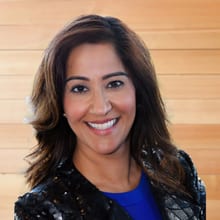
Psychiatrist Dr. Shimi Kang on why play, rest and creativity aren't luxuries — and how burnout culture harms neurodivergent and high-achieving families.
Watch
Guests
Transcript
[01:06] Dr. Linda Bluestein: Welcome back, every bendy body, to the Bendy Bodies Podcast with your host and founder, Dr. Linda Bluestein, the Hypermobility MD. I am so excited today to talk to Dr. Shimi Kang. Dr. Kang is a psychiatrist, bestselling author, keynote speaker, and researcher living with a bendy body. This is such an important conversation because mental health and living with a bendy body, we know can be such an impactful experience. Dr. Kang is going to talk about parenting while you're in chronic pain and also how we can help children who are themselves dealing with chronic pain.
[01:45] Dr. Kang is an award-winning Harvard-trained psychiatrist, number one bestselling author, and leading expert on the science of motivation, leadership, and resilience. She is the author of "The Dolphin Parent," "The Self-Motivated Kid," and "The Tech Solution: Creating Habits for a Digital World." Her work has been recognized with the American Academy of Addiction Psychiatry Award, the YWCA Women of Distinction Award, and the Queen Elizabeth II Diamond Jubilee Medal for her contributions to health and community wellbeing. Dr. Kang is also a celebrated professional keynote speaker, and her TED Talk on adaptability has been seen by millions.
[02:20] Beyond her professional accomplishments, Dr. Kang lives with EDS and has endured years of severe chronic pain. This personal journey of navigating physical limitations while sustaining a global speaking career, clinical practice, and writing has deepened her perspective on adaptability, balance, and self-compassion. I am so excited about this conversation because I think almost all of us struggle with balance and self-compassion.
[02:44] As always, this information is for educational purposes only and is not a substitute for personalized medical advice. Stick around until the very end so you don't miss any of our special hypermobility hacks. Let's get started.
[02:58] Okay, well, we are back with Dr. Kang, and I'm so excited to chat with you. I know you said that your chronic pain experience began when you were writing your first book, which was on parenting. And at that time, you had three children under the age of 10, a busy clinical practice, a university research position, and a book deal with Penguin. Obviously, a crazy time in your life. Can you tell us your story and how you managed all of this and coping with EDS and chronic pain?
[03:28] Dr. Shimi Kang: It's quite the story, and I do want to start by saying I'm so grateful to be on this podcast. I wish I had Bendy Bodies back then, because what you've done for the community is incredible. I've gotten so much very helpful information, including planning my next surgery from your episodes.
[03:48] Back then — this was about 10 years ago, 2014 — I felt very isolated and very lonely with having hypermobility and chronic pain. There wasn't a lot of specialists. And I know you've talked many times about the stigma of having an invisible diagnosis. I remember going to doctors saying, "Something's wrong with me." I remember seeing my charts and it said, "Busy mom of three," with lots going on and writing a book, and it kind of just got written off that I was too busy. And it really hurt because I'm like, I know how to have self-care. I sleep, I walk, I stretch — I am taking care of myself. That's not the issue.
[04:36] If I think back at that time, it was such a rough time for me. And I think the emotion there was probably anger. Because I finally — it was around the time that there was this book out called "The Tiger Mom," and people were over-scheduling their kids and pushing their kids. It was never meant to be a parenting book, it was a memoir. But I worked in Vancouver and I had parents come in holding that book saying, "I need to push my kid more in sports or piano." I opened up the book with a story of a young man in my practice who had slit his forearms with his violin strings because he was so over-pressured. And there was this big conversation about how we're going to fall behind in North America and China is going to do better in math and science marks and international scores.
[05:37] I really felt I had something to say based on years of experience with teenagers and adolescents, understanding motivation, understanding what really motivates young people and all humans. And I wanted to say it, and I finally got this book deal and I was so passionate about it. But then I was having trouble writing on my laptop and my neck would flare up and my upper back would flare up. I didn't understand why the universe was doing all of this to me at this time. And working really hard to manage it with the three kids, it turned into a daily kind of crisis, just trying to get through. When in retrospect, I should have just pressed pause. I should have talked to my editor. I should have just managed it, but I felt that I had to push through. And I think that was kind of a big conversation — rise and grind, push through. Self-compassion wasn't as big of a conversation back then.
[06:46] Dr. Linda Bluestein: So there's probably a lot of things that you would tell your younger self. You've already shared some of them. Are there other things as well that you would like to go back and tell your younger self?
[06:54] Dr. Shimi Kang: Yeah, I think listen to your body. And I think as a psychiatrist and someone who had spent so much time understanding the mind and the brain, I really forgot about the intelligence in the body — that your body speaks to you, and all those clichés. But in Western medicine, the mind and body is disconnected. We know the history of that back in the Renaissance when the early anatomists like Leonardo da Vinci asked to dissect the body. They were given permission because it was considered blasphemy otherwise, but they were told, "The mind belongs to the church." All hope, feelings — we don't want that. And therefore, in Western medicine, we see this disconnect of mind and body. You see a psychiatrist for emotional and mental health, and then you see a physiotherapist for your body stuff.
[07:58] Really remembering that we are one being and it is all interconnected — I had forgotten that, even more so based on my training as a psychiatrist. So that was the biggest learning for myself.
[08:11] Dr. Linda Bluestein: Yeah, it's so challenging when you're trying to do so many of those different things. And I know you talk about some different parenting styles. You talked about being an exhausted jellyfish parent or a stressed shark. And I'm wondering how somebody with chronic pain can manage and maintain a balanced dolphin style. First, of course, you need to explain what these different things are — I'm sure a lot of listeners have read your books, but probably not everyone, although they're going to go buy your books after this, I'm sure.
[08:43] Dr. Shimi Kang: So my first book was called "The Dolphin Parent," and then it morphed into something called "The Self-Motivated Kid." In that book, I wanted to present the science of parenting, what actually worked. There are six core prescriptions in the book, and these prescriptions start with breathe and drink water and play and social connection. I go through each one, but I started with the interpersonal style that's known to motivate individuals, and this came from my work in addiction. As an addiction psychiatrist, I became an expert on motivation because addiction is ultimately a disease of motivation.
So we know there are three general interpersonal styles that we can show up as — as a doctor, as a parent, as a friend. On one extreme, it's what's called the jellyfish or permissive parent. This is a parent that lacks rules, focus, and expectations. You're either exhausted or avoidant. You kind of think, what can I do? They're on their cell phone, they're eating junk food. You already said they shouldn't, but you're overwhelmed. And that leads to permissive parenting, lots of problems — risk-taking, anxiety — and the list goes on.
[09:58] On the other extreme is what's called authoritarian parenting, or you can think of the shark as a metaphor, or the tiger parent, or the helicopter parent, or the snowplow. The metaphors for that are on and on. This is an overbearing parent that is micromanaging, overprotecting, over-directing. And again, lots of problems there with self-motivation — kids don't know how to initiate things themselves because they're being hovered over and micromanaged.
[10:27] The balance between those, I use the metaphor of the dolphin, because we are visual learners and humans learn through stories. I say, think of the animal. It is firm yet flexible. So as a parent, you are authoritative. Authoritative is a confusing term, but really it's about being firm. You are the parent, you are a moral compass. You do have a sense of authority. You can say no, you can set expectations, yet you are flexible. So you are adaptable with your child's changing age, with changing situations — there's a pandemic, you're back at work, there's remote learning, there's all kinds of stuff. You are flexible, you are adaptable. You bring in a different approach if you have more than one child. There's curiosity there, there's community, there's a sense of play. So it's an authoritative interpersonal style, which sounds simple, but simple is not easy. We've all been jellyfish and we've all been sharks, and it's not a static trait. I say on Monday I'm a shark, on Friday I'm a jellyfish exhausted, and Wednesday, if I've done my self-care and I've managed my own self, I might be that dolphin parent.
[11:47] Dr. Linda Bluestein: Yeah, I really appreciate that because I feel like if we hear these models — and you're right, there are so many different terms, the snowplow or the tiger — we often think of that as being more static. Like, I am this type of parent. And I like the more growth-mindset approach of, well, some days I might be this, other days I might be that, but the goal is to try to be the dolphin parent more frequently, or on more days of the week than the other ways of parenting.
[12:16] Dr. Shimi Kang: Absolutely, and parenting in this modern time is very stressful. And sometimes I thought to myself, why is this so stressful with my three kids? I had help, I had chronic pain and Ehlers-Danlos and all kinds of issues. But when I compared that to my mom, who was an immigrant who had five kids, never went to school, definitely didn't train at Harvard and have all this knowledge in that way — my mom actually can't read. She had not even a grade one education. But she parented more from intuition. And I often asked myself, why is this so tough for me? Because I was parenting more from that freeze, fight, or flight instinct, because I was in pain and I was busy. Even without the pain, there felt like so much pressure, competition, all these marketing messages to parents. And I realized that simple is not easy, and knowing is not doing. I knew better, but I would fall into these habits because everyone else was doing it. And so my role model of my mom was really helpful for me to get back to intuitive approaches, which is actually what "The Dolphin Parent" is about.
[13:41] Dr. Linda Bluestein: And I know you've done an incredible amount of work and research on addiction, and you've mentioned already the connection between addiction and motivation. I would love to hear what tips you have for helping parents self-motivate their kids and even impacting other people in our lives.
[14:00] Dr. Shimi Kang: Sure. This topic of addiction and how it applies to parenting — many years ago, I worked at the World Health Organization and nicotine was considered the gateway drug. Right now, the gateway drug is sugar, ultra-processed sugar, and technology. And children are exposed to this very young, like age two. Sugar and iPads, even babies are on phones. So we do have to understand that in the world we live in, the gateway drugs are introduced very early. And so some of the biggest parenting concerns are diet, tech, and then later on in adolescence, all the other issues including nicotine and substances.
[14:44] But parents — we're also addicted to our phones and sugar. And there's a whole conversation there with how that might interact with pain and hypermobility. But the basics of self-motivation is showing up in that middle ground, that dolphin. If we're the jellyfish, we're not motivating, we're not setting any expectations. And if we're the shark, we're taking over expectations, we're taking over the to-do list. So that's the first step, and that's the hardest thing.
Then what you want to do is scaffold depending on the age of your child. Think of the dolphin — they're curious, they're good communicators, and they live in a community. So use those aspects. If you're feeling like you don't know what to do — let's say your child's playing too many video games — be curious first and say, "Hey, I'm noticing that you're spending more time on your games and less time with your friends. What's going on? What do you like about your games? Is there anything you don't like about your friends?" Be open-ended and see where it lands, because that's where you're going to get more information. Whereas our instinct is to get in there and try to fix it and start giving advice.
[16:00] So some basic tools are that balanced interpersonal style, curiosity, building community because we can't parent in a silo, having curious open-ended questions, and maintaining that connection. And that's really important — and really hard to do if you have health issues yourself.
[16:15] Dr. Linda Bluestein: And I love that idea of asking questions, because I think we often don't do that. I feel like that would be an even more effective strategy if someone's listening to this and they have older kids and they're thinking, okay, well, maybe I could have done some things a little differently when my kids were younger, but what can I do now to try to get them more into that self-motivated place? Is that something that can be effective even if your kids are teenagers or even older?
[16:46] Dr. Shimi Kang: Yeah, absolutely. People ask me all the time — my son's already addicted to this gambling website, or their FIFA video game packs, or social media. And the human brain is amazing. It has something called neuroplasticity, which means it can always change. And in fact, under age 25, we have more neuroplasticity. That's why young kids can learn multiple languages and sports better. So it is never too late to create better habits for yourself and your family. We have neuroplasticity till the moment we die. My dad is 93 and dealt with some of his mental health issues in his 80s. And so that's the really beautiful thing about the human brain — we can always change our habits and behavior. But having a supportive environment, being a social being, having that authoritative approach — that guiding versus directing, but not being absent — is a key part to changing habits.
[17:58] Dr. Linda Bluestein: Also, when we think about your neuroscience background, what would you say we know about the science behind how a child might be affected by a parent having a chronic illness?
[18:12] Dr. Shimi Kang: That's such a personal topic for me too, because my daughter, who is right now 15, is going through some EMDR — which is eye movement desensitization and reprocessing — for trauma. It's an evidence-based treatment, and it's related to me because I had multiple hospitalizations. When she was 11, she had to call an ambulance because I was so unwell. That's a memory in her mind.
[18:36] So I think we have to realize when we are in survival mode — I had three seven-day inpatient ketamine treatments for chronic pain. My kids had to come visit me. One was during COVID, which was very scary because it was at the beginning before the vaccine, and I couldn't even touch them. I had to wave from the window.
[19:04] No matter how hard you try as a parent to put a smile on, kids are very intuitive and they know when you're hurting and suffering. So I think you do want to balance that "happy family, I'll put a smile on my face" approach with being honest and saying, "Look, I haven't been well. I know I'm not well. How are you doing with that? What have you noticed? How are you feeling about it?" Because sometimes we're just running in that freeze, fight, or flight ourselves.
[19:37] And when we really think of those words — freeze is, in nature, like a rabbit camouflaging, but our freeze is we get obsessive, we get controlling. For me, I started to get obsessive and a bit controlling around my kids' sports because I was worried they were going to dislocate something. Maybe they had hypermobility. So I would be overly anxious. All three of them play sports, and two of them actually had major injuries in high school. So I became overbearing on that topic.
[20:14] Fight in nature is irritability and anger — that's what my husband got. And flight is checking out. The rabbit runs away. We run away mentally. We may avoid topics. We might drink too much, eat too much, shop too much, go on our phones too much — any form of distraction. So I was doing all of that because my amygdala was firing from chronic pain. And I knew it, too. In some ways, thank God I had that knowledge because I could check myself. I told my family doctor, and I actually went on medications for depression because I think that was part of my chronic pain picture, which can happen. But I think we don't really know it when we're in it, and it does have an impact on your family for sure.
[21:04] Dr. Linda Bluestein: Okay, thank you so much for that. I had asked listeners and followers if they had questions for you. And one of the questions that somebody asked was, how do we avoid inflicting our kids with our own baggage?
[21:17] Dr. Shimi Kang: I don't think we can as parents. We try not to, for sure. But I think — no human is perfect, no parent is perfect. So number one, be okay with that. And in fact, every child needs some adversity. When we really look at it, they're going to have their challenges. We want to give them a perfect childhood, but when there is no stress, the brain is like a muscle — it does need to work through stuff. It does need to experience the full range of emotion. We don't even want to call any of it negative. Feeling sad or disappointed or worried — all of those are valid.
[21:58] So I think we all need to recognize that our kids are going to have a human experience, and maybe our illness or our pain might be part of that, but there is an opportunity to build connection, to practice communication, problem solving, adaptability — all of these things that you want to instill in them. And you can do it through role modeling.
[22:26] I try my best, but I fail all the time, and I think that's really important. I wrote the book called "The Dolphin Parent," but I'm not always a dolphin parent. My kids know that. And so we also have to have that approach toward ourselves too. We don't want to be too hard on ourselves, like a shark, but we also don't want to be jellyfish and say, you know what, I'm sick and that was the best I could do. No, we want personal growth. We want to say, what can I learn from this? How can we improve our connection and bond?
[22:59] Really, the fundamental answer to that is self-care — which is really hard, I think especially for women. The estrogen is pushing us to be a bit of a people pleaser, and so we do end up being more of a caregiver and sacrificing our self-care as well. So there are so many layers to that, but it's that same cliché — put your oxygen mask on first.
[23:28] Dr. Linda Bluestein: And I'm so appreciative of this conversation because, as a fellow physician, we know that especially in the early years, if we're working many, many long hours, taking call, things like that, there is a lot of guilt. I've definitely had to deal with that myself. Most of my medical problems happened when my kids were a little older, but it definitely is something that I think we all experience a little bit — that guilt. And nobody has that perfect childhood. Even if you could wave a magic wand and create that for your child, I appreciate that perspective that that's not necessarily the best thing for them, because maybe they wouldn't learn resilience through that.
[24:13] Dr. Shimi Kang: Yeah, I mean, we don't want pain and suffering — well, pain is unavoidable. Suffering is a bit more optional. But challenge and adversity does build those pathways. And it's never too late to connect with your kids. My eldest is 20 years old. Last year I had a neuromodulator implanted in my spine in Denver with Dr. Barolat — he was amazing. My 20-year-old came with me because I had to stay in Denver. And it was an opportunity for me to have conversations with him about my pain and about him growing up. So it's never too late. And sometimes these things that we see as really stressful or as inflicting our baggage are actually opportunities for connection and growth.
[25:05] Dr. Linda Bluestein: And how can we talk most openly with our kids about things like pain or limitations, in an age-appropriate way that helps build empathy and understanding rather than fear?
[25:06] Dr. Shimi Kang: There are kind of three keys to talking to young people, and they're kind of the same for adults. The first is truth. We want to tell the truth. It can't be sugarcoated, because kids know — even little kids are very intuitive. They'll get butterflies in their tummy when you're maybe not well and you think they don't know. So be as open as you can, but start with curious questions. "Anything on your mind? Anything you're worried about?" And they may say, "I know mommy's not feeling good," or "Are you okay?" Let them bring it up first.
[25:57] So truth is number one, and then it's compassion — really validating their feelings. Often young people feel it's their fault. That's a common thing, deep inside. And you want to explain that it's okay to feel sad, it's okay. Maybe they feel selfish. There were times where I was in a really rough place and I needed help with everything in the house — my computer, my printer, groceries. And I wanted my kids to kind of be there, but they wanted to be kids and do what they were going to do. I remember my son saying sometimes he felt selfish for wanting to do that. So really having compassion for whatever emotions they may have.
[26:37] And then ending with a statement of optimism. The human brain — where focus goes, neurons grow. So in any conversation, you really want to end with optimism, because there is a lot of firing in that brainstem and amygdala when there's a parent who's ill or in pain in the household. Optimism pulls you into the cortex and connects and says, you know what, it's great we're having this conversation. This is helpful, this is healing. We can sort it out, we can problem solve. Maybe we didn't figure it out today, but let's keep working on it.
[27:23] So truth, compassion, optimism are key strategies.
[27:28] Dr. Linda Bluestein: And the timing of this conversation is really perfect for me because I've had a lot of stress lately dealing with parenting parents. You mentioned that your dad is 93, and my parents are 91 and 93 and have been having some medical problems lately. I feel myself going into my brainstem and into that fight or flight, because sometimes it's very serious at those ages. When we feel ourselves going into fight, flight, or freeze, I know breathing is really important. But do you have other suggestions for how we can get ourselves back into our cortex?
[28:10] Dr. Shimi Kang: Yeah. I have a YouTube channel called Mental Wealth, and I spend a lot of time giving tools on there. One of my favorite things to tell people — let me grab my little friend here — is that we actually don't just have one brain, we have three brains. We have major centers of intelligence. We have a brain in our gut, very sensitive to primal emotions — fear, busyness, insecurity. Breathing, gut breathing, belly breathing, diet, and nutrition are super helpful there. We actually have a brain in our heart — we have neurons in our heart that are sensitive to our social interactions, and we sort of have to honor that brain. And then of course we have this brain.
[28:50] Based on that model, I say everyone should have three coping skills, and I use the acronym POD — P-O-D. It's part of the dolphin metaphor. These three coping skills are what those three brains need. The P stands for play. Our brain up here loves to play, meaning if you are stressed, how do you play? Recreation — think of that word, "recreate." Do you like to listen to music? Do you like to play basketball, play golf? Do you like to color? What kind of play or recreation activity — hopefully not on screens — can help you as a coping skill and a brain optimizer? That's the P.
[29:34] The O is others. Who can you talk to when you're stressed? Identify a friend, or a pet — cuddling a pet — or that sense of connection. Know that and have it clear.
[29:48] And then the D is downtime. What kind of self-care habits can you bring in? Is it breathing? Is it taking a nap? Is it a walk in nature?
[29:59] So I ask everyone to identify three coping skills: a play coping skill, a social connection, and a downtime. Keep these in your mind — these are your go-to strategies. Sometimes you have time for one but not the other. Sometimes, right before I have to go to a doctor's appointment with my elderly parents, I might say, "Okay, I'm going to play pickleball tonight." And just knowing that can reduce my anxiety. Or just taking a moment and feeling grateful for them as parents — they weren't perfect, but thinking about what they were able to do for me, that's another coping skill. So three coping skills, three brains — it's a great tool that we can all use.
[30:45] Dr. Linda Bluestein: Okay, I love that because it's so specific. I often talk to people about what they can do if they're in a pain flare or in a dip — I know some people call it a dip, which I really like. And if you think ahead of time about what's in your toolkit for a pain flare, it's a lot easier to actually take those steps. Whereas if you wait to think about those things, it's a lot harder. So I love that. We're going to take a quick break, and when we come back, we're going to talk about children who are in chronic pain or have complex illness. We'll be right back.
[32:48] We are back with Dr. Kang, and I want to talk now about what we can do for children who are in pain. I hear this all the time from people who have children with EDS and related conditions. They really struggle — it's so hard to know how to support them and how to be there for them. And like you said, we still have to have balance and that whole dolphin parent approach. You also talk about the self-motivated kid and about balance, intrinsic motivation, and resilience. And I feel like these principles are still super important for children who are living with chronic pain and connective tissue disorders. How would you suggest people apply those principles to their children?
[33:31] Dr. Shimi Kang: I get a lot of requests for speaking on these topics — parenting through cancer, parenting through hemophilia, because those kids can bleed if they scrape their knee. How do you be that balanced parent? With EDS and hypermobility and chronic pain, the same principles apply, but recognize you're going to be tempted to be a bit of a jellyfish because they're hurting. They may say, "The only thing that makes me happy is YouTube," and you know that it's good for them to get outside and go for a walk and use their body. So recognize the context of all the dopamine and distraction — those addictive things that are already tough for parents — and that your temptation is to give in a bit too much. To be a jellyfish for some of those things. And your temptation might also be to be a shark for things like physiotherapy — like I said, I was overbearing about my kids' stretching.
[34:36] So take a moment and think about your child and say, where might I be a jellyfish? Where might I be a shark? Where could I find balance? Where am I doing really well? There are probably some areas you're doing great, whether it's diet or school or homework. So take inventory first.
Then what we want to do is start building towards self-motivation. The POD is really important — teaching them those three coping skills. They're also brain optimizers. They'll help in school and in anything they're working on. But try balancing what I call statements of autonomy with statements of commitment and support. This really helps, especially as a child gets older. For example, with my son who's a little bit bendy, I could say, "Don't forget to do your proper stretching." But then I started to say — because teenagers especially want independence and autonomy — "You know what, I'm not going to be there anymore. You're going away for camp, you're going away on that trip. This is all up to you. This is your choice, this is your body. I can't make you — these are your decisions."
[36:05] And in fact, the more we say that to young people, the more they're likely to actually follow our advice. It sounds like a paradox, but it's a psychological law — the more we push, the more pushback we get. So we want statements of autonomy balanced with statements of commitment and support: "But remember, I will always be there. I'm your parent. Come to me if there are questions. If you don't feel comfortable with me, talk to the doctor, talk to your physio."
[36:39] That's the way we want to scaffold them toward independence in adolescence and adulthood — that balance between autonomy and support.
[36:53] Dr. Linda Bluestein: I really like that — "it's up to you." And rather than telling them too much what to do and getting pushback, I think that's really brilliant. But then also the supportive statement that comes after that.
[37:08] Dr. Shimi Kang: Yeah, and I'll give you a quick tool. It's called the importance-confidence ruler. Especially for older kids, when we separate importance and confidence, we really understand what's blocking motivation. Maybe your child is an athlete, or is showing a lack of interest in something they were really passionate about. I'll use the example of one of my kids in school soccer who all of a sudden just stopped being interested. I could ask, "How important is it for you — if you could wish upon a star — how important is it for you to play soccer and enjoy it and have fun?" They may give that a number from 1 to 10 and say, "Well, it's a 7 or 8, I really love soccer." And then you say, "Well, how confident are you that you can continue to play soccer, maybe without an injury, maybe without flaring your pain?" And that might be a lower number.
[38:07] So now the issue is confidence, not importance. And sometimes we as parents put the focus on importance — "Oh, it's so good for you, you have friends, it's social, you get exercise." It's not that they don't know that. It's that they're lacking confidence. There's something underlying it. Now you can work with the actual issue. It's called the importance-confidence ruler. It's in my books, and you can Google it. It's a really helpful tool for working with anyone on any particular topic.
[38:38] Dr. Linda Bluestein: So that could work with adults as well, and you could expand it to cover a wide variety of settings.
[38:47] Dr. Shimi Kang: Yeah, exactly. I use it on my husband who has high cholesterol. "How important is it for you not to have heart disease?" Well, it's pretty important. "How confident are you that you can actually lower your cholesterol?" That's a lower mark, given lifestyle and diet and food and all those challenges.
[39:05] This comes from the world of motivational therapy. Motivational therapy is a very helpful evidence-based set of tools that we use to motivate people. It comes from addiction research. And we know that when we use conversation and words that show empathy, optimism, and compassion — all of those dolphin tools in that middle authoritative spot — we can move the needle even in highly resistant situations. I use it on myself when I'm really worried about something, because I think with a bendy body you can have what's called a bit of kinesiophobia — a little bit of fear of doing new things.
[39:51] Dr. Linda Bluestein: When I first read about kinesiophobia, I was writing my first article about EDS and pain, and I was still trying to sort out my own situation. When I read about kinesiophobia, I thought, oh, that's exactly what happened to me. I am afraid to move because I've injured myself doing small things. I feel like oftentimes when there's a name for something, it really helps us a lot.
[40:14] Dr. Shimi Kang: Certainly. I used this tool for pickleball. I asked myself, how important is it for me to try an actual sport? I hadn't done it for 10 years. I was super careful, but my husband likes pickleball, and some friends as well. There's research that racket sports help with dementia and the brain and neuroplasticity, and it kind of looked not too bad. I said, well, it's kind of important — I feel like I want to. And when we try something new, our brain and entire nervous system gets the signal that we're safe. So I gave myself like a 7 on the importance scale with pickleball. But then I asked myself, how confident am I that I can play pickleball? I gave myself a 3.
[41:00] Then I said, what would make my confidence better? And I thought, okay, if I wear my knee brace, if I wear my shoulder brace, if I take breaks, if I start at the beginner level, change my shoes — do all these things. And I was able to inch my way in, and I'm really enjoying it. No injuries yet, and I feel I'm getting the benefits.
[41:19] Dr. Linda Bluestein: That's fantastic. And a lot of parents will reach out to me and send me messages about their children who have some kind of neurodivergence. It might be autism, it might be ADHD, and that makes it really challenging being in healthcare settings and trying to communicate about their pain experience. How would some of the things we've already talked about be modified for children who have conditions like that?
[41:52] Dr. Shimi Kang: That's a great question. Neurodiversity is actually increasing. We're not sure why — there's a sense that it's getting better diagnosed, and there are also connections to technology use, climate change, and pollution. So a variety of reasons. And in my family, there's neurodivergency. My daughter has dyslexia, my son has ADHD and written output dyslexia. And I'm sure I have a bunch of stuff that was never diagnosed.
[42:23] In my book, there's a part where I talk about how the human body and brain both need firmness and flexibility. I talked about myself — I was hypermobile and what I needed was more firmness, more muscle building, more strength. The brain is the same. So if your child is attention deficit — by definition, a bit more flexible in the sense that they are all over the place, constantly distracted — then you want to bring in more firmness. You want to help bring them more structure. Their desk should be clear of distraction. Help them get more structured and firm in their bedroom, in their lifestyle, in their schedule, and in your parenting.
[43:08] If your child is more rigid — let's say more obsessive compulsive or on the autism spectrum, where there might be some rigidity — then you want to bring in more flexibility. Help them be more adaptable, move away from perfectionism.
[43:24] Sometimes when your child is neurodivergent, that freeze kicks in and you become a bit more controlling because you don't want them to get hurt or have a bad experience. But you actually do want them to taste some healthy risks. So I think it's about starting with a self-evaluation: what do I need to bring in to this situation? And I think having a bendy body can help us see it. We can apply the same concepts to our body — we need good muscle strength, we need firmness, but we also need flexibility and adaptability. And it's the exact same for our brains and the exact same for our parenting style.
[44:10] Dr. Linda Bluestein: I love all that. And what about when they are in doctor's appointments? I have said on this show that I really want children to try to speak up and advocate for themselves. And there were some parents who were not happy with me saying that, because they said, "But if my child has autism and they are really not that verbal, what do you do?" Do you have any suggestions for how to help them navigate doctor's appointments?
[44:36] Dr. Shimi Kang: Yeah, great question. I think start first with a little bit of pre-conversation with your child and say, "Hey, we're going to Dr. So-and-So — how would you like to handle it?" Just start there and don't assume that they want you to speak for them or that they want to speak themselves. Start with a curious, open-ended question.
[45:01] It's very tempting to want to help and rush in, but the more we do things for our children, the less they're going to build the skills and neuroplasticity to do it for themselves. And ultimately, we want them — and we know kids who do develop independent skills, even small ones, maybe they won't have fully independent living, but they can speak for themselves more, have better confidence, better mental health, better critical problem solving.
[45:32] So it's tempting, but we do want to offer them the chance to try first. And if they struggle, you give them a hint — don't step in. Let's say they say, "Doctor, I really want to talk about my pain," and then they freeze and don't know what to do. Again, we're going to be tempted to say, "Okay, and it's this, this, and this." But that's where you guide instead: "Okay, and when we talked about it, you said it was more in your knee and you noticed it's been causing you trouble." You give a hint instead of stepping in. You're guiding, not fully directing — until the point where they say, "Okay, I've had enough," and then you can take it from there.
[46:19] The human brain — I say it's like trails in a forest. You have to walk on that trail to develop a pathway. If your child isn't speaking, they're not going to develop that pathway. If they're not independently problem solving, they're not going to develop that pathway. And we know that in all forms of neurodiversity, we do want to start building those neural pathways toward self-confidence and some independence.
[46:46] Dr. Linda Bluestein: As you were saying that, I was reminded of a small example of this when we took our three-year-old to Montessori — our older child, many, many years ago. They said, okay, the first thing they're going to do is hang up their coat. And my husband and I looked at each other like, oh my God, he can't hang up his coat, he's only three. And they said, "No, they can hang up their own coat. We're going to teach them how to do it and then they're going to do it." And I didn't realize before that by teaching your child to do something like that for themselves, it builds confidence and it's so much better for them. I think we just get into habits of doing things that they quite possibly and probably can do for themselves.
[47:34] Dr. Shimi Kang: Yeah, absolutely. And I've been there — as a working mom with pain and chronic illness and the guilt, you want to just help them. But in "The Dolphin Parent," I say that when we do that, we're doing the wrong things for the right reason. And we have to separate those two. We love them, we want to help them, but it's not helpful.
The metaphor I use is the story — and I don't know the origins of it — of a butterfly that's struggling to get out of its cocoon. A little child is watching and wants to help the butterfly and breaks open the cocoon, but the butterfly now can't fly. Because it was within that struggle of trying to break out that it built the muscle and nervous system to fly. So we have to remember that the right intention doesn't always equal the right action. Not letting our anxiety lead to overparenting is really important, because ultimately, overparenting is actually underpreparing children for the real world.
[48:40] Dr. Linda Bluestein: That's a great example. And what about children — this was another listener question — what about children who are in pain and have had experiences with gaslighting or healthcare professionals who are lacking compassion? How can we help children deal with that?
[48:59] Dr. Shimi Kang: I've been there. As a child, I started having dislocations in my knee, and I was the fifth child of immigrant parents — my parents didn't even really know. They just thought I fell again. It was really hard to self-advocate. And I would say even as an adult, it was difficult.
[49:21] I think first of all, recognize that sadly you're not alone if you're being judged or lacking compassion in the healthcare system, which isn't always great. Some doctors are amazing at recognizing invisible disease and having compassion — and that's why podcasts like this are super important.
[49:47] When we internalize it too much, it can really feel demoralizing, really feel depressing. So with your child, you want to again use truth, compassion, optimism. Say, "This is a reality, and you will come into contact with a healthcare provider or a teacher or a coach that really isn't compassionate. That is the truth. But let's have compassion for yourself. Let's debrief. How did you feel about that?" And actually, compassion for others too — there's no excuse for being a jerk, but is it a lack of education? Is it a lack of awareness? Are they in freeze, fight, or flight and just cycling through their own brainstem? Because stress is the number one health epidemic.
[50:30] Trying to get out of judgment — when we understand that this is the world we live in and stress is very prominent all around us, that can help. And then ending with optimism: okay, what should we do here? Should we try again with this doctor? Should we find a different one? What were the parts that were helpful? Was there anything beneficial? Take the good, leave the rest. I know you say that a lot on your podcast.
[50:58] It's really tough. When we're in pain and our children are in pain, we have to recognize that sometimes we're in freeze, fight, or flight. Emotions are contagious, and we don't want to put that on our children. We do want to try to give them the perspective of glass half full — even with those people we may not feel deserve it — because ultimately, having that overall sense of compassion is helpful for them as well as yourself.
[51:30] Dr. Linda Bluestein: I love that. And if you've heard me talk about my story — which it sounds like you've listened to enough of the podcast that you probably have — when I experienced gaslighting, thank God not for a long time, but in the past when I did, what I did was I internalized it and started doubting myself and was very non-compassionate toward myself. So that's such an excellent point — how somebody else behaves can impact you in different ways. You can make a choice to internalize that or not.
[52:01] Dr. Shimi Kang: Yeah, and it's a really important conversation when we step back and think about the world we're in right now. There are three global trends, and I talk a lot about this when I speak and in my program called the Future Ready Mind. Trend number one is disease, burnout, stress, chronic pain — these are on the rise. Nobody wants it, but it can help build the skills to manage the world, because if it's not chronic pain, it's going to be something else for someone we know.
Trend number two is disconnection and polarization. It is getting harder to have conversations. It is getting harder to see eye to eye on many topics. So if that's happening in your doctor's appointment, it's not fun, but it's also a place to practice managing this global trend that you will encounter in other areas.
[52:56] And then trend number three is disruption and change — and that's where we need adaptability. The future-ready mind is about managing these three global trends by using those three brains and practicing daily habits of downtime, self-care, connection, maintaining your social connections despite everything, and being creative and adaptable to manage the change.
[53:22] Dr. Linda Bluestein: Okay, and another listener question was, how can we help kids who are angry about their medical problems?
[53:30] Dr. Shimi Kang: Great question. Give them brain science. Knowledge is power. Say, "Hey, I know exactly what's happening here. You have pain, you have stress — that triggers the brainstem. The brainstem, we are animals. We go into freeze, fight, flight. Freeze is anxiety, procrastination, obsessive thinking. Fight is irritability, anger, rage. Flight is distraction — you want to check your phone, you want to eat sugar, whatever it might be." Explain this, because pain will push you into all three. And some of us have a predominant stress response — for me, it was anger as well. So knowledge is power.
[54:15] And when they see that, they might think, oh, maybe I actually don't hate my best friend who's been really nice and kind. I just don't know what to do with this anger and stress response. That's step one.
Step two, teach them the three coping skills, the three brains, the three categories — because not all kids like breathing. But maybe they love their pets, or they love basketball, or they love their playlist and music. Music is medicine. I'm giving a big talk on that. Young people love music. Help them arrange a playlist. Sometimes I say, have a playlist for all three of those categories — music that helps you feel relaxed, music that helps you feel connected, and music that helps you feel excited and recreational.
[55:00] And then also remember professional help — therapy, someone they can go to confidentially who can help them with cognitive distortions like catastrophizing. Trauma, too — if they've been traumatized by the healthcare system or by their pain experience. Pain is scary. When I was a kid, I thought my leg would never work again because my dislocations were so bad. So sometimes professional help is really important, helpful, and effective.
[55:37] Dr. Linda Bluestein: And what signs should parents be looking for that indicate their child's mental health has reached the point where they need to take that next step?
[55:48] Dr. Shimi Kang: Humans — sometimes we have to look outside ourselves to see ourselves. Think of the POD. Humans are meant to play, we're meant to be socially connected, and we're meant to rest and sleep. So if your child is having dysfunction in any of those areas — trouble with sleep, they can't relax, they're on edge — that's a sign. If they're getting disconnected from their friends, family, school, hobbies, school team, withdrawing — another sign. And if they're not playing, if there's a lack of interest in hobbies and sports or recreational activities, those are all signs.
And I want to add the proviso that this shouldn't be on tech. If they're playing their video games and talking to their friends online — to a certain degree, that is part of this generation. But real life is the key here.
[56:50] Those are all signs and symptoms. Mental health does affect one in two people on the planet, one in three depending on where you live. The ages of 15 to 24 are peak times for mental health conditions, and that number is increasing. Puberty and all the hormonal changes are major triggers. And we are seeing a rise in all mental health conditions among young people.
[57:19] Dr. Linda Bluestein: Yeah, that's a staggering figure. Wow. So this is such an important conversation. I hope that everyone listens to this because you've given us so many great tools already. And you already mentioned the Future Ready Mind, but I also wanted to ask you about that — you say that having a Future Ready Mind with a high ICQ is the key to navigating an increasingly unpredictable world that can be made worse if you have a bendy body. Can you tell us more about that?
[57:49] Dr. Shimi Kang: Sure. You've all heard of IQ. IQ came pre-internet — really important, generally a left-brain skill, logic, technical knowledge. I went to medical school, I had to memorize everything. So IQ is still important. But then technology came and we didn't need to go to a book or a mentor. We heard this term EQ — emotional intelligence, empathy, big-picture thinking — also important. And then there's this false debate: is it IQ or EQ? And it's really what's called CQ, which is full Consciousness Quotient — all three brains aligning with the five 21st century skills.
Those five skills are communication, critical thinking — knowing how to ask the right question and problem solve — creativity — finding solutions — collaboration, and above all, contribution. In a world of AI and outsourcing, you want to be a team player, you want to have that human connection.
[58:52] So having a bendy body and this kind of invisible disease — we actually get really good at communication, collaboration, critical thinking, and creative problem solving, because there's no manual for us. Everybody's different. We are actually building these CQ skills. It's a positive side effect of some of the pain and challenge that we all have. If we can see it that way, we're building 21st century skills through this challenge. And that skill set can be applied to many things in a world that also doesn't have a manual. There's no manual for how AI might be affecting the job market, or for social issues that are coming up, or whatever it might be.
[59:41] So in that way, all those clichés — however you want to see it — what doesn't kill you makes you stronger, or God gives you what you can handle, or look at the silver lining, make lemonade out of lemons — all of those clichés are pointing to the fact that it's no fun. It's very challenging and stressful and difficult having hypermobility and chronic pain and a bendy body. However, there is an opportunity for a skill set that's going to be very helpful in this world we're living in.
[1:00:15] Dr. Linda Bluestein: And the uncertainty — I really appreciate you talking about these skills in the 21st century, because we of course have uncertainty that way. And then a lot of people have medical uncertainty. They don't know what the next day is going to bring. Their health feels very different from one day to the next. So do you have suggestions for that? Is there anything people can specifically be thinking of in that regard?
[1:00:41] Dr. Shimi Kang: I'll give you two neuroscience rhymes that might be helpful. The first one I already mentioned: where focus goes, neurons grow. But that's the cliché of "think positive," and it is so hard. I've been there where my life was a mess. I remember the day I applied for disability. It was a terrible day because I had spent all this time building my career, I had three kids, they are expensive, and I had to apply. But what was positive? For me at that time, there were still some things I could point to. I could still walk, not well, but I could walk. I still had a mind, although it wasn't working very well — and that's why I had to go off work. So where focus goes, neurons grow. Make it a habit to have a gratitude practice, a gratitude journal, all of it. It's simple but not easy. When you're in despair, you think, how is this going to help me? But it's going to keep your brain in the best shape possible given your circumstances.
[1:01:47] The second is: neurons that fire together, wire together. So if you've had bad experiences in clinical settings, know that those settings are a trigger — you've wired and fired walking into a hospital with not feeling heard or being misunderstood. So you're already in freeze, fight, or flight. You're already maybe feeling angry and irritable. Just knowing that can help in that next interaction.
[1:02:27] Neurons that fire together, wire together — every time you went to physio and had more pain, that's why you have kinesiophobia. And the good news is we can always unwind those associations. We have neuroplasticity. So microhabits — try saying, "Okay, I'm going to go to physio, but instead of 45 minutes, I'm just going to do five minutes." Because you need to unwind that fear. Just walk in, look around, take some breaths, say hi to a few people. You're not even going to do anything — because you have to unwind that association. If we remember those things, I think we can use neuroscience to help us get the most out of our situation regardless of how bad it is.
[1:03:14] Dr. Linda Bluestein: And I often tell people that if they're looking for a therapist, it's a lot like dating — whether it's a physical therapist or a psychotherapist. You might not find the right person on the first try. But I know some people who seem like they've been in therapy for a really long time with the same person. And maybe it is still benefiting them, but how do you know? Like you said about neurons that fire together wire together — is it possible that talking too much about the same things is actually rehashing them in a way that could be counterproductive?
[1:03:52] Dr. Shimi Kang: Yeah, totally. I've been a psychiatrist for 25 years, I've had my own therapists — many different therapists — and I refer people to therapists. What I tell people is the same metaphor: try to get a dolphin therapist. You don't want a shark who's like, "You need to do this, get back to work, start your exercise" — very prescriptive. A lot of doctors, I find, can be very sharky and prescriptive. A lot of therapists, in my opinion, can be very jellyfish. They are overly permissive. They're not challenging any negative thinking habits. They're not pushing you forward. They're maybe over-empathic — kind of like we see in gentle parenting or some empathy-driven styles that just go too far — and you end up not growing, not learning.
[1:04:46] So you want a therapist who has that balance of being shoulder to shoulder, moving forward together. Think of those dolphins moving together — that is challenging you. The human brain loves challenge. Our feet face forward, we want to learn and grow, but we don't want stress. So the shark therapist gives us stress, the jellyfish not enough challenge.
A really good metaphor is think of your favorite teacher. Your favorite teacher wasn't a jellyfish who just let you be and the classroom was a party — it might have been fun, but your favorite teacher is the one who challenged and pushed you. And that's the same experience you want in therapy. You want to leave feeling validated and heard, but also with some goal setting and a sense of growth.
[1:05:37] Dr. Linda Bluestein: I love that analogy with the favorite teacher because my favorite teacher in school was my algebra teacher. I was in 6th grade, 7th grade, but went to high school for math. He was very strict, but you knew exactly what was expected. He might have been verging on shark, but I really liked him a lot. So I totally agree with you about challenge.
[1:06:00] Dr. Shimi Kang: Well, you can be an orca, right? The killer whale is a dolphin. So you can be pretty firm. But I apply that to everyone — your physiotherapist, your therapist, your doctor. Ask yourself, in the last year or six months, where have I grown? What goals have I achieved? Then you'll know if you're with the right person, because sometimes it's tempting to stay in that jellyfish place where you don't really have to do too much — but that's not bringing out your best self. So it's good to take inventory of all the people in your life. And if you can, ask them, "Hey, I'm ready for some more challenge," if you think they're the right fit.
[1:06:39] Dr. Linda Bluestein: Okay, thank you so much for that. That's fantastic. And as you know, we end every episode with a hypermobility hack. You've already given us tons of fantastic tips, but do you have another hack you can share?
[1:06:53] Dr. Shimi Kang: Yeah, the one I picked is the concept of play. I think we think of play as something you do after work, or what rich people do, or lazy people do. And we don't have time to play when we're dealing with all this stuff. This is why I picked the metaphor of the dolphin and I talk so much about the human brain. We are mammals, and all mammals in nature play. What this means is exploring our environment, being comfortable with trying new and different things, being comfortable with mistakes. The opposite of play is perfectionism, and perfectionism is on the rise, partly because of social media and a consumer-driven culture.
[1:07:36] So we have to get back to playing. I had to play with my Ehlers-Danlos and hypermobility. I was a Western-trained medical doctor, and I had to try new things. I had to go to naturopaths, chiropractors, osteopaths. I tried all kinds of things with a play mindset. Some of it worked, some of it didn't. But if I wasn't open, I wouldn't have experienced a lot of benefit from certain things. I had to do research and stretch my thinking. And I went and got a neuromodulator implanted in my body, which kind of was play because I didn't know anyone else who had done it.
[1:08:30] This concept is really helpful to understand. Play is how humans adapt. It's what builds the prefrontal cortex, which is the part of our brain important in problem solving, critical thinking, and creative solutions. Whether we play recreationally with our hobbies and interests, or play in our work by putting our hand up and saying, "I'll do that speech," or playing with our health journey — it's a really, really helpful concept. Ask yourself, what is my daily dose of play? And try it out.
[1:09:10] Dr. Linda Bluestein: Love it. And I have been doing this long enough that I can kind of anticipate some of the listener questions I'm going to get. I have a feeling some people are going to write in and say, she mentioned neuromodulator a couple of times — I want to know more about that. Are you willing to share even just a few sentences? Because I think a lot of people might be asking more about it.
[1:09:33] Dr. Shimi Kang: Yeah, absolutely. So a neuromodulator unit — well, let me just explain what I have. I have a battery in my right hip, and I have five electrodes. I have three down my spine, one behind my left shoulder, and one in my left hip, because I broke my shoulder and have severe chronic pain in that area. And then I have a large sacral meningeal Tarlov cyst at the base of my spine that's sitting on a bunch of nerves. My chronic pain was unmanageable. I was on opioids. I did ketamine inpatient treatment. I've done hundreds of prolotherapy treatments. I have a BioMat, red light — all of it.
[1:10:17] And I was very fortunate to have met Dr. Giancarlo Barolat, who was receiving the Lifetime Achievement Award in pain medicine here in Vancouver. My sister, who never gave up on me, hunted him down, and we had a conversation. He was actually the first neurosurgeon or clinical person who looked at me and actually said, "We can help your pain." I was like, really? Help my pain? And so he was one of the pioneers.
Spinal cord stimulation is something that's more common, where the electrodes are placed in the spine — that's a more invasive procedure since you're going into the spinal cord. This is keeping the electrodes outside of the spine but putting them into targeted areas. It's technically off-label. I don't believe it's FDA approved. What happened to me is I had a trial of three electrodes for two weeks beforehand to see if it helped my pain. It did significantly. And then I went for the more extensive and invasive procedure. I don't have American healthcare, which is why the cost was significant for me. It was very, very helpful. And I can't thank Dr. Barolat enough — he's 74 years old, a pioneer in this area. He didn't pay me to say that, but yeah.
[1:11:56] Dr. Linda Bluestein: So it was really effective for you?
[1:11:58] Dr. Shimi Kang: For me, it was. I got off ketamine. I'd been on ketamine almost daily for six years. It wasn't even working — I was developing tolerance. I was worried about cystitis and I wasn't sleeping well. I was on opioids almost daily at that time, along with high-dose anti-inflammatories. Within six weeks of the neuromodulator, I was off all prescriptions. Which was something I really wanted. I do now take them as needed — just the opioids, Tramacet, low dose.
[1:12:33] But because I have a cyst sitting on my nerves, and my neck surgery — I actually heard about tethered spinal cord on your podcast, and meningeal seal Tarlov cyst removal again on your podcast. I pursued that and I'll be getting surgery for that this fall.
[1:12:49] Dr. Linda Bluestein: Oh, okay. Yeah. As you know, I talked to my own neurosurgeon, Dr. Frank Feigenbaum, who has done a lot of surgeries in this area. He doesn't pay me to say that either, but I was very happy with my outcome from surgery with him. Well, that's great. I really appreciate you sharing that additional information, because I know that a lot of people are really suffering. It's hard because I have patients that come to me — and I know I see a biased population. I'm seeing people who are still in terrible pain. I might then have a bias against certain things because maybe they've tried those things and they didn't work. But the people for whom it did work, they're not going to come to see me. So I really appreciate you sharing that personal experience.
[1:13:30] Dr. Shimi Kang: I think I was so grateful to have people share with me, and I am there for peer support. Feel free to reach out — people ask me questions all the time. I've become more brave in sharing my personal journey. I've talked about it in my books and on social media, but I'm just so grateful for this podcast and for what you've specifically done, Linda, for this conversation. I know in my small community I share it with so many people, and knowledge is power, community is power. You've really helped provide that for a lot of people.
[1:14:08] Dr. Linda Bluestein: Oh, well, thank you so much. That really means a lot to me. And speaking of where people can learn more about you — please tell us. I will of course add your books to my Amazon site, but can you tell us more about where people can find information about you and your books and your work?
[1:14:26] Dr. Shimi Kang: Sure. My favorite thing to do is keynote speaking and workshops. I speak at a lot of schools and parenting organizations. There's a big topic right now around technology in schools and homes. My website is actually the best place to reach me for that or for consults or coaching. That's www.drshimikang.com. I have a program for young people called Future Ready Minds where we teach these key skills to kids as young as six in the school system and in camps. That's futurereadyminds.com. And my socials are all Dr. Shimi Kang and Future Ready Minds. I'm on almost all platforms, though I'm moving more to TikTok because I like the video style.
[1:15:15] Having said that, they're all addictive and we can't self-regulate, so be careful. Use it for healthy tech — consume healthy information, stay away from the junk, like random scrolling, and avoid the toxic stuff.
[1:15:32] Dr. Linda Bluestein: Yeah, it's so hard. And it's so great that you are doing that kind of social media work. I really appreciate the kind words you said about the podcast because we need people who are trying to share credible information. I was interviewed yesterday by somebody for a big publication, and they were asking me questions directly from TikTok videos — "I heard this and this and this, is this true?" And it's hard because there are a lot of people out there with a lot of followers saying things that, it's hard for people to know what's credible.
[1:16:04] Dr. Shimi Kang: We are in the age of misinformation. And what I love about your podcast is you absolutely try your best to bring credible guests. And ultimately, it's the listener who has to be responsible for what they decide, because right now there's so much information out there. It's this balance between obtaining information and figuring out how it applies to you. We need podcasts, we need social media influencers — that's how we get accessible information. But it's up to us to decide, is that healthy for us? Is that just a soundbite getting me to have shock value and get all angry? Because that is rage farming, and a lot of influencers do that — kind of trying to attract fear by saying all Western medicine and all MDs are completely biased. I have offense to that because I try really hard for my patients. It's just recognizing that's a bit of the world we're in.
[1:17:13] Dr. Linda Bluestein: Well, this has just been an incredible conversation, and I don't know how much you believe in synchronicity, but the timing of this was really perfect. So thank you so much for taking the time to chat with me today. I know that you're really busy and I'm just so grateful to you for this wonderful conversation.
[1:17:31] Dr. Shimi Kang: Thank you. And thanks to your podcast team — you're doing a great job, and just keep up the great work.
[1:17:41] Dr. Linda Bluestein: Oh, thank you. Yes, they are such a great support. Thank you so much again, and we'll see you next time.
[1:18:39] What a great conversation with Dr. Kang. She gave us so many wonderful pearls and tips and things that we can all try, whether we're in pain, we have a child in pain, we want to work on motivation, or there might be some addiction — because it sounds like we all are suffering from some kind of addiction nowadays between sugar and tech and all these other things in our lives. So I hope you found that as helpful as I did.
[1:19:02] I want to thank you so much for listening to this week's episode of the Bendy Bodies with the Hypermobility MD Podcast. You can help us spread the word about joint hypermobility and related disorders by leaving a review and sharing the podcast. This helps raise awareness about these complex conditions. If you would like to meet with me one-on-one, you can check out the available options on the services page of my website at hypermobilitymd.com. There are options for coaching as well as professional mentorship.
[1:19:31] You can also find me, Dr. Linda Bluestein, on Instagram, Facebook, TikTok, Twitter, or LinkedIn at hypermobilitymd. You can find the Human Content producing team at Human Content Pods on TikTok and Instagram. You can find full video episodes up every week on YouTube at Bendy Bodies Podcast.
[1:19:47] I'm so glad you're enjoying the Bendy Bodies Podcast. We love bringing on guests with unique perspectives to share. However, these unscripted discussions do not reflect the opinions or views held by me or the Bendy Bodies Podcast team. Although we may share healthcare perspectives on the podcast, no statements shared on Bendy Bodies should be considered medical advice. Please always consult a qualified healthcare professional for your own care.
[1:20:13] To learn about the Bendy Bodies program disclaimer and ethics policy, submission verification and licensing terms, and HIPAA release terms, or to reach out with any questions, please visit bendybodiespodcast.com. Bendy Bodies Podcast is a Human Content production. Thank you for being a part of our community, and we'll catch you next time on the Bendy Bodies Podcast.