Description
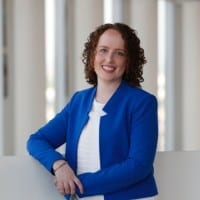
Life with multiple chronic illnesses is physically and mentally challenging. Feelings of exhaustion and emotional fatigue crowd in with physical symptoms and can be overwhelming in your daily life. How do you find balance? How do you find a way forward and regain joy in your life? We posed these questions to Keeya Steel, founder of the popular Hells Bells and Mast Cells on social media. As someone who lives with POTS (postural orthostatic tachycardia syndrome), MCAS (mast cell activation syndrome), and hEDS (hypermobile Ehlers-Danlos Syndrome), she is all too experienced at trying to find that balance. Keeya shares her journey through a childhood peppered with “you’re making this up” accusations, as well as her diagnoses as an adult that brought relief and despair in equal measures. Keeya speaks openly about how humor helped her find her way forward through some dark days, and her decision to share that humor with the world. She shares her emotional journey to accepting her chronic illnesses and disabilities. Keeya also explains the online course she created with Dr. Linda Bluestein on optimizing medical appointments with complex illness, and why she wanted to share that course with others. Keeya reveals tips on getting the most out of doctor’s appointments and discusses her experiences with finding new medical professionals. “In the end,” Keeya says, “I want people to be more open to hope and future joy.” An inspiring episode for us all so don’t miss it! More information about Keeya can be found on her website. . . . . . #Hope #Resilience #Disabled #ChronicIllness #DespiteTheOdds #PotsSyndrome #MastCells #EhlersDanlos #hEDS #Advocacy #ChronicIllnessCommunity #MedicalProfessionals #MedicalGaslighting #ChronicIllnessSupport #Accessibility --- Send in a voice message: https://podcasters.spotify.com/pod/show/bendy-bodies/message
Watch
Guests
Transcript
[00:00] Jennifer Milner: This is co-host Jennifer Milner here with the Hypermobility MD, Linda Bluestein.
[01:30] Dr. Linda Bluestein: We are so glad you are here to learn tips to help you self-manage your conditions and live your best bendy life. This information is for educational purposes only and is not a substitute for medical advice.
[01:41] Jennifer Milner: I'm Jennifer Milner, a former professional ballet and Broadway dancer, and I struggled my whole life with hypermobility-related issues and injuries. Now I train dancers and want to make sure the next generation of hypermobile artists are better equipped to work to their fullest potential.
[01:57] Dr. Linda Bluestein: I'm Dr. Linda Bluestein, and I started Bendy Bodies as my second podcast to educate the hypermobile community. Despite being a physician, I experienced decades of symptoms before being finally diagnosed with hypermobile EDS, and I too have been gaslit and felt completely alone in my journey.
[02:14] Jennifer Milner: Our guest today is Keeya Steel, founder of Hells Bells and Mast Cells, and co-founder of the online course Maximizing Your Medical Appointments. Hello, Keeya, and welcome to Bendy Bodies.
[02:27] Keeya Steel: Hello.
[02:29] Dr. Linda Bluestein: We're so happy you're here.
[02:32] Jennifer Milner: Yes, we are. So tell us a little bit about yourself, what it is that you do right now.
[02:37] Keeya Steel: Yeah. So I start the story when I was 29. I developed very severe health issues. I had been struggling with IBS and food intolerances throughout my 20s. But when I turned 29, I developed really bad hip inflammation to the point that I was struggling to walk and I needed to get disability parking. And from there, my health just kind of started falling apart.
[03:04] Within a year, I was diagnosed with mast cell activation syndrome. This was in 2015 when it was quite rare for doctors to hear about mast cell activation syndrome, but luckily I was on the same campus as a world-renowned specialist, and I was diagnosed. But looking back, of course, I've had symptoms of mast cell activation syndrome my entire life, starting from the day I was born. I was born with strep, and then I was diagnosed with hEDS and dysautonomia several years after my mast cell activation syndrome diagnosis. But remember, at the time in 2015, that trifecta wasn't as well known. Mast cell activation syndrome was not on the internet in 2015. And the signs of hypermobility and EDS — I was referred to an orthopedist when I was 3. So getting those treatments has helped me a lot.
It was a 5-year journey of trying different medications with mast cell activation syndrome. You have to meticulously try different treatments slowly, methodically. And I had a lot of relief at first, and then I plateaued for about a couple of years. And then kind of out of nowhere, I tried a new medication in 2021 and it put me into remission from my mast cell activation syndrome symptoms. I had very severe mast cell disease symptoms. We're talking about not being able to have my family over for birthdays and Christmas because the scents would trigger such severe reactions where I'd be sick for like 2 days. So it wasn't even worth celebrating my birthday with my family. I was limited to about 15 foods. And yet my intestines were still inflamed — they were bleeding at the time — and joint pain, trouble sleeping. I had very severe mast cell disease.
[05:21] And so I started this treatment. I'm still taking that treatment and those symptoms are gone. I can eat what I want. I began doing what I call adventures and trying new things, and I learned to surf. I started traveling. And lately I have been really into figure skating. It was a dream of mine as a child. When I was 12, I wanted to be a competitive figure skater. But the hypermobility, the hEDS caused me a lot of issues, not to mention the dysautonomia.
[05:57] What was happening to me at the time as a child was that my joints and my feet were subluxing. And also I couldn't feel my feet because I didn't have correct circulation. And unfortunately, at the time, there wasn't enough knowledge. They said, well, maybe it's a stress fracture. And then it eventually just kind of devolved to saying, well, maybe she's faking it. Maybe she doesn't care about the sport as much. And that was extremely hard for me.
[06:26] It's funny because when I went into remission, I wanted to try figure skating and no one had heard of this dream, because I had stuffed it so deep inside of me. I was so ashamed of what I had experienced as a child, not knowing that I could have received help for my body to help me skate.
[06:51] Jennifer Milner: Wow. That is definitely something that I'm sure has shaped your life. And I love that we're having this conversation with you. A lot of times we speak with people who are high-end elite athletes and they talk about what they had to overcome and when they got their diagnosis and how crucial it was at that point to be getting the support they needed from a young age. And it's really interesting to speak with someone who was emotionally and mentally wanting to be one of those people, wanting to be one of those elite athletes, and encountered the same issues but didn't find the support that was needed.
[07:26] It's really powerful and I think it will resonate with a lot of people listening to hear about how it sort of emotionally shaped the rest of your life, or at least the rest of your youth. And it's really inspiring that you found yourself in remission and found yourself in a healthy place where you can go out there and do something that you always wanted to do, and that you're pursuing it absolutely for yourself. And how heartbreaking that it's a dream that nobody else knew that you had, because you had folded it up and tucked it away just because of the response that you were having. So it just shows how important it is to have that early intervention.
[08:02] So this whole thing has happened up until age 29. You started to figure out what was going on with your health and you started to get control of it and you went into remission. And what we want to talk about today is sort of the advocacy side of it — learning about yourself and being able to speak up and being able to live with disabilities like this. Somewhere along the way you started social media and put out there, hey, this is my struggle and this is who I am. What made you want to turn to social media during your health journey?
[08:41] Keeya Steel: I had always had a dream of writing. And I had a life-threatening experience in 2016 where I needed an ambulance for a mast cell reaction. I was in the ER and they didn't know if I was going to make it. I was hooked up to the IV, hoping the medications would kick in. And so I really had that life and death moment where I was like, oh, I haven't done the thing. I haven't done the thing that I'm called to do. And I can write. My disabilities don't prevent me from writing. I might have to do it at a slower pace, but I can still pursue that dream.
[09:24] And so I started writing my story and it was really sad and it was really just woe is me venting. And I realized that was not resonating with anyone — it wasn't cheering anyone up. No one was motivated to read. I had like 3 family members that were like, okay, keep hanging in there. And it wasn't giving me any motivation either.
[09:46] And so I started reading humor writers to cheer me up as I was sick, and I saw how you can connect with people through humor. And I realized that by giving other people something to laugh about, we would actually build connection. And then it would serve me because I would build that muscle of learning to look for humor in other experiences.
[10:19] It's really helped me to build a community. I know so many people say terrible things about social media, but it's allowed me to connect with other people in similar experiences and laugh together. And so while I'm creating content consistently and putting it out there, there have been so many times when I've been in terrible situations where I'm not receiving enough healthcare or I don't have the support I need, and my community has stepped in with a joke and with that same kind of levity and reminded me of who I am. It's been wonderful.
[10:56] I mean, it's so hard when you're in so much pain to connect with other people, and the instinct is to isolate, especially with mast cell activation syndrome, where you're literally allergic to other people. But when you make an effort to laugh with someone else and connect with them where they're at, it will help you too in the long run.
[11:26] Dr. Linda Bluestein: That makes sense. And we know that mast cell activation disorders are definitely on a very large spectrum, and it sounds like you were really on the severe end of that spectrum — reacting to members of your own family. I've definitely had patients like that where they can eat 3 foods and they're just extremely limited in who they can be around. And it can be so hard to advocate when you're so disabled and feeling so crummy.
[11:54] And I know that's something that you've been really great about in your blogs and in your social media. You're a great advocate for yourself and for other people. What advice do you have for someone who is struggling with accommodations? And are there certain accommodations that you've found, through your audience and your readers and listeners, that you think are most important?
[12:20] Keeya Steel: What I would say, from my experience being in remission and having had many disability accommodations — which included disability parking because I had trouble walking, using elevators because I could not do stairs for 5 years, having a separate office — a lot of these were about working, because I would have lost my job, and then inevitably my home and my health insurance, if I had not asked for disability accommodations. So we're talking about my survival.
[12:55] And what I would say in remission is: if I had not done this, I would not be a competitive figure skater today. If I had not taken those steps to advocate for my body, even though at the time I questioned what I needed and it felt very hard to ask for those things. With the pandemic, I was dissuaded from asking to work from home. A lot of workplaces did not embrace that and thought that for some reason I wanted some perk to be home alone and not talk to anyone. And now they understand that there's no secret perk. And also, when my health is supported, I am a stronger, very efficient worker.
Day to day, I would think, should I put up that disability hang tag in my car? Do I really need to park in that spot? And as a person in remission now, I would say: do what you need. Do not hesitate to support your body. You're not doing yourself any favors by toughening it out. I understand it can be hard to explain that to other people, but there is a disability community that will support you and have your back and congratulate you for advocating for your body.
[14:26] Jennifer Milner: I think accommodations have become somewhat polarizing. I work a lot with people with neurodivergency, and I think — there's a sunflower initiative, I believe it's in the UK — you put a sunflower in your window to let people know that you're neurodivergent and may need extra help if, for example, the police pull you over. And then people say, don't put up a sunflower because people are just using that as an excuse. So people talk about how much should I talk about my disability, how much should I try to use my accommodations.
[15:04] I'm certainly not as experienced in this as you are, but it would seem to me that it would be beneficial to ask for more than you think you need and try to cover all your bases. It's what I see my dancers do in school when they have to get accommodations. Ask for more time on a test than you even think you'd need, because at some point you might realize, oh, my anxiety is kicking in and I should have that extra time. So ask for anything that you think you might need, and then whether you use it or not is up to you. I have this sense that people go in thinking, oh, I feel bad asking for this, so I'll just ask for this instead. Do you see that? Is that common — people being reluctant to ask for too much?
[15:45] Keeya Steel: I can relate that to my experience now going into remission and continuing as a figure skater. I'm in remission, and I was really worried about hEDS as a figure skater. I mean, I'm literally flailing my body on the ice. This is not something I chose strategically, but this is the love I have of ice skating. So I thought I was going to have all these issues with my joints. And what actually came of it is that I have adrenal insufficiency. I don't know if it was directly related to mast cell disease — that my mast cells affected my adrenals — or due to long-term steroid use. But basically my adrenals no longer make enough cortisol for me to function.
[16:38] And so I need to take steroids. The difficulty is that exercise reduces your cortisol. And all of a sudden I love athletics and that's all I want to do. I compare it to diabetes, where you're just trying to figure out how to manage your levels, because if my cortisol gets too low, I can go into adrenal crisis and it is a life-threatening situation. And unfortunately I've had that experience.
[17:11] So I went into remission, I start working with a coach, I start training in groups, and I decide — although under the ADA definition I am still considered disabled because I have this condition — I'm not going to use that term publicly anymore because I'm skating, I'm doing the thing. But then this adrenal insufficiency started affecting me. It affects my muscle strength. And I was being pushed, being told I wasn't trying hard enough. And the scary thing is, when your muscles are not strong enough to support your joints and you continue to push, bad things happen to your joints. And I tore my peroneal tendon.
It was an eye-opening moment that I will continue to have to advocate for my body. Just because I have the mast cell disease and the hypermobility under control, I still have to talk about my body. And I started referring to myself on social media as a disabled skater, because it was a friendly community that I had created. And lo and behold, other disabled skaters started reaching out to me. And all of a sudden I had other ideas about how to modify my skating and work with coaches to help support my adrenal insufficiency, talk about my disabilities in ice skating, and just general encouragement.
[19:26] So identifying as disabled can have a lot of legal benefits and protect your job and employment and give you access to public places, but it also has the wonderful benefit of having community and access to a lot of resources and connecting with other people who have been down similar paths.
[19:51] Jennifer Milner: That's probably really helpful for a lot of people to hear. I assume it would be scary to identify as disabled and to speak publicly about it. But as you said, there's a community out there for you — there's that support and that warmth.
[20:05] Was it difficult for you? You've talked about the legal side of identifying as disabled through your health journey, starting around age 29. Did you go through that sense of identity crisis — I just have this thing I need to deal with, I just have this next thing I need to deal with, oh no wait, I have a chronic illness, oh no wait, I have a disability, I'm disabled? Did you go through that? And if you did, would you talk about that a little?
[20:30] Keeya Steel: Absolutely. I had a rheumatologist at the time. I was having trouble using my hips and walking and getting MRIs, and nothing was showing up because it was mast cell-induced inflammation. And I had a rheumatologist that said, take 2 weeks of FMLA and then come back. And what it came down to was that I had to budget my sick time to keep my job. I budgeted my sick time more than I budgeted my checkbook, because if I lost my job, there goes my checkbook. And I think that helped me understand the long game of chronic illness and not be in denial that there was going to be a magic pill.
[21:26] However, when I was diagnosed with mast cell disease, I thought, hey, we'll try some medication for 6 months and then I'll feel better and I'll get back to doing some things. But with these complex diseases, like with mast cell disease going into remission and thinking, maybe this is it, maybe this can be the rest of my life — I still have permanent damage from those conditions and I still will have to manage those conditions. I mean, I could get a virus and that could affect my immune system. Our bodies are dynamic, complex organisms, and unfortunately they require constant effort.
[23:15] Dr. Linda Bluestein: And that's true for anybody, right? We didn't know before COVID what we definitely know now — the huge impact of these viruses. We're getting so many more people with long COVID, and side effects from these viruses, which we know have impacted people before. More people with dysautonomia definitely had that onset following a virus than a lot of people, I think, are aware of.
[23:38] You've been very passionate about helping people with complex illness, and a while back you had the terrific idea of creating an online course to help people with complex illness get more out of their medical appointments. And you invited me to be a part of that project, which I was very grateful for. We had a lot of fun recording that course, and a lot of people have really found it very helpful. Can you talk a little bit about what inspired you to do that project and what kind of feedback you've received from it?
[24:11] Keeya Steel: Absolutely. I grew up going to a lot of health appointments. My mom was a nurse who helped me navigate. But when I hit 29 and I started going to all the different specialists and trying to figure out how I was going to do it financially, I had the experience where several healthcare systems in Minnesota stopped taking mast cell disease patients. And so not only was I struggling to educate doctors about mast cell disease because there wasn't a lot of information about it — there were actually policies being put in place to prevent me from getting medical care. And I had to learn about private practices. Why were these policies getting put in place?
[25:11] It was incredibly frustrating because there were hundreds, thousands of patients diagnosed in Minnesota that needed help. The desperation of severe mast cell disease is very real. And it was like, I'm going to lose my job and my home — and then what? And we know that if you don't get on top of the symptoms and start to treat it, you can develop more complications that make it harder to treat. If your digestive tract starts bleeding, you're in big trouble.
[25:48] So I wanted to take what I had learned connecting with other doctors and help educate patients, because no one teaches patients how to advocate for themselves. Unfortunately, I know a lot of patients don't want to accept this, but we have to advocate for ourselves. It is our job to learn about our bodies and to be part of the doctor-patient relationship. A doctor is not going to be able to just show up and single-handedly help us without our participation. And I know — as someone who has had brain fog in an office and wanted to lay down on the floor and go to sleep and not wake up again — I understand how incredibly challenging that can be.
[26:32] And so the idea was, first of all, to have a conversation about that really real experience. And how can we equip you with information to connect with your doctor and understand what they're going through, so that maybe you're not as resentful about the insurance industry and how it's affecting their practice? And how you can take very small steps to better advocate for yourself when your body is screaming and does not want to participate in your appointment.
[27:17] Dr. Linda Bluestein: That is really helpful, because I think a lot of people are so frustrated that their doctors don't really understand much about these conditions — Ehlers-Danlos syndromes, mast cell activation disorders, dysautonomia — all 3 of those conditions in the triad. And of course, we can talk about the pentad or the quadrad or wherever we're up to these days. But if we just talk about the triad, even though things are much better than they used to be, there's still a lack of information.
[27:47] And the frustrating thing is there is low-hanging fruit out there. There are things that people can do — which of course inspires Jennifer and me to talk to people and bring that information in an accessible way. This podcast is free to listeners. But then also for people to have that information so that, when they're in their one-on-one sessions with their doctors, they can better connect and get more out of those appointments. Do you have any specific tips that you could offer to people who are struggling to get the care that they need?
[28:21] Keeya Steel: The first tip is to not walk in with resentment — which I know can be really hard — but learning about why medical appointments are so short and why there are insurance restrictions. I have one neurologist who hates doing prior authorizations because they take so much time. And going in with that knowledge is really helpful because then I can meet her where she is.
[28:49] Going back to when I was writing my blog and it was really sad and no one wanted to read it — and then I added a little humor and all of a sudden people wanted to read it and were excited about it — you want to connect with your doctor also. And I know it takes energy, but if you build that relationship and start connecting on a human level, you're going to have a better outcome. They're going to remember you. They're going to say, hey, this person really wants to problem solve and actively participate in getting better. And that's really important.
[29:24] Dr. Linda Bluestein: And I was chuckling when you said that you have a neurologist who hates prior auths, because I am in an international group of physicians — there are about 300 of us now — and this is something that we talk about all the time. Because really what a prior authorization means is that an insurance company has said, no, I will not allow your patient to get this MRI, this CT scan, this medication, until you — the physician, the nurse practitioner, whoever it is — fill out a bunch of extra paperwork, hold on the phone, wait to get through for a peer-to-peer consultation, sit there on the phone and go through the whole story, until they finally cave in and say okay.
It's a very time-intensive, administratively heavy process. And I think it is important for patients to be aware of those kinds of things, because they unfortunately do influence care and cause a lot of frustration for clinicians. If we order something, we're ordering it because we feel it's necessary. And then to have the insurance company say, no, you have to do all these extra things to prove it — it is very frustrating.
[29:34] Keeya Steel: And again, we talk about doctors being human beings, and every human being has strengths and weaknesses and pet peeves. So if you are able to identify those in your doctor, you're going to have a better chance at working with them. Instead of going at them for the same thing they don't want to do or feel they medically cannot help you with, try to find a way for them to help you either in a different way, a different route, or by referring you. It's a lot about problem solving and working together to find the next step to help you.
[31:40] Jennifer Milner: That is really great advice, and it is wonderful to hear from the patient side. Because we so often talk with people who are frustrated with the healthcare system, and it can very often seem like we are getting onto the medical professionals, when we know that it's the system itself that puts these obstacles in our way. And it's great to hear you say that we as patients also need to take ownership and have a responsibility to be part of this relationship — not just walk in as a consumer, but walk in prepared, and try to work with the doctor and their strengths.
[32:17] So if we're doing all of this — we've tried to find their lane and tried to work with them and find what's next — and it still feels like it's not working, is there a point at which you would say maybe it's time to seek out another professional? And how can someone identify that point?
[32:35] Keeya Steel: I recently had this experience with adrenal insufficiency. I have a new endocrinologist. I don't know anything about adrenal insufficiency — I'm learning as I go — and this endocrinologist has not worked with someone with adrenal insufficiency who does athletics. Generally people with adrenal insufficiency don't do a lot of activity.
[33:02] I had a very terrible summer where I struggled with low cortisol and went into adrenal crisis twice, and it was incredibly scary. I'd rather do a tilt table test and then have anaphylaxis than go into adrenal crisis — just to set the record straight about how scary it is. It really affects your body. Hair falls out, it affects your organs. Terrible.
[33:36] And I had gone to this endocrinologist and explained that I was struggling with my cortisol levels because of figure skating, and that I needed help and possibly a larger dose. And the endocrinologist kind of blew me off and was like, it's figure skating, it's not that big of a deal. We want you to taper because it's not good to be on too high a dose — ideally you want to taper to the lowest dose possible because steroids have bad long-term consequences. Terrible summer. And I ended up tearing my peroneal tendon, I believe due to poor technique and really weak muscles on a particular day where I was going into crisis.
[34:29] I wanted to never talk to this endocrinologist again. And I was so mad because I had been having such a great time in remission — enjoying all these activities. But I remembered that in the course we talk about how, when you have these miscommunications or the doctor recommends something that ends up going really horribly wrong, it's really important to follow up and communicate with them and make sure they know what happened, even if you ultimately stop working with them.
[35:14] Jennifer Milner: You weren't following your own words.
[35:19] Keeya Steel: Yeah, I didn't let it affect what I said. I went in to the appointment — I was a little resentful, to be honest — but I told her what happened and how terrible my summer was. I basically was sleeping all the time, and it affected my personal relationships. And I was ready to say, you know, this isn't working out, can you refer me to a different endocrinologist? But instead I said, what happened, and what do I need to do as a patient to communicate my needs as an athlete with adrenal insufficiency?
[35:51] And she said, I am so sorry. I didn't understand that you had become a Minnesota state champion and weren't just skating in circles around the rink in a class. She didn't understand that I was doing toe loops and slamming my body on the ice and getting bruises. And I thought I had communicated that — I believe I tried very hard — but it's just hard to explain to people that you're an adult figure skater.
[36:24] But then she went on to say that she talked to all of her colleagues at the university about having an athlete with adrenal insufficiency and researched different protocols and showed me that, one, she was sorry, and two, she was going to try to help me. If she hadn't done that, that would have been the end of the appointment and I would have found a different endocrinologist.
[36:50] And it's terrible that we have to go through these sometimes life-threatening situations because our doctors don't understand or don't take us seriously. But it wouldn't be to my benefit to just never talk to her again, because I still have to have an endocrinologist. I rely on doctors to survive. So she might not have the expertise to help me right away, but she's willing to go out and find it and to work with me. And she is listening harder to what I say in appointments and understanding that figure skating is really affecting my body.
[37:35] Dr. Linda Bluestein: There's so much in there to unpack. One thing I want to mention first is the point you made about needing to have an endocrinologist as part of your team. Something that a lot of people might not be aware of is that many practices will not let you switch from one person within that subgroup to another. So you need to be very thoughtful about that, because you may need to switch to a whole different practice rather than just thinking, oh, this group has 5 doctors, I saw the first one, now I'll see the second one. There are reasons they have that rule — they want good continuity of care — but it's something I think a lot of people wouldn't be aware of. So it's really great that you tried to overcome these hurdles with her, because that could be really limiting if you had to go to a whole different practice and their electronic medical record system isn't as integrated.
[38:44] The other point I wanted to raise: as you were talking about the steroids, I was thinking of a couple of patients of mine who also have endocrinologists on their team and are always struggling with the dosing — wanting more steroids from their doctor while their doctor doesn't want to give it to them. Talk about stuck between a rock and a hard place. We know that steroids do have detrimental side effects. One of them you mentioned is shutting off your adrenal glands — which, for people who don't know, are glands that sit on top of your kidneys and produce critically important chemicals and hormones for your body, as Keeya was talking about. If you shut those down, that's really bad. And steroids affect bone density and can make tissues weaker.
[39:32] So it's really stuck between a rock and a hard place when a clinician is trying to dose your steroids. When your adrenal glands are functioning well, your body can make more steroids when you're under more stress and less when you're not. But if your adrenal glands don't work well, you usually have a consistent dose of steroids, and when you need more, you normally can't compensate. So that's really challenging, and I can see where that's a hard conversation to have — what's the lesser of the evils that your doctor and you are trying to decide.
[40:09] Keeya Steel: Going back to the course, another thing we cover is how to provide records and symptom lists for your doctor. And that was such a key part of talking with this endocrinologist. I had a spreadsheet of the doses of steroids I took every day and the rescue dose that I needed to take for crises, along with the symptoms. And that just created so much credibility for me. She could see that I also logged my exercise. It not only gave credibility in the appointment, but helped me to understand my body and anticipate what symptoms I would experience with which doses.
[40:53] Dr. Linda Bluestein: And that really helped her feel more comfortable, I'm sure. Because again, there's a new drug I just came across that I'm thinking, okay, do I want to prescribe this? And I'm looking at all the side effects and thinking, oh man, this is scary. But you always have to weigh the risks and the benefits. And going back to the very beginning of this conversation — when you were talking about trial and error and how a lot of people think we have a magic crystal ball and can absolutely project everything into the future and know what's going to happen — no, we don't. We have some evidence, a lot of evidence, but you providing your own personal evidence like that in a spreadsheet and being really organized and prepared can make it a lot easier for that clinician to say, okay, it looks like this is clearly what is appropriate, this is what worked. And we're much more comfortable prescribing in that way because there's that evidence.
[42:00] Jennifer Milner: I think that makes a huge difference. And I think our listeners hear consistently when we talk about being prepared — try to have your information together, try to go in there, as you talk about Dr. Bluestein, with the goal of making it easier for them to understand you and get to know you in these really complex and difficult situations.
Keeya, you have had quite a struggle in your life, and I really appreciate that you have chosen to share it with so many people and to be able to talk about it and let us learn through observing you — and laugh with you as well as we go along. You covered so many topics today. Was there anything that we didn't talk about that you wanted to make sure we discussed?
[42:47] Keeya Steel: I just want people to be more open to hope and future joy. I didn't know adult figure skating was a possibility, and it is bringing so much joy to my life. I am able to move my body in ways I never imagined. And I hope that people won't give up completely on their dreams. The timeline may be different. The venue may be different. But we're learning more about these conditions, and we're more open to pursuing joy in different ways. And I am just so excited to see where I go as a figure skater.
[43:32] Jennifer Milner: I think a lot of other people are really excited to see where you go as a figure skater and to continue watching your journey as well. So speaking of being able to watch your journey and be with you on it, where can people find you?
[43:47] Keeya Steel: You can find me falling on my butt on Instagram. I just learned how to mic up my skating, and because I lived in solitary confinement for 5 years, I'm a very vocal figure skater. So Instagram is great for my figure skating. Hellsbellsandmastcells.com is my website. Hells Bells and Mast Cells on Facebook. Yeah, come laugh with me.
[44:22] Jennifer Milner: We appreciate that so much, and we are really grateful for you being with us today. You have been listening to Bendy Bodies with the Hypermobility MD, and our guest today was Keeya Steel. Keeya, thank you so much for being with us today and sharing your journey.
[44:36] Keeya Steel: Thank you, it was great.
[44:37] Dr. Linda Bluestein: Yeah, we loved having you.
[44:39] Jennifer Milner: If you love what you learned, follow the Bendy Bodies podcast to avoid missing future episodes. Screenshot this episode, tagging us in your story so we can connect. Our website is www.bendybodies.org, and follow us on Instagram @bendy_bodies. We love seeing your posts and stories, so please tag us using #bendybody. Please leave a review and share the podcast to help us spread the word about hypermobility and associated conditions. This information is not intended to diagnose, treat, cure, or prevent any disease. The information shared is for educational purposes only and is not a substitute for medical advice, diagnosis, or treatment. Please refer to your local qualified health practitioner for all medical concerns. We will catch you next time on the Bendy Bodies Podcast.