Description
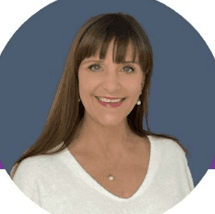
As an elite ballet dancer, Bonnie Moore Southgate danced as a soloist first with American Ballet Theatre, then with the Royal Ballet. Struggling with injuries and pain for years, Bonnie retired from dance and eventually was diagnosed with Ehlers-Danlos Syndrome. Her journey to find treatments and pain relief led to her second career as a neurokinetic therapist, massage therapist, and Pilates trainer. Bonnie specializes in working with hypermobility as well as elite athletes, and she sat down to share her dance experience with Bendy Bodies. Bonnie shares her amazing story of dancing through a brilliant career, starting with winning the Prix de Lausanne, being invited to work with Mikhail Baryshnikov at ABT, and working her way to soloist at the Royal Ballet. She is open about her injuries throughout her career, and how they shaped the choices she made during rehearsals and performance opportunities. Bonnie discusses how her EDS manifested itself while she was still a young dancer, her reasons for seeking an EDS diagnosis and how it shaped her choices. She shares her first steps into Pilates and injury rehabilitation when dance medicine was still in its infancy, and why she trained as a Pilates instructor before becoming a sports and corrective exercise specialist. She also discusses her experience with cranial sacral therapy. Finally, Bonnie looks at how far dance medicine has come in supporting dancer health and career longevity, and shares what she wants teachers and choreographers to know about working with dancers with EDS or hypermobility disorders. #ehlersdanlos #balletwhisperer #hypermobiledancers #zebrastrong #podcast #hypermobilitymd #dancer #hsd #bendy #ballet #balletdancer #keepmoving #hyperextension #hypermobility #dance #jennifermilner #dancelife #arabesque #balletteacher #ballerina #technique #pointe #pointework #balletlife --- Send in a voice message: https://podcasters.spotify.com/pod/show/bendy-bodies/message
Watch
Guests
Transcript
[00:11] Jennifer Milner: Welcome back to Bendy Bodies with the Hypermobility MD, where we explore the intersection of health and hypermobility, focusing on dancers and other aesthetic athletes. This is co-host Jennifer Milner here with the founder of the Bendy Bodies Podcast, Dr. Linda Bluestein.
[00:27] Dr. Linda Bluestein: Our goal is to bring you up-to-date information to help you live your best life. Please remember to always consult with your own healthcare team before making any changes to your routine.
[00:38] Jennifer Milner: Our guest today is Bonnie Southgate, Pilates instructor, hypermobile EDS patient, and former soloist with both American Ballet Theatre and the Royal Ballet. Bonnie, welcome to Bendy Bodies.
[01:03] Bonnie Moore Southgate: Oh, hello. Thank you. It's just amazing to be asked to be on here. It's quite an honor, I think. So thank you very much.
[01:13] Jennifer Milner: We are very thrilled to have you. The honor is ours because we can't wait to dig into your amazing story. So let's start at the beginning. You have had a very successful career as a professional ballet dancer. Can you tell us a bit about your background?
[01:28] Bonnie Moore Southgate: Yeah, definitely. When I think back now, because it was a long time ago, it did seem amazing really, looking back in hindsight. So I started ballet just in Phoenix, Arizona, which is where I was born. I had an amazing teacher, Mary Moe Adams, who — it was quite a fun place to be. It was quite social, nothing too strict, and I kind of did my thing there. And then I won the National Society of Arts and Letters when I was like 14, 15, and that was in New York. And then I got all these offers to join companies, which was a bit of a big shock moment. So I decided to go to Washington, D.C., and I joined the Washington Ballet because Mary Day, who ran it at that point, had a really great reputation. And I didn't really feel like I was ready to leave my home in Phoenix for New York, which I think was quite a wise decision.
[02:26] I had a great time in Washington, being mentored by Mary. She was very big on competition, so she sent me to Switzerland and I won there, and then went to Varna, Bulgaria, not in good shape. I think this is like — I always had the hypermobility. It reared its ugly head, and I was not great there at all. And I was on really big, bad drugs to get through that competition. But I still came away with a bronze medal. I happened to be there with Sylvie Guillem competing against her. That was bad luck, wasn't it? They didn't give out a silver medal that year. They made sure there was a big gap. It was the Bulgarian competition of bendy bodies, I tell you. So, you know, if I'd been in the adult category, I would have had so much more chance of winning than in that one. It's really unfortunate, but there we go. Sylvie was always really lovely though.
[03:38] So I danced for 4 years there, and then I got headhunted by Baryshnikov. Really, I just was phoned and asked if I wanted to take class, which I did, and he offered me a contract after. So a bit of an unreal career really in the ballet world. And then I was there for about 3 months and Kenneth MacMillan had joined as a second director that particular year, and he cast me in Juliet like 3 months after I joined. So that was also — if you talk about being at the right place at the right time, I am the girl who had that all going on. So I did that, and then I was promoted after year one. And then I was doing crazy things like opening at the Met in Swan Lake second act with Baryshnikov. It was a bit unreal. In hindsight, I was super young, probably a bit too much too soon. There was a lot of controversy about that at the time as well. And I look back on some of the reviews and there was all this "too young, too young, too young." And like, you're in it in the moment, and you kind of go with it.
[04:48] But I think as I went, it probably was too much, and I was breaking down because I didn't know I had EDS. Obviously I was a dancer, we were all flexible, and yes, I was more flexible than anyone else, so I just — that was, I thought, what made my career. And probably to a large degree it did. I think back then there wasn't as much emphasis on the hypermobility aspect of things. So I came along and everybody loved it, all my bendiness. It made it really hard for me though, keeping it together was quite really hard work.
[05:31] So by the time I left there, I'd met my husband who was English and I needed surgery on both feet. So I left and had surgery in the UK. And Kenneth MacMillan, who'd been instrumental in everything I did, was like, you're gonna join Sadler's Wells first and you're gonna come back there and then we'll take you to the main company, which is basically what I did. So I came to the UK, had surgery on both feet. Joined Sadler's Wells, which was fantastic. Met Kevin O'Hare, danced with him. He was the first person I danced Swan Lake with, and he's now running the Royal Ballet, so that was great. I ended up then transferring to the Royal Ballet, and I was a first soloist. So they've got another position, like a ranking in England that they don't have in America — the people that will usually go on to be principal. So you do a lot of the principal roles as a first soloist.
I found it really obviously hard work. The Royal Ballet was amazing. I got to rehearse a lot with a lady named Gerd Lawson who used to train all the greats, and she is the person who got me. She would look at me and go, you need to sit down, you've had enough, and make everybody else continue. She was really fab, a lovely lady. You get these people in your careers that kind of make and break you. But I had only been there a couple of years and I needed another surgery on my foot. I did struggle. And I, at that point, thought I've had enough. I've had a great career. So I was gonna go off sailing with my husband. And Kenneth asked me if I would play the role of Louisa in a remake of Carousel, which he was choreographing. I did that, and he unfortunately died during the choreographing of it. He'd done everything but my solo, so I had to choreograph that. That was also daunting. And then I retired after that. He had been too instrumental, and I was just kind of wrecked by then. I'd had knee surgery. At that point I was just like, I'm tired. My husband and I then just set off at sea.
[07:46] Jennifer Milner: So I feel like there are about 6 different conversations that we can have here, because part of me just wants to completely fangirl and dig deep into what life was like during this extraordinary time. Because you just kind of glossed really quickly over a few key things. You were like, I went to Switzerland and I won — skipping over the fact that you won the Prix de Lausanne. Huge deal. And then you're saying Baryshnikov invited me to take a class and I got a job, which is what happens to every dancer. Every dancer gets invited to take a class with a major ballet company and then offered a job. That's how every dancer gets a job.
[08:24] And then you're saying that you just happened to be at the right place at the right time, which I think anybody who's seen you dance would strongly disagree with and say that however much luck you have, if you don't have what they're looking for, that luck isn't going to do anything. So I think there was a fair amount of hard work in there. And then let's also not skip over the fact that, as you mentioned, you were pretty young. And I think you were part of that first group of baby ballerinas that was sort of all the rage. A fair amount of focus was on Balanchine and his baby ballerinas, but that wasn't the only place. You were part of that first group of dancers who were really starting to dance at a younger age, which is more commonplace now. And you were part of that cultural shift, with the good and the bad that goes with it. So there's a whole lot to unpack in your amazing career.
[09:22] Bonnie Moore Southgate: How much time do you have?
[09:25] Dr. Linda Bluestein: This could be a 4-hour episode.
[09:28] Jennifer Milner: But the thing that we wanted to talk about, the thing that we wanted to have you share with our listeners, is it's been a struggle for us as the people who do this podcast to find examples of people who have had an amazing and healthy career with EDS. It's difficult, as you know, because you went through it. So it's great for people to hear, yes, I had it, I struggled with it, here's what the tipping point was, here's where it took me down. And saying that at Varna you were taking a fair amount of medication just to try to help you get through it, ankle surgery, pain in the knee — all of these things. So that other side is what we want to unpack today. But it is difficult for me to walk away from that amazing and juicy career and not just completely pick your brain.
[10:16] So when you look back on this amazing career, you mentioned the ankles, you mentioned a couple of surgeries. Did you feel great up until the Varna competition — would you say that was probably the earliest sign that your tissues were not supporting you the way they needed to be? And after that, was it just sort of a part of your life, or was it something that would flare and then just kept flaring more and more frequently? How did that start manifesting itself in your career?
[10:46] Bonnie Moore Southgate: No, I think it manifested from birth. I mean, I had events — I look back as a very young girl walking down the hallway at a friend's house and I broke my toe. I didn't actually do anything. So like, that's not normal. As a child, I just — my father was a pediatrician, so I was very well looked after. So if I wasn't well one day, I would look at him and he would put a tongue depressor on my tongue and he'd say to my mother, she needs to stay home today. Give me ice lollies and Coca-Cola. I was really looked after. I didn't do sport in school. My father gave me notes that wrote me out of sport in school, and the excuse was I had so much dance after. So I used to do my little ballet classes — 3 classes a day after school. I'd go and I'd do the class before mine, my class, and the adult class. I'd do my class properly, but I'd pop into the other classes. But I didn't do any of the sports activities at school that I think would have probably not been great for me.
[11:59] And I think the dance, although how you approach dance is really important, probably held me together. I did have odd occasions — I just remember having my arm in a sling, but I don't remember why. But I had Daddy who always looked after me. So I did have that really amazing support network that I think probably made a huge difference in my being okay. And you hear stories of people a lot who've got EDS and with children, they're not believed, or they might be in pain, or the parents don't understand, and the physicians don't understand. I was really lucky. I was totally encased in complete care by my father. So that probably made a big difference in how I was. And I also think my ballet teacher was really instrumental because she was still just amazing. And it was like, pull yourself together, pull yourself together, pull yourself together. It wasn't about the mobility at that time. And I think that approach was what I needed.
[13:08] But I do remember right from the get-go, it was so hard to pull myself together. Everybody else was trying to stretch. It was so hard for me to pull myself together. Doing classical roles was so hard for me because just to maintain contraction of the muscles long enough was super hard. I also remember anything allegro — I was like, no, don't give it to me. I cannot move quickly. I cannot get my muscles and my limbs to go quickly. Everything I loved was all extension-related and adagio and all of that.
[13:41] And I think as I progressed through my career, I kind of — Washington Ballet was great. We had an interesting choreographer who choreographed stuff that was really good for my body. And then when I got to ABT and I was looking at having to do more of the big classical pieces, that's probably where things did start to take their toll, because I was asking much more of my body at that point to try and do these things. And I ended up with about 8 bone spurs. I think it was just end of range, bang, bang, bang on the bones. So that would've been progressive. And I ended up just feeling like I had knives in my feet the whole time. So it was difficult. But I also suffered with a lot of stress fractures, which again would've probably gone with the hypermobility. I was the only one coming back from tours with stress fractures. I had no idea at that time. I just thought that was what came with the profession.
[14:45] I had drugs all the way through. I was just given nasty drugs all the way through. Didn't question it, didn't really care as long as it kept me going, because that was my mindset and that was what it was about. I just made the assumption that that was normal. Because as dancers in those sorts of companies, you don't do anything for yourself. American Ballet Theatre had a fantastic physio, Peter Marshall. And I was just in there every day and he just popped my cuboid back in. He's like, I'm gonna write a paper on this because it keeps popping out. And he'd be like, I can feel your spine through your stomach. I'm like, isn't that normal? He said, no, your organs are moving out of the way. Little things. I was just kept held together because I had that on tap every minute of every day. We had the best surgeons, we had the best physicians on tap. So in my situation, I was young, but I was still held together by this kind of network of people at the time. It was always there though. The damage got cumulative as I went, I think.
[16:07] Dr. Linda Bluestein: And I'm so glad that you mentioned about being given medications to help you get through performances and competitions, because I was at a dance medicine conference recently and we were talking about pain in the dancer and different worrisome signs. And I said, a huge worrisome sign is taking a lot of medication to get through class and performances. But you're right — at the time you just think it's normal because you don't really know any different. And so I think that's a really important message for dancers to hear.
[16:45] Bonnie Moore Southgate: Yeah, definitely. And I think unfortunately in my case, because it was that baby ballerina time and it was like the competitions and stuff — it's like you get through it, you've had that much preparation. But I was given something called Butazolidine. They don't even give it to humans anymore. The side effect is leukemia. That's what they give a horse to finish the race with a broken leg. I was given some really — it's amazing I'm alive. And ibuprofen off the shelf. You don't think about kidneys or your organs. You just pop whatever you need and off you go. It was just normal.
[17:34] Dr. Linda Bluestein: And you were diagnosed with EDS after your retirement. Do you regret not having more information about your condition while you were dancing? And what would you have done differently?
[17:46] Bonnie Moore Southgate: Yeah, definitely. I never put much importance on the diagnosis later in life. But when I look back, I think it would've totally changed my approach in terms of the need for strengthening or extra work. And also it just, mentally, the coping mechanism of it all — because I do think I got fatigued more than other people. I think that I'd go into rehearsals and other people seemed to be able to keep going and I was like, on the floor in pain and all of that. And I think had I known that, I would definitely have taken more care to do certain things to look after myself better, which I didn't — it just never came into the picture at all for me.
[18:36] I remember Cynthia Harvey once saying to me, you really should be doing Pilates alongside this. And I'd only done Pilates for rehab from injury. I never did it alongside dance. I was really young. I just was out there kind of floating around by myself. I did the Pilates and would come back from injury and be like, well, I feel a bit stronger, but I never connected the two. I was just like, back to dance class. And when I did the Pilates, I was like, why are they asking me to breathe? Why are they asking me to do this? Get me in legs and straps and do something that's like a plié. I didn't get it. I was too young.
[19:23] Jennifer Milner: Well, and I think dance medicine was young at the same time. Everything was sort of evolving along with you. The idea of cross-training as a regular part of a dancer's regimen really didn't exist for a long time. So it was impressive to me when I was reading through your biography that you did start doing Pilates while you were still dancing. And even if you were just dipping into it as a rehab tool, that's still more than a lot of dancers did. You instinctively felt it, but also at the same time were just trying to figure out how to keep moving and how to keep going from one day to the next.
[20:07] So with the Pilates, did someone suggest to you, hey, you're injured, so you have to go do Pilates, or did you seek it out because you were injured? And did you find it helpful in trying to put all the pieces back together again?
[20:25] Bonnie Moore Southgate: So originally I first heard of Pilates in New York, but I never really took up on it. I was — I think I was quite difficult, really. I remember being approached by agents and all sorts of people, and I was like, I don't need anyone. No, I'm fine. I think some of that support network maybe I could have had. I remember Leslie Brown mentioning it, but it was faddy. It wasn't a thing. It was just a fad. And some of those dancers were off trying it. I was like, I'm not spending the money for that.
[20:59] And then when I went to the Royal Ballet, having had surgery on both feet and then needing another surgery, that's when I started doing the Pilates. Yes, I was made to do it. They had a studio, and when you were injured, you went and you did an hour a day every day. That was what they made you do to stay in shape and to help with recovery. So that's where I really got my first experiences, which were great. She was a great teacher. And again, I didn't understand it. I remember — I remember so vividly in my head coming back and having a little private class with Monica Mason afterwards, and she was so shocked at how strong I was coming back from my injury. And that's because I was doing things on the Pilates equipment with resistance. And of course, my body provides no resistance. So trying to strengthen without that — forget it. It's just flinging your limbs around and stacking bones. I didn't really have any muscles going at all through most of my career. It was just grit your teeth and get through it.
[22:13] But when I did the Pilates, obviously I was working against a bit of resistance, so I had to develop a bit of muscle. And I think by that time I was kind of feeling undone as well. So had I had that right from the get-go, I think my career would've been really different. It would've really benefited me hugely. So yeah, the Pilates was good for me.
[22:42] Dr. Linda Bluestein: That's interesting as you're describing that — I have this visual, we've seen dancers like that where the limbs are all kind of going and, as you said, there's less control and just kind of hoping for the best. It's fascinating how you're describing that. And getting back to EDS, what was the process like of getting your EDS diagnosis?
[23:04] Bonnie Moore Southgate: So as far as EDS went, I didn't really twig that I had anything going on until I did my Pilates training. For my original matwork training, you have to do an essay. And I remember going to my mentor, who is this amazing ex-trapeze artist, and she was like, you should do it on hypermobility. I'm like, why? She looked at me and she's like, oh my God, I've never seen anybody like you before. And she's a trapeze artist. And then I went home and I kind of Googled things, and I was like, oh my God, that's me.
[23:39] Jennifer Milner: Okay.
[23:40] Bonnie Moore Southgate: That caught my interest and I was off. So from that moment on, I was aware of it. That was really my initial training in Pilates, very beginning, that I then understood it. And then it just became a journey from there.
[23:56] I only got my diagnosis, number one, because I have 3 children and it's helpful for them for me to have it. But also when I talk about the condition, I have the diagnosis behind me. So people actually do believe me, because I think sometimes with my career, people won't necessarily believe I have EDS. So I needed it in a way for credibility. But I knew — I knew I ticked every box. It was very clear that I had EDS.
[24:35] Getting the diagnosis was easy because I ticked every box quite clearly. I just sent an email to Professor Akin, and he was really busy, and I said, I'm not here because I need your services, but I wanted the diagnosis because I'd managed myself — I'd learned how to manage myself. So I went to one of his colleagues that he recommended and went in there, and actually she looked at my arm span and was like, have you had your heart looked at? She looked a bit freaked out by me, actually. So I got that diagnosis. It wasn't questionable. I ticked all the boxes really quite easily.
[25:14] Dr. Linda Bluestein: Sure. And I think you just hit on such an important point. I know, Jen, you probably hear this all the time — I hear this all the time — people saying that it is not possible to have a professional dance career, especially a professional ballet career, and have EDS. And I know people who definitely have EDS. And it's hard, for sure. But it's not like it's absolutely — it's kind of an advantage and a disadvantage all at the same time. So it's really important. This conversation is so important, and people learning from your experiences and your story. And I would love to know — looking back — did the EDS diagnosis afford you any aha moments?
[26:03] Bonnie Moore Southgate: Oh yeah. Well, the diagnosis didn't as much as just the realization that I had it. My aha moment was with that girl going, you're nuts. And then I started to pay attention to what she did with me as well. She'd be like, can you feel that? I'm like, I don't feel anything. And then she's like, but your scapula is moving like 4 feet — you can't feel that? I'm like, no, I can't feel it. And I think then I started thinking, oh my God, when I was dancing I always had trouble with my arms. They were my worst sort of bit of me. And everybody — my arms were always a bit awkward — and I'm like, because they weren't even attached to my body.
So yes, if I'd gone back having had my diagnosis, I think everything would have been approached differently. I don't think I would have needed my surgeries. I think the reason I needed them was because I was so hyperextended in my knees. And if I'd ever done anything, not that you can't hyperextend your knees and dance, but if I'd done something to counter it aside from my dance, I could have really changed the mechanics of how everything worked. I think I would have been stronger and probably gotten through my career with so many fewer issues and injuries.
[27:36] Jennifer Milner: Well, dancers everywhere who are listening to this podcast right now, and other artistic athletes — I mean, I can practically hear their heads rattling as they are nodding vigorously to all of this. So many of the things that you say resonate for me and for my dancers as well. You talked about your fatigue and how it was just hard to be in the dance studio. You talked about how hard it is to build muscle, and how you can't feel your scapula even when it's literally inches off your rib cage. All of these things — you have these teachers that eye roll or get impatient or think that you're faking it when you're talking about how tired you are, or think that you're just being a prima donna. It's really encouraging to hear from someone who's had a successful career that you went through these things and felt these things as well.
[28:22] Because it is something that we are trained as artistic athletes to push past the pain, to push through the fatigue, to sort of move beyond it. But we also have to acknowledge that there are some parts that are not healthy, right? It's okay to try to dance when you're tired and you still have to get through Act 3, but you have to start to recognize what is not like everybody else in the room. And you were able to see — and you had a few people in your training career, it sounds like, who could see that you were different. Someone would say, hey, it's time to sit down. Or, hey, it's time to go do Pilates and do your exercises and help you pull everything together.
[29:01] So with the Pilates that you did while you were dancing, and then you retired from dancing completely — what led you to seek a Pilates certification after that?
[29:11] Bonnie Moore Southgate: So when I left dancing, I decided — I just mentally needed to leave and do something different. So my husband and I actually went cruising for 4 years. We left, we had decided we were just crazy young people that were gonna go sailing and never come back. And then I had my first child in southern Italy, and we decided to come back. I'm a fidgeter. I wonder why. I was never going to be the stay-at-home wife with the kids. And my body — I knew I needed to do something for my body, so I decided not dance because it was an after-school career and I was having children and I wanted to spend the time with my children. And I thought, I could teach Pilates, and that would be really good for my body. So that's what really drew me to the Pilates initially.
[30:07] But what was very interesting is I probably had more problems at the start of my Pilates training and my equipment training than I ever had. And I think that was because my body — as long as you weren't challenging it with load and because I'd strengthened enough — it was okay. But everybody got very excited because I was an ex-ballet dancer who'd had that career, so they used to load me up with stuff and expect me to do all the big classical stuff. And the minute they'd up the springs, it was like the joint would just slide out. And that again was a really big learning process for me. I became obsessive about the movement of the bones because mine just kept falling out, really.
[30:57] I remember saying to Linda as well — when I was dancing in New York and I was sending love letters to my husband across the Atlantic — I was reading these letters and they were going like, I just don't feel like my bones will stay in place. And I'm like thinking, oh my God, how did nobody ever twig that I had EDS? But I guess it just was never really on the radar back then for a diagnosis.
[32:27] But it's so obvious now.
[32:29] Dr. Linda Bluestein: And Bonnie, you and I have talked about sharing your story in a few different ways. Of course, this podcast is one great way, but I think you could — it would be fabulous for you to write a book and you could include photos, little snippets of those things that you wrote, because it makes it so real. I mean, that's just fascinating that you came across those.
[32:53] Bonnie Moore Southgate: I know. Well, I am writing a book, but it's not on that because — I swear that after this one, I was never going to write another word as long as I live. I grew up and my brain was developed through movement, not writing. So it's like the hardest thing I've ever — forget the EDS — writing, that's really the challenge.
[33:23] Jennifer Milner: Well, but you had to write an essay as part of your Pilates training, right? And that essay sort of led you to do your deep dive into your hypermobility, which led you to dig into a diagnosis for EDS. And I also noticed that you pursued additional training, and I would love for you to tell me what made you want to pursue that additional training as a sports therapist and a corrective exercise specialist.
[33:49] Bonnie Moore Southgate: So that came about, I think, partly because of my fascination just with the human body. And although Pilates was great and I learned a lot, I come from a really medical family, so medicine and the interest in anatomy have always been there. I always thought — and I go back again looking at some magazines I was in, and they said, what will you do after dance? And I always said physiotherapy. So I always had an interest anyway.
[34:20] Now, because I moved to the UK and my education was through correspondence through Nebraska University — finished my high school education that way — I didn't have the normal educational background. And I probably, if I'd been in the States, might have pursued physiotherapy instead. But it was easier to do sports therapy than physiotherapy in this country for me.
[34:47] Not only that, I've been working with footballers of all things, here, and I was getting really cranky because I was seeing things that I didn't understand. And neither did the physios. The physios weren't clocking what I was seeing. Because I was looking at movement. I was looking at them in a different way. And I was like, can't you see this? This isn't right. You've gotta deal with this. And as I became a better Pilates teacher, I saw more and more things that I felt I didn't understand why I was seeing them. So I started going on little courses. I call myself a course whore. I am known for going on every course going, and I don't care if it's evidence-based or not. I go on every course that comes out. Because there's something to learn from everything. And every course I've been on — I've been on hundreds of them — I convert into EDS. So I'll go through — I used to go with a lovely friend. We'd go together on these courses, and it used to drive her nuts because she could see in my brain it being calculated into, oh well, that was interesting. Like my advanced MET course — it was only the eccentric phase of MET that worked for me. And then I'd go back to the clinic and be like, trying it on all the hypermobile clients. Oh, that's the one that works for us.
[36:18] So sports therapy was a great thing because I thought it would convert into working with dancers as well, or populations of people that I thought I was interested in. I think I've just in the end gone much more down the EDS route because I understand them, and actually a lot of people don't seem to, so I've quite neatly gone into that. And then I don't know that I would've done all the courses I've done, because you really have to — although sports therapy is also evidence-based only, Pilates isn't. So I was able to go out and explore more. I think that's what took me into craniosacral therapy, which was the only thing that helped my neck, bizarrely. A lot of things haven't been researched. But yeah, it's just sports therapy I name because it's a qualification that people understand. I've done so much stuff really that you have to go under the banner of some things, don't you?
[37:33] Dr. Linda Bluestein: I think the path that you ended up on was perfect for everyone that you work with and your personality, because you are pulling together all of these different areas. And you and I are also in an EDS ECHO group together. It's fascinating that you're bringing up evidence-based medicine, which is sometimes abbreviated as EBM. And in the world of EDS, there's not a lot of evidence. We need a lot more evidence, but it's really a risk-benefit thing. So when I'm working with patients one-on-one, a lot of the things that I'm recommending might not have a lot of evidence behind them, but I'm always evaluating the risk versus the benefit. And if something like craniosacral therapy has minimal risk, then why not give it a shot? So I think it's great that you're doing all of these different things and pulling them together. I've heard of craniosacral therapy but don't really know a lot about it. Can you tell us more about why you think it's helpful for people with EDS and explain what it is?
[38:42] Bonnie Moore Southgate: So I don't really like explaining what it is because I think the explanation isn't great. I think one of the reasons it's not been researched well enough is — I did my craniosacral therapy with the Upledger Institute, which I think is fabulous, and my God, these people are so knowledgeable about the anatomy and everything to do with it. But there are a lot of claims made about systems that we don't have evidence to back up, so I wouldn't want to claim that it does anything specific.
[39:20] I think from my perspective as the type of therapist I am, you definitely have neurological input with your hands. Think of the cranium and the dura and just that neurological input — it's massive. I don't know how it works entirely. I was drawn to it — not from the EDS side — but I had done work with a really amazing physio here named Jenny Cardew, who was the first person to qualify with Diane Lee in the Integrated Systems Method. It's like a small world. Anyway, Diane Lee very kindly allowed her to teach me the ISM method, and she had family down near me. So for almost a year, she came down, and cranial corrections were part of what she does in looking at the driver of things. And I know that she did things like ultrasounds on bladders, and you could do a correction of the cranium and see the bladder move into place. So whether it's a fascial connection, whatever it is, I don't know.
[40:38] So in looking at what might influence a person's pain, I started doing these cranial corrections and it was bizarre because you could unlock neurological tension by doing a correction, which was unexplainable. And so I was like, I need to know more about this whole cranial thing. So I then decided to go and do the craniosacral therapy training. I've only done level 1 — I'm not a craniosacral therapist; I practice craniosacral therapy — just to make that really clear.
[41:18] And I found it helps on both the sympathetic and parasympathetic side, sort of bringing the sympathetic nervous system down. I think there has been a bit of study on that, which we know — with people with EDS, a lot of times they can end up in a state of sympathetic overdrive. So on that level alone, I think it's really beneficial. But for me, I had a really locked neck and I couldn't move at all, and the only thing that helped that was craniosacral therapy. I don't know why — muscles from jaw, I don't know why — but it really can have a profound effect. It's a bit of the body that they say everything is fused, and they completely ignore in rehab, in musculoskeletal work. I was trying to read up on some of it and there just isn't enough research. There was one paper that was like, well, certain bits don't actually fuse until you're in your 80s. And some people it does and some people it doesn't. So possibly the EDS community has less fusion, or the integrity isn't quite there.
[42:26] So I use it quite a lot and do find that people really benefit and love it. I give my clients the ability to ask for what they want from me at the time they come in. So if they're highly stressed, if they've had really bad POTS, it might be a craniosacral therapy session, or they may feel they want to get into the Pilates studio and do stuff because they've been having more subluxation issues. So I listen to the person in front of me and we work from there, really.
[42:57] Dr. Linda Bluestein: That is so fabulous. What would a craniosacral therapy session be like if I'm coming to see you for that? I think it's one of those things that's kind of hard to wrap your brain around. What would I be experiencing?
[43:15] Bonnie Moore Southgate: So it's super, super, super light hands-on touch. They use grams, and it's like 5 grams. It's the equivalent — in America, like a dime — a very light weight. If you put that on your hand, that's how light it is. And actually, the lighter you touch somebody — and I'm a manual therapist and I've learned lots of different manual therapy techniques — the lighter you put your hands on someone, the more feedback you get and the more interaction you have with that person's system, because you're not threatening it. It's like you have to be invited in by the body, and craniosacral therapy is very like that.
[43:50] The positioning of the hands is down at the sacrum, which is where your parasympathetic nerves come out. So you are at the top and the bottom end where all the parasympathetic nerves come out. You're at the base of the cranium. You do little bits maybe in between — looking at where the body is in half — so you're looking at where the diaphragm is or the pelvic floor. You're looking at those different areas of the body. And you're really letting the body decide what happens. It's very much not a do-to, it's a do-with kind of thing.
So you spend a bit of time at the sacrum. There are protocols for the hands-on placements. Then you're looking at the different parts of the cranium, looking at the different bones. The placement of the hands is specifically so that you're on the bone that you want to be on — you're not overlapping bones. And again, there's a protocol of what you're doing. It just feels super, super light hands-on, but people will give feedback that they're actually feeling huge stuff going on. My personal experience was like somebody was pushing my nasal everything out — like it was decompressing. Everybody gets different sensations, but they can have quite big sensations. It's quite an interesting technique. I think it needs research done. Whether it'll ever get funding, I don't know, but it would be really interesting to have some proper research done on it.
[45:33] Jennifer Milner: Definitely.
[45:34] Dr. Linda Bluestein: And I think an area of research that would be really interesting to me — I have a lot of patients with arachnoiditis. That's inflammation of the arachnoid layer, and people with EDS are at increased risk for that. I think craniosacral therapy would be a fascinating therapy to study with arachnoiditis, which is a pretty stubborn condition to deal with.
[45:55] Bonnie Moore Southgate: Yeah, absolutely. And the original thought process behind it was that it was going to restore the CSF flow up and down. And we look at the possibility of venous drainage issues in the hypermobile community, and whether it's really helping with that whole — not just the CSF, but also the vascular system. And you're there on the base of the cranium and behind the ears and the temporal bones, all in the areas where all of that flow happens in and out. So whether you're restoring that, which would be the theory behind it, really.
[46:37] Dr. Linda Bluestein: Well, I'm thinking if you have Chiari malformation or craniocervical instability, and if you can get some improvement with craniosacral therapy, that would be a heck of a lot better than having surgery. Of course there are cases that would not be helped by it, but if it would, it's something that would be so worth trying. So that's really, really interesting. Getting back to dancers — what would you like hypermobile dancers to know?
[47:09] Bonnie Moore Southgate: I want, first of all, for the dance world to stop fixating on the overextension of everything. This is a trend right now. It's not pretty. Why are we going there? We're losing the beauty of the lines in dance when we do that. A bit of hyperextension is fine, but then you start to shorten the limb. Why would we want to shorten the limb? That's not pretty. We want to keep it long. I don't get it. It's becoming more of a contortionist circus thing. And we need to reevaluate a little bit what's going on. I'm sure it's social media and all the photographing of these things that's intriguing when you look at it, but doesn't translate to dance on stage, which is an art form and should be looking at the artistic side of things — the story that the person's telling, the emotions and everything else.
[48:13] There needs to be that strength there because that's what's amazing when you watch a really beautiful, accomplished dancer — you have these gorgeous lines with that incredible strength behind it as well. So my message would be, let's go back a bit. We're always trying to improve on the past. You go to the Olympics and you're trying to break the record. And I think unfortunately with dance, what they're doing is trying to make everybody more hypermobile, more hypermobile. But that's not really where it should be going. It needs a little bit of re-evaluation in that department. And if you're a dancer — don't fall into that trap. It's great to have those curvy lines, but they also need to be in proportion. The legs and the torso and the arms and the shoulders — it all needs to be in proportion. Does that make sense?
[49:16] Jennifer Milner: It does, and I'm glad you said that because I was going to ask you about that. We've discussed this many times on the podcast — this trend towards extreme hypermobility and even artificial hypermobility, right? The forced overstretching to get the joints to do something which, as you said, isn't an art form. It doesn't translate on stage. It might look great on social media, but it doesn't translate into a moving, living art form. So I love that you said that. Is there anything else that you would want to say to dance educators, company directors, choreographers about working with dancers with hypermobility, with EDS, conditions like that?
[50:00] Bonnie Moore Southgate: Yeah, I think just being aware. I think hopefully we're getting better at diagnosing something like EDS, because I do think there is a differentiation between just a mobile dancer and somebody with EDS. Like in my career, it was very apparent. And I think the EDS dancer can be a wonderful dancer. I would want everybody with EDS out there who wants to dance not to be discouraged by your condition, to know that it is possible.
[50:33] I want the people that work with them to realize that sometimes not doing more is how you'll get a better result out of them. So Gerd Lawson knew when to let me sit down at the end of the rehearsal and not continue to push myself, because I would have ended up injured. Instead, I did what my body needed to do to prepare me for performance, which is what it needs to be. So the mentality of push, push, push isn't great.
[51:02] I think also nutrition — massive. And I think we're better at that now than we used to be. But it's like elite athletes — you look at the elite athletes and every bit of them is looked after: how long they sleep, their rest, their recovery time, what they eat. Everything is so carefully considered, and we definitely need this in dance. I think it's being brought in at the higher levels. I think it needs to be coming in at all the levels, in the companies and just in the mindset of the teachers too. Teachers of the younger people need to get together with parents and really discuss the whole eating side and all of that, because there were a lot of dancers with eating issues when I was dancing. And you can't be at the top of your career and be like that. You need to have something fueling the system. And I think if the child won't get on board, then they're not going to have a career. They need to get on board with that side of it, especially if they do have something like EDS. The teachers and the parents need to really be part of that whole education process for the young kids.
[52:22] My big thing when I left was I was super young and I was very much out there on my own. So having the teachers there, having the parents there really overseeing and not just leaving them to their own devices is really important.
[52:39] Jennifer Milner: Absolutely. And it sort of circles back to what you experienced as a child as well, because when you were talking about your childhood and how you felt like you were so well taken care of and so looked after health-wise from an early age — it reminded me of the interview that we did with Camille Schreier, who is Miss America 2020, I believe, and how she found out at a relatively early age — I think she was 11 — that she was diagnosed with EDS, and how that helped her. And her family's interest and love of science sort of helped them see all of the things and kept her from doing too much. Like, your dad wrote you notes to keep you out of PE class. So that early intervention really is key, and it's not like wrapping you in cotton wool and sticking you in a drawer. It's using that knowledge that you gain from the diagnosis — or even from just learning about hypermobility and how to work with it — that I consider the early intervention that's so helpful. Having the teachers understand how much to push, having the parents understand the importance of nutrition and advocating for their child. So I think that's a huge topic in itself, and I'm really glad that you mentioned that. Is there anything that we haven't discussed that you wanted to make sure we covered today?
[53:55] Bonnie Moore Southgate: I don't think so. Maybe also with teachers — I didn't point out — making it fun when they're young as well. I think anxiety really causes a lot of problems, and it's very easy for somebody who's trying to become a dancer to become anxious and stressed about it. My early years with my teacher were so much fun. She was a strict teacher, but it was also like a big family, and there was no pressure on any of us in there. And I think you get some teachers who are super serious, going to get a dancer, going to make it and all of that. She was not like that. But interestingly, because she put me through the whole Royal Academy of Dancing method and I did exams every year, she ended up becoming an examiner because all of her pupils were at such a high standard. And there was no anxiety or stress that came along with it. So keep it fun. You've got to keep it fun.
[55:03] When I danced, I was the crazy girl who would go off and learn how to scuba dive before we started the day. I tried to keep my groundedness with me along with it, because you can just — you can become a bit crazy if you don't. So keeping real life going alongside it is super important too.
[55:27] Dr. Linda Bluestein: That's great, because what you're talking about there too is having your identity be more than just about dance. And then when your dance career ended and you transitioned into the second phase of your professional career, I think so often now dancers get so — I think sometimes they're almost like addicted to dance. The love of dance may or may not even be there, but they're just addicted to it. It becomes so all-encompassing and they see themselves as a dancer and only as a dancer, exclusively as a dancer. So I think that's really important what you just shared.
[56:10] Bonnie Moore Southgate: Thank you.
[56:12] Jennifer Milner: Well, before we go, Bonnie, where can people who have been listening find you?
[56:16] Bonnie Moore Southgate: So I have kind of been doing my own little thing down in Dorset. I've got a clinic now that I run. I actually bought a small building and I've got lots of Pilates equipment in it, and I've got a physiotherapist there and a couple of sports therapists alongside Pilates teachers. And I've been sort of doing my own thing there. I run the support group in my area for EDS UK, and I often offer free initial assessments or appointments to those who are really struggling. So I have, I call it my pro bono Thursdays, which I do every other Thursday, and I get really struggling people in and I see them and try to support them. So I'm doing my own little thing here in Dorset.
[57:08] As far as social media, I'm on Twitter, but I'm under @hddsrehab. And then I'm also on Facebook. I've got a page called Hypermobility Exercise and Education. So if anybody wants to join that, that's a little group that I started over lockdown because I was a bit bored. I started it and then realized I had to make content, which was a bit of a moment when I realized that. So anybody who wants to come on and ask questions, that will help me with my content as well. And then I've got another Facebook page I've just started, which is also HPE HEDS Rehab. Trying to get more out there in the hEDS world. So you can find me on Facebook, Twitter, and hopefully on Instagram soon. I'll probably be under HEDS Rehab there as well because that seems to be what I'm going under now. Anyway, that's where you'll find me.
[58:05] Jennifer Milner: That is awesome. Thank you so much. I think I'm going to be processing this conversation for a while. It has been so encouraging to hear about your journey and to hear about someone who instinctively had the support that she needed from an early age, but obviously was still in the early years of hypermobility in general — and for sure EDS and diagnoses like those — back before dance medicine was as advanced as it is now, back before people understood the importance of cross-training. You still had a very successful career, an amazing journey through the dance world. And then the work that you have done since then, taking your knowledge and your experience and using it to help future generations of athletes and dancers and movers, is really encouraging. So I really appreciate you sharing your story with us today.
[59:08] Bonnie Moore Southgate: Well, thank you. It's been amazing to be on this podcast. I can't believe I'm actually on it still. My daughter is such a fan. And when I told her, she was like, oh my God, I've been following them for like the last year. So she's going to be super excited about this. So thank you for inviting me.
[59:25] Jennifer Milner: Well, absolutely.
[59:28] Bonnie Moore Southgate: Of course.
[59:29] Jennifer Milner: You have been listening to Bendy Bodies with the Hypermobility MD. Today we have been speaking with Bonnie Southgate. Bonnie, thank you again so much for sharing your expertise with us today.
[59:38] Bonnie Moore Southgate: My pleasure. Hopefully we'll chat again. It was fun.
[59:42] Jennifer Milner: Absolutely, we will definitely have you back.
[59:44] Dr. Linda Bluestein: Yes, we would love that.
[59:47] Jennifer Milner: Bye.
[59:48] Dr. Linda Bluestein: Thank you for joining us for this episode of Bendy Bodies with the Hypermobility MD, where we explore the intersection of health and hypermobility for dancers and other aesthetic athletes. If you found this information valuable, please share it with a colleague or friend and leave us a review on your favorite podcast player. Remember to subscribe so you won't miss future episodes. If you want to follow us on Instagram, it's @bendy_bodies, and our website is www.bendybodies.org. If you want to follow Bendy Bodies founder and co-host Dr. Bluestein on Instagram, it's @hypermobilitymd, all one word, and her website is www.hypermobilitymd.com. If you want to follow co-host Jennifer Milner on Instagram, it's @jennifer.milner, M-I-L-N-E-R, and her website is www.jennifer-milner.com. Thank you for helping us spread the word about hypermobility and associated conditions. We want to hear from you. Please email us at [email protected] to share feedback. The thoughts and opinions expressed on this podcast are solely of the co-hosts and their guests. They do not necessarily represent the views and opinions of any organization. The thoughts and opinions do not constitute medical advice and should not be used in any legal capacity whatsoever. This information is not intended to diagnose, treat, cure, or prevent any disease, as this information is for educational purposes only and is not a substitute for medical advice, diagnosis, or treatment. Please refer to your local qualified health practitioner for all medical concerns. We'll catch you next time on the Bendy Bodies Podcast.