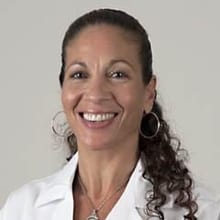
Lifestyle Factors That Truly Change EDS Outcomes with Dr. Ina Stephens
Description
When living with Ehlers-Danlos Syndrome and hypermobility disorders, medications alone rarely resolve all the symptoms. In this episode of Bendy Bodies, Dr. Linda Bluestein is joined by Dr. Ina Stephens, integrative medicine specialist and Associate Medical Director of the UVA Health EDS and Hypermobility Disorders Center, for a wide-ranging conversation about how lifestyle medicine, nervous system regulation, and whole-body care can dramatically influence outcomes for people with connective tissue disorders.
Dr. Stephens explains how her background in infectious disease, vaccinology, and complex care led her to recognize patterns across seemingly unrelated symptoms and why listening deeply to patients often reveals the underlying problem. The discussion explores how nutrition, gut health, vagal nerve tone, sleep quality, and gradual strength building all influence inflammation, fatigue, and autonomic dysfunction in EDS.
The episode also dives into the science of the microbiome, why small lifestyle shifts can produce meaningful physiologic change, and how integrative medicine expands the treatment toolbox beyond traditional Western approaches. For patients navigating complex symptoms, and clinicians caring for them, this conversation offers a thoughtful reminder that healing often happens through steady, strategic steps rather than quick fixes.
Watch
Guests
Transcript
[00:58] Dr. Linda Bluestein: Welcome back, every bendy body, to the Bendy Bodies Podcast. I'm your host, Dr. Linda Bluestein, the Hypermobility MD, a Mayo Clinic-trained expert in Ehlers-Danlos syndromes dedicated to helping you navigate joint hypermobility, connective tissue disorders, and live your best life. I am so excited today to be speaking with Dr. Ina Stephens. Dr. Stephens is an integrative medicine specialist and has such a fantastic approach to treating people with EDS and HSD. We're going to learn so much from her about all the different lifestyle-type interventions that maybe you've heard about, but you don't realize how incredibly impactful they can be.
Dr. Ina Stephens is an integrative medicine expert, and it is integrative medicine that helped me get my life back. It is the facets of my MEMS PMM method, which stands for movement, education, nutrition, sleep, psychosocial modalities, medications, and supplements that got my life back on track. And we're going to be talking about some of those facets with Dr. Stephens today.
Dr. Ina Stephens is a physician specializing in the care of patients with Ehlers-Danlos syndromes. She is the Associate Medical Director of the UVA Health EDS and Hypermobility Disorders Center, which she founded and led as interim director until the appointment of Dr. Dacre Knight at the University of Virginia. Dr. Stephens advances multidisciplinary clinical care, education, and research for complex conditions including connective tissue disorders, chronic pain, and autonomic dysfunction. She also plays a key role in the Bendy Bodies UVA collaboration, which brings academic expertise to a broader clinician and patient audience, with Dr. Knight serving as a recurring co-host on Bendy Bodies UVA educational programming.
[02:37] I am so excited about this conversation because I know that improving sleep, improving movement, and these other lifestyle factors can make a huge difference in a person's life. These are not things that you usually can talk about in your regular doctor's appointments because there just simply isn't enough time. As always, this information is for educational purposes only, and it's not a substitute for personalized medical advice. Stick around until the very end so you don't miss any of our special hypermobility hacks. Here we go.
[03:08] I'm so happy to be back with Dr. Stephens again, and it is such a pleasure to get to talk to you. Thank you so much for taking the time to speak with me today.
[03:17] Dr. Ina Stephens: Oh, thank you for having me back, Linda. It's really a pleasure to be here.
[03:20] Dr. Linda Bluestein: Of course, of course. So a lot of people might wonder how you became an accidental EDS specialist. Of course, for a lot of us, that is how we got into this, right? So can you describe your training and how you ended up caring for so many people with Ehlers-Danlos syndromes?
[03:38] Dr. Ina Stephens: Absolutely. And I get this question a lot — how, why did I as an infectious disease specialist kind of end up seeing all this kind of complex care? And I do want to start out by saying that infectious disease training and the infectious disease specialty is very complicated. It's complex care medicine, at least it always has been to me.
[04:03] Just a little bit of background: I did get my subspecialty training in infectious disease and actually specialized in infectious disease and vaccinology. I was a vaccinologist for about 20 years — 18 years or so — working on vaccine trials, writing NIH trials on all different kinds of vaccines, and basically doing Phase 1, 2, and 3 vaccine trials on both children and young adults and adults, all in different phases. I really enjoyed that and I loved doing infectious disease. And I was a program director for both the pediatric residency and for the pediatric infectious disease fellowship for almost 15 years.
[04:50] While I was doing that, the first thing I want to emphasize is that I really noticed that a lot of the residents and a lot of the medical students would come and present a patient to me and they would just be talking and talking, and I felt like half the time they really weren't paying attention to the issue. They were so in — oh, I have to tell Dr. Stephens this, I gotta remember this, what's going on here, my pager's going off. And they really couldn't — to me, I felt like they weren't really listening. And I felt like sometimes I'd say, all right, settle down, take a deep breath, focus, and tell me what's going on, because that is how I practice. When I am looking at and talking to a patient, to really listen to a patient — whether you're doing an infectious disease history or a complex medical history or an EDS history — if your mind is all over the place and you're just trying to get stuff done and getting to the next patient, you're not going to hear what the patient has to say. You just won't.
[06:01] So I have used a lot of my own integrative practices — and I'm going to call them mind-body practices, yoga practices, we can talk about that — of quieting myself down so I can pay attention to how I'm feeling, to myself, and then I can tune in and pay attention to the patient. And when you do that, you hear the problem. And when you're doing that and the patient is talking, you are developing a huge differential diagnosis.
[06:33] For people who don't know what a differential diagnosis is: that is when my mind is thinking, what things could be causing these issues that the patient is telling me about? In infectious disease, you have to have a very broad differential, otherwise you may miss the actual problem. I'll give you an example. If a patient comes in with cough and a fever — a typical, complicated pneumonia and I may get consulted — I have to be thinking of a very broad differential. That may include some of the weird parasites and fungi and all that kind of thing. If I'm not thinking about, say, histoplasmosis — one of these invasive mycoses or fungi — I'm not going to ask the specific question that would put them at risk for that. I'm not going to say, "Do you live in an old farmhouse where they're ripping down the walls and you're inhaling some of these spores?" And half the time they may say, "That's the answer." So I can kind of work the patient up that way.
[07:42] Well, a patient with EDS is very similar. If I'm not thinking of this broader problem, and if I don't have it in my differential along with some of the comorbidities, I am not going to ask the directed questions that need to be asked. I won't say to the patient, "So when you're getting dizzy, do you happen to maybe have a facial flush?" I'm putting the question together so that I am able to get the answer. And that's how I practice medicine with complicated patients.
[08:16] So when I started seeing patients in a lot of my complex care practices and the clinics — I think I told you about this last time — I run the autonomic dysfunction clinic, the long COVID infectious disease clinic, the diagnostic dilemma clinic. These patients would come in and I would have that broad differential in my mind. So I would ask the question and it was like, ah, you do have hypermobility. This is actually your underlying problem here. And then once you begin to recognize it, you just recognize it in more and more patients. And then the patients start coming to you. So that's a really roundabout way of saying how I kind of fell into seeing these complicated patients. It's been a long journey.
[09:00] And I think also knowing a lot about EDS — as I've mentioned before, my family has it, I have EDS — I know a lot of the comorbidities, so it's in my differential when I'm working through some of these complicated patients. That naturally helped as well.
[09:25] Dr. Linda Bluestein: Right, right. So you were doing this reflective, calming approach, and you started picking up on these trends. You started noticing patterns in these patients. I just want to make sure I understand, because although I've worked with plenty of infectious disease doctors as an anesthesiologist, it's not like we crossed paths all that often. So I'm not super familiar with how they would approach a differential diagnosis — which I love that you brought that up, because I do think that's an important thing for patients to understand. I often tell people that it is smart to describe your symptoms and not label them, because you want to keep the differential diagnosis more broad. If you start labeling them too much, then everyone's going to assume that's what it is and maybe won't be thinking of other things.
[10:13] So I'm really glad you brought up the differential diagnosis. You started to see these patterns in the patients you were seeing with infectious disease, and then more and more of those patients started to come to see you. Is that correct?
[10:27] Dr. Ina Stephens: Yes, yes, very much so. And there are also infections that may actually predispose a person with hypermobility to be at higher risk for certain things. For example, I'll take COVID. Seeing patients with long COVID, there are a lot of reasons for this, and I don't know if this is the time to really go into some of the pathophysiology, but patients that are hypermobile are potentially at higher risk for developing long COVID when they have a COVID infection. In fact, there are a number of studies that have shown this — that somewhere between about 30 and 40%, maybe up to 50%, of patients with long COVID have some aspect of hypermobility.
[11:30] It may be because being hypermobile and having something abnormal with the connective tissue — we all know that the connective tissue is intimately involved with your immunologic system and inflammatory responses — there's potentially been a higher inflammatory response. It's potentially that your immune system, in whatever way it has not been functioning absolutely appropriately, put the patient at higher risk for developing long COVID. So a lot of the long COVID patients that I was seeing happened to also be hypermobile and developing some of the comorbidities that we see, particularly mast cell and autonomic dysfunction.
[12:13] Dr. Linda Bluestein: As we're talking, I'm realizing that we definitely need to do a follow-up conversation about infections in people with EDS and HSD. So I'm going to ask all the listeners to please submit your questions — go to bendybodyspodcast.com and please submit your questions for Dr. Stephens for a follow-up conversation that's going to go more in depth on COVID, long COVID, things like Epstein-Barr virus, all these things that we know can influence our patients. There's a lot of interesting information out there, and I think that's going to be a great follow-up conversation.
[12:47] I'm glad you brought it up right away. I'm eager to see people's questions because I know we're going to get lots of great questions. And right now, let's go into the integrative medicine part of your approach and why that is such a good fit for people with hypermobile EDS and hypermobility spectrum disorders.
[13:07] Dr. Ina Stephens: Great. And I'm happy to answer those questions in another follow-up podcast. Absolutely.
[13:13] So when I talk about the integrative approach to medicine, or integrative medicine, what that really means to me — and how I explain it to patients and medical students and residents — is that I just have a larger toolbox in terms of how I'm going to treat the patient. We've all been taught in Western medicine, conventional medicine, we know that box and we know it really, really well and it works well. It works well for symptoms and diseases and giving a treatment. But sometimes it's just giving the treatment without really getting to the underlying problem. Why did the patient have this problem to begin with? And is there any way to possibly quiet that down and heal the underlying issue so that we don't have that problem again? Sometimes conventional medicine really doesn't address that.
[14:06] Integrative medicine includes — I don't really like the word "lifestyle medicine," but it is lifestyle medicine — and it includes so many aspects of how they're living their life that work to heal the patient. I think that you have a beautiful little acronym that you use for this.
[14:27] Dr. Linda Bluestein: Yep, MEMS PMM.
[14:28] Dr. Ina Stephens: Your MEMS PMM, yes. It's the sleep, it's the nutrition, it's the supplements, it's all these different aspects of what is going on with the patient and what's going on with their lives, and using it to make the patient live their best life. You want them to heal and feel good and quiet down some of their inflammation and inflammatory responses so that potentially they're not having such a problem with a comorbidity, or they are able to handle the comorbidity better, or we can work toward really healing some of the underlying issues.
[15:05] The integrative medicine toolbox can be as wide as you would want it to be, but I think all the key points that you hit in your acronym are really, really important. Nutrition — I used to say this to my kids, but you are what you eat. I'm sorry, you are. So if you're going to eat Cheetos and Doritos, you're going to feel like a Cheeto and a Dorito. You're going to feel pretty lousy. But if we can put some really good whole foods in — foods that work to quiet down inflammation — that makes a real difference.
[15:49] I want to talk just for a moment about nutrition, because different types of diets are obviously important for different types of patients, and there's no one-size-fits-all. There's no "you should be on this diet or that diet." And I also do not like the word "diet." I say diet is a four-letter word. If you go on a diet, you're going to go off a diet. These are food changes, they're food substitutions. It's a way of learning how to enjoy what you're eating in a way that makes you feel good.
[16:20] So there's no perfect diet for anybody. Patients may need a low-histamine approach if that's working for them in terms of mast cell activation. Some patients, especially with EDS, need more of a gastroparesis-friendly diet. Some patients have issues with food restriction, and diet is not something you want to bring up in the first couple of encounters. You want to work with the patient.
[16:48] What I try to do is emphasize foods that are whole, foods that are high in omega-3 fatty acids, foods that are low in processed and ultra-processed ingredients, and foods that are not stripped of fiber. Low-fiber diets are not as great for your microbiome as a high-fiber diet. And probiotic-enriched foods are really important.
[17:13] I'm a real believer that the microbiome is a key to healing your body in a lot of ways. Your microbiome produces — and most people know this, or if not, I hope we can emphasize it — about 95% of your neurotransmitters: your serotonin, your GABA, your dopamine, your oxytocin, melatonin. These don't really come from your brain. They come from your microbiome. And your microbiome is going to mandate how you are feeling and your stress responses.
So dietary guidelines are really important. I could talk a lot more about how the short-chain fatty acids work in terms of quieting down inflammation. But the other thing I really want to emphasize — in terms of the gut-brain axis and your microbiome — is that your microbiome is also basically regulated by your parasympathetic nervous system.
[18:31] In patients with EDS, in patients with long COVID, in patients that have high stress levels, there is an imbalance of their autonomic system. Let's just take a typical person who lives in this world and is on sympathetic overdrive. They're living in a society where they're getting out of bed, they're moving and shaking, they're on sympathetic overdrive, and their parasympathetic tone is really not doing what it can do. Your vagus nerve — your vagal nerve tone — mandates the movement of your GI tract. It is what is turning on your microbes to make the short-chain fatty acids. It's the impulse from the vagus nerve that takes that message from your microbiome back to your brain: make those neurotransmitters, get everything moving.
[19:29] So improving your vagal nerve tone — and there are lots of ways to do this, we talk about this a lot in integrative medicine, about vagal nerve stimulation, about deep diaphragmatic breathing, different types of breathing techniques that enhance the vagus nerve — can really start healing your body from the ground up. These are two things I really emphasize when I first start seeing a patient. The supplements, the herbal medicine, sleep hygiene, all those other modalities are really, really important, but I always start with this.
[20:12] Dr. Linda Bluestein: And I love that you're bringing up right away diet and the sympathetic and parasympathetic nervous system. I made some notes — I have multiple follow-up questions related to that.
[20:19] I agree, "diet" can definitely be a four-letter word. I think of it in the context you were using it, as just the foods that you eat. You're not going on a diet per se to lose weight, because we know a lot of our patients with EDS are normal weight or underweight. And as Dr. Knight and I were discussing the other day, the patients with EDS who are underweight actually tend to really have a lot of problems and can get into trouble very quickly.
I also want to back up about the microbiome, because most people probably have heard that word by now, but in case they haven't — that's basically the bacteria that are in our intestinal tract, correct? And we have a reciprocal relationship with them. You could probably describe the microbiome way better than me. So can we just back up and define that?
[21:34] Dr. Ina Stephens: So your microbiome actually is the bacteria — the friendly bacteria, if you want to put it that way — that make up your entire lining of your GI tract. In fact, you have a microbiome everywhere in your body. You have a gynecologic microbiome, you have an oral microbiome, there's a skin microbiome. We have more good bacteria in our body than we do cells, literally by probably trillions more. And we're learning so much more about the microbiome and how important it is in terms of day-to-day functioning and healing of the body.
[22:24] One huge aspect of this is that the microbiome converts a lot of our amino acids. Take tryptophan, for example. Tryptophan comes from protein — meat, turkey, heavily laden in tryptophan. The microbiome takes that amino acid and converts it to serotonin through multiple different pathways. It's not a one-step deal, but it will eventually turn into serotonin. Even if you're eating healthy foods, if your microbiome is damaged — and there are lots of ways it can be damaged, even just a course of antibiotics can wreak havoc on the microbiome, usually just for a little while, and then it can kind of get back together if we replenish it with some probiotic-enriched foods and a lot of fiber — you won't get the full benefit.
The microbiome's bacteria really use fiber to make the short-chain fatty acids — the butyrate, the acetate — that are used in these conversion reactions from tryptophan to serotonin. Again, I'm just using that one example because there are tons of examples for neurotransmitters, but this is going on throughout your entire GI tract all the time. So a healthy microbiome is really essential in terms of starting to heal the body.
[23:51] And again, the parasympathetic nervous system, particularly the vagus nerve, sends a signal to the microbiome to start this production of short-chain fatty acids and get it all to the brain. There are lots of different pathways — I have diagrams to show on that and the gut-brain axis. But it's really very important.
And I definitely want to emphasize again the point you brought up: this is not a diet. A patient really should never be on a diet unless there are truly extenuating circumstances. These are food changes and food substitutions. For example, what I say to a patient would be: if you're going to have a piece of bread, maybe instead of white bread — which is stripped of the fiber — maybe we can have a piece of whole grain, really nutty bread, the kind where the seeds get stuck in your teeth. Almost like — I don't want to talk brands, but Dave's Killer Bread, something like that. Just even that change.
[25:00] Dr. Linda Bluestein: I love that bread. That's my favorite.
[25:00] Dr. Ina Stephens: I love that bread. Put whatever you want in the sandwich, but just that change from the white bread to the whole grain bread — not the colorized white wheat bread, but the real fibrous bread — that can make a huge difference.
[25:17] I say to patients: you like French fries, fine, make half of them white potato and half of them sweet potato. So we get more of a complex carb with more of the fiber in it, and sweet potato actually has more probiotic-enriched features compared to white potato. Eat just as much, have maybe brown rice instead of white rice. And try to decrease the amount of processed foods.
[25:43] I think it's important to look at labels. If there are a lot of ingredients on the label that you can't pronounce, that's a warning sign that there are a lot of chemicals in there, probably a lot of added dyes. Just to get onto the added dyes — this is a huge problem for patients with mast cell activation, and they don't necessarily realize it. I had one patient who came in saying she had her mast cells really well under control until she was eating Skittles. And I said, well, maybe it was the red dye or the blue dye, because dyes can absolutely trigger a mast cell response. And dyes are in everything. So looking at what's in the food and trying to decrease that is very important.
[26:34] The other thing you just mentioned about diet and being underweight — a lot of our patients are underweight, and we try to have them gain not only weight, but good muscle weight and increase their muscle tone. A huge problem with patients that I've seen over the years — and I'm sure you see it — with EDS, HSD, mast cell, autonomic dysfunction, POTS, long COVID, and reactivation of EBV and all of this, is chronic fatigue. Chronic fatigue is overwhelmingly a huge problem in this category, as we all know.
[27:26] What is really important to understand is that the energy from your body comes from your muscles. Your muscles are your energy warehouse. They have the mitochondria that are going to start producing the ATP — the energy that is produced when food is broken down to glucose. The majority of that is made from your muscles. So the more muscle we have, the more energy you're going to have. Getting over that little hump of building some muscle and having that initial muscle fatigue — once we get the muscles going and gain a little good muscle weight, we're going to start feeling more energized. So that's really, really important.
[28:18] I want to talk about that aspect of integrative medicine. Exercise, physical therapy — we could talk about all different types, particularly engaging your core muscles, which are the largest muscles in your body. They're not only going to help you produce energy, but there is one other thing that most people don't know: exercise, particularly aerobic exercise and increasing the core musculature, will increase the bacteria in your microbiome to be more of the good, friendly kind — particularly something called Firmicutes bacteria and Actinobacillus. In that category is Lactobacillus and Bifidobacteria. Those are probably the most prominent ones. But exercise has actually been shown to increase the production of those microbes in your GI tract. And those are the microbes that are more likely to start pumping out the good-feeling neurotransmitters. So exercise is not just for your muscles — it is doing so much for your microbiome as well.
[29:36] Dr. Linda Bluestein: How does that work? I've never heard that before. How exercise does that — that's fascinating. That's so interesting.
[29:42] Dr. Ina Stephens: It is absolutely fascinating. And I can get you these studies for the show notes if you would like. Exercise has been shown not only in humans, but also in animal models. It was first shown in mice models — mice that had been stripped of their microbiome and then had it replenished. They can do that with mice samples and mice populations.
[30:14] The other interesting part of the study is that you have to have your vagus nerve intact for this to happen. A lot of the studies in terms of engaging the microbiome when these mice were activated to start exercising showed that it turns on the vagus nerve. They did studies in mice where they removed the vagus nerve, and those mice showed absolutely no difference — they had zero energy, still chronically fatigued, and their microbiomes were not doing what they needed to. But the mice who had the intact vagus nerve developed more lean muscle mass, their measurements of neurotransmitters were higher, and they were healthier mice. So I can get you those studies for the show notes.
[31:06] Dr. Linda Bluestein: Yeah, that's so interesting. And the correlation between muscle mass and energy and fatigue is something I talk to people about all the time. It's a very common, very challenging symptom, and it's so hard to get over that hump. So focusing on little incremental increases in the amount of movement they do is key. And I love this — I'm going to start telling people right away that if you increase your muscle mass, that will actually help you have more energy. I didn't actually realize that. That's very interesting.
[31:42] Dr. Ina Stephens: Yeah, and it's not that much. You don't have to do that much. You can't tell a patient who has been sick with long COVID, or with EDS and has perhaps been in a wheelchair and not really been able to move much — you can't say, well, why don't you just get up and do an hour of Pilates, or go run on the treadmill? That's inappropriate, and it's actually going to cause more problems. We can have a whole issue with post-exertional malaise with that.
[32:09] So it's small little increments. I will often show a patient in the clinic maybe one or two, sometimes three, little core exercises — like sitting against a wall and maybe doing a wall plank or a wall squat, or holding a plank pose. And I would say hold it for 10 seconds and maybe do three of them. So your exercise for the day is about a minute. And then we slowly increase. Just even starting to do that is going to make a very big difference.
[32:35] And sometimes there are other places where supplements can help. This is also a place where making sure their sleep is good quality sleep. A lot of patients have trouble not only with sleep initiation, but staying asleep. They will say that they have been asleep for 15 hours — all they're doing is sleeping — but their quality of sleep is not really good. They're not getting into deep sleep. They're restless throughout the night, up and down in just little stages of wakefulness and not really getting good restful sleep. So potentially some supplements or working on sleep hygiene is also exceedingly important when working with a patient with fatigue.
[33:33] I can talk about which supplements I think are sometimes more helpful or not. There are also supplements that can give a little bit of a boost — that will enhance mitochondrial function. Some supplements are better than others, and I do have a list if people would want that.
[33:58] Dr. Linda Bluestein: I think that's a perfect place for us to take a quick pause. And when we come back, let's talk about some of these supplements. I have so many follow-up questions already from the first few things that you were saying. So when we come back, we're going to talk about fatigue, some of these supplements that can help with your sleep, fatigue, and muscle energy, and also some of the follow-up questions that I have that probably a lot of other listeners have as well. We're going to take a quick break and we'll be right back with Dr. Stephens.
[35:53] We are back with Dr. Stephens, and I just started to say to her that I'm so grateful she made the comment about exercise and movement and how we have to do this in such a respectful and slow way. Because if somebody has been in bed all the time and then you tell them to go do this class or go do this series of exercises or some bigger thing, they're going to think it's impossible — so they won't even probably try doing a little bit of it. I love that you give them just a 10-second plank or some very, very small thing. And sometimes people can even do exercises still in bed. Doing a plank in bed is kind of hard, but if they're not even getting out of bed — which we know some people are not able to do — even just trying to move more while they're in bed can really be helpful.
[36:44] I found particularly fascinating what you were saying about the muscles, because so many people are so fatigued and they have so much pain. When they have the pain, they don't know if it's causing harm or not. So they might move less and less. I know when I found out about kinesiophobia, I realized, oh my gosh, I'm not moving because I have kinesiophobia and because so many things hurt. But then you get sarcopenia — your muscles start to atrophy, they get smaller — and that's going to contribute to the fatigue problem. So I love that you have some other tips and tricks for us with the whole fatigue and sleep problem.
[37:16] Dr. Ina Stephens: And I'm really glad that you brought up just the little exercises you can do in bed. I actually have a regimen for just that, because some people cannot get out of bed. And then there's the other point I wanted to bring up: you just mentioned the word sarcopenia, and sarcopenia — your muscles basically atrophying and wasting — means your muscles are no longer holding the joints together. So particularly in a patient with hypermobility and EDS or HSD, a lot of the pain — not all of the pain, but a lot of it — is due to those joints just moving around and clanking and hurting and developing inflammation, early arthritis, synovitis. Having your muscles work to hold onto the joint can actually decrease the pain.
[38:16] It's really important to get the pain under somewhat of a control before you do this, though. One thing I want to say before we move on to the supplements is that I never throw the whole basket of ideas out at once. You can't treat a patient like that. You have to meet the patient where they are. If their number one problem is pain, we address the pain, quiet down the inflammation. This is where maybe there's a combination of using some conventional medication — low-dose naltrexone, Tramadol, maybe some NSAIDs and Tylenol — along with working with physical therapy to help build the muscles very slowly. Then we start adding more exercise. Then we start adding maybe some supplements for muscle building.
[39:08] So really meeting the patient where they are and making sure we've addressed all their issues is really, really important, just like you said.
[39:19] There are a number of supplements that I think can be very helpful for pain, for sleep and relaxation, and for muscle building. Let's start with sleep. A lot of the patients that come to me have problems with sleep initiation and they're taking a lot of melatonin or they're taking medication. Some of the SSRIs or medications like trazodone can help the patient fall asleep, and that's appropriate if you're not sleeping. However, it would be really nice to get off of those medications at some point. So I never take a patient completely off of medication if they're on it. I will start a supplement alongside it and then we will kind of wean off the medication if and when appropriate.
[40:07] Some really good first sleep initiation supplements are formulations of magnesium. And this is a question that I get asked all the time: what type of magnesium, which magnesium, how much magnesium, magnesium gives me diarrhea — all of that is true. Magnesium is wonderful for constipation if it's magnesium oxide or magnesium citrate, and that's appropriate. Sometimes we need that for a patient with gastroparesis who is not moving, which is also a lot of our patients. But magnesium L-threonate and magnesium glycinate or bisglycinate formulations — those two come right off the top — actually go straight to the blood-brain barrier. They're very good for quieting down the nervous system, they're good for muscle pain, for relaxing the muscle, for sleep initiation, and for sleep maintenance.
[41:14] I tend to use a higher dose with these because they don't develop diarrhea. Sometimes I will put a patient on magnesium citrate or oxide for GI motility issues and constipation alongside a magnesium glycinate. They sleep really well, and then they wake up and have a normal bowel movement after not having had bowel movements for weeks. So that's very helpful.
[41:30] And magnesium — it would be wonderful if we could get it from food, but even on a really terrific whole-food diet, it's sometimes hard to get enough magnesium. Magnesium-enriched foods tend to be oysters, pumpkin seeds, a lot of green leafy vegetables. I say to the patient: well, we can eat a pound of oysters or we can take this magnesium supplement. Sometimes it's a combination of both.
[42:05] Magnesium can also be absorbed through the skin in a small amount. In an Epsom salt bath — magnesium sulfate, which is also often in creams and lotions — if you put one or two cups in and sit there for 10 to 20 minutes, you can get an extra 50 to 75 milligrams of magnesium. That can be helpful before you go to sleep. So first thing: let's get to sleep. Let's get some good rest.
[42:36] Dr. Linda Bluestein: Can I just quickly ask before we move on to the next supplement? I'm anticipating the emails and the voicemails, because people are going to want to know about doses. And again, this is not medical advice — this is information, and please discuss with your own healthcare team. But if you would be willing to share doses when we're talking about some of these things, I think that would be very helpful for people.
[43:05] Dr. Ina Stephens: Oh, absolutely. So over the age of puberty — let's say a fully, almost fully grown adolescent — I'm okay to start with magnesium glycinate, usually between 300 and 400 milligrams. Sometimes a patient will need 600, sometimes 200 does it, but I usually start with about 400.
If I'm also using something like magnesium oxide and citrate for GI motility issues and constipation, I will tell most patients that the limiting factor is diarrhea. So if you start developing diarrhea, we need to cut that back. But I find that the dose of about 400 per night tends to be very helpful for most adolescents and adults.
[43:52] For younger patients, it depends on how much they weigh per kilogram. There are some gummy formulations that are smaller doses, and I will give them a certain number of gummies to take per kilogram.
[44:12] Dr. Linda Bluestein: So even if they're prepubertal — and of course there's a difference between a 12-year-old who hasn't hit puberty yet and a 6-year-old — we do see younger and younger people asking for help with these things. I'm seeing younger children having sleep problems. Is there a lower age limit for which you would recommend magnesium, and what is that per-kilo recommendation, if you have that off the top of your head?
[44:39] Dr. Ina Stephens: Yeah, I think about this a lot, and I get this question a lot from parents. I will have a 3-year-old coming in with temper tantrums, up all night, and mom is giving them a lot of melatonin, saying that's the only thing that knocks them out. I would much rather use magnesium than melatonin. I want a child to start producing their own melatonin. And going back to the diet, putting these patients on more of a diet that's going to enrich their microbiome to develop their own melatonin.
[45:14] There are a couple of other tricks for melatonin production that I want to mention, but I will start them on doses of magnesium. I've put children, toddlers, 2 and 3 years of age, starting at 50 milligrams.
Dr. Linda Bluestein: Okay.
[45:25] Dr. Ina Stephens: And it's very helpful, because again, melatonin does not help with sleep maintenance. It helps with sleep initiation, but then I get the complaint that they're waking up at 2 or 3 o'clock in the morning and they're up for a couple of hours. Magnesium can absolutely help with some of the sleep maintenance. So I think that's really important.
[45:49] There are a couple of other things I want to mention about melatonin production that people don't really realize. It comes down to our circadian rhythm. We are anthropologically not meant to be hanging out with fluorescent lights at 2 o'clock in the morning. We're just not. Our bodies are not supposed to be doing that as a species. We get a lot of clues from daylight.
[46:21] One thing that really turns on melatonin production — and it sounds really woo-woo, but it's the truth — is getting about 10 minutes of direct sunlight first thing in the morning. That will set your circadian clock to start producing melatonin about 12 hours later. So one thing that I make sure I do is, within an hour of getting up, I have those lights on bright, or I'll walk outside if it's light outside. If you have a dog, go for a walk with the dog. Don't put your sunglasses on. Look at the light. It can be very helpful 12 hours later, and people don't think about that.
[47:02] And the same thing goes at night. If you have fluorescent overhead lights hitting the back of your retina at 10 or 11 o'clock at night, your body is getting an abnormal signal — it thinks it's time to get up. So it's very hard to produce melatonin. One thing people should do is turn off those lights at least an hour beforehand, put on a low light, have lights that are at the level of the bed rather than overhead. A nightlight, or if you want to read, just a light right by your bed that's not hitting the top part of your retina. That actually signals melatonin production hours later. I wanted to mention that.
[47:57] Dr. Linda Bluestein: And I do have a follow-up question on that, because when I did an episode on sleep with Dr. Roger Schultz, he was talking about a lot of these similar things, which I really appreciate you bringing up, because I do think these are so incredibly important. And oftentimes, like you said, people going to the doctor — it's quicker to write a prescription than to really think about some of these lifestyle things that can be hugely impactful and have very few, if any, side effects.
[48:25] One thing I wondered when I was talking to him, and I'm thinking about as you're talking now: what are the best things for us to do in that last hour or two before bed? We're not really supposed to be looking at screens. And if we're not supposed to have light overhead, should we be reading with a low lamp that has a yellow bulb or a red bulb, or kind of a lower lamp? What's the best thing to do before bed to really help us be prepared for sleep?
[48:55] Dr. Ina Stephens: I've grappled with this myself. It's a really important thing to think about. The bottom line is — and you just mentioned this — we shouldn't be in bed doing anything else except for sleep and, to put it bluntly, maybe some sexual activity. It's very hard for the brain to know what you're doing. If you're lying in bed at 7 o'clock at night watching TV and then at 11 o'clock you're like, okay, I'm going to turn it off and roll over and go to sleep, your brain is like, wait a minute — it doesn't know what to do.
[49:34] So I try not to have people linger in bed for more than an hour. If you've been lying in bed for an hour before you go to sleep, maybe get up, go sit and read in a comfortable chair, read for 10 minutes, and then get back into your bed. If you do want to read in bed, yes, I like little reading lights — I actually have a pair and I can send you these in the show notes. They're almost like headphones; they kind of wrap around you and have two lights, so the light is not coming directly to your eye. The light is going directly onto your page. My husband and I both have our own little—
[50:20] Dr. Linda Bluestein: Please do send that to me. Yes.
[50:23] Dr. Ina Stephens: The lights are off, but I'm able to read because the book is illuminated, and the light is not shining back directly into my eyes. Then I just click and turn them off and lie down. So that's definitely something that people have problems with. These little sleep hygiene things make a big difference.
[50:48] The other thing that's really important for sleep — and actually for brain activity; there are a lot of studies on this — is how important it is for cognition, for dementia, and for Alzheimer's, particularly in our longevity population and thinking about aging. And that is aromatherapy.
[51:05] Our olfactory bulb is directly linked to our limbic system, and it's directly linked to our hypothalamus, which is our memory system. So when older people start losing their sense of smell, that's actually a real concerning risk factor for developing dementia. There's a lot of literature on that. Keeping your olfactory sense intact will help not only with sleep, but also with cognition later on.
There are certain scents that are more calming to the nervous system than others. Lavender, frankincense, bergamot, lemon balm, sandalwood — putting that in a diffuser next to your bed. What I like, and what my husband likes, is that we put a tiny little bit of an essential oil — usually lavender and maybe a little vanilla because that's what I like — into a spray bottle with a little bit of water and spray it on the sheets and pillows maybe an hour before bed. So it's not wet when you go to bed, but you're smelling it on your pillow. That can actually really help initiate sleep. So that's just another note in terms of sleep hygiene.
[52:34] Dr. Linda Bluestein: I love that. That's positively brilliant. And having you say that it's also important for cognitive function — not just a woo-woo kind of thing — I love that. What do you find in your mast cell patients with essential oils and this kind of aromatherapy recommendation? Do they usually tolerate it? Does it depend on what particular brand they're using, or are there any extra cautions for people with mast cell problems?
[53:07] Dr. Ina Stephens: I'm so glad you brought this up. Yes, and this is absolutely something I talk about before I recommend aromatherapy. Because first of all, perfumes are often a trigger for mast cells. So when I mention it and we discuss it, I always have them try a pure essential oil with nothing added in it. There are certain brands that are all organic, all essential oil. I'll tell them to put it not on themselves — don't put it on you, because then you're stuck with it for the rest of the day — but to put it on a piece of paper. Just put a drop on there and have them sniff it and walk away. Unfortunately, that's a test. Somebody who has a response will have a mast cell response, but at least they'll know they can't have that scent.
[54:00] If they can tolerate that, the next step is to put a tiny bit on their clothing. Again, not on themselves, because they can always take off the clothing. See if they can tolerate that. And if so, then on their skin, and then we can move on from there. But I do have them try that with every scent, because mast cells are so particular — and I hate to use that word — about what they decide to react to. One person may tolerate lavender very well but cannot tolerate frankincense. So if you're going to try a new type of aromatherapy, make sure you test it out first.
[54:43] Dr. Linda Bluestein: Yeah, I love that. And I think the other thing I was thinking of when you were saying that is that mast cells can also be more and less sensitive at different periods of time. I used to have horrific mast cell problems, but now I'm doing so well that I probably could tolerate any of those. So another point for people is: just because you don't tolerate something like that now doesn't mean you can't in the future. It's worth reassessing if you find yourself in a place where your mast cells are happier.
[55:13] Dr. Ina Stephens: Well, that's exactly the point we just made about pain and exercise. If you're in so much pain, you're not going to be able to exercise. You have to address all the underlying issues. That's a very important thing. First and foremost, if a patient comes in with horrible pain, horrible mast cell, horrible autonomic dysfunction, I'm not going to spend the visit talking about aromatherapy. That's not where we're going. It's in the toolbox, but potentially for a later follow-up visit.
[55:44] So first, it's addressing, as best we can, the pain, quieting down the inflammation, improving their autonomic dysfunction, making sure they're not having episodes of dizziness and syncope. And obviously, if the mast cells are not under control — you and I know this — nothing is under control. I think the mast cells play a huge part in pain, in autonomic dysfunction, in chronic fatigue, in GI dysmotility, in what we call DGIBs or disorders of the gut-brain axis, in migraine — I can go on and on. These absolutely need to be addressed while we're introducing all these other aspects of integrative therapy and supplements.
[56:49] Dr. Linda Bluestein: And that's what I love about this partnership between Bendy Bodies and UVA Health, the EDS and Hypermobility Disorders Center, because we're able to share this information with people for free. They don't have to pay to listen to this. And they're not going to necessarily address this maybe in their first visit — say they're seeing you or Dr. Knight, they might not discuss this the first time — but later on they're going to listen to this podcast and go, oh, this is something I can try. But you didn't need to take up the time in a one-on-one session to go over that with them. So this is a great way for us to share tools and tricks and hacks with people.
[57:27] Dr. Ina Stephens: Thank you. And I think that's what I'm so excited about with our EDS Center — we are going to really follow these patients and give them an EDS home. It's something they can think about and maybe discuss with their PCP, but if they wanted to message me on MyChart and ask me about it, and say could we talk about this at our follow-up in telemedicine in a couple of weeks — absolutely, it's on the table.
[58:01] Dr. Linda Bluestein: I'm glad you brought that up about the EDS home, because I think so many people struggle with that. They don't have an EDS home. They don't have somebody they can turn to. Maybe they might find somebody they can go to once, but can't go to them on a regular basis. So having that EDS home is huge.
[58:21] Dr. Ina Stephens: Thank you. And I know you provide that for your patients too. In an ideal world, all complex care patients would have a home they could rely on, because everything — as patients with EDS and hypermobility know — everything is connected. It all goes together and we really have to address all of it.
[58:44] Dr. Linda Bluestein: Okay, so I want to ask you about something that happened to me at the gym yesterday, because as you're talking I'm thinking maybe she'll have the answer for this. My husband, who's also a physician — I know yours is too — didn't have a clue. So I have been doing more weightlifting than I have done in many, many years, and I'm super happy about it, but I haven't been doing much cardio. Yesterday I decided I was going to do the recumbent bike. Normally I can only do 10 or 20 minutes at the most. But yesterday I was feeling particularly good for whatever reason, and at about 30 minutes in, my heart rate suddenly went from 110 to 140, and I suddenly started to perspire. I didn't perspire for the first 30 minutes. I was like, I normally don't perspire at all, but my hands were super shiny, and I didn't feel bad or anything — I felt good that I was perspiring. Do you have any thoughts as to why that would happen 30 minutes into what was my longest cardio workout in a long time?
[59:50] Dr. Ina Stephens: That's really interesting, and I think that absolutely can happen. I see that happening to patients. I teach yoga also, so I'll have people in the middle of class who all of a sudden start sweating and breathing fast and turn bright red — and it's not just because we had a slow startup. I actually don't teach classes like that.
I think what you just experienced was a sudden burst of release of ATP and energy, especially since you've been doing resistance training. We didn't really get into this with the whole supplements and muscle development and fast-twitch fibers and things like that. But there are certain supplements — like creatine monohydrate — that enhance the fast-twitch fiber, and that can also be enhanced when you're doing resistance training. When that happens, you can have this huge production of mitochondrial activity and increased ATP that's just been building and building, and then it kind of explodes and your body gets a rush. As long as you weren't lightheaded at all, I don't think that's abnormal. I think your muscles were working appropriately and did the job you've been training them to do. I think that's great.
[1:01:21] Dr. Linda Bluestein: Yeah, I was happy about it. And I've been taking creatine monohydrate — I started taking it when I started lifting on a more regular basis. I love what you said about the small increment. I mean, I couldn't do a 10-second plank years ago. There's no way. But just over time I've been able to do more and more. And now I go to these weightlifting classes, and I never thought I could do something like that. So then this thing yesterday was so interesting, and I was like, I want to ask her about it. So thank you.
[1:01:51] Dr. Ina Stephens: To me that is fantastic. You've been working and working, you probably plateaued a little bit, and you just reached another level. This is probably going to happen again, and you may plateau again. But I think it's wonderful. And we will certainly talk about creatine monohydrate next time — there's some really interesting literature, not only for your muscles, but also for brain energy and cognition. So we'll table that for next time.
[1:02:22] Dr. Linda Bluestein: Perfect. Let's talk about that next time. I want to circle back to something that you mentioned at the beginning, because believe it or not, we are coming up on an hour. So we're going to need to wrap up before too long, and we had so much more that we wanted to cover. We are definitely going to be doing at least one follow-up conversation.
[1:02:43] When you were talking about the importance of the gut, I have a couple of questions to go back to what we were discussing about food and the importance of quality nutrition — you are what you eat, absorbing your food is so important. What about testing stool? Are any of these stool tests helpful or useful? I know there are so many different companies, and I was just reading a post this morning about consumer health, and nowadays there are companies that are really targeting people with conditions like EDS with a lot of advertising. So it can be hard to know what's actually helpful and what's not.
[1:03:20] Dr. Ina Stephens: So I spend a lot of time thinking about this. And as an infectious disease specialist, I just have to put in a plug for my husband, who happens to be a diarrheal specialist and a microbiome specialist. So this sometimes is dinner conversation.
[1:03:44] Dr. Linda Bluestein: That's great. I love it.
[1:03:48] Dr. Ina Stephens: What's really important to know is that we actually don't know all that much about exactly how many microbes of a certain class and how many microbes of another class is the right formula. And we also don't know if that right formula is right for you, Linda Bluestein, or for me, or for my husband — everybody is individual.
[1:04:16] There are a lot of studies looking at microbiome samples, and I think they are helpful if we're looking for dysbiosis or if we're really looking for small bowel overgrowth — what we call SIBO. If there's too much of an unfriendly bacteria that could be causing some harm, those tests are important. Making sure we decrease the amount of unhealthy microbes. But we don't really know how much Firmicutes we need, how much Lactobacillus GG or Bifidobacteria we need per billion per stool sample. We don't know that.
[1:05:02] And this is one reason there's a lot of controversy in the infectious disease community and the gastrointestinal community about giving probiotics from a jar. I get asked this all the time: should I be taking this supplement? Patients will come in with a supplement and I'll say, well, did we take a biopsy of your duodenum or your jejunum? Do we know that the one in that jar is what you need? Maybe it's what I need. How about you give me the bottle? We don't know, right?
[1:05:39] We also don't know how many of those microbes are still alive, even if we keep them refrigerated. So there are only a few studies that have been done really looking at giving probiotics and which ones actually work. The best studies out there are really on Lactobacillus GG, and there have been some good studies on that, especially if you have SIBO or dysbiosis, showing that it may be helpful. And oftentimes patients will get into trouble with dysbiosis or SIBO if they've been given a long course of antibiotics, if they've had disruption to their bowel — GI surgery, an appendicitis, surgery with disruption to the bowel, and antibiotics. Then that probably is a case for giving probiotics from a jar, like Lactobacillus GG, just to kind of help replenish.
[1:06:42] But for the most part, I think it's really important that even if you do have SIBO or something similar, part of the regimen is eating probiotic-enriched foods. I usually give patients a list of those foods. Probably one of the best foods out there is kefir — however you want to pronounce it — which is basically liquid yogurt. And you can get this in dairy or non-dairy. I have patients say they can't handle dairy, and I tell them you can buy soy kefir, oat kefir, or cashew kefir — I've seen it on the counters. This actually has the most number of microbes per ounce than any other food out there, even more than Greek yogurt, kombucha, or kimchi. But all of these are very good.
[1:07:36] So I tell patients to have some type of fermented, probiotic-enriched food per day. Small amount. Maybe it's a little shot, 4 ounces of kefir, one little serving of sauerkraut, a couple of real fresh pickles — not the ones in the jar that look that yellow color; the real fresh pickles. Your body is going to take what it needs from there, take the microbes, and replenish your gut appropriately. I hope that sort of answered the question.
[1:08:10] Dr. Linda Bluestein: That does. And I would love to share that list in the show notes as well if we can. And that's so interesting.
[1:08:19] So my last question on this before we go to our hypermobility hack: when people are in pain and having so many symptoms — whether it's fatigue, poor sleep — we're going to continue talking about sleep supplements in the next conversation, because I know you mentioned there were others besides magnesium, and I definitely recommend others besides magnesium as well. But I want to follow up on something I was thinking about when we were talking about the importance of the gut. I'm thinking about my patients, and even myself on some days, even though I'm doing really, really well nowadays. If you're in pain or you don't feel well, or you're fatigued, oftentimes we want comfort foods, or we might be craving sweets. What do you tell people who are really struggling with that aspect of things?
[1:09:38] Dr. Ina Stephens: Well, the first thing I say is that this is not a deprivation food guideline. We are not going on a diet again. When patients hear "diet," it's a four-letter word, and that can mean all these things — well, I can't eat that because Dr. Stephens said it wasn't good for me — and that's not true. You really have to work with the patient.
[1:10:00] I have a patient who said to me they just really love having their bagel in the morning. It's the one thing that doesn't make them nauseous. It really helps them. It's their food. I said, so go eat your bagel. Maybe instead of having white rice with your chicken for dinner, you'll have brown rice. It's a compromise.
I never want to tell a patient you can't have this, because first of all, it's depriving you or it's what's making you feel good. We need, again, to address the underlying issues and then we work on healing as best we can. Sometimes we can do it together, and sometimes we can't. Sometimes it's like we've got to quiet down this pain first. And if part of quieting down the GI pain is, well, I need to eat that food, I need to have my bagel or mac and cheese, then let's do that first. Let's make sure you are in a place where you could even attempt to add in these guidelines. Otherwise, I think it's setting patients up for failure.
[1:11:16] This is a long road. I say to patients, having EDS, having HSD, and all the comorbidities — this is a long haul. And they call long COVID the long hauler for a reason. There's no quick fix, there's no quick answer. And if we have to baby-step, then we baby-step. Life is not linear. I say this to patients and even to my kids — you're taking a little detour, you're doing this to help yourself out, okay, that's okay. And that's something to emphasize to the patient when you're seeing them.
[1:12:06] Dr. Linda Bluestein: I love that, because so many of us can get obsessive — oh, I shouldn't be eating that. And generally speaking, you can eat a combination of foods that is really, really good for your gut microbiome. I hate to even use the word "healthy" because, like you said, there's no one diet that fits all. Healthy for one person is not healthy for another. But we're aiming for these swaps, like you said, and not perfection.
[1:12:42] I think that's an important thing for people to understand, because a lot of the patients I see — and I imagine you see as well — get so fixated on how am I going to fix this, how am I going to make this better? And then they feel this incredible weight of responsibility because nobody's helping them. They feel like it's up to them. They're doing all this research and trying to do this and that. So I love that you're painting this broad picture of how to really be successful in this space — taking it in smaller steps and not thinking you have to make all these massive changes.
[1:13:19] Dr. Ina Stephens: I thank you. I think that's so important. You have to honor where the patient's been, where the patient is going, and know that this is a journey. And I want to say one more thing about perfection. So many of us want to achieve perfection. I don't even know what that means. Is my idea of perfect the same as yours? Who told me that's a good thing to be? Where did I even come up with that idea? That's not perfect in another person's eyes.
[1:13:56] We are all very, very imperfect, and we just know that this is a journey and you're going to get there. Being able to say that out loud helps. It helps me. And again, I live with this. I live with this disease, I live with this syndrome. My kids do too. And some days are not perfect, and that's okay.
[1:14:30] Dr. Linda Bluestein: Yeah, totally understand. And I love all of this. So as you know, we usually end every episode with a hypermobility hack. Of course, you've already given us a bunch of hacks, but maybe if you want to sneak in one of those supplement suggestions or something here — do you have a hack that you can share with us before we wrap up?
[1:14:50] Dr. Ina Stephens: Actually, the hack I had for today — we should probably leave for next time, because it was really the one about the mind-body practices.
[1:15:03] Dr. Linda Bluestein: Yes, and we have to talk about that next time.
[1:15:05] Dr. Ina Stephens: Yeah, because that's really, really important. But it does get to the first point that I brought up, so I think I'm going to bring it back.
[1:15:12] So this hack is for the providers out there. I know that we have a lot of providers listening, whether you're a physician or a nurse or a PT or OT — whatever kind of healthcare provider you are. These patients come in with a lot of problems, a lot of issues. And when I see providers just trying to take notes and multitasking, you're going to miss what the patient is saying.
[1:15:43] If you really take the time to listen, you are going to hear what the patient's problem is. And the way to do that — and I think this is the hack — is to listen to yourself first. Before every patient encounter, and I practice this, so it's probably easier for me because I've been practicing this for 35 years: I do a deep diaphragmatic breath. I quiet down my sympathetic tone. I try to tune in and listen to how I'm feeling, and I quiet myself down. And then I will look at the patient directly in the eye and, because I'm paying attention to myself, I'm paying attention to them, and I can hear it.
[1:16:36] One of the best parts of this hack is that there is a beautiful book out there for providers that really discusses this — how to practice this while you're practicing medicine. It's a book by Dr. Ronald Epstein. He is an internal medicine and integrative medicine physician at the University of Rochester. He runs a mindfulness in medicine practice and a mindfulness in medicine symposium that you can attend. I've worked with him. I've been to this symposium a number of times, I've meditated with him, I've had him speak at the University of Virginia. He wrote a book called The Attending, and it describes just this — how you can really listen and hear all these problems and know where the patient is at. You can hear whether this patient is ready to hear about a supplement, or whether we have to deal with their pain first and their sleep first. You can hear that if you really pay attention.
I think the mind-body practices for the physician themselves is the biggest hack you can do. That's my hack.
[1:17:53] Dr. Linda Bluestein: I love that hack. That's a fantastic hack. And we'll link that in the show notes as well.
[1:17:58] Dr. Ina Stephens: And I'll get the author's name in the show notes. Yeah.
[1:18:01] Dr. Linda Bluestein: Yep. We will link that in the show notes so people can find it easily. Well, this was such a fantastic conversation, and I'm so grateful to you for taking the time to talk to me. Before you go, can you share with us where people can learn more about you and your amazing work? And also, if you're up to any special projects, other than of course getting the UVA EDS Center off the ground, which is a massive project in and of itself?
[1:18:29] Dr. Ina Stephens: Sure. So I'll start with the big lift at the UVA Center and making this a center. We are moving as fast as we can in terms of growing and building the infrastructure. I know that patients have heard we have a long wait list — we do, that's true — but we are hiring as fast as we can and we've just hired new providers. We're hiring even more providers. And we're all learning from each other, so it's not like if you don't get to see me, you're out of luck. We're all working on this together with the same types of approach to patients. So help is on its way.
We're also working to hopefully get licensed in other states so we'll be able to do telemedicine follow-ups in other states. Right now that's a limitation for Virginia — even if a patient comes to Virginia, it would be hard to do the follow-up unless they're back in Virginia. That's state law. But we're working on getting licensed throughout multiple states, which I think is going to be very helpful.
[1:19:38] The other thing patients should know is that we have a number of different studies we're about to start that are coming through our IRB. They'll be everything from randomized control trials to symptom surveys, looking at certain aspects and different biomarkers in the blood. So any patient that comes to the center, if they would like to be consented and be in a study, we have a lot going on.
They can also hear more about some of this at our first annual research and clinical symposium coming up at UVA on April 9th and 10th. We have a really wonderful agenda — people from up and down the East Coast, experts from all over, literally nationally and internationally. And it will be not only in person but also virtual. So we can make sure that you have the link and people can sign up to listen to whatever pieces they would like, or listen to the whole two-day event.
[1:20:50] In terms of where people can find me, I have my own page, Pediatric Integrative Medicine at UVA. Obviously, we have our UVA EDS Center, and you can read about me there. And I have a couple of YouTube videos — one on doing some chair yoga, just quieting down and some stress reduction techniques. I can get that link to you as well.
[1:21:20] Dr. Linda Bluestein: Fantastic. If you can send me those links, I'll put all of them in the show notes. Wonderful. Well, I really look forward to our next conversation — this was so much fun. I love the work that you're doing at UVA. I think it's so valuable. And I love that you said help is on the way, because I feel like the saddest thing is when people lose hope and feel like they should give up. Don't give up. There are things that can be done, and there are people that want to help.
[1:21:50] Dr. Ina Stephens: There's always something that can be done to help. There's always something. Keep on keeping on. Don't take no for an answer. Thank you, Linda. Thank you so much. I had so much fun.
[1:23:02] Dr. Linda Bluestein: Thank you so much for listening to this week's episode of the Bendy Bodies Podcast. If you'd like to go deeper, I share additional education, clinical insights, and resources in my newsletter, The Bendy Bulletin, which you can find on Substack at hypermobilitymd.substack.com. You can also help us spread the word about connective tissue disorders by leaving a review, sharing this episode, or sending it to someone who needs it. These small actions truly make a difference in raising awareness about conditions that are still widely misunderstood.
[1:23:33] And don't forget, full video episodes are available every week on YouTube at Bendy Bodies Podcast. As many of you know, I offer one-on-one coaching and mentorship for both individuals living with connective tissue disorders and people caring for them. You can learn more about these options on the services page at hypermobilitymd.com.
[1:23:46] You can find me, Dr. Linda Bluestein, on Instagram, Facebook, TikTok, X, and LinkedIn, all at Hypermobility MD. As part of our collaboration with the UVA Ehlers-Danlos Syndrome Center, we also want to share some of their helpful resources. For questions or appointment inquiries, you can contact the UVA EDS Center at [email protected]. Again, that's the letter R as in Robert, UVA EDS Center at uvahealth.org. You can find answers to common questions at uvahealth.com/support/eds/FAQ.
[1:24:26] Our incredible production team is Human Content. You can find them on TikTok and Instagram at Human Content Pods. As you know, we love bringing on guests with unique perspectives to share. However, these unscripted discussions do not reflect the views or opinions held by me or the Bendy Bodies team. Although we may share healthcare perspectives on the podcast, no statements made on Bendy Bodies should be considered medical advice. Please always consult a qualified healthcare provider regarding your own care.
[1:24:51] For more information about the Bendy Bodies program disclaimer and ethics policy, submission verification and licensing terms, HIPAA release terms, or to get in touch with us, please visit bendybodyspodcast.com. Bendy Bodies Podcast is a Human Content production. Thank you for being a part of our community, and we'll catch you next time on the Bendy Bodies Podcast.