What If It’s Not IBS or Anxiety? A Vascular Surgeon Explains with Dr. Robert Hacker
Description
What if your chronic pain, bloating, or fatigue wasn’t in your head, but in your blood vessels? In this episode, Dr. Linda Bluestein sits down with vascular surgeon Dr. Robert Hacker, who’s on the front lines of diagnosing and treating complex conditions like MALS (Median Arcuate Ligament Syndrome), Nutcracker Syndrome, May-Thurner Syndrome, and pelvic venous congestion syndrome, conditions that disproportionately affect women and often go undiagnosed for years.
Together, they dive into the frustrating diagnostic delays, the overlap between vascular compression and syndromes like POTS (Postural Orthostatic Tachycardia Syndrome) and EDS (Ehlers-Danlos Syndrome), and how new surgical approaches are offering hope. Whether you're navigating chronic pelvic pain, unexplained GI symptoms, or fainting episodes, this conversation breaks down the misunderstood links between your veins, nerves, and connective tissue—and what to do about them.
Watch
Guests
Transcript
[01:31] Dr. Linda Bluestein: Welcome back, every bendy body, to the Bendy Bodies Podcast. I'm your host, Dr. Linda Bluestein, the Hypermobility MD, a Mayo Clinic-trained expert in Ehlers-Danlos syndromes dedicated to helping you navigate connective tissue disorders and live your best life. Today's guest joins us to share expertise for those living with EDS and HSD. Our conversation is unscripted and their views are their own, not those of me or the Bendy Bodies team.
[01:56] I am so excited to chat with vascular surgeon Dr. Robert Hacker today. We've talked a little bit in the past about compression syndromes like MALS, median arcuate ligament syndrome, May-Thurner syndrome, pelvic venous congestion, and Nutcracker syndrome. But today we will be getting the perspective of a vascular surgeon, so I'm really excited to have this conversation.
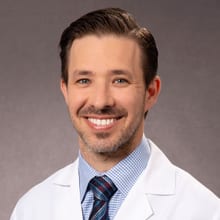
[02:17] Dr. Robert Hacker is a double board-certified general and vascular surgeon based in St. Louis, Missouri. He founded his private practice in 2023 to broaden access to advanced vascular care. His work spans complex arterial and venous conditions and has expanded to include pelvic venous disease, MALS, Nutcracker syndrome, and May-Thurner syndrome. Dr. Hacker frequently treats patients with EDS, POTS, mast cell activation, and related disorders. He is known for his individualized approach integrating advanced imaging and minimally invasive interventions to help improve function and quality of life.
[02:51] I'm so excited to have this conversation because people so often suffer from these conditions yet struggle to get properly diagnosed and treated. As always, this information is for educational purposes only and is not a substitute for personalized medical advice. Although we discuss healthcare topics, nothing on Bendy Bodies is personalized medical advice. Always consult a qualified healthcare provider for your own personal care.
[03:13] Stick around until the very end so you don't miss any of our special hypermobility hacks. Due to the highly visual and complex nature of these topics, I would strongly recommend that you check out the YouTube video if you possibly can. Here we go.
[03:29] I am so excited to be here with Dr. Hacker, vascular surgeon who does lots and lots of work with patients with EDS, HSD, POTS, MCAS, etc., vascular compressions. It's so great to have you here. How are you doing today?
[03:45] Dr. Robert Hacker: Oh, I'm very well, and I'm excited and honored to be on the show. So thank you for the invitation.
[03:50] Dr. Linda Bluestein: Of course, of course. I'm super curious to know how you got involved in EDS in the first place.
[03:59] Dr. Robert Hacker: So this is all basically an accident, or luck if one would look at it this way. I used to be an academic surgeon for the first 9 years of my career. I wanted to leave the academic environment and start my own private practice so that we could deliver more affordable care, faster care, different types of care than you can offer in the hospital. And so part of that was converting from a very heavy arterial practice where you do some of the big stuff like gunshot wounds and rupturing blood vessels to the more bread and butter daily stuff like varicose veins, swollen legs, and wounds.
[04:39] So as the practice shifted, we started identifying a lot of patients, mostly women, who had swollen veins, varicose veins, of various ages — 30s, 40s, 50s, 60s, 70s, 80s. And you start talking to them, and some of them had this diagnosis of May-Thurner syndrome. This is very well known in the vascular community, rarely seen in the hospitals, but very frequent in our clinic. So we started treating the May-Thurner syndromes. And it's interesting because they said, yeah, my leg feels better. And then you start to get the stories. Hey, did you know I've always felt this way since I was 20 years old, 30 years old, and now all my symptoms are gone. And some of these women were pelvic congestion syndrome patients. Some of them later on said, hey, I had POTS. And they didn't really want to tell the doctor because of the scrutiny and the criticism that they get in the community.
[05:34] We started getting 1, 2, 3 stories like this. And when we started getting 10, 12 stories, we said there must be a correlation. So we started really drilling down, and I had hired a new partner into the group, Dr. Shahadi, and she has a very strong background in research. We started tracking our research and we ended up publishing a paper and doing some statistical analysis on quality of life. It turned out that the patients that we were treating were having very statistically significant quality of life improvements after 1 or 2 treatments. And now we're drilling down to what is really happening. We've been working in the community with doctors who specialize in MCAS and POTS to see if we can find some corollaries. So it's all by luck.
[06:26] Dr. Linda Bluestein: Same with me. This was not part of my original plan, let's say. So why do people who have connective tissue disorders, POTS, mast cell activation — why are they so prone to these conditions?
[06:45] Dr. Robert Hacker: I think that is going to be the million-dollar question. And I think that as the research progresses in the scientific community, and given that we're now seeing not just a medical component but some kind of anatomic correctable or surgical component, I think what we're going to notice is that maybe we've been slightly misclassifying or not looking in all the corners. And I suspect in the end, it's going to end up in the nerve world — some kind of dysautonomia, some kind of way that the nerves are functioning that has yet to be described. I'm actually very fascinated to see where the next 10 years go with this.
[07:21] Dr. Linda Bluestein: Yeah, me too. So you talked about people dealing with things for many years, which of course is something I see with the patients I treat. This is such a common thing. What symptoms do you find are most often overlooked or misattributed, but are things that you can actually address?
[07:40] Dr. Robert Hacker: So actually, first off, 95 to 97% of our patients are women. We've treated close to 185 common iliac vein stents for May-Thurner syndrome, and we're up to about 45 renal vein stents. Almost all of them are women except for about 4 or 5 men. So I think a lot of the symptoms that the women are presenting with, the men have too, but they're more overlapping with gynecologic symptoms and pathology. Because they go through the normal gynecologic evaluations, the OB-GYNs look at them and all their testing is negative. They end up going to the GI doctor because it's a similar space. All that testing is negative. No one has been looking at the vasculature. There hasn't been a lot of interest in it in the academic community or in the private practice world. The focus has not been on venography or taking photos. So what you have is this basically anatomic area — essentially the pelvis — which is poorly understood by medical doctors, is not of interest to academic doctors, but it's been there the whole time.
[08:59] We've actually uncovered a ton of pelvic congestion syndrome, completely unrelated to EDS or MCAS or POTS. And a lot of the women are having a lot of the same symptoms. So I think what we have is a gap in our medical knowledge and it's related to women's health, which is a common theme that we hear. And I'm really glad we found it because I think we are really changing lives.
[09:20] Dr. Linda Bluestein: Yeah. I'm actually married to a urologist, but when I was having some problems in my pelvis, it seemed like so few people really understood what things to look for. So what kind of symptoms should primary care doctors or other clinicians be paying attention to? I know we're talking today — and in the interest of time, we could spend hours on this — but we're going to talk about May-Thurner, Nutcracker, MALS, various different things. What kinds of symptoms should make a person think, okay, maybe there is something going on in the pelvis or abdomen, and this could be a compression syndrome or a venous problem? And then what kind of imaging should be done? I understand those are big questions.
[10:14] Dr. Robert Hacker: So what I like to do is take complicated medicine and make it simple. And a question like this, I'll start talking surgery jargon and I'll lose you in 3 seconds. But this is what I would tell patients. When we ask them, I would say 75% of patients all have the same core of problems, and each has their own little unique characteristic. Those individual characteristics are where things deviate when you listen to the online boards. But the vast majority of the time, everyone has the exact same symptoms.
[10:47] Let me go down anatomically. If I was looking at you with X-ray vision, what would you complain of? In the MALS patients, this is very rarely diagnosed. I started picking up on this about 5 years ago with one very specific patient, and it clicked for me when I correlated everything. MALS is the median arcuate ligament syndrome. It's very rare and it has to do with the way the embryology is organized around the artery. There is a nerve plexus around it and it creates pain, but because of the way the brain is innervated, it doesn't put a lot of specificity into the abdominal organs the way it does with a finger or a face or a nose. So it just generates vague pain.
MALS patients have a very specific pain in between their shoulder blades that bores through them, and it can lead to ER visits. And here's the deal. You go to the ER, they find nothing, except if you are looking for it, you can get a certain cut — a side slice — on CT scan. And if it's been there for a long time, you'll even see what we call a post-stenotic or post-narrowing dilation or ballooning around this, which is pathognomonic for it. What you do with it is an entirely different discussion. But if you think you have it, you just need to go find a vascular lab that can do very specific breathing-in and breathing-out ultrasound to reproduce it. That's how we find MALS, but it's very rare.
[12:28] Dr. Linda Bluestein: Can I just ask — sorry to interrupt you, but is it very rare even in EDS patients?
[12:35] Dr. Robert Hacker: Yes. I have been paying attention to the EDS patients and some of the other connective tissue patients. Remember, the EDS group of people have a connective tissue problem, but MALS goes back to when you're being formed as an embryo — how your cells migrate. That migration is very much a function of growth and is very individualized. So you could have twins with EDS and one have MALS and one not. This has to do with chemical signaling during embryology, which you'll obviously be familiar with, but the audience may not.
[13:09] So I would say it is a bad-luck attribute if you have MALS. And I'll bet there are many people who have it. Where I think EDS patients become more prevalent — if we were to look at why we see so many — I think it goes back to the nerve issue. I think their nerves are more sensitive and they may be more attuned to the sensation, even though there are probably many people who have it and simply don't notice it.
[13:31] Dr. Linda Bluestein: Okay.
[13:32] Dr. Robert Hacker: So moving down — that's MALS. The next one would be the Nutcracker. Now the Nutcracker I find very fascinating. I almost need a chalkboard to draw everything, but I want everyone to close their eyes for a minute.
[13:45] From your heart — because the next things all correlate together — the blood goes into your kidney or it goes into your leg, and how does it get back? It gets back through the veins. 25% of our blood flow goes through our kidneys, which means your left kidney gets 12.5% of every heartbeat. This is a tremendous amount of blood. So it goes into the kidney, and if you look at the pictures, it comes back out of the kidney and goes back up to the heart.
Now, almost everyone is born with their superior mesenteric artery going over and the renal vein going under this configuration. That changes as you grow. So when you're young, there's a lot of space, and if you happen to grow very quickly, that angle can tighten. So we talk about the superior mesenteric artery angle — there's a vein under it. Well, if you're compressing the vein and a lot of blood is going through it, the body will find a way for it to come out. How does it come out? It turns out that our left gonadal vein, which would go to the scrotum on a man on the left or the ovary of a woman on the left, happens to drain into that vein. And so many times we'll see that the valves, which are meant to keep blood going up into the left renal vein, will break.
Or — and this is even more fascinating — we identified this with Dr. Kucela with some of the POTS patients. They will develop a very large secondary collateral or network off that vein and bypass it right into the spine. And we've identified that many patients who have that pattern suffer from headaches. Right now, I'd love to have a poll showing how many people said, "I have headaches and I had a blood patch and it was negative." If we were to do the venogram on them, they would probably have this pattern, because the patients who do not have headaches traditionally have not had this drainage pattern, and the ones who do, do.
[15:56] So now you have the blood coming in, it wants to come out, and you have this compression. Well, around the superior mesenteric artery is another neural plexus. This plexus is responsible for gallbladder, pancreas, and gastrointestinal symptoms. What we've identified is that in the general population, the prevalence of Nutcracker is very low — if you look at the academic literature, it's very low. But in our cohort of patients who we've selected for and are checking because they're coming in with symptoms, 95% of them have compression of the renal vein. The prevalence in our office is far greater than what's reported in the national population.
[16:42] Now, why do EDS patients have it? I think it has to do with the way that you're growing and the way that your connective tissue is. And why are EDS patients and maybe patients with pelvic congestion syndrome more symptomatic? Well, if you have an inability to bring your stretched vessels back together because you have a connective tissue disease, you're more prone to venous dilation and collaterals — those side branches. And where do they go? They go around your stomach. You get early satiety. They start irritating the plexus around your superior mesenteric artery. You may have a pancreas attack, but your labs are normal. Or people will complain, "I had gallbladder attacks, cholecystitis — they took my gallbladder out and my symptoms never went away." We treated a woman 2 weeks ago whose gallbladder was out, who was frequently in the emergency room with lots of pancreatitis diagnoses in the ER. We did her stent, and all the symptoms went away.
The bloating, the satiety — these nerves from the superior mesenteric artery start traveling down onto the intestines and they're telling the body to rest and relax, or to fight and flight. That's where the parasympathetic ganglia are. How they're being activated, I am unsure, but I think because the artery is compressing the vein, we must be activating something, because the stent seems to alleviate a lot of the symptoms — the left flank pain, the blood in the urine, the microscopic blood in the urine, the protein in the urine. These are all signs of congestion and the body starts trying to reduce it so you don't have kidney problems. A lot of those improve.
[18:21] So if you follow the blood down the gonadal vein, it goes right into the pelvis, into the adnexa. On our Instagram page, we have a little anatomic picture that says, "Do you have Nutcracker or May-Thurner syndrome?" And if you swipe over, you can see a venogram of a patient who has all of these features. The blood goes in the kidney, goes down the gonadal vein, fills the pelvis, fills the spine. It was a really good example.
[18:55] Why it works, I do not fully understand yet, and I think this is where research goes. But once we put the stent in — and I will come back to the stent conversation a little bit later for the audience, because this seems to be a point of interest all the time — we do notice improvement in those gastrointestinal symptoms, upper epigastric symptoms, and left flank pain symptoms.
[19:19] As we start traveling down, the next big compression is May-Thurner syndrome, which is also very poorly understood by the medical community. If you ask your doctor what May-Thurner syndrome is, most of them have never heard of it. And this is something we're all born with. We're all born with our aorta, or our big red blood vessel off our heart, coming down the left side of our spine, and the big blue blood vessel — the inferior vena cava — going up the right side of the spine. But we have legs, and so there's a natural crossing, and you can see where you're going to have a compression.
[19:56] It turns out that the soft vein, which is only meant to hold 1, 2, 3, maybe 7 millimeters of mercury of pressure — which is very, very light — is being compressed by a blood vessel that has a heartbeat pressure of 120 over 80. What do you think wins? The artery wins. So you get a compressive syndrome.
[20:17] And it's interesting, because when I've gone back and looked at thousands of CT scans, most people have a configuration of veins and arteries crossing where the pelvis drops off like a cliff, and so even though they're crossing, the crossing has no physiologic effect. But in all of these patients, it's almost like everything is shifted up, and so we have a compression that is now causing symptoms.
[20:39] So now you have the blood in the left leg trying to get out because that compression is right at the upper pelvic brim. Every woman experiences a version of this during pregnancy because they have a large uterus sitting on this. And if you listen to the stories, you'll often hear that people got worse after their second or third pregnancy. Maybe they compensated for a little bit, but they can't after time.
[21:06] So now I want you to take the two pieces we talked about — the Nutcracker and the May-Thurner — and put them together as one giant picture. The blood comes down, it goes into the kidney, it tries to come out. It can't because it's hitting the compression. So it opens up the gonadal vein. It goes down the gonadal vein, it goes into the ovary or the adnexa — that Batman-looking thing you remembered from anatomy class. It drains into the internal system of the pelvis. It starts trying to go back up the iliac system and it hits a second compression. So what does the pressure do? Blood finds a way. It just goes across the pelvis through the adnexa.
[21:55] The female pelvis has a tremendous ability to develop collaterals — I think because of the open potential space. And the people who have connective tissue disease, I think, are far more susceptible to this venous dilation. People without connective tissue disease may experience this during pregnancy, but once they deliver, everything goes back to normal. But if you have EDS or any other connective tissue disease — or you've had multiple pregnancies or multiple insults, or you were born with a higher-grade compression than the rest of the population — this persists and it persists forever.
[22:36] So now what do you have? You have all these large, open, tortuous, bendy, ropey veins, and they have blood in them. And blood is water and proteins — it's really heavy. And so what do you finally get? You start getting pressure, fullness, discomfort. Women will complain of painful intercourse, heavy menstrual periods. We have some women who have had multiple miscarriages at 12 weeks, 15 weeks, 20 weeks. They've had genetic analysis — no genetic abnormalities. So why?
[23:11] Well, if you have high venous pressure, you lose what in medicine we call the perfusion pressure. So if your artery is at one level and your vein is very close, there's only a small gap that the oxygen can travel through — you need a large gap. And if you have high pressure, maybe that placenta isn't getting enough oxygen and the baby is actually starving from it. So you wonder, because we see the pattern, is this starting to tie everything into a bow? Is there an actual reason why this is happening? It's very fascinating, and I wish I had so many more answers, but I don't.
[23:47] Dr. Linda Bluestein: Yeah, that's really, really helpful. So many people struggle with a lot of the symptoms you're describing. And of course, like you said, some of these are more pathognomonic and others are quite common. But if you've ruled out a lot of the more common causes, it's really important for people to hear this and think, okay, these are the things that can cause that kind of symptom picture.
[24:11] So if you have possible MALS, you would want an inspiration-expiration ultrasound of the abdomen. What imaging studies are most important for people to pursue, knowing that sometimes it's not so easy to get those ordered?
[24:28] Dr. Robert Hacker: Sure. So the first thing is the least invasive test you can get, the least risk to you, and the least costly — that is an ultrasound. The limitation with the ultrasound, of course, is the technologist who performs it. In our office, I had very experienced technologists and it still took us 3 months to learn the right protocol to do it well. It's just not baked into the institutional knowledge and people aren't spending time on it. Also, most places that have ultrasound techs are really looking for very protocolized things. The celiac artery plexus is in the textbook — most techs learned it in school — but a lot of hospitals don't offer it as an available study. So in the ultrasound world, this is starting to fall into the rare and unique category. You might not be able to get one, but we can teach them. If there are people out there who say, "I have an ultrasound and they're not sure what to get," they could reach out to us and we could help guide them. But you'd have to take the result with a grain of salt if you don't have an experienced team doing it.
[25:42] CT scan — many people have had CT scans for various ER visits. A CT angiogram, meaning they put the dye in your vein, is an excellent test for this if — and there's a big if — the hospital did the right protocol. Because what people don't understand is that when you go through the CT tube, the study is protocolized in a certain way. Think of it like slicing bread. Most scans are thick Texas toast slices, and what you need is wafer-thin slices. Most abdominal CT scans are done at 5-millimeter thickness, which is about half an inch. What we're looking for requires slices of 0.7 millimeters or less. It's tremendously more packed in data. When you're scanning areas where the compression may only be 2 millimeters in size, a 5-millimeter scan may be skipping right over it or lacking the resolution. But it's a really great test, especially if it has the front view, the side view, and the regular spread view, which a standard CT scan has. These would show both the renal compression and the celiac compression, and if you know how to interpret it, it also shows the May-Thurner if it goes low enough.
[27:10] What I've identified is that for May-Thurner, the best test is ultrasound followed by an angiogram with an intravascular ultrasound. That's how we diagnose everything before treatment — an actual ultrasound inside your blood vessel.
[27:24] Dr. Linda Bluestein: I actually went and observed an interventional radiologist in my community performing that intravascular ultrasound. I had never seen it before since I've been out of the OR for a few years. It was really, really fascinating.
[27:42] So we have a lot of clinicians who listen to this podcast and many who really want to help this population of people. What about something like a venogram — is that an appropriate thing to order? And actually, let me back up a second. It sounds like they should order a CTA of the abdomen with thin cuts, like 0.7 millimeters?
[28:03] Dr. Robert Hacker: Yes. If you're ordering a CT scan, I would order a CT scan of your abdomen and your pelvis. I would ask for it to have both arterial phase and venous phase, which means they just run you through the machine with a slight delay. And then you would ask them to make sure you have thin slices. That's the CT scan.
MRI or MRA can be a little bit tricky. MRI is really great for pelvic congestion syndrome to show those big dilated varicose veins, and you can use that to infer there's a problem elsewhere. If someone's having low pelvic pain, MRI is great. But CT scans and MRIs are really expensive, and sometimes getting access to them is hard. Or you're exposed to radiation, or maybe you're pregnant or think you might be — those are no-nos.
[28:56] So ultrasound is a great test. For the celiac, you say, "I need to look for median arcuate ligament syndrome. I need inspiration velocities and expiration velocities," because as you breathe, your diaphragm goes up and down and pulls tighter on those bands or releases them, and you can demonstrate a change in velocity objectively, very scientifically. That's a great test.
For the Nutcracker, we've been working on this. We've noticed that there are a lot of people who have it. You can see it if you're not eating, you have a thin body habitus, and you have a good tech — but even my technologists sometimes have trouble seeing it. We use that as a rule-in, rule-out test before the venogram. Because if it looks like everything is open, well, then you don't have it. But if you're having symptoms and it looks like you have what we call flat-line or monophasic waveforms on the left with dilation, you can measure the vein, and then at the compression it's very small. You can infer there must be some compressive process going on. Even though you don't know all of it, it makes you feel more comfortable proceeding to the next level. So the ultrasound we find useful again for screening.
[30:10] Dr. Linda Bluestein: That's exactly what I was hoping you would do, and you did it in a stepwise fashion — because you don't send somebody right away for the more invasive test if you're not sure you're in the right ballpark. So thank you. That's very important.
[30:25] Dr. Robert Hacker: Yeah, we believe in education and empowerment. By the time many people hit our office, they've seen 12, 13 doctors. They've had every blood test. They've had endoscopy, colonoscopy, intravaginal ultrasounds, CT scans galore. And everything is negative. So you sit and you talk, you keep an open mind, you do an ultrasound. And I would say 99% of the time, the people who walk in the door screen positive on the ultrasound. And if they screen positive, we will then feel more comfortable doing a diagnostic venogram. We never treat at the first visit.
[31:03] The beauty of a nice private practice is we have great flexibility and great availability. The insurance companies are a little bit difficult to deal with, but usually we can get people in within a week from the time of diagnosis to the OR. And we diagnose everything with intravascular ultrasound, because a straight venogram — I must have missed a ton doing just that. Remember we talked about compensation? The body finds a way to compensate — it elongates the iliac vein, it pancakes itself out so it can try to carry the blood flow. But unless you look for it, we actually find it, and it's been sitting there the whole time.
[33:56] Dr. Linda Bluestein: Okay. We're going to take a quick break and when we come back, we are going to talk about how you address these problems and what the therapeutic options are. We'll be right back.
Thank you so much for listening to Bendy Bodies. We really appreciate your support. It really helps the podcast when you like, subscribe, and comment on YouTube, and follow, rate, and review on all audio platforms. This helps us reach so many more people and spread the information to everyone. Thank you so much again, and enjoy the rest of the episode.
Okay, we are back with Dr. Hacker, and we're going to be talking more about treatment options. I think we're also going to take a little diversion into POTS patients and pelvic venous congestion. You shared with me during the break that you had a theory about POTS and pelvic venous congestion. Could you share that?
[34:16] Dr. Robert Hacker: Sure, absolutely. So one of the things we've observed — and it actually links very closely into our theory about MCAS — I don't know if you ever had a chance to work at a trauma center. Did you?
[34:29] Dr. Linda Bluestein: In training, Level 1 at Mayo, but post that, Level 2, Level 3 — as the anesthesiologist.
[34:36] Dr. Robert Hacker: So this is very powerful because you can maybe correlate what we've been talking about, and I'll blend it all together.
[34:46] As a surgeon, we trained very heavily for trauma — stabbings, gunshot wounds. I trained in New York, I was in Philadelphia, I was in Pittsburgh. I've dealt with my share of messes. But one of the things we've noticed is that when someone loses blood very quickly in an acute situation, they go into shock, and their body behaves in a very specific fashion. Their blood pressure behaves in a certain way and their heart rate behaves in a certain way. What is that way? Well, if you have no blood going to your heart, the speed goes up and your blood pressure goes down.
[35:20] Now, in the POTS patients, they are usually able to eventually maintain their blood pressure, but you usually see a small drop. If you have pelvic congestion syndrome — as we talked about earlier — you have these large dilated veins. Depending on how much volume you have, because these veins are what we call in parallel, meaning they're all next to each other, there's a tremendous potential space. And as we know, a large majority of our blood is actually stored in our legs.
[35:53] So if you have a compressive syndrome that's preventing some of your venous blood from quickly mobilizing when you change positions — from sitting or lying to standing — if that's slowed, your heart is beating and all of a sudden it's beating dry, figuratively. Every time it beats, it's not pulling as much blood as it should. If you compound that with a potential space in the pelvis where there are no valves and the blood can slosh figuratively wherever it wants, you're adding more blood pooling away from the heart.
[36:30] So if you can just imagine — and it would take a really eloquent study to confirm this — someone stands up, and not only can they not mobilize the blood out of their left leg or right leg because some people have both legs compressed by the aorta, but the blood is also being held in the pelvis. All of a sudden you are losing figuratively 250, 500 milliliters until you're able to move and catch up, which can take a minute, 2 minutes. And so your heart is just beating away. You're behaving like a trauma patient.
[37:02] Now, how many of you out there get anxiety, feel shocky, feel nervous standing up? You see this all the time in this community at a very high preponderance, more so than in the normal population. So one of the hypotheses is: are you actually hypovolemic from these compressive syndromes, from these pelvic dilated veins? And is it leading to a shock state? And what is a shock state? It's your body going crazy, your sympathetic system being upregulated in what we call a compensatory mechanism. And your body is trying to survive.
[37:42] What happens when you lie down and raise your legs? You're able to compensate for that. You're taking that stress away. And what do the patients all do? They all lie down, raise their legs — they transfuse themselves, essentially. And they usually feel better and the headaches go away.
[38:02] So now we have the pelvis holding all this blood. We found that some of the patients we've treated for pelvic congestion syndrome with stents have completely resolved their symptoms, but most say their symptoms have improved — because I think there's more to the pathology than just the blood flow. I think there's a nerve component to this. So we're always very clear that we don't expect it all to go away. We just expect you to go from a 10 to a 5. And most people say, "I would love to be a 5."
Now, MCAS. We've all heard about MCAS. Dr. Hutchins and I were having a discussion at the Dysautonomia Clinic. There are beautiful studies showing that the mast cells — the cells that release all this histamine and these byproducts — are built a little bit differently. But my argument is: okay, you have connective tissue disease and your cells are fragile little balloons. You still have to throw the balloon for it to pop. So what does that throwing? I think the constant trauma and stress of the hypovolemia, the sympathetic-parasympathetic imbalance — the parasympathetics are being stimulated by the compression.
[39:18] Why do I think that? Because I know from doing aneurysm surgery that the sympathetic system is on the right side of the aorta, specifically over the right iliac artery. I've seen it. I have to be very careful about it when I do surgery. The parasympathetics are coming down from the stomach. They're going around that celiac artery. They're going around that superior mesenteric artery. They're being compressed. They're going around the left side of the body into the leg. And I think just like acupuncture, they're being overstimulated. That overstimulation is leading to brain fog — not pain, just overstimulation. Your body doesn't know what to do with it. You're not thinking straight.
[39:56] So alleviating the compressive syndromes is like alleviating all of this cerebral noise. Then you're adding the shock-like state of the standing and sitting and standing again. And what does your body do? It basically becomes fragile. Every time you stand up, it's like you're getting shot in the abdomen — you're losing a whole bunch of blood and your body has to compensate. You do this over and over again. Everything is on edge.
[40:18] And I think that's even where the mast cell diagnosis comes in. Because if you notice, most of the patients — and I'm very curious about your population — if you did a survey, people don't show up and say, "I have mast cell, and then I have POTS or EDS." It's always: "I have these symptoms, and then eventually I've also noticed I've developed an allergy."
[40:44] Dr. Linda Bluestein: Yeah, that's definitely very, very common. A lot of people who listen to the podcast know about mast cell, so they say they really suspect they have it. Or in some cases they've been diagnosed, or a family member's been diagnosed. But you're right — a lot of people have either diagnosed or suspected EDS or another connective tissue disorder, and it kind of starts there.
[41:07] I'm curious — when you say that you have 95%+ female patients versus males, but you're also describing pelvic venous congestion — I'm thinking about males with POTS, which we know is less common. Are you seeing much in the way of males with pelvic venous congestion and POTS? And why do you think there's such a massive difference in your practice?
[41:36] Dr. Robert Hacker: We literally have about 6 gentlemen who have the diagnosis of POTS. Several of them we've treated and we've done the venograms on — on 2 separate occasions, one during treatment and one during the diagnostic phase. And the male pelvis is just so much tighter. There's much more distinction between the left side and the right side. You don't see the same cross-pelvic flow. There are a couple of potential veins around the pelvic brim. What you will see is gonadal vein reflux, but usually you can diagnose that just from a physical exam — they have what they call a varicocele, or varicose veins on their scrotum.
[42:18] You have to remember the scrotum and the labia are exactly the same organism in men and women embryologically, except in men it's on the outside. So in men it gets seen and treated. In women, that ovarian vein gets seen but doesn't get identified. So I think in men you have a much tighter pelvis, and female anatomy has a bigger pelvis — there's really a potential space designed to hold a uterus and a baby. There's much more cross flow, and you really see that flow around — it's very hard to describe, but if you were to look at someone from the inside, peek over into the bowl from the belly button, there's a big space around the vagina, huge amounts of veins around the outside of the uterus and around the ovaries, and they just cross.
[43:29] In the men, you don't see it. They usually have the iliac vein compression, yet they have many of the same symptoms. And that's why I say there must be more than just the anatomy we're identifying. That's why I keep going back to nerves. And that's why I think one day if we have the community talks, we'll say maybe POTS isn't the best answer. Maybe we just say you have dysautonomia — a dysfunctional autonomic system for various reasons. A little bit more general, a little bit more broad, but more inclusive and less restrictive, if you will.
[44:03] Dr. Linda Bluestein: Okay. And I know this is going to be hard because we've talked about multiple different conditions in this conversation, but in terms of treatment options, how are you approaching this? You talked about stents already. Can you run us through what we'd be looking at in terms of treatment — once you've identified that there's either MALS or pelvic venous congestion or Nutcracker or May-Thurner? And I also want to ask: why do some people have more than one of these problems?
[44:43] Dr. Robert Hacker: Let's go with the last question. Why do they have more problems? There must be a developmental component. My best hypothesis is that when the kidneys are formed, they start low in the pelvis and rise up. We see many different patterns of kidneys — some people have one renal artery, some have two — and the venous system is growing at the same time. It's very complicated the way blood vessels form. But what you have is two shifting systems — an arterial system and a venous system. There must be something in these patients where they're not aligning like the rest of the population. It's almost as though the venous system is being crammed into the arterial system, like everything is too high.
We also notice a loss of fat on the renal veins. Most of them have a loss of fat right at the corner where the vein runs by. They all have it. And when we look at people without the condition, they have a nice fat pocket right around it. I think this is something that would just have to be researched, followed, and studied. I don't know why, but there must be some kind of connection to all of this because it's too common to be coincidental.
[46:02] As far as treatments — treatments are a very interesting question because we're not really fixing the problem. Some people say their problems go away. What we're primarily trying to do is reduce the symptomatology, because we've noticed a consistent pattern.
[46:18] So what are we trying to do? With MALS, you're trying to take away the band and free up the artery. But the most important part — and if you read the papers from the group in Seattle — they're trying to take the nerves and strip them off the artery. It's more than just plucking a string. You have to what they call de-innervate the artery so that the pain goes away. The problem is that's a surgical procedure and you can develop scar tissue and it can come back. So there are no guarantees. Or you have to learn how to deal with your symptoms, which is a terrible thing, but we've all heard it. But sometimes just knowing what you have and knowing that you're not broken — you're just a little bit different — is empowering. Knowing how to get through an attack, for instance.
[47:07] For the Nutcracker, this is highly controversial and I'll lead with that. If you go to the large academic centers here in St. Louis, the threshold for repair is tremendously high, and that's because the surgery was very complicated. The threshold was: you had to be urinating blood because the back pressure was so high; you had to be going into kidney failure; you had to have exquisitely bad flank pain; or you had to have some kind of organ-threatening issue. Why? Because they offered you what we call a left renal vein transposition, where they cut you open, move your guts, cut the vein, put it somewhere else, and sew it back on. The 1-year patency — how long the opening stays open — is only 80% at 1 year from that operation. The other option was to cut you open, spread your guts, take your kidney out, and put it somewhere else — called an auto kidney transplant. These are tremendously large operations. So the threshold to treat has been, I think, appropriately very high.
[48:22] Technology improves, people start doing stents. But me saying "stents" is like saying "soda" — there's a tremendous number of versions out there. I think one of the problems is that people say, "I had a stent," but it's so nonspecific that it leads things in the wrong direction.
There were large studies performed at major institutions that had terrible outcomes. Why? I think for two reasons. One, the technology was put on delivery devices that literally look like harpoons — they weren't made to make these sharp turns — and they were done by fellows. So you had bad technology and poor supervision. The second issue is they used what we call open-cell stents, a meshwork you could see through. In the venous system, we know from doing other types of surgery that the body starts developing scar tissue and it grows right through that mesh and you get an occlusion.
[49:39] What do we do differently? It's almost 2026. We use a stent by Gore. It's covered in an inert material called Gore-Tex, and it has nitinol in it. I use a very large stent — the biggest one they make — and we've really perfected the technique: the wire we use, the delivery sheath we use to get it there. The stent itself is oversized to the vein so that it gets pinned by the compression and opens everything up. So we have both a mechanical fixation and a length component. It's still a risky procedure — stents can still move — but far less so. We've had zero perforations, we've had one migration, and I would consider it to be very safe with very good results. And because it's covered, the body doesn't grow through it.
[50:37] But how you do it and who does it really does matter. In the iliac vein, May-Thurner syndrome is a very well-known and commonly treated pathology. But what we do in our lab is very different from everyone else in the way that we deploy it, the stent we've selected, why we've selected it, and the sizes that we use. Because the complications there are pain and again, migration. We've only seen one migrate, and we've had no perforations and no thrombosis. So it's complicated.
[51:15] Dr. Linda Bluestein: Definitely. What about mast cell-type reactions to the stent?
[51:20] Dr. Robert Hacker: So it's fascinating. We've spoken to several dermatologists and immunologists. The stents and most medical hardware are made out of a metal called nitinol — it's titanium and nickel. It was produced by the Navy to prevent things like the Titanic from occurring. Nitinol is great because you can give it a memory and then shrink it down so you can deploy it, and when it gets warm it expands to its memory size.
And you might say, "I have a nickel allergy." Well, it's been brought up that the nickel in your watch, the nickel in your earrings — that's touching your skin, and the immunologic cells in your skin and the content of nickel in those metals is very high. The intravascular system is different, and we are unaware of anybody who's had a reaction to nitinol stents. They're commonly deployed across the country, and it's not often reported that people have a problem with them.
[52:30] We are cognizant of the concern. We've had discussions with colleagues in the community about this. We've even suggested that maybe patients should patch test. But again, you're only patch testing by taking that stent and taping it to your skin, and that's not your blood vessel system. The immune response on your skin is going to be different, we hypothesize, than the immune response within your vascular system. Caution should, of course, be given.
[52:56] Dr. Linda Bluestein: And what are outcomes like? Again, I know we're talking about multiple different problems here, but in terms of short-term and long-term outcomes for the stenting and procedures you were just discussing.
[53:08] Dr. Robert Hacker: Sure. So I think outcomes can be graded on several things. The first thing we identified is that these procedures can be painful — really painful. That's one of the things we identified early on as we were following the traditional surgical literature. Of whatever your vessel size is, make the stent 20% bigger. Why? It allows for what we call radial force — more external squeeze. In these patients, the compression is so significant. We're talking from 16mm down to 4 or 5, and there's likely scar tissue with the nerves and the arteries and a big muscle behind it. When we were doing that, we had people in excruciating pain. We've never had to have one explanted, but people have had their stents at other institutions removed because of this.
[53:58] So we started using the intravascular ultrasound to guide us more accurately to the size of the vessel. We've been sizing more what we call 1-to-1 — trying to match what the blood vessel is before the narrowing and what it is after. It's usually a little bit smaller after, to try to reduce the amount of pain and discomfort.
[54:18] From an outcome standpoint, when people get both the renal stent and their iliac vein stent for May-Thurner, they'll have pain for between 3 days and 2 weeks. We've found a really good cocktail — cyclobenzaprine as a muscle relaxer at night, coupled with a high-dose nonsteroidal anti-inflammatory for a few days to quiet the system down. These are very physiologic drugs, and then we taper them off. Even people who have MCAS or a history of gastric lining issues can tolerate this for a few days. I've had only one patient who had pain for a very long period, and that was because we did a very aggressive, oversized treatment.
[55:01] From a symptom standpoint, this is the $10-million question that everyone's been waiting for. We do surveys before and after, and the research paper that we presented at the Dysautonomia 2025 conference looked at the statistical analysis of this. The p-value — meaning when they run it through the computer and ask, "Is this by chance or is this actually real?" — was 0.0001. The threshold for statistical significance would be 0.05. So it didn't get any smaller. We've noticed that when you examine people, they score on the Malmö-POTS score — which is a validated test, I think from the Netherlands, though do not quote me on that — statistically significantly better after treatment versus before.
[56:00] Some people, we've gotten letters — my partner has received letters saying, "You've changed my life." We've seen people get off disability and go back to work. We've seen tremendous improvements in life. Nobody I'm aware of has said they feel worse. There is a group who say, "I really don't notice anything different," but when you dig down, they'll say, "Okay, I have fewer symptoms." We're very transparent — a lot of people will still get POTS-like symptoms, still get dizziness. Some will still have MCAS allergies. But the severities are decreasing.
[56:34] I'd really be interested to see, after 1, 2, 3, 4, 5 years of being treated and still having good medical management — with the right medications, with good POTS doctors — do we actually see their bodies start recovering back toward normal? I think that's the big question.
[56:51] Dr. Linda Bluestein: And what do you think are the biggest misconceptions amongst clinicians or patients when it comes to these problems?
[57:01] Dr. Robert Hacker: I think the hardest thing is that this is unknown. Doctors want data. The tests are all negative until we've been able to finally do these venograms. And there's no education on it. If you can't see it and you can't touch it, it doesn't exist — that's just how medicine works. And so people are coming to these clinics complaining of vague abdominal pain, testing negative, going to OB-GYNs complaining of pain, testing negative, going to the cardiologist with real symptoms, testing negative, or they have POTS but "it shouldn't be that bad." And yet we're just always falling short.
[57:47] So I think it's just a lack of education, because I think this is exciting. It's like something new. We thought medicine was known — except for a lot of neurology — and I think we're onto something that's just been missed. It's been there the whole time, but with angiography and access to less expensive diagnostic tools, private practices like mine are able to go out and do these things because hospitals are not equipped to do this. We're actually able to prove it and demonstrate it time after time after time.
[58:17] Dr. Linda Bluestein: And people listening to this podcast are from all over the world — many different countries, which is amazing — and of course all over the US as well. If somebody is thinking that one of these conditions we talked about — MALS, May-Thurner, Nutcracker, pelvic venous disease, etc. — is a potential problem for them, what should they be looking for in a clinic or clinician they might be considering?
[58:52] Dr. Robert Hacker: I think the first and most important thing is: if you think you have it, trust your gut. You know your body more than anybody else. Most of these patients have been advocating for themselves.
[59:00] The second thing is, it's our job as clinicians to relate to patients — but in this particular case, the patients also have to relate to the doctor. What do I mean by that? You can't just come in with a stack of papers and say, "I've had all these surgeries and this is how I feel." I think if you had a journal — a story — and you were able to show the doctor, "This is what I do and I get these symptoms, but when I do this, I don't," you can help take someone who is willing to listen and guide them on what it could be and what it couldn't be, by breaking it up into little palatable pieces, which I've been trying to do this whole time.
[59:52] I break it up into: Do you have upper GI symptoms? Do you have gallbladder or pancreas symptoms? Where's your pain? When do you get it? And if you are looking for someone and you journal this stuff, I think you'll have a much more friendly journey. And I think doctors will be much more open to, "I think we have a real problem here," versus the typical dismissal that many people have experienced.
[1:00:17] How do you find those doctors? That's also the million-dollar question. I would advocate that the people involved in this community — which we've been trying to join — work together to develop a network to help patients. I will tell you right now, if any doctor or patient were to reach out to us, it would be our pleasure to help provide protocols, talk to patients, talk to doctors on their behalf, even though they're not my patient. Maybe we can help guide you in your local area if you can't make it to us.
[1:00:46] Dr. Linda Bluestein: That's an incredible offer. And I know you are trained as a vascular surgeon — you did general surgery first and then vascular surgery. There are also interventional radiologists who do some of these procedures, correct?
[1:01:31] Dr. Robert Hacker: Absolutely.
Dr. Linda Bluestein: Can you explain a little bit about that? Because I think there's an area of overlap here — like interventional pain procedures that might be done by an anesthesiologist, a physical medicine and rehabilitation doctor, or an interventional radiologist. This might be another one of those cases. As we get close to wrapping up, it might be really helpful for people to have a better lay of the land.
Dr. Robert Hacker: Yeah, absolutely. There are fantastic physicians in our country and around the world, and not everyone took the exact same path to train. Sometimes people end up in the same room with very different backgrounds.
A vascular surgeon like me left medical school, did 5 years of training — opening abdomens, learning intra-abdominal pathology, taking care of patients in the ICU — and then became a vascular surgeon operating on blood vessels, opening them up, bypassing them, as well as doing catheter-based procedures with IV dye and X-ray. Radiologists go to school and train on the interventional side, but they may have a residency experience that didn't involve spending a lot of time in the abdomen. So the wire skills and the interpretation of images can be excellent, but the perspective is different. Cardiologists involved in this space do the same catheter-based things, but again, from a different background.
[1:02:42] There is a difference in how one looks at a problem. I don't look at an X-ray the same way a radiologist does, and I don't look at the heart and the POTS data the same way a cardiologist does. Everyone has something very valuable to bring to the table, and there are areas where we all overlap and areas where we're weak or miss things.
So it's really about learning who you have access to: What are their qualifications? Does this person sound like they know what they're talking about, or are they just trying to do something? We realized that a lot of women were getting their ovarian veins coiled because of pelvic congestion syndrome. And if you talk to them — and I'd love to know in your comments section if anyone's had only their left ovarian vein coiled and their symptoms got worse — we've identified that's because they actually had Nutcracker syndrome. The ovarian vein was a compensatory mechanism, and they just shut it down. I have several patients like that, and we had to do the stenting instead. They got better because we restored that natural flow. It's something that was missed because everyone had been looking at one little part: the May-Thurner part, the MALS part, the Nutcracker part, the gonadal vein. But if you take a step back, they're actually all linked together.
[1:04:01] That's where we came up with our diagnostic and treatment approach. We do it in a very specific order to try to do as little as possible. We always do the diagnostics first, have a discussion, and then we'll treat the iliac vein compression to try to improve drainage out of the leg, out of the pelvis, out of the ovaries. If they're still having symptoms, we'll do the embolization to try to close that up and isolate the left side from the right side. And only then, if they're still having problems, do we do the renal stent, taking out the gonadal vein and doing the stent simultaneously. We do it very stepwise, very algorithmically, and very thoughtfully, because every person is different. Some people never need anything more than the iliac vein stent. That's all they need.
[1:04:46] Those are all my secrets.
[1:04:48] Dr. Linda Bluestein: Good. That's exactly what I was hoping. I was hoping to get all your secrets. Speaking of secrets — and I think it's funny because your last name is Hacker, and as a surgeon you probably get teased about that all the time — we are going to ask you for a hypermobility hack. What do you have in the way of a hack for us?
[1:05:13] Dr. Robert Hacker: So I was thinking about this, and I've got a good one. Let me know if I'm right.
[1:05:19] What's the biggest thing that a lot of hypermobility and POTS people deal with? They get up and they feel really dizzy and they feel terrible. So let's have everyone try this for a month and see if it works.
Instead of just standing up and immediately feeling lightheaded, here's what I want you to do. Stand up for about 3 to 4 seconds, sit back down, wiggle your legs. What is that going to do? It's going to start telling your body to tighten up your arterial system. If you have normal veins, they'll shrink down a little bit. You'll move the blood out of your legs, and you'll start to recruit blood for the engine of your heart so that you're not running dry when you fully stand up. By standing up briefly and then sitting back down, you're no longer at risk for a tip, a fall, a hit. You're prepping your system. Do that for a couple more seconds — maybe stand up one more time for a couple of seconds, sit back down — so maybe it's a 15, 20-second process in total. Then stand up and walk.
[1:06:29] I'd be very curious to see if you do better, because from our experience, patients say that this really does help them.
[1:06:31] Dr. Linda Bluestein: I love that. I often tell people to move their legs, squeeze their gluteal muscles, etc., but not stand up, briefly hold, and then sit back down. So I really like that. I can't wait to hear from people — please let us know what you think of this hack and how helpful you thought it was. I love getting new hacks for people to try.
[1:07:06] So before we go, I would love to hear where we can learn more about you and your practice. And also, a question I get asked all the time is whether the doctor takes insurance or not. And we know that medical licenses are state-dependent, so some doctors will see people only from their home state. Could you explain a little bit about how your practice works and if there are any state limitations?
[1:07:36] Dr. Robert Hacker: Sure. We're in Missouri, in St. Louis, about 20 minutes from the airport heading west. Our practice is called St. Louis Vascular Surgical Specialists, and we're the only private vascular surgery practice in the entire state for about 300 miles.
[1:07:51] Insurance — we take almost all insurances, and we also take cash with special cash rates. There are not a lot of places to get diagnosed for POTS. We're just now going through a protocol, shoring it up with some colleagues in the community to make sure it passes muster, and we're going to start doing some POTS testing for patients so they don't have to wait as long.
[1:08:15] As you stated, state licenses are really important. Right now I only hold a Missouri state license, but I've been licensed in California, New York, Pennsylvania, and Ohio over the years. I've been contemplating expanding those again, and I'm looking into developing satellite clinics across the country — where maybe we come in for a few days, run a big clinic, and work with existing physicians who have large patient populations but would like to get them treated locally. So if there are any physicians out there who say, "I have a clinic and would love you to come out," we would love to explore any way we can share the expertise with the community.
[1:08:54] To reach us, you can email us at [email protected] or visit the website at stlvascular.com. And there aren't a lot of Hackers out there, so it's easy to find. With a name like Hacker, you can't afford to be bad.
[1:09:21] Dr. Linda Bluestein: Definitely. So if somebody is from a state besides Missouri, as long as they're coming to see you in person, you will see people from other states. I just want to make sure people are really clear about that.
[1:09:32] Dr. Robert Hacker: Absolutely. Absolutely. We've had people come from Canada, Tennessee, Arkansas, Colorado, Illinois, California — all over the place. As long as we're in our state, we can do it.
[1:09:44] Dr. Linda Bluestein: Great. And when you said you're working on POTS testing, are you talking about getting a tilt table, or —
[1:09:55] Dr. Robert Hacker: We own a tilt table. We just want to make sure we're doing the right —
[1:09:57] Dr. Linda Bluestein: — the right protocols.
[1:09:59] Dr. Robert Hacker: Protocol to test them out.
[1:10:00] Dr. Linda Bluestein: Apparently there aren't a lot of facilities out there that have them, so it can be really hard to get tilt table tests. Full autonomic lab testing can be very, very challenging. I used to send people to an autonomic lab and they would be on a waitlist forever, and then they would often get canceled the day beforehand.
[1:10:19] I can't do the full autonomic testing that they would do in those labs, but I will do a stand-up test — what's sometimes called the NASA lean test — with orthostatic vital signs for 10 full minutes after they stand up. I have them lay down for 10 minutes first, then stand up for another 10 minutes, and I will diagnose POTS based on that if it's positive.
[1:10:41] Well, this was such a great conversation and I know that people will be learning so much from this — both patients and clinicians. We have a really vast audience. So thank you so much for taking the time to chat with me today. I know your schedule is very, very busy, and I really appreciate it.
[1:10:53] Dr. Robert Hacker: Thank you so much. It was a pleasure.
[1:12:03] Dr. Linda Bluestein: I am so grateful to Dr. Hacker for coming on the Bendy Bodies Podcast today and teaching us so much about compression syndromes and stents and these complicated conditions that are so often missed. I'm sure you found this super helpful, and hopefully you're going to have more hope for the future and alleviating some of your symptoms.
[1:12:24] Thank you so much for listening to this week's episode of the Bendy Bodies Podcast with the Hypermobility MD. Check out my other resources, including my newsletter, the Bendy Bulletin. Visit my website at hypermobilitymd.substack.com. Help us spread the word about connective tissue disorders by leaving a review and sharing the podcast — this really helps more people find the show.
[1:12:44] Did you know that I also offer one-on-one support for both clients and healthcare professionals? Whether you're living with a connective tissue disorder or caring for someone who is, I've got your back. Check out my coaching and mentorship options on the services page at hypermobilitymd.com.
[1:12:58] You can also find me, Dr. Linda Bluestein, on Instagram, Facebook, TikTok, X, or LinkedIn at hypermobilitymd. You can find Human Content, my amazing producing team, at humancontentpods on TikTok and Instagram. You can find full video episodes up every week on YouTube at Bendy Bodies Podcast.
[1:13:16] As you know, we love bringing on guests with unique perspectives to share. However, these unscripted discussions do not reflect the views or opinions held by me or the Bendy Bodies team. Although we may share healthcare perspectives on the podcast, no statements shared on Bendy Bodies should be considered medical advice. Please always consult a qualified healthcare provider for your own care.
[1:13:36] To learn about the Bendy Bodies program disclaimer and ethics policy, submission verification and licensing terms, and HIPAA release terms, or to reach out with any questions, please visit bendybodiesboutique.com. Bendy Bodies Podcast is a Human Content production. Thank you for being a part of our community, and we'll catch you next time on the Bendy Bodies Podcast.