Description
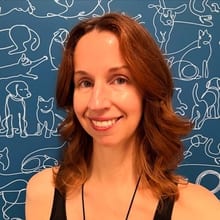
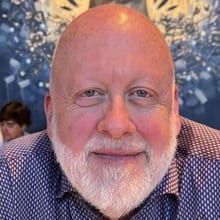
What happens when illness hijacks your love story? In this raw and revealing episode, Dr. Linda Bluestein sits down with therapists and real-life couple Melissa Dickinson and Tom Query, who know firsthand how Ehlers-Danlos syndrome can test—and transform—a relationship.
From secret diagnoses to unexpected intimacy challenges, they open up about their personal journey navigating chronic illness, caregiving, trauma, and neurodivergence while maintaining connection, humor, and purpose.
But it doesn’t stop there. You’ll hear about the surgery that changed everything, a community built from the ground up, and what it means to reclaim agency in a body that feels like it’s working against you. Whether you're chronically ill, caregiving, or just curious—this episode will stay with you.
Watch
Guests
Transcript
[00:57] Dr. Linda Bluestein: Welcome back, every bendy body, to the Bendy Bodies Podcast with your host and founder, Dr. Linda Bluestein, the Hypermobility MD. I am so excited to introduce you to Melissa Dickinson and Tom Query. This amazing couple are both counselors and therapists. I met them in Las Vegas in 2017 at the EDS Society conference and had dinner with them. They are just incredible people. They are so knowledgeable. Melissa has EDS and has been through the wringer. She's going to share with you so many experiences that she's had and how their relationship started out with some really surprising revelations. I think you're going to find this conversation really helpful, whether you're a caregiver or an EDS patient, or you have some other role.
[01:43] Melissa Dickinson is a licensed professional counselor specializing in neurodiversity, gender affirmation, trauma, and chronic illness. She and her husband Tom created the Wellspring Counseling Coaching and Transition Center in Atlanta, which is a collection of highly skilled and talented professional counselors and changemakers. Melissa is the founder and executive director of the Georgia EDS and Hypermobility Network with over 1,500 members.
Tom Query worked 35 years as a licensed professional counselor and director of several mental health centers and one stateside disability agency. He came to specialize in life changes, sexuality, and gender. Tom has a long history of working with crisis and grief. He was one of the first mental health professionals deployed to New York immediately after 9/11. He has been a teacher, trainer, and ally for a wide range of marginalized groups. He is also an ordained minister, though he says he carries his collar in his back pocket. Earlier in his career, he was a professional magician.
[02:45] I am so excited about chatting with Melissa and Tom today. I think we all know that navigating relationships with chronic illnesses like Ehlers-Danlos syndromes and hypermobility spectrum disorders is very challenging, so I'm really thrilled to chat with them and get some tips that all of us can benefit from. As always, this information is for educational purposes only and is not a substitute for personalized medical advice. Stick around until the very end so you don't miss any of our special hypermobility hacks. Here we go.
[03:19] I am so excited to finally get to chat with Melissa and Tom. How are you guys doing today?
[03:27] Melissa Dickinson: Well, good.
[03:28] Tom Query: Great. Glad to be here.
[03:30] Dr. Linda Bluestein: I'm so glad to finally get to sit down and chat with you both. And I'm going to start with you, Melissa. Can you describe how you ventured into dating Tom in terms of when and how you revealed anything about your medical problems?
[03:41] Melissa Dickinson: When I first met Tom and we were getting a little closer and started dating, I actually didn't know what the family mystery illness was yet. I just knew that something ran in our family. So a couple of dates in, I said something like, my family has a quirky series of medical issues. I just wanted to give you a heads up, and if I learn more about that, I'll tell you more about it.
[04:14] Fast forward in time, it was actually after we married that we learned that I had Ehlers-Danlos syndrome. After we went on our honeymoon and I had a Cipro exposure that rapidly accelerated my health decline, I got in front of a pain management doctor trying to find options after I subluxed my neck. And when I got in front of them, they happened to be very familiar with EDS, immediately noticed I was moving in ways that I shouldn't be able to do, and referred me to genetics. So we came back from our honeymoon where I had my first two subluxations walking my dog down the sidewalk, and within six months realized I had a genetic illness that we were going to have to adapt to. So I kind of hoodwinked him by accident.
[05:09] Tom Query: She was in a wheelchair by then.
[05:11] Dr. Linda Bluestein: Wow. So things changed very quickly, it sounds like.
[05:15] Melissa Dickinson: Yes. It was an abrupt acceleration.
[05:21] Dr. Linda Bluestein: And I know a lot of people asked, when I was telling them that I was going to be speaking with both of you, they wanted to know what would you recommend to other people in terms of when it's a good time to reveal this kind of information?
[05:36] Melissa Dickinson: I have done a lot of thinking about that, and if I had known earlier on, I probably would have timed that with the second date. If I were talking to somebody that was important to me and the first date went well, the second date may include a statement like, I'm aware that I have a chronic illness and wanted to go ahead and disclose that. And if we start spending a lot of time together, then I will start inviting questions so that you can learn more about that and assess for yourself if you want to continue this journey together.
[06:15] Dr. Linda Bluestein: That's such a great way to put it. And Tom, did you hesitate at all due to the challenges that Melissa had? And of course the timing sounds like it was really interesting in that, you know, the honeymoon was like, oh boy.
[06:30] Tom Query: She had already tricked me into marrying her. I was already locked in.
[06:35] Melissa Dickinson: Somehow he stuck around.
[06:37] Tom Query: But from early on, I had no hesitation of saying, whatever this is, we'll get through it together.
[06:43] Dr. Linda Bluestein: That's amazing. And I know there's already going to be people going, I need to find a Tom. Where can I find one? I'm anticipating getting messages like this. I'm sure, Melissa, you hear this all the time.
[06:56] Melissa Dickinson: I do.
[06:57] Dr. Linda Bluestein: Tom, what has been the hardest part of being Melissa's partner when it comes to EDS?
[07:05] Tom Query: Instantly, it's watching her be in severe pain or whatever is going on at the moment, and I have nothing that I can do to help her. That is absolutely the most difficult. I feel so impotent. I just sit there and it is so hard to watch when she is having difficulties. So that's absolutely the hardest part.
[07:30] Dr. Linda Bluestein: And in terms of what do you and other caregivers try to do to cope with your partner's EDS and other health problems, especially as you yourself may have your own health problems — what do you recommend?
[07:45] Tom Query: Yes, I do have some significant health problems. And honestly, when we married, Melissa was going, I'm going to be taking care of you as you age. She really did say that and expected that. And when it flipped, she didn't like that.
[08:00] With the caregivers, when people come into our caregiver group, they're new, they don't know much about EDS. They are really struggling with, are they just lazy? Are they making this up? Is this psychiatric? They come in with these intense questions and panic about it. And we try to do a lot of early education about what to expect, that she's not ever going to get better — those kinds of things. And that is what we want people to have: the data. If they have that, then they can kind of know what to expect.
[08:41] When we get on each month, we pretty much say, what's the worst thing that happened this month? And we'll talk about whatever that was. And then we'll go, oh, we really understand that. And maybe here's what I did when that happened. If nothing else, it's just saying, I really understand how tough this is. Most of us lost the lives we wished we'd had when this happened. That's for Melissa and me. We had to put all of our dreams on hold. And that's probably another one of the more difficult things I hear from a lot of the caregivers — what do we do now? Melissa was a hiker. We used to love to go out in the mountains. We just recently got to do that again, and she may tell you why. But we just try to give people enough data so that they know what is going on.
[09:35] Dr. Linda Bluestein: Yeah. And dealing with that loss — I mean, life for anyone, EDS or not, is a series of losses, whether it's actual deaths or health problems where you can no longer do the things that you used to be able to do. I think it's great that you run this group so people can talk and share their experiences. I bet they find that really helpful.
[10:02] Melissa Dickinson: I jotted down a word when I was thinking about this, and it's the word impermanence. It just seems like nothing is permanent. Everything is impermanent. Everything in life is that way. And those are skills that a lot of us don't get taught growing up in our families of origin or faith communities. That sense of being able to deal with things turning badly is something we all have to do, just like you said.
[10:31] Dr. Linda Bluestein: And Melissa, I'm dying to hear how you were able to hike more recently.
[10:36] Melissa Dickinson: Last year, I had the good fortune to get in with Dr. Sunil Patel and get tethered cord surgery.
[10:45] Tom Query: In South Carolina.
[10:45] Melissa Dickinson: In South Carolina. It had been missed by every clinician I'd ever consulted on my spine. They saw it instantly. It was actually a pretty severe case. I was probably born with tethered cord, we now know, and we suspect I have three other relatives with it at this point. And it was choking my ability to walk and to manage my CSF fluid, and I had intracranial hypertension as a result of those issues.
[11:15] But that surgery — within three days, when I was finally allowed to get up off the table and move, I never stopped walking from that point. I now walk every day for exercise. It's not like I'm cured or have no issues, but there is something very special about getting a part of you back that you lost over ten years ago. The ability to walk in the sunshine and take in the fresh air and rely on my legs more than I have been able to in a long time has been a really good emotional experience for me and given me some confidence that this story can continue to evolve.
[12:00] Dr. Linda Bluestein: I'm so glad to hear that incredible story, and I'm so happy for you to have that great outcome. We released an episode recently where I interviewed Dr. Petra Klinge, who is obviously also very well known for her work in tethered cord release surgery, in particular occult tethered cord, which doesn't show up on imaging. And when I shared that episode on social media, I had so many people respond — I'm her patient, she operated on me, I'm doing so great. It was wonderful to see all of that, because obviously some surgeries have a risk-benefit ratio that is a little less optimal. For tethered cord, it seems like that's definitely one of those surgeries that can make a huge difference for people. This is not medical advice for any particular person, of course, but I appreciate you sharing that story. We'll link that episode in the show notes so people can check it out.
[12:59] Tom Query: The hard part of that is that it took — was it three years or two years to get in to have the surgery?
[13:07] Melissa Dickinson: Yeah, it was about three years to get in. And I'm so glad that I had reserved my space in line, because I never thought I would get through and wasn't sure it would be helpful. And obviously it has been transformative for me. It was worth it.
[13:25] Dr. Linda Bluestein: I tell my patients that if I feel like they may need to see a neurosurgeon — whether because of craniocervical instability, atlantoaxial instability, tethered cord, et cetera — I say, get in line now because the lines can be pretty long. You can always say, I can hold off a little bit, if you're unsure when your turn comes. But Melissa, you were talking about the highs and lows, and the impermanence is a really interesting way to look at this because it definitely is impermanent, but there are sometimes things like tethered cord surgery where we find the right key for the lock to actually improve someone's symptoms. Things can wax and wane in that regard. I'm sure you've had plenty of difficult chapters in your health, your life, your relationships. What keeps you going during those difficult times?
[14:35] Melissa Dickinson: Well, there are several things that keep me going. I run a large support group for people with EDS in Georgia. We now have 1,600 members, and I've been doing that for over a decade, really devotedly. I put about 20 hours a week, in addition to my full-time job, into that community.
[15:02] What really motivates me is that when we started, we started with four people and only four clinicians in my entire state that did any work with EDS at all. And we had a lot of loss of life because of the poor resources in our state. We have come so far — we now have 1,600 members and over 200 providers that work with us in the state of Georgia, despite an urgent need to keep growing care for us there. When I think about how that loss-of-life scenario has evolved to people living longer, getting better, stabilizing earlier in the onset of their illness, it is so motivating to see how much we've been able to change already. So when I get stuck in my own stuff and I'm worried about my own health, that's one of the things I remember — how far we've already come. And I believe we can do even more.
[16:01] I also lean into my own therapy. It's been really important for me to keep up with my own therapeutic work as a therapist to manage my emotional well-being as best I can. And leaning into the people that I love who love me back, and doing some of the sweet connection things in everyday life that are often so accessible and that we undervalue — getting a hug, cuddling with my puppy Ollie and our very feisty cat, long walks in the sunshine, and just tuning into what's working in my life can help me hold the whole scope so that I'm not only focusing on the pain and the suffering.
[17:03] Tom Query: We have a set of friends where EDS is part of their relationship too. Melissa can be in the worst possible shape — bad — and the same with Jules. And so we'll say, we're coming in, it's incoming and it ain't good. And they don't care. We can be in our worst places and get together. They may still be wearing their pajamas. That's okay.
[17:32] Melissa Dickinson: We have definitely had pajama hangouts with other EDSers where we just honor that we all need connection and support, and we make it easy and relatable.
[17:46] Dr. Linda Bluestein: That's amazing. And I love how you're talking about appreciating the small things, because I think it can be very easy for us to forget about them. Again, whether you have EDS or not, so much of this is relevant for everybody. But it's especially important when we have something that is so complex and affects so many different parts of our body. So I think it's great that you have other people in your network that you can rely on and lean on when you need to.
[18:18] Melissa Dickinson: We're very fortunate that way.
[18:19] Dr. Linda Bluestein: And I'm sure there are people listening right now who are saying, how does she work full-time? I know I'm going to get questions about that.
[18:25] Tom Query: She is an anomaly in the group. There are not that many people that work like she does.
[18:41] Melissa Dickinson: So I have several things that worked in my favor to make this possible that I'm aware are not accessible to most people in my position. First and foremost, I got clear early on that the family had a mystery illness. So I was headed toward private practice where I could own my own schedule as quickly as possible professionally, and that ended up being a good move — up to and including making sure that I had an accessible building to work from long-term. So putting those things in place early, when I was very disabled and couldn't walk well, were incredibly important to me being able to have options like this.
[19:27] I would never be pulling this off successfully without the support of a partner who's in the same field and can back me up and physically help me out when I run into scenarios that are getting in the way of me being able to do what I need to do. So it makes me look like I have it all together. This is a carefully crafted image that I openly disclose to all of my clients — what's really true in the background of this — because I do support a lot of EDSers professionally, and I don't want them to get the idea that I'm just that strong, or that I'm just made different. I'm not. I've got all the same problems everybody else does. The difference is I have a higher level of support at home and at work than average, and I have a lot of personal control over how my day goes, and I plan it very thoughtfully — up to and including taking meds in between sessions and doing things that I need to do to keep my body going and normalizing that in front of clients. So that's why this is working.
[20:44] Tom Query: Just recently, she actually had to do all of her sessions lying down on her couch. And I jokingly said, we're just going back to the Freudian era — we're going to go back and have people lie down and do the sessions.
[21:00] Melissa Dickinson: So I'm doing it in reverse, where I'm the one lying down.
[21:02] Dr. Linda Bluestein: I was going to say, you're going to lie down and then have the client also lie down. So you're both lying down.
[21:10] Melissa Dickinson: But because I treat a lot of chronic illness people, whether or not they have EDS, it also makes it easier for them to be themselves when they show up.
[21:20] Tom Query: Being able to control the environment is key. Our building is gluten-free. It is handicapped accessible. We don't use any cleaners that can take you out. We don't have scented candles. Controlling the environment is really, really important for Melissa's well-being.
[21:37] Dr. Linda Bluestein: I want to back up. You said your building is gluten-free.
[21:47] Melissa Dickinson: My mast cell activation disorder is a little bit over the top — it's probably at a higher level of severity than a lot of EDSers. Airborne gluten can put me into anaphylaxis. So I refuse to give up my right to be in the world, so I just arranged a world where I could be very free to be who I am. It inadvertently made it very safe for other people like me to be here. And I've got a really loyal group of other therapists here that have no problem with the fact that I'm made a little bit differently, and it's ended up being a wonderful setup for all of us.
[22:33] Dr. Linda Bluestein: That's great. I literally recorded a solo episode recently where I talked about fragrances and how I had a patient who was on a plane — the flight attendant walked past her and she didn't notice anything out of the ordinary, but then about ten minutes later the flight attendant came out of the bathroom reeking of perfume and the patient had an anaphylactic attack. In the air, in the plane. Fortunately, she had an EpiPen and was able to self-medicate, and it worked. But we know that for a lot of people that is a huge problem. So I'm so happy for you that you were able to work that out. That's great.
[23:15] Tom Query: Particularly with doctors' offices. So many of them use so many fragrances. They just have to learn this.
[23:25] Dr. Linda Bluestein: Yeah, absolutely. And we met in 2017 for the first time in person at the EDS Society Conference in Las Vegas, and then again in 2018 at the EDS Society Conference in Baltimore. Without revealing any particulars of Melissa's health, I can say that she is not exaggerating anything.
[23:49] Tom Query: And for that Baltimore one, we couldn't find any restaurants around that could meet her criteria. So we ordered in, had a refrigerator and a burner shipped in so that we could make our own food. There was just no way. Las Vegas was bad too.
[24:09] Dr. Linda Bluestein: Really?
[24:09] Melissa Dickinson: Yeah.
[24:09] Dr. Linda Bluestein: I'm sure Las Vegas was also bad. Wow. Incredible. I'll never forget that first time I met you guys at dinner, and I was just like, oh my gosh, these are two really amazing people. I need to figure out how to spend more time with them.
[24:25] Tom Query: We feel the same about you.
[24:27] Melissa Dickinson: Oh, definitely.
[24:27] Dr. Linda Bluestein: Oh, thank you. And so, Tom, what have been the toughest issues and barriers regarding your relationship and EDS?
[24:42] Tom Query: It hasn't been easy on either of us with all of the challenges. Particularly when it comes to intimacy and those kinds of things, we've had to find workarounds to make all that work for us. It is very limited. And I don't say that bitterly — it just is what it is. And we keep trying to find ways to add little things to what we do with each other.
[25:18] I think both of us truly delight in each other most of the time. We're both really strange and weird, so we have that in common. We're both extremely stubborn, and if we're like two mules on a one-lane bridge, it is really tough. Somebody's going to have to move. And we don't listen to each other real well all the time. We found out later that has to do with her neurodiversity. I will say blue and she will hear orange. It just is the way it is.
[25:49] And one of the things Melissa did early on — she got this from her therapist at that time — was that we named EDS, Ehlers-Danlos, Ed. And Ed is our uninvited, unwelcome guest who is in our home all the time. So we blame Ed, we cuss Ed, we go, damn it, Ed.
[26:22] Dr. Linda Bluestein: You can say that.
[26:25] Tom Query: Okay.
[26:26] Melissa Dickinson: All right.
[26:32] Tom Query: And with our conflicts, we are not unlike any other couple. People think therapists have it all together — please do not believe that.
[26:42] Melissa Dickinson: No, not at all.
[26:44] Tom Query: We do not. There is a reason why we're therapists. My joke is that I became a therapist because it was the only way I could afford it. We have a lot of support and help, and it is not all pretty and easy. We have very difficult times, just like every other couple. We get stuck, and we try to find ways of getting over those stuck places with each other. Melissa, you may want to add more.
[27:17] Melissa Dickinson: I loved your description — that made me really giggle inside. We're definitely like every other couple in that we're super normal. We have the usual fights that every couple has, where we're struggling to hear each other and understand where we're coming from.
[27:32] We did learn that I was very neurodivergent along the way, and that we were miscoding each other. So we've had this interesting ride in the past couple of years where we're trying to decode ourselves for each other, because it's not automatic and we cannot assume that we're understanding where each other is coming from. If we assume at all, we're probably way off course. So that's been a real education — to go back and unpack what we thought we knew about each other and correct assumptions.
[28:05] And around intimacy, I like to think of this as an ever-evolving journey. We both have training in sex therapy, so we get to start with a leg up in terms of creativity and open-mindedness.
[28:25] Tom Query: Oh — that was an interesting choice of words.
[28:33] Melissa Dickinson: My using a cuss word has just been topped. You did it, okay.
[28:38] Dr. Linda Bluestein: That was perfect. That was beautiful.
[28:43] Melissa Dickinson: So I like to treat intimacy as an adventure. Whenever we're trying to be close with each other, I'll do a really quick sketch for Tom on — this is my body status right now, here's what I feel like I'm up for, here's what I don't think will work today with how things are playing out in my body. And I treat it as an adventure that's never going to be the same. It doesn't matter what's happening in our lives. This part of our lives is constantly evolving because your body's just not in the same place every day. And it's worth it to be open-minded and see what's possible, and that has allowed us to be together more than we would have otherwise.
[29:31] Tom Query: I was going to say also that with a lot of people's histories and backgrounds, if there is any kind of sexual abuse or abuse in general, that affects all of this, just like it does for all of us. We have said that almost every time we get together intimately, it's almost like the first time, because it's never the same. It is always trying to work around something.
[29:56] And just like with normal couples, the big issues — finances, in-laws — finances are a big thing because EDS takes a huge hit on everything about how our life works. We both worry about being able to work long enough to keep paying for everything. So that's just like every other couple. We'll have fights over money, we'll have fights over in-laws. It's just normal.
[30:32] Dr. Linda Bluestein: Okay. Well, we are going to take a quick break, and when we come back, we're going to talk more about intimacy and dealing with the tough times and how you get your needs met and all kinds of other topics. We'll be right back.
[32:16] Dr. Linda Bluestein: Okay. We are back with Melissa and Tom and getting some good chuckles here over the "leg up" comment. Love that. So in terms of intimacy, I'm sure there are some people listening who are thinking, this all sounds great, but I don't have sex therapy as part of my background. I've never talked with my partner about sex, even though we've been together for a really long time. We've never actually talked about intimacy in a way that is productive or can open the door to other types of interactions.
[32:54] I've interviewed a couple of urologists lately on this show, and we've been talking about PIV — penis-in-vagina sex. People often think that when they think of sex, that's all they think of. But there are obviously lots of other ways to be intimate. So if somebody is having difficulty bringing this up or having this kind of conversation with their partner, do you have some tips for ways to start these conversations?
[33:22] Melissa Dickinson: I can maybe start us off here. One of the things that I think really forms a good basis for conversations about sex — and I know a lot of people find themselves nervous entering into those conversations — is going back to basics like consent. If you can sit down with a potential partner or a current partner and have a good quality consent conversation about what you feel safe and comfortable including in intimacy with each other, that often leads to being able to have other more sensitive conversations when other issues arise.
[34:05] There's really great information on social media and with a quick Google search on how to have great consent conversations around sexuality with a partner. If you can start there, it opens the door for having more detailed and intuitive conversations over time about areas of sex that are opening up for you or issues that are coming up as part of the process. Tom, I'm sure you have some to add here.
[34:31] Tom Query: The thing I want to say right off the front is that I actually don't think we're any different from chronically healthy people in this regard. I know very few couples that actually know how to have a conversation about sex at all, and they do reduce it to just PIV and that's all they think about. There are all the senses that we can use, and you start finding out what works for you.
[35:06] There's actually an inventory that talks about this — would you like this, would you like this, would you be interested, absolutely not, or curious. Something like that, to sit down and have a conversation with somebody about what is okay. This is also one of the places where there's a lot of loss, and it is okay to grieve that together. That may even be the entryway to talk about sexual stuff — starting with the losses and what you can't do anymore.
[35:43] It is true that we have very simple things that we use. We are not swinging from the rafters. We're not doing anything elaborate at all, because we can't. And I think people realizing that this isn't just about having illness — I've worked with disability populations, not EDS, in my career. This was always one of the workshop topics: how do you have sex as a transgender person? How do you have sex as a person with developmental disabilities? In every community I've ever worked in, including church, nobody talks about it, and we have to. I've learned that people in general are very open to talking about it if they don't feel like they're going to be judged. If that can be created — a sense of, I am not going to get mad at you, please tell me what works and what doesn't and what you wish for — that opens things up.
One thing I find is that almost no couples talk about their fantasies. Almost no one. It's taboo. But fantasies can really give us some hints at what we might be able to use as modifications to make things work.
[37:01] Melissa Dickinson: Also, for those of you that don't have sex therapy backgrounds, there's a wonderful online resource that is very affordable and most of the services are free, called O School. I highly recommend it. They make it really easy and relatable to watch short videos to get really good information about sexuality and to dispel common myths that end up hurting us when we're trying to have conversations with a lover. So if you just want a place to start, Google O School, dig around a little bit, and get yourself some access to information that's pretty high quality and easy to understand.
[37:43] Dr. Linda Bluestein: I love that, and we will definitely add a link to that in the show notes. I also have to say that I was chuckling, Tom, as you were talking about Ed, because I'm married to a urologist. When I saw that you had put "ED" in some of your questions, I thought you were referring to ED as in erectile dysfunction. I thought, oh, they're just referring to EDS as ED. Nope.
[38:13] Tom Query: We literally mean that.
[38:15] Melissa Dickinson: Yeah.
[38:16] Tom Query: It's our roommate. When Melissa says "EDS" to people, "ED" actually pops up pretty quickly in their minds. They think that's what we're talking about, and that gets you into a conversation real quick. So.
[38:27] Dr. Linda Bluestein: Right. Oh, that's funny. When you said that, I was like, oh, okay. That's why he used "Ed." That's funny.
[38:36] Melissa Dickinson: That's funny.
[38:37] Dr. Linda Bluestein: There were some submitted questions for you, Tom. One of them was, we have heard you say that living with someone with EDS is both difficult and rewarding. What do you mean by that?
[38:49] Tom Query: What is difficult? I said earlier — it's watching her be in severe pain and not being able to do anything about it. It is so hard. And we try to keep our repertoire up. She'll often say, because she gets brain fog and can't think clearly, she'll say, please tell me what I do with this. And that's one of the things I feel like I can do — remind her of the things that we have learned over the years.
[39:17] The other big difficulty has been finding medical help, people that will actually talk to her and believe her. Early on, she was not having any success at all with the doctors she was talking to. She started taking me with her to all of her doctor's appointments. And just having me, this old cis white male sitting in the corner, gave her credibility. It just infuriates me. But she'd say something and they'd look at me, and I'd go, yep, that's true. And it just changed everything. So that has been a very frustrating part — being able to find help and have them believe her.
What I love most about being around Melissa is how much I enjoy her. She's an extraordinarily intelligent and strong human who has this warrior spirit. I say to her all the time, I could not take the amount of stuff that you're dealing with and keep going on. And I really mean that. I look at her with awe, realizing the difficulties that she's having all the time.
[40:37] The difficulty for me has to do with caregiving, and that is not being able to step away at any given time to take a break — to go to a movie, to have dinner with a friend, to just go walk around by myself. I have a very difficult time saying, I need a timeout for me. And when the caregivers get together, that's one of our refrains — we are not good at that. So a lot of our meetings are about trying to figure out a way to do that better. Asking for what I need, while watching a person in the condition she's in — that's hard, really hard.
[41:24] Dr. Linda Bluestein: Yeah. And that was one of my questions that we'll get to next — how do you both balance getting your needs met, because of course you both have needs?
[41:36] Tom Query: When I thought about that early on, the first thing I wrote was, we don't. We don't know yet. We're still working on how to get that balance. Because Melissa doesn't get enough time alone either, and enough time with friends — neither of us get what we need. And Ed makes it so hard for us to be able to take time for ourselves. We actually work in the same building. We're together almost all the time. And 80% of the time I love that, but both of us would like some time doing other things.
[42:20] Dr. Linda Bluestein: What about you, Melissa? What do you think are some keys to getting both of your needs met?
[42:26] Melissa Dickinson: It's definitely something that we're both trying to get better at. But I'm so conscious that as a caregiver he has trouble stepping away, that I try to do what I can to carve out some space for him to get a breather. A lot of us who have a loving relationship with a partner who supports us with caregiving have this attunement to when they're getting really fried or burned out. So one of the things I try to do for him is ask if he is going to need a nap this weekend — can we carve out that space? When he has things scheduled that are for him, like support groups that he's a part of independently, or the group of guys he meets with every month, I try to protect those spots as best I can so that he can have those opportunities.
[43:33] It's a little bit more complicated for me. Working full-time has a cost for me as an EDSer in that I need at least one day each weekend to have a lot of recovery time. And I notice that when I don't give myself enough recovery time, I start digging a hole. So I have to factor that in, and that ends up being my frontline self-care. But that also means I'm trying to figure out how to balance family, friends, and those relationships, and that gets really hard to work in and takes a lot of additional emotional effort to pull off. So we don't always get there, but it's a high priority and Tom really supports me in getting access to those things when I set them up.
[44:24] Tom Query: One of the key points of that is that it almost can never be spontaneous. We have to plan, and those plans can get thwarted by Ed, but we try to book out where we're going to be doing some of these kinds of things.
[44:39] I think a really good example of this, Melissa, is food. I end up being the person who primarily cooks. It started that way because she can't lift anything over two or three pounds without dislocating. She can't bend down to do the dishwasher. Those are super practical things. Going to the grocery store was almost impossible for her early on. So I ended up doing that. Now, that is very wearisome. I don't regret it, I'm not upset about it, but cooking every night, as most partners know, can be very difficult.
[45:19] She has lately been really trying to change our kitchen. We bought a dishwasher that was higher up so she can reach into it. She's bought pans that she can lift. She's looking for recipes that she can create herself without a lot of heavy equipment. And she's trying to give me a night off a week or two nights off a week. That is very loving to me. And I think it also helps her, because I don't think she likes being cooked for all the time. Maybe I could be a better cook, but I don't think that's all of what that's about. I think she wants some of her life back.
[45:59] Melissa Dickinson: Tom's an excellent cook — he doesn't give himself credit. It's really delicious food. But I think there's something to be said for having agency in your own life. So whenever I have an opportunity to start investing in recapturing a space, even if it's just a small one, it really feels worth my time to put in the planning and the thought to give it a go. I've had a couple of successes lately, and some of the things that I researched and came up with have been promising and working for me. So we're a little optimistic that I might be able to get more agency in the kitchen.
[46:37] Tom Query: Let me take a couple more seconds to be really honest with everybody. Her gut doesn't work. She has really poor gut motility and she doesn't get nutrition out of normal food. So two of her meals in a day have to be an all-source nutrition shake, because I can't cook food that gets into her system adequately. So this one meal a night — usually dinner — that I'm cooking, she doesn't actually get all the benefit out of it either. And sometimes it really causes problems. My joke is she's allergic to everything but air and water. And when you get into food with that, it's really hard. And then it changes. Ed comes in and takes it away. She's Italian by background and she can't do cheese or milk. It's crazy.
[47:35] Melissa Dickinson: Anyway, yes, that is a part of our journey. So I'm learning how to cook for myself because I want to experience the pleasure of flavors. And to me, anytime you give yourself access to pleasure, when you're living with chronic illness and a lot of pain, it's a win. I love tasting things that are delicious, whether or not they nourish me.
[47:55] I make very sure that I use quality medical nutrition recommended by my EDS GI doctor to keep me going and resourced, and it has been transformative. But I don't get nourished by regular food because my GI system doesn't absorb well unless things are already pre-broken down. It's made a big difference in my life, and I feel like the flavors that are all around me are worth it. I get to experience joy just like anyone else when I taste something that's really wonderful. So if you're ever in a position like I'm in, don't give up on flavor. Make sure you give yourself some pleasure, whether or not it's the way you sustain yourself.
[48:50] Tom Query: And that's intimacy — us figuring that out together.
[48:53] Dr. Linda Bluestein: Yeah, that's a great analogy there as well. And I want to come back to the neurodivergence that was mentioned and also the going to appointments with someone else there. Having been on both sides of the equation — being a physician and seeing patients, but also being a patient myself — I think that part of it too is: if a person comes in just by themselves, you're just seeing that one person and you're not seeing them as part of a unit. If they come in with a partner or a friend, it gives you more context. So even if you're listening to this and thinking, I don't have a Tom to take with me to my appointments, if you have someone else to be a second set of ears, that can often be really helpful.
[49:53] And when it comes to the neurodivergence piece, do either of you have tips? Because I'm sure a lot of people listening are going to say, my spouse is neurodivergent and I have difficulty figuring out how to communicate with them because of that.
[50:10] Tom Query: I'm still figuring this one out. We literally only learned this in the last year and it has completely changed how I look at Melissa. I have so much more compassion, whereas before I just thought she was being a problem. It actually wasn't that — it actually was some of this. And so it's given me another frame of reference.
[50:33] We're both doing a lot of study on particularly high-functioning autistic women, which we believe she fits into. I'm still in a learning curve on it, but it has made a huge difference in terms of some of our fights and some of the ways we get out of them. Because one little example: she'll start repeating things over and over again, and I'm going, I heard you. But what she needs from that is for me to give her compassion, empathy, a sense of understanding before she can close the loop. And so those fights would go on and on because I wasn't giving her that, and she'd say it again. That is just a mini example. Melissa?
[51:30] Melissa Dickinson: Yeah. It's been such an interesting journey with this. So I am autistic and have ADHD — that combo that's so common in the EDS community. I'm on the high-functioning side. I also have another form of neurodivergence in that my IQ is remarkable in some ways, and that also creates a degree of separation that I have to navigate with other humans to make sure that I'm getting heard correctly and understood.
[52:07] My tendency as someone who is neurodiverse is to be very, very direct. And I know in our culture, especially in the South, direct is not always valued. But for clarity, it feels really important to me to be very factual in my communication with other people. And I'm aware that others who are not neurodiverse generally want a lot of softness and indirect statements.
[52:40] Tom Query: Feelings, emotions.
[52:43] Melissa Dickinson: Yes, feelings and emotions — as long as they're not directly stated. Because as a neurodiverse person, if I say, "I am sad," people will not believe me, even though that is a very true statement. Or if I say, "I am mad," it just doesn't land the same. Something about being neurodiverse and saying the same thing another person would say doesn't go over the same in a room, especially in the Southeast where we live.
[53:10] Tom Query: Bless her heart.
[53:11] Melissa Dickinson: Yes, a lot of that. But I'm very educated in the things that I know about. And once Tom started going with me to appointments, it was very helpful because all he had to do in front of a new provider was say, yes, I've witnessed that. I have credibility with all of those providers now, and a great dialogue with all of them. We have long-term trusting relationships with these providers where we have latitude to explore new ideas together. And it just took, unfortunately in the Southeast, another voice to echo that I was legitimate. As soon as I was legitimized, I was able to advocate for myself pretty well.
[54:01] And I think it's been interesting that my work drew a lot of autistic and ADHD people to me in addition to EDS. It took me having a practice that was 80% neurodiverse before I started to catch on that perhaps I was too. Further education and conversations with other providers were really enlightening, and we now understand a lot more about how I experience the world, which is not always the same as the way other people experience it.
[54:43] So I like being neurodiverse. I've been a lifelong nerd, and my interests make me very happy. I can really be comfortable on my own and enjoy a lot of solo activities. And a lot of my friends in the EDS community are neurodiverse, and we have a wonderful time being our weird little selves together. It's delightful.
[55:04] Tom Query: We have watched every episode of all the versions of Star Trek. All of them.
[55:16] Melissa Dickinson: That's true.
[55:21] Dr. Linda Bluestein: Awesome. Okay, we are going to have to wrap up soon, but I would like to give you some rapid-fire questions that some of the listeners submitted. I really appreciate people submitting these questions. I think these are really important. So the first question — I'm going to direct this one to Tom. What are some tips for, in air quotes, training a spouse to be a caregiver? Mine is awesome, but some people report that their loved ones treat them like they're lazy or dramatic.
[56:01] Tom Query: I think I mentioned in our caregivers' group, when we have a new person come in, a lot of them either come in saying they've lost who they loved, or that their partner is lazy and faking it. So the first thing I would say is that you've got to get them to a caregiver's group somewhere and somehow. The National EDS Conference has a caregiver group that I've been able to lead a couple of times, and there are like 200 people in there when we meet. So I think education is the first bit of training. You may really need a therapist-type person to help you navigate through that, somebody that understands this, which is hard to find.
[56:50] And I'm hoping that you've chosen somebody who is open to learning and changing and coming at it new, because every day is different for us. It is never the same. So we have to roll and just try to kick Ed's butt as best we can. And even that little thing about Ed — it's helpful to give that to somebody and realize that it's a third party. It's not your partner. Your partner is not the illness. And I think just that basic understanding going into it means we can get creative with problem solving.
[57:34] Dr. Linda Bluestein: Sounds good. Okay, I like it. This question is for you, Melissa. What can you do when you worry that your partner will leave you for someone healthy, that your limitations are too much, or that no one would be interested in you?
[57:48] Melissa Dickinson: First of all, I have a lot of empathy for the person that is struggling with this question right now. I think it comes up a lot. I want to say to that person — it's not you that is dramatic or the problem. It's the circumstances that you're in, and it's a very normal and relatable worry to have concerns that other people might judge you unfairly for things that are a part of you that you can't change.
[58:18] What I have come to believe over time is that there are a lot of people in this world that can love into really difficult and challenging circumstances. It's often our inability to believe that's possible that holds us back from seeing those people in our lives. And if you are having trouble connecting with a partner at this time, I encourage you to open up to the friends in your life and family members and nurture those relationships and treat them as just as sacred and important as romantic or partner-style relationships, because that's the foundation of all good relationships. If you spend time investing in those areas, then you may be able to see the people who can love you just as you are in the most challenging moments of your life, and really feel good about being there with you.
[59:17] Tom Query: We were talking about this not too long ago, and one of the things we discussed is where you fish — what pond you fish in, where you find people — is so critically important. And finding people based on interests is so much better than going through the swiping thing on the phone with apps.
[59:37] Dr. Linda Bluestein: Okay, so this next question is going to be for Melissa. And this might be similar to what I just asked, so we can skip through it pretty quickly if it is. I got sick as a young teen and have been mostly housebound since. It has been 27 years. I've never had any relationships or been on a date. It makes me really embarrassed. Do you have any advice?
[59:59] Melissa Dickinson: I really care that this person is experiencing some embarrassment around a dynamic that they may not have full control over. So I just want to say to you: you are very legitimate and have a rich, dimensional life no matter if you have ever had a date or someone has ever asked you out. You are a fully fledged person. The people in your life that you love and spend time with are valuable relationships. So I just want to focus on that.
[1:00:25] And if you really desire partnership and that has not come together for you, sitting down with a therapist that offers low-cost services and is accessible to you can be a great way to start. Soft-launching the development of skills to build confidence so that you can really show who you are to a person that you're interested in getting to know better — that's the place to start. So if you find yourself in that spot, I really encourage you to open up to a relationship therapist who has real skills development in their process. Interview them, and if it feels good, get started there, because once you have a healthy relationship with a good therapist, you're probably ready for the rest.
[1:01:17] Dr. Linda Bluestein: Okay, this last question is for Tom. My husband and I have been together since high school — now 29 years. We have always been a 50/50 couple. We both worked and had split duties at home. In 2019, I lost my career and couldn't work for a few years. I just took over duties at home, and this worked wonderfully. However, in the last 18 months, since being hit with even more symptoms and now being fully disabled, this has completely changed our relationship dynamics. Now it's 90/10, with my husband doing 90% of everything, plus overtime at work and horrific out-of-pocket expenses — not to mention the impact becoming disabled has had in the bedroom. We're lucky because we have a strong foundation, but we're struggling to find our places in this new dynamic. I struggle to ask for help. He obviously can't read my mind. Sometimes I don't even know what I need, or have the ability in the moment to speak. How have you dealt with this?
[1:02:13] Tom Query: Oh, that is such a good question. And the first thing I want to say is it sounds like you have a partner who is still with you, and that means something. Sometimes all the fun can get sucked out of life by this stuff that we're having to go through. And if he or she is committed to you, that is 90% of the issue. The rest of it is really technique and finding ways to communicate with each other.
[1:02:42] Just like we were talking about with the food situation for Melissa — she had to say, I can't do this, I need to do something differently, and we combined to see it as a problem that we're both working on together. The communication piece has to do with everything you talked about. If you need help doing that, get with a therapist who can very gently help you two talk to each other. As someone who works with people, it's not actually that hard to get them to start talking about what they really want from each other. It is hard personally — especially with sexual stuff, it's really hard to talk about these things. So getting some help there is valuable.
[1:03:26] I don't recommend for most cis males being told, would you listen to this podcast or read this book? That doesn't seem to work real well for a lot of them. But getting an inventory or questionnaire that says, how do you feel about this? How do you feel about that? — just to start the conversation — would be really helpful.
And I know Melissa's whole dream right now is to create an EDS center for Georgia that would include all of these elements in one place. And I think that, along with nutrition and some other components, as well as the medical, are things that are really needed in communities.
[1:04:12] Dr. Linda Bluestein: Yeah. And I was going to ask about that — we're going to get to our hypermobility hack in just a minute. But I did want to ask if either of you have some exciting projects that you're working on, things that you're excited about and want to share with the listeners.
[1:04:29] Melissa Dickinson: We are very excited about a really big goal in the state of Georgia. There is an urgent need to have our own center of care for EDS in the state. We tried to partner with other hospitals and systems in order to get that going and were not received well at that time. And we've done a lot of research and planning over the past decade, and we think we have a model that works, that's ready to go, and we just need donations to fund it.
We have a 501(c)(3) that is well established, and its exclusive purpose is to raise funds for an EDS center of care in the state of Georgia to serve our entire community. We have a lot of integrity around this goal because we have been serving this community with free services for all 1,600 members for over a decade and have had really good outcome changes in terms of the health and well-being of our members. So if we can get quality services to them that don't take two years of waiting lists to get in for, then we can really change the scope of healthcare for EDSers in Georgia.
[1:05:41] We formed a nonprofit called Wellspring Nonprofit Corporation. Our website is wellspringgiving.org. You can learn more about us there, about the work that we've already done successfully and the goals that we have to fund a clinic in Atlanta, Georgia for all of us. If anything you can do — even just sharing about our journey, or if you would like to donate — you would be participating in saving lives. Our track record so far has been to go from losing a lot of EDSers due to poor healthcare outcomes in Georgia to being able to change that, where a lot of people are now living and thriving. Now we just want to get services timely and sooner in the course of illness so that everybody has a shot at a happy, healthy long-term journey with EDS. So if you can help us deliver on that dream, just check out our website and see how you can participate.
[1:06:50] Dr. Linda Bluestein: That's wonderful. And I will definitely put that link in the show notes. As I mentioned, I've known both of you since 2017, and I have complete faith that you are working to put something together that's really, really amazing and going to benefit a lot of people. Sounds like a wonderful cause.
[1:07:14] Melissa Dickinson: Thank you so much. We actually already have two clinicians ready to join the dream and dive in. So I think we have reasons for optimism.
[1:07:23] Dr. Linda Bluestein: That's great. And we always end every episode with a hypermobility hack. In this case, I would like each of you to give us one. Tom, would you like to go first?
[1:07:30] Tom Query: You know, talking about these relationships and caregivers, I really think trying to get some people together to have the same kind of conversation we've had during this hour is critically important. COVID took a whack at us, and we used to have in-person meetings where we were able to separate off into little groups to talk about some of this stuff. We're just now getting back to that, and I'm looking forward to it because that is really where we caught a lot of the relational problems happening. I also had a caregiver this month say, I need to talk because I'm not doing okay. I'm sinking, I'm struggling, and I'm not being the person I want to be. And we've been doing some side talks. So finding people that have the information or data you need — that's my hack.
[1:08:33] Melissa Dickinson: Mine is a little bit more pragmatic. My hypermobility hack is that I like to be out in the world despite having a lot of complicated body stuff, like many EDSers do. So I have a go bag that is always ready for a potential adventure that could come up, so that if I do have the luxury of being spontaneous that day, I can say yes.
It involves a rolling bag with a small bag in between that has all of my meds that I might possibly need in a day, the ability to carry hydration with me, and the ability to roll it where I'm going without harming my shoulders and other vulnerable joints. I've shown it to many of my clients over the years and they're often impressed that I can just wing it so much, and I'm like, here is the system that I developed that helps me do that. So I just want to encourage people to have fun with developing a go bag — something that has them resourced enough to have a few adventures in their life on a good day, where they don't have to spend a lot of time prepping or planning ahead because they've already thought through their needs based on what they've already learned about themselves.
[1:09:48] Dr. Linda Bluestein: And I think that's smart because then you're not spending that energy trying to think of what you need. You've already done that step and now you can use your spoons — or whatever analogy you want to use — for the actual activity itself. So that sounds like a really good strategy. I like it.
[1:10:06] Melissa Dickinson: Yay.
[1:10:07] Dr. Linda Bluestein: Awesome. Where can people learn more about each of you? Melissa, do you want to go first?
[1:10:13] Melissa Dickinson: Sure. There are a couple of ways to learn about me. For the weird convergence of all the things that I am, you can find me on LinkedIn. For my therapy and coaching work, you can look me up at melissadickinson.com — that's a really easy way to find out about my work. And if you want to learn about the nonprofit side of my world, that is the wellspringgiving.org site that I mentioned. And if you want to see a little bit about our external-facing EDS community in Georgia and learn about them, the Georgia EDS Network is easy to find on Facebook, and we can provide links to that.
[1:10:56] Dr. Linda Bluestein: Okay, great. Tom?
[1:11:00] Tom Query: TomQuery.com, and Facebook is a good place to find me. One of my loves is photography, and I'm hoping to post some of that — to get something like the wellspringgiving.org set up so I can share more of myself from that side.
[1:11:21] Dr. Linda Bluestein: Wonderful. Well, I really appreciate both of you taking the time. I know that you're busy and we all have only a certain amount of energy. It's so great that you took the time to chat with me. I know that a lot of people are really going to feel inspired by this conversation and hopefully also come away with a lot of tips for having better relationships, taking care of their own needs and balancing that with the needs of the other person in their house — and also Ed. So thank you so much.
[1:11:59] Tom Query: I want to thank you for what you do. You're invaluable to the community. The amount of effort you put in to try to reach people is just amazing. So thank you.
[1:12:11] Melissa Dickinson: Absolutely. I'm aware that you donate a lot of your time and energy to the community and that we're all better for it. Thank you so much.
[1:12:21] Dr. Linda Bluestein: Oh, thank you. I really appreciate that.
[1:13:19] Dr. Linda Bluestein: Well, I thoroughly enjoyed chatting with Melissa and Tom. They're such an amazing couple, and I love the fact that they're both therapists who have worked with a lot of other people. They have this incredible background of knowledge, but also these incredible lived experiences. So I hope that you enjoyed this conversation and found it as helpful as I did.
[1:13:37] I want to thank you for listening to this week's episode of the Bendy Bodies with the Hypermobility MD podcast. You can help us spread the word about joint hypermobility and related disorders by leaving a review and sharing the podcast. This really helps raise awareness about these complex conditions. If you would like to dig deeper, you can meet with me one-on-one. Check out the available options on the services page of my website at hypermobilitymd.com.
[1:14:05] You can also find me, Dr. Linda Bluestein, on Instagram, Facebook, TikTok, Twitter, or LinkedIn at hypermobilitymd. You can find Human Content, my producing team, at Human Content Pods on TikTok and Instagram. You can find full video episodes up every week on YouTube at Bendy Bodies Podcast. To learn about the Bendy Bodies Program Disclaimer and Ethics Policy, Submission Verification and Licensing Terms, and HIPAA Release Terms, or to reach out with any questions, please visit bendybodiespodcast.com. Bendy Bodies Podcast is a Human Content production. Thank you for being a part of our community, and we'll catch you next time on the Bendy Bodies Podcast.