Description
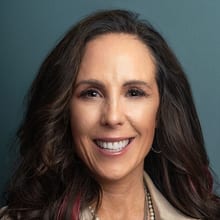
In this episode of the Bendy Bodies Podcast, Dr. Linda Bluestein chats with functional medicine expert Dr. Jill Carnahan about tackling complex conditions like Mast Cell Activation Syndrome (MCAS), Ehlers-Danlos Syndrome (EDS), and POTS. A Breast Cancer and Crohn's disease survivor, Dr. Carnahan shares her unique approach to identifying root causes of chronic illness using functional medicine principles. They explore the triad of MCAS, EDS, and dysautonomia, and discuss tools like the limbic system, toxin reduction, and gut healing to improve patient outcomes. This episode is packed with practical insights for navigating chronic illness and optimizing your health.
Watch
Guests
Transcript
[00:41] Dr. Linda Bluestein: Welcome back, every bendy body, to the Bendy Bodies Podcast with your host and founder, Dr. Linda Bluestein, the Hypermobility MD. Today we are going to be chatting with functional medicine expert Dr. Jill Carnahan. I have found so many functional medicine principles and practices to be helpful in my own healing journey and in that of my patients and my clients. Addressing root causes and treating the whole person are such core fundamentals that we desperately need in medicine.
[01:08] Dr. Jill Carnahan is dually board certified in family medicine and in integrative holistic medicine. She is the founder and medical director of Flatiron Functional Medicine. As a survivor of breast cancer, Crohn's disease, and toxic mold illness, she brings a unique perspective to treating patients. She specializes in searching for the underlying cause of illness through cutting-edge lab tests and personalized medicine protocols.
[01:33] Dr. Carnahan is also an executive producer, film writer, and featured in an award-winning new documentary about her journey overcoming chronic illness called Dr. Patient, now available streaming online and on Amazon Prime. As a popular inspirational speaker and prolific writer, she also shares her knowledge of hope, health, and healing live on stage and through newsletters, articles, books, and social media.
[01:58] I am so excited to chat with Dr. Carnahan today. She has so much information about mast cell activation syndrome, some of the common factors that will exacerbate these conditions of the triad, and she's going to share with us how functional medicine could be so beneficial for treating these conditions. As always, this information is for educational purposes only and is not a substitute for personalized medical advice. Stick around until the very end so you don't miss any of our special hypermobility hacks. Here we go.
[02:31] All right, I am so excited to chat with Dr. Carnahan today, and you have such an amazing story and we have so much to talk about, so we're going to jump right into it. I know you're a survivor of breast cancer, Crohn's disease, and toxic mold illness, and you've taken those personal experiences and definitely incorporated them into how you approach patient care. Can you start out by telling us how your own medical problems have shaped your approach, and did you experience gaslighting along the way like so many of our patients have?
[03:03] Dr. Jill Carnahan: What a great question, because it's so common, right? And even as physicians, we have that experience. So I grew up on a farm in central Illinois. I was one of 5 children. I was the oldest girl, and really kind of an idyllic life. My mom and dad have been married over 50 years, and we had our organic vegetable garden growing up and just lots of space to play. But unbeknownst to me, I think some of that environment was actually creating toxic load that ended up in my diagnosis that you alluded to when I was in the midst of medical training.
[03:32] So I always knew I wanted to do a healing profession, but then as I was applying to different types of healing programs, I realized that maybe medicine was the best way to really learn our highly reimbursable system in the U.S., at least for now. And so I went to allopathic medical school, and in my third year, just after my surgery rotation— we were talking about breast cancer and breast exams— and I had just turned 25 years old, I did my very first breast exam and I found a lump. And I kind of didn't think much of it because of course you're 25, you're thinking you're invincible and you're not thinking about breast cancer. But at the insistence of my physician, I went ahead and got a biopsy. And it was very shortly after that I got a call from the oncologist that said, you have aggressive breast cancer, which of course changed the trajectory of my life.
[04:14] I'm just 25 years old. And nowadays, sadly, there's a lot more young women being diagnosed. But at that time I was at Loyola University in Chicago and I was literally the youngest one they had ever diagnosed at that medical center. And that was 2001. So that really changed the trajectory in the sense that I had to do aggressive chemotherapy, 3 drugs, 6 cycles, did radiation, multiple surgeries. And then about 9 months later, I was considered in remission. And when you're faced with that diagnosis— now I'm 20+ years later, healthy and vibrant— but you don't know if you have 6 months to live or what's going on. So I did all of a sudden have to go from training as a physician to becoming the patient and facing the reality of that.
[04:54] And also really deciding in a complex situation where there was no protocol for a 25-year-old with aggressive breast cancer, what I was going to do. Was I going to treat it aggressively with all the traditional therapies? Was I going to do any alternative therapies at the time? And I kind of chose the best of both worlds. I went with real aggressive therapy because it was a life-threatening diagnosis at that time and it really saved my life. But I think some of the sequelae over the last 20 years that I've dealt with were probably a result of some of that toxic therapy on my immune system. And I don't have any regrets. I would've done the same thing, but we always have those choices, right?
[05:30] And I think alluding to your gaslighting question, I think I was made to believe that if I didn't do absolutely everything conventionally, that I would die. And so I really felt pressured to do all of the conventional. The good news is I had always believed in holistic healing and nutrition and lifestyle. So alongside all the conventional therapy I did, I saw a naturopath, I saw a pastor, I had a great group of friends surrounding me. So I had spiritual, mental, emotional support, I had the lifestyle changes. So I felt like part of my recovery was made much easier by the fact that I did have the right nutrients and I did have the right gut support and all of that.
[06:08] Dr. Linda Bluestein: Oh my gosh, what an incredible journey you've been on. I mean, to have that happen at such a young age and just interrupt your medical education and everything. Was there a point at which you wondered, am I going to go back to school? Like you said, you don't know what things are going to look like 20 years later, 10 years later.
[06:25] Dr. Jill Carnahan: You don't. And certainly it was the shock of my life. Now looking back, I'm like, oh, no wonder. As a healer, so often we go through our own journeys or that of close family members or friends, and it really changes our trajectory. Because I think especially in allopathic medicine, we think we should have all the answers. And we realize not only the uncertainty principle, which is so frequently there, meaning that we think things are black and white as a physician or as a patient, and it's never black and white, right? It's shades of gray. So learning that there is no one protocol that's the right thing— I had to really make a decision.
[07:01] And then I think the second thing that was important was experiencing life on the other side as a patient and understanding not only the complexities, but you asked about gaslighting. I have one specific experience because after I finished all my treatment for breast cancer, I was very sick, very malnourished. My gut was pretty much destroyed from chemo and I went right back into training and, about the next 6 months, I was having cyclical fevers, bleeding, diarrhea, abdominal pain. And I just chalked it up to the chemotherapy. But at some point it got bad enough that I passed out in my emergency room rotation and was taken in, and it turned out I had an abscess that was later diagnosed as Crohn's disease. So very shortly after my cancer, chemo, all of that, I had the diagnosis of Crohn's disease.
[07:46] And I'll never forget going to the gastroenterologist. I was so sincere. I was like, what do I do? How can I control this? He said, you're gonna need drugs. You're gonna need immune-modulating drugs. You're probably gonna need part of your colon removed over your lifetime. This is incurable. And let's start with steroids and some heavy-duty drugs and antibiotics. So it was pretty hopeless. But I remember as I left, I said, Doc, I want to do my part. What diet should I be on? What kind of food should I be eating? And he did not even pause. And he said, Jill, diet has nothing to do with this.
[08:14] And I remember— and this is 20+ years ago now, at least gastroenterologists are starting to think that diet does have something to do with it. And I wasn't asking for a cure with diet. I was just asking what I should be eating. But talk about gaslighting. I remember in my mind being like, diet has to have something to do with Crohn's disease. It's a gut disorder, right? I couldn't believe that was true. And then I went on to prove him wrong because diet did start to change the course of my disease.
[08:40] But that was probably the biggest example early on of gaslighting because I was like, am I stupid to think that diet has something to do with this? But I knew in my heart— and this is one of the things I love to teach patients and even your listeners— at the intuitive level, the patient has information that's valuable. And if we as clinicians are listening carefully, they often guide us in the direction of better treatment options. And in your field as well, listening to that patient and really trusting their intuition is such a crucial part of our treatment.
[09:12] Dr. Linda Bluestein: Oh, absolutely. So important. And wow, you really, because of your own personal experiences, had this deep dive into looking for root causes and holistic approaches. And that's just really incredible and probably has made you a better doctor because you've also been through so many different things and understand how everything is connected. I mean, that's one of the things that still drives me crazy— we still have a lot of silos in medicine.
[09:44] Dr. Jill Carnahan: Yes. And people are like, oh, they sent me to this doctor and this doctor and this doctor and no one talks. And in conventional medicine, the rheumatologist sees the joints and then the neurologist sees the brain and then the gastroenterologist sees the gut, and these organs are all together. And especially when it comes to psychiatric symptoms or things, we think the brain is a separate entity. No, it's totally connected to the body, and everything that's happening in the body affects the brain and vice versa— heart and lungs and brain. And so it is fascinating because we do tend to kind of silo this off, and it takes a much more holistic perspective sometimes to get to wellness.
[10:22] Dr. Linda Bluestein: Definitely. And in this population of people— so it's the Bendy Bodies Podcast, so most of the people listening either have personally or care for people who have EDS and HSD, or they might have dysautonomia, maybe specifically POTS, and then they also might have mast cell activation syndrome. Those are kind of the most common things that we see.
[10:44] I want to first say that anyone listening to this is probably already thinking, oh my gosh, I wish this episode was longer. We could talk for hours and hours and hours, but of course we won't do that today. But I want to make sure that you know there are a lot of blog posts that are really fantastic on Dr. Carnahan's website about MCAS and EDS and the relationship between EDS and MCAS. So I definitely want to refer you to those blog posts as well.
[11:12] But I want to start talking about what we call the triad, because I know that a lot of people are going to want to hear your perspective as a functional medicine expert and how you approach the triad, and maybe even more specifically MCAS. Because I did notice in one of your blog posts you did a great job of discussing the Consensus 1 criteria and the Consensus 2 criteria. And I would love to know how you approach the diagnostic workup for that type of patient.
[11:44] Dr. Jill Carnahan: Yes. I get so excited talking about this because I remember several years ago when I really started to understand the world that you and your listeners live in, it was such an aha moment because it put together about a million pieces of data I had seen floating around. And one thing I love to do is solve puzzles. I love the complex chronic patients who have been everywhere and tried everything, because I always feel like I can be hopefully open-minded, especially because of my own experience.
I know that patients always teach me something. If I just listen with an open heart and open mind, there's one part left-brain science— that's all the great information we continue to learn in the studies and the consensus statements— and then there's this piece of right-brain intuition that, if we're just open-hearted and really listen carefully and allow them the freedom to share their story fully, I learn so much from my patients.
[12:35] So this was one of those things where I really put it together. How I view it is we have MCAS at the top. I think that's probably the driver. And we know that mast cells are these primordial cells that are immune system protection. But what happens is they get triggered by things— heat and cold and infection and toxin. And when I really thought about functional and integrative medicine, I feel like most of the complex cases I see are some toxic load or infectious burden combining to create immune dysfunction. So even with mast cells as this immune dysfunction, we go back to root cause, and we can often find toxic load of some sort, like mold or chemicals or whatever, or infectious burden. And we saw this with the pandemic because COVID happens to be a huge trigger for mast cell activation, and that's been a big trigger for a lot of my patients in the triad.
So mast cells are at the top there, and this particularly affects skin, gut, and endothelium. And this is where it connects to the dysautonomia and the POTS, because the endothelium is our regulator of the entire vascular system in the whole body. And if you have EDS, which is the third part of the triad, you have collagen issues already. So some of your endothelium is not as strong. You might have more proneness to micro tears and issues. And when that endothelium gets damaged— which can happen with mold, with COVID, with Lyme and co-infections, and with many other things like viral infections or any other toxic insults— we saw this particularly with COVID because COVID especially affects the endothelium more than other viruses.
[14:05] And then when you get those micro tears in the endothelium, you start to get dysregulation. What should happen is we have compensation by constriction of the peripheral vascular system so that we get the blood flow back to the heart. But our cardiac output is determined by stroke volume plus heart rate. And if we aren't getting that preload back because the endothelium has collapsed and we're having pooling of the blood in the peripheral system, then the only way the heart can compensate is to increase heart rate because it wants to keep the stroke volume. So because of that, we get POTS, which is postural orthostatic tachycardia.
[14:39] Your listeners know this. So when they start to stand up, it's like a water tower— they can't get water up to the top of the water tower and the system's collapsing. The blood pressure's dropping, the heart rate increases to try and compensate, and that's all a natural physiological response. But if our endothelium doesn't know how to regulate with heat or cold or toxin or infection, then we have this collapse and this inability to get blood to the places like the brain where we need it. And then often patients will have brain fog or they'll have exhaustion for quite a bit of time after. I had my worst case of COVID and I absolutely experienced this myself. When I'd have that hit of dysautonomia and POTS, I'd have to lay down immediately because going horizontal would help. I'd lay down for 20 minutes, I'd feel better. And I've measured my blood pressure many times— I was running 80 over 55. I'm sure your patients can relate to that as well.
[15:34] So the mast cells can drive endothelial dysfunction, which can drive the POTS. And histamine, and all those things that mast cells release, can cause collapse of the vascular system as well. And then the Ehlers-Danlos, or the proneness to collagen vascular issues, makes all of this worse too, because our endothelium is made up of collagen. Our cervical spine— how we hold up our neck— cranial cervical instability can happen, and then the whole autonomic system crashes even more. Maybe I'm explaining this fairly simplistically, but when I understood how these things interact together and the fact that most of the patients I treat have some sort of toxin or infectious burden as a trigger, I started to think, oh, no wonder this particular virus really had such an effect on a lot of people.
[16:15] Dr. Linda Bluestein: Yeah. For me, when I first started my practice, I definitely did not appreciate how significant a role the mast cells played. I really did not. I was conventionally trained and had not really heard about MCAS. And I'm an anesthesiologist, so I knew about anaphylaxis, of course, but I didn't really understand these patients who came in and said they were allergic to basically life. And having had lifelong terrible allergies myself, I even didn't really grasp it until seeing more patients and then realizing that treating the mast cell really does seem to help.
[16:50] So when you have people who have so many different things going on, and like you said, toxins and mold and GI dysfunction and infections and implants and all of these other things, how do you kind of tease that apart? Because sometimes there are probably multiple drivers of that mast cell dysfunction.
[17:11] Dr. Jill Carnahan: Such a great question. And remind me, if we have a moment, I want to tell you about the farm and how I look back and think maybe my Crohn's, my breast cancer, and some of my symptoms as a child were all at the core possibly mast cell driven. With this lens, I see my story a little differently. And I think mast cell played a primary role in my own illness.
[17:33] But for the moment, how do we tease apart the different things? I do have a layered approach. I feel like the mast cells are right at the top. And even if you don't know the cause, you're not going to get very far with treatment. You and I know this so well because patients can say, I can hardly drink water— they have a reaction to the most simple substances.
[17:51] So the very first thing is the limbic system has to be somewhat addressed. I'm not a limbic system expert, I'm not a therapist, but I know a lot of great people and programs out there. I always like to get the patient thinking about how does my limbic system and my own personal sense of safety inside my body affect my mast cells? Because what I've realized is if we don't go to that level and start doing the work around feeling safe in our bodies, no amount of treatment or treating infections will shift that. So I always get them involved in Gupta or DNRS or Primal Trust or any number of great programs, or a therapist or somatic therapy, or reading Gabor Maté or Peter Levine, or any of these things where you're starting to think about how safe do I feel and do I have unaddressed trauma. That's really level one, in conjunction with the mast cell work.
[18:41] And then I start to layer according to the Consensus 2 criteria. I love that criteria and paper because it gives us the ability to clinically make a diagnosis and do interventions. I do the tryptase and the histamine and the prostaglandins as far as diagnostics go, but I never rely 100% on those because you can miss it and patients can still be ill. So if they have the clinical criteria with more than 2 systems involved and they respond to treatment, I layer in the different H1, H2, mast stabilizers, and the natural ingredients and try to start to stabilize that system enough so that we can start to look deeper.
[19:19] And then I'm looking for infections. Lyme and co-infections are really common, as are viruses, Long COVID, and trying to tease out which layer of those infections is significant for this patient. Some of them have more of a viral layer, some of them have more of a tick-borne or vector-borne illness like Bartonella, Babesia, Ehrlichia, or Borrelia. And then other people— a lot of people— have mold exposure. In fact, I think Dr. Theoharides and probably Dr. Afrin have said that mold is the number one trigger to mast cell activation. I don't know if that's still true, but I think it's very high up there.
[19:55] And of course, I do a lot with mold illness, so I'm always checking for that. In those layers, I always think the toxic load comes first before I address infections, because often the toxins like mold— for example, mycophenolic acid, one mycotoxin that mold produces— is a known immunosuppressor and is used to make the drug CellCept, which is used in organ transplant. So if we see mycophenolic acid, we know the immune system is suppressed. Before I go after infections, I want to see if I can get that immune system back online and treat the toxic load. So I usually do limbic system, mast cell activation, toxic load, and then infections last.
[20:31] Dr. Linda Bluestein: Oh, that's great. And I love DNRS and Gupta and Primal Trust and all of those as well. I think it's so, so important. And what I really like about that too is— when I was asking people for questions to ask you today, a lot of people had some really great questions, and a lot of those questions had to do with how can I take this functional approach but make it more cost-effective, because they don't have the resources for—
[20:59] Dr. Jill Carnahan: Resources, right?
[21:00] Dr. Linda Bluestein: Yeah. So I think that something like the Gupta program and those things are, from a cost-benefit standpoint, really, really beneficial. Mold is a tricky one because, depending on where you live, remediating the mold is expensive. Do you have any hacks or anything that people can do if they suspect they might have been exposed to mold but can't really afford the first-class approach and might need to do more of the economy class?
[21:36] Dr. Jill Carnahan: Yeah. And I love talking about that because I think this should be reachable by everyone out there, no matter what resource level, and you can do something to help, right? So let's talk a bit about mold.
[21:46] First of all, even if you don't have time or ability or money to do expensive testing, if you just take a great history— which you can do without a doctor— you write a timeline. When did you last feel well, and when did you not feel well? And in between there, what happened? Did you move? Was there a water leak? Was there a flood? Was there a massive emotional trauma, a loss of a parent or a loved one? So you can make a timeline and look at what things have changed in your life since you last felt really good, and then start to put together yourself what might have changed, especially if you moved, there was a change of environment, there was a flood, there was a leak in your house.
[22:23] Most mold comes from intrusion of water into a building. If your windows are leaky, if your attic isn't properly sealed and there's condensation, if there's a fridge line or a washer-dryer leak or a dishwasher leak that can go under the flooring into porous materials, a bathroom tile that isn't properly installed, no vapor barrier, a tub that's leaking over the side onto the floor— anywhere, any sort of water intrusion onto porous materials can cause mold, as minor as it might seem. And most people know historically about their house and any water intrusion. So people can kind of put together that history and thinking about any water damage can often get you to the source of the problem.
[23:06] What I do for cost-effectiveness is, if someone suspects that, first of all, symptoms consistent with that are helpful. So history is first. I do visual contrast testing online or in person. We have it in our office, and that is basically testing the visual acuity of light and dark of your eye. It has been associated since the 1940s— it was used with the armed forces to detect biotoxin exposure, which includes other chemicals, not just mold. And if you fail that, that's just one more piece of information. It's a cheap, easy, or free way to say, could this possibly be mold? It's called visual contrast testing, VCS for short. You can do it online for free or at some sites for $10 or $15. So those are cost-effective ways.
[23:48] And then if we suspect exposure, we might do a urine mycotoxin test, which does not necessarily mean you've been exposed to mold. You could have a positive urine mycotoxin test and have eaten moldy foods or peanuts or something. So it isn't in and of itself a diagnostic test, but it can be helpful. Then what I usually do for the environment is have them do a dust sample that does PCR— qualitative PCR in the dust will give kind of a historical footprint. Most tests are about $300, so fairly affordable, and that gives us a historical snapshot of your home or workplace. I can look at those and see, is there a lot of toxic species? How high are the levels? And then we can go get an inspector to find the source. But that all cost-effectively gives you a way to start pretty easily. Even for my own office and home, usually every couple years I'll do a test just to check in and make sure the environmental quality hasn't changed.
[24:37] And then if you can't remediate— you have a landlord, you have a lease you can't get out of, or a workplace you can't leave— the number one principle is dilution is the solution to pollution. Open windows, get airflow when possible, change your furnace air filter, get a standalone air filter in your bedroom at the very least. With the standalone filters, you want at least HEPA with VOC, so you have both the volatile organic chemicals filtered and the HEPA does the particulate. The VOC filter goes down to micron sizes 1.0 and 2.5, so those really small nanoparticulate will be filtered if you have a good filter like that. And I've seen people in a moldy home who just get an air filter and start to feel better. I wouldn't say that's the only solution— they still usually need to get out or remediate— but sometimes it'll buy them time.
[25:30] Another thing that can buy time if you can't move or you have 6 more months in a lease is doing a dry fog and a very deep clean. That'll take away the dust that's carrying those mold spores and mycotoxins. A lot of times it'll buy you 6 months of feeling better until you could move or get out of that situation. But the caveat is ultimately you really cannot get well, especially with mast cell and associated disorders, if you have a chronic severe mold exposure. It's just almost an impossibility.
[25:57] Dr. Linda Bluestein: Wow. And the dust collection and dry fog— does it matter where you collect the dust from? And how does the dry fog work?
[26:09] Dr. Jill Carnahan: Yeah, so the dust collection— every kit will be slightly different. Some of them will say don't do the floor, do 2 feet and above. Some will say make sure you're doing things like, say, most people's water heater hasn't been cleaned for decades, right? So if you go to that dust, that's going to be a very skewed result of 20 years versus a couple weeks. So usually you clean the house and wait 2 weeks after you clean to collect the dust. I do collect on top of cabinets, places that maybe haven't been cleaned recently, but not something that hasn't been touched for years. And some tests will say don't do kitchen and bathroom, but if that's where you suspect the issue, I say do the kitchen and bathroom.
[26:46] Most of the time you do one test for upstairs and one test for downstairs. If you need cost-effectiveness, you could do one test for the whole house. The only caveat is that you wouldn't know exactly where that load is coming from. So usually I tell people to test the basement separately from the upstairs, and don't include the garage. Basically your living area— get dust from all over the place and it'll tell you how much of a load there is. Then you send that in and they'll check the DNA in that dust for mold species. That's called an ERMI. Now, I don't love the term ERMI because ERMI came from data that was not well validated and it's a way of scoring. But the PCR from the ERMI is still valid— that's just the test that detects DNA of mold in your dust. There's a newer test called EMMA that also does mycotoxins.
[27:30] If you think about it like a fire: if you had a fire in the middle of your living room and you damaged all the carpet and surrounding areas, and then there was smoke damage to your home— that's a great way to think about mold and mycotoxins, because the mold itself is like the fire and the spores are in that center. If you clean and remediate, you cut out all the areas that were burned by the fire, which is the mold. But what happened when that fire was burning is smoke got into your curtains and your books and your other things in your house. So you also need to clean the mycotoxins, which are very tiny particulate that have gotten into your clothing and your furniture and throughout your house. And that's where the dry fog can be very helpful, because it'll bring down all those particles loaded in the air and the dust to surfaces. Then you follow that dry fog with a wipe-down clean— they call it a small-particulate clean— which is really just a very, very thorough cleaning of your walls, your ceiling, and all your surfaces. That alone, even if you still have a source of mold behind your wall, will take down the load so that most people start to feel better pretty quickly.
[28:31] The types of dry fogs include a couple of botanical citrus-based products, clove-based products, and commercial-based products. They all work. I tend to like the botanicals better, but there are many different ways to do that fog.
[28:49] Dr. Linda Bluestein: Is that something that's covered in any of your blog posts, like specifically what botanical products to use? Because we just talked about toxins too, and you want to make sure you're using the right products.
[28:59] Dr. Jill Carnahan: Yeah. And there's a citrus-based one. Some of our mast cell patients react to citrus, right? Because it's citrus oil-based. So then the clove is better, or the commercial. I have a free mold guide— I'll be sure to send you a link to that for show notes. It has all that in it.
[29:13] Dr. Linda Bluestein: Perfect, perfect. We will definitely have that in the show notes. We are going to take a quick break, and when we come back, we are going to talk about mast cell activation syndrome a little bit more and the effects on the brain, especially when it comes to psychiatric conditions. We'll be right back.
[30:24] Dr. Linda Bluestein: All right, we're back with Dr. Carnahan, getting such great information. And I think one of the things that is so important, especially nowadays when there's such a high prevalence of things like mood disorders, anxiety, and depression. And of course, we have so many stressors right now in life. And it seems like we're seeing more bipolar illness, we're seeing more autism, ADHD, things like that. I did see in one of your blog posts a great series of comments about mast cells and their role in the brain and how they're involved in psychiatric conditions. Can you comment on that?
[31:04] Dr. Jill Carnahan: Yes. And this was another one where I was like, oh my goodness, this makes so much sense. So years ago, I remember reading a study, and this was mind-blowing to me— it was a study showing an association between histamine levels and IQ. I was like, what? But of course, we know histamine makes us more alert and more focused in some ways. So why not?
[31:31] But what we also know is that some of the things that mast cells produce have a psychiatric effect on the brain through neurotransmitters and neurochemicals. And it makes sense. Pretty much anyone who takes Benadryl or one of the early classes of H1 blockers will have a kind of brain fog. I know it just makes me feel really sluggish— I can't think at all. And we know now that even acetylcholine inhibitors or H1 blockers can be related, with long-term use, to dementia. There's a risk advisory for elderly patients not to take high doses long-term. And again, these are histamine blockers. So histamine alone has a massive effect on the brain. On the positive side, it helps with alertness. A little bit goes a long way, but then too much can cause anxiety. Insomnia is a piece of that puzzle. And even some psychiatric disorders like mania or even schizophrenia have been associated with high histamine levels.
[32:36] And now I sometimes wonder— I recently went as far as to say, I wonder if most psychiatric disorders, if not all, are actually organic-based, meaning there are chemicals and things driving them, not just like I was born depressive or I'm prone to depression. Actually, it might be an infection or a toxin or a mast cell activation that's creating some of these issues. The histamine connection was particularly fascinating, because there's a very good correlation with just the ability of the brain to focus. But again, it's a fine line— Goldilocks— not too little and not too much.
[33:09] Dr. Linda Bluestein: Yeah, that's so interesting. And so basically treating the mast cell activation syndrome should potentially have effects everywhere in the body, including in the brain. So you would take the same approach.
[33:22] Dr. Jill Carnahan: And you know what's interesting— I'd love your opinion— but in some of the papers I've looked at on mast cell activation, the number one symptom is what patients call brain fog, which is that sluggish cognition, maybe word-finding difficulty. Brain fog is not a medical term, right?
[33:37] Dr. Linda Bluestein: Right, right.
[33:38] Dr. Jill Carnahan: You and I use it a lot, and it's true. Patients just know what you mean and they can describe it that way.
Dr. Linda Bluestein: Right.
[33:41] Dr. Jill Carnahan: And again, anyone listening who's had it knows exactly what we mean. But the truth is that cognitive issues are probably the number one symptom of mast cell activation. So it's very related to the brain.
[33:55] Dr. Linda Bluestein: Yeah, so important. And we've talked about a lot of different approaches and things. I think diet is something that we definitely should have learned a lot more about in medical school. I can't imagine any condition where nutrition isn't important. What kind of things have you found most beneficial in your patients? And in particular, if you're thinking about ones who might be experiencing the triad.
[34:21] Dr. Jill Carnahan: Yeah. And again, when I look back, I put together so many things about my own history. When I was a child, I had severe eczema and severe allergies, which of course are in the atopic, mast cell category. And lately we've looked at how even breast cancer and Crohn's have some association with mast cell activation, along with some of the pain syndromes. So I look back and I think, I wonder if I just had a high proneness to mast cell activation and it was one of the pieces of all of my history of illnesses. And I think some of the atrazine and glyphosate and chemicals on the farm were part of the trajectory that led to my cancer and Crohn's.
So in my own history, but diet-wise— when I first got Crohn's disease, I looked in the literature and was trying to find something, because the doctor told me diet had nothing to do with it. But I was like, that can't be right. And I first found the specific carbohydrate diet from Elaine Gottschall, which has been used with Crohn's and colitis. It really eliminates the feeders for small intestinal bacterial overgrowth— certain disaccharides. It was kind of like the first FODMAP diet ever put out there. And that makes sense because it tends to pull out the foods that would feed the bacterial overgrowth in your small intestine. And that started to work.
But you know what's so interesting, Linda— what worked the best, and I didn't even know it was a diet, but I accidentally started avoiding high histamine foods. I knew bone broth bothered me. I knew that aged meats and cheeses bothered me, smoked salmon bothered me, all vinegars made me so sick. And later I was like, oh, all of these foods are high histamine— even avocado and spinach. And years ago when I was so sick, I couldn't tolerate any of those things, not even a touch of vinegar. And bone broth, this wonderful health food— for many of our patients, those are high histamine foods that they do not tolerate.
[36:12] So for me, I kind of accidentally fell upon a low histamine diet and realized I was doing better. And if I have to look back and say what was the single most helpful dietary intervention for my Crohn's disease, it would absolutely be a low histamine diet. I didn't even know it back then. So I would still say with my patients, between oxalates and salicylates and histamine and all the things they could avoid, histamine tends to still be the biggest driver of success when patients start to feel better in these categories. And even today, I can tolerate a lot more histamine than I used to, but I'm still on a relatively low histamine diet.
[36:52] Dr. Linda Bluestein: Yeah, I think that's the challenge— we see all these different dietary recommendations and then you think, well, what can I eat? It looks like you can't eat anything. So then you start to get really stressed out about that. And some people end up eating very, very few foods, and then they try to figure out, how do I possibly add foods back in? That was one of the questions that was asked. And of course, we know so many people are symptomatic in so many different ways. If they eat a food and they get an anaphylactic or anaphylactoid reaction where their throat's closing up, then they know not to eat that food again. But otherwise, short of that, do you have any tips for knowing what symptoms might be safe enough? And we also know it's hard to correlate things because it's not like they feel great all the time and then eat something and feel bad 24 or 48 hours later.
[37:48] Dr. Jill Carnahan: Okay, so I have a good way to think about this. First of all, we think about how do we break down histamine. We have our genetics and some of those things. There are DAO enzymes and MAO and different enzymes— lots of them— that we can actually look at and say, do you have some issues with production of DAO? And then what you can do is add back some of the things that might be missing— you can either add quercetin or luteolin or any of these things that will help, or you can give DAO enzymes with meals. It's usually either your genetic ability to break down histamine or a gut issue, because some of our microbes, if we have overgrowth of bacteria— and certain bacteria actually create histamine in our gut— so treating SIBO, SIFO, overgrowth of bacteria and fungi in the gut will also lower histamine load. And then giving the products we need to break down histamine, or treating the mast cell activation, are all ways to help.
[38:38] And the other thing is, what happens is if you have high histamine, it will create more intestinal permeability. That dumping of the gut contents into the bloodstream— there's only one cell layer between the gut lumen and the bloodstream. And so if we have a very permeable gut and lots of dysbiosis, we're going to be dumping a lot of food antigens into our blood. So if you go to root cause, yes, you can take out the foods, but then you're stuck with a 4-food diet. And I never like to keep patients there. You have to go back to the root, which is that the histamine probably created a permeable gut, and you have to really shore up that gut so that you're not leaking all the contents into the bloodstream.
[39:16] Because at the core of all this is an overwhelm of the immune system. What we usually look at are IgG4 or IgG antibodies to determine some of these long-term reactions and delayed sensitivities. Those come from some antigen crossing over from the gut into the bloodstream and the immune system seeing that antigen— like corn— and creating an antibody to it. But it's a leaky gut issue. So if I see someone light up like a Christmas tree on a test for IgG food allergies, I know the root issue is leaky gut, and I have to treat that leaky gut and not just take out all the foods, because they're just going to forever react to the next food. Say they're on buffalo and pear and pineapple, and that's the only thing they can eat. Eventually they're going to develop sensitivities to those too if they still have a leaky gut.
[40:01] So I have to go back to the gut, and you can't heal a leaky gut if there's severe dysbiosis, bacterial overgrowth, or pathogens. So you really have to treat the pathogens, treat the overgrowth, then start to heal the gut with things like glutamine, bovine immune globulins, colostrum, or butyrate and butyric acid. All these things will start to shore up the gut. And then make sure you're treating excess histamine with DAO enzymes or histamine blockers or whatever you're doing for the mast cells. And then you start to add back foods as tolerated. Even with my history of Crohn's 20 years ago, which I consider cured— I don't have any symptoms of it anymore— I have a much broader diet than I used to. But I still avoid dairy and gluten and corn and soy and certain things. I don't have any desire for those things, but my limits are so much less limiting than they were 20 years ago. And that's what we want to get patients to.
[40:55] Dr. Linda Bluestein: Yeah, definitely. Because we know you can end up with so many problems if you eliminate too many things. And it's also really hard socially. Do you have any tips for people who want to go out with friends or to a restaurant? Even some of the things you mentioned— it's still hard if you want to go out.
[41:14] Dr. Jill Carnahan: Yes. First of all, the most important thing is trust yourself. What happens is, whether it's alcohol or food or gluten, we get in that situation and someone says, oh, come on, sweetheart, you can have a glass of wine, or oh, come on, have a piece of bread— because they don't want to feel guilty for consuming it themselves. And again, who cares what they do? But the first thing is being confident that you know what's best for your body. It's the self-compassion you're giving yourself in that situation, because that peer pressure can be really difficult. I treat a lot of teenagers and college kids, and it's really hard for them. So I like to empower them to say, you know what you need, and don't be afraid of someone telling you otherwise— whatever issue they have, it's not your issue. So that's first: be confident.
[41:55] Second thing is, talk to the waiter, talk to the chef. I all the time say, hey, can you do this dish with this, without this, and add this? I create my own menu because I know there's salmon on the menu and there's broccoli on the menu, and I want to put those two together without certain oils— I want olive oil. I'll basically just tell them what I want. As long as you're in a restaurant, you can often just ask, can you use this oil and not that, and add this? And I'll often have really, really good meals. Most places nowadays are pretty accommodating.
[42:22] The other thing is travel. I never count on airports or airplanes for good food. Every time I fly— which is a lot— I pack a cooler with chicken and salad and nuts and seeds and all the things I know I can eat. I've gone to Australia before on a 16-hour flight and packed 3 meals for the plane. And if you don't know this— if you're going through an airline where you have an extra bag, it's a cooler, and you say it's for medical necessity for food allergies— I always get through with that extra cooler bag. And if you really have food allergies, you can even have a doctor write a note. I usually just state it verbally, but I always bring food for travel because we know in airports, that's the most likely place to get contamination, and airline food is even worse.
[43:13] Dr. Linda Bluestein: Oh my gosh, yeah, airline food is so terrible. And that's such a great tip, especially since most of us already have a fair number of bags. That's a fantastic tip.
[43:25] And when it comes to looking at toxins— because we talked about that quite a bit— one of the things I was thinking about was in one of your blogs, you talked about increased exercise and sweating. And I have a theory about people with EDS and POTS, that they have an extra challenge with this because they struggle to put enough load through their tissues that they can actually sweat. And then people with MCAS and POTS, of course, also struggle with heat and with being upright. Do you have any tips for people? And I know you can use sauna as well, but of course if you have POTS or MCAS, you might have difficulty with sauna. I look at my husband, who is really healthy, and he'll come home from a bike ride just drenched in sweat— it's like, this is so great, he got rid of all these toxins. But for me, having EDS and all these other challenges, I haven't really been able to sweat like that for a long time. Do you have any suggestions? Because it seems like that's an important aspect.
[44:22] Dr. Jill Carnahan: I love that, and I think it's so true. And I struggled with the same thing. The thing that I found has helped me the most is taking way more salt than I ever thought I needed. What I find is, even on a run or doing anything active— and now I'm doing so much better with the POTS— I always used to experience what I almost call narcolepsy, where I'm like, I have to lay down now. And then I look at my blood pressure and it's like 85 over 55 and I think, oh, no wonder my body's saying get horizontal.
And I've found it's not necessarily a stimulant response, though some people find coffee helps— and you know why that is? Norepinephrine is one of the things that causes vasoconstriction peripherally. So if someone has an adrenal disorder where they have extremely low production of mineralocorticoids, which keep the volume in the vascular system, and they're not producing norepinephrine, they're going to have a lot more difficulty with POTS and dysautonomia. Norepinephrine is the key neurotransmitter that helps us. That's where coffee might help some people, because it raises norepinephrine.
[45:21] Adrenal support has been crucial for me and many of my patients. It could be herbal, it could be glandular, even hydrocortisone in appropriate cases. That's so powerful. But what I've found is that just seawater packets or salt can be the absolute game changer. When I feel that narcoleptic low blood pressure POTS state coming on, I get salt water and it almost always perks me up.
[45:41] Dr. Linda Bluestein: And when it comes to herbal products for supporting the adrenals, what would you suggest? Do you have any specific suggestions?
[45:53] Dr. Jill Carnahan: Yeah, so almost every company has an adrenal product that has rhodiola, ginseng, or ashwagandha. Siberian ginseng is really nourishing, or any combination of those. Some of them have tyrosine, which is a precursor for thyroid and adrenal function, or they might have pantethine or B12 or some of those as well.
The biggest game changers for the severe patients, I think, are the adrenal glandulars— and they're just called adrenal glandular. Brands like Thorne and Pure Encapsulations all have a simple adrenal glandular. I always think of it as: the herbals are the most gentle and they're adaptogenic, so high or low cortisol might benefit. If you really have low cortisol and low neurotransmitters like norepinephrine and adrenaline, then you might do better on the adrenal glandulars. And then the next step is hydrocortisone, which is prescription. I think of it as bioidentical cortisol for the patients who are really, really sick.
[46:44] Dr. Linda Bluestein: Sure, sure. Okay, that's really great. And in terms of functional medicine— I remember when I first learned about it, I was like, wow, this is all the things I didn't learn in medical school that seemed so useful. Taking this really detailed history, learning all of this— it was so helpful. So can you explain, maybe quickly because I know we're running out of time, how a functional medicine doctor might be beneficial, and how you know if they're a good fit for your specific problems if you do have the triad?
[47:19] Dr. Jill Carnahan: Oh, great question. Because just like you know, there are going to be functional doctors that are great for hormones, great for the gut, who don't even know what the triad is, right? Or they don't know what Lyme disease is, or they've never tested for it, or they don't know about mold. So first thing is, if you really know that one of the triggers is Lyme disease or mold, ILADS is a great organization that treats Lyme— they're really good doctors who've been trained to treat comprehensive tick-borne infections. That's ILADS. ISEAI is an organization that focuses more on environmentally acquired illness. So the mold doctors are going to be there.
And then with functional medicine doctors more broadly— you and I were both trained conventionally, so we were taught to take symptoms and find the most common factor that presents with a diagnosis and get a code that gives a label. And there's nothing wrong with that, because what we do is map what's going on and we describe the symptoms. But that's just the start. In allopathic medicine, we ended there. We said, okay, here's the diagnosis, here's the drug. And again, nothing wrong with that— if you have a heart attack or a stroke or you're in a car accident, you want to go to the best allopathic hospital and get treatment right away.
[48:28] But if you have chronic, complex, mysterious illness or symptoms, you need a medical detective. That's the best way to think about functional medicine: someone who's going to ask why. We know the code, we know the labels— we know we have MCAS, EDS, POTS, all these acronyms. But we want to ask, why is that being driven? Say you have diabetes. You don't just on Tuesday have no diabetes and then on Wednesday become diabetic. There's always a trajectory of wellness and illness. And as a functional doctor, you're going to want to say, where are we at on that trajectory? Are you walking towards illness or away from illness? And how can we get you reversing the processes that led you to this point?
[49:07] In order to do that, you have to ask the question why. You have to dig a lot deeper into the physiology, the nutrient deficiencies, the excessive toxic exposures, and all the many things in our environment and in our food and in our homes and in our genetics that are playing into that. And then you reverse engineer and say, is there any way in this situation where we can start to reverse that process, maybe get to the root cause, and change the trajectory.
[49:32] Dr. Linda Bluestein: I love all of that. That's great. Okay, we end every episode with a hypermobility hack. You've already given us so many fantastic tips, of course, but if you have a hypermobility hack, I would love to end with that. Some kind of quick win for people who are dealing with hypermobility or other aspects of the triad.
[49:55] Dr. Jill Carnahan: I love it. So the big thing obviously is treating MCAS, which we've talked about this whole time. And I want to say that because I think that's the key— if you treat the mast cells, you often become less sensitive to the hypermobility. But a really practical thing— and you guys are the experts even more than me here— I find that some things we think are good, like certain types of stretching or frequent chiropractic adjustments, can be great for another person but for some of us with hypermobility, moving the body too much in certain ways can actually do more harm than good. And it's kind of counterintuitive. So the types of exercise matter, the types of stretching matter, and the types of manipulation and even massage therapy matter. You want to make sure you get someone who understands hypermobility, because some therapists out there can do more harm than good if they don't know what they're doing.
[50:46] Dr. Linda Bluestein: Yeah, no, that makes perfectly good sense. Well, Dr. Carnahan, thank you so much for taking the time to chat with us today on the Bendy Bodies Podcast. I'm so grateful to you. I know you're super, super busy, and I really appreciate you sharing your wealth of knowledge with us.
[51:02] Dr. Jill Carnahan: Thank you for having me, and thanks for all the wonderful work you do for this population. I feel like this is one of the most important areas that we could be focusing on, and it is absolutely an honor to be here with you.
[51:12] Dr. Linda Bluestein: Oh, wonderful. Well, thank you. Wow, that was such a great conversation with Dr. Carnahan. I'm sure that you found that really helpful and took away some really valuable tips. And I want to thank you for listening to this week's episode of the Bendy Bodies with the Hypermobility MD Podcast.
[51:26] You can really help us spread the word about joint hypermobility and related disorders by leaving a review and sharing the podcast. This helps raise awareness about these complex and often missed conditions. If you would like to dig deeper, you could meet with me one-on-one by checking out the available options on the services page of my website at hypermobilitymd.com. You can find me, Dr. Linda Bluestein, on Instagram, Facebook, TikTok, Twitter, and LinkedIn @hypermobilitymd. You can find Human Content, my producing team, @humancontentpods on TikTok and Instagram. You can find full video episodes up every week on YouTube @bendybodiespodcast.
[52:09] To learn about the Bendy Bodies Program disclaimer and ethics policy, submission verification and licensing terms, and HIPAA release terms, or to reach out with any questions, please visit bendybodiespodcast.com. Bendy Bodies Podcast is a Human Content production. Thank you for being a part of our community, and we'll catch you next time on the Bendy Bodies Podcast.