Description
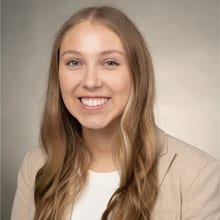
In this deeply meaningful episode of the Bendy Bodies Podcast, Dr. Linda Bluestein reconnects with her very first EDS patient, Lauren Vasko. Lauren shares her remarkable story of resilience, from navigating life in a wheelchair, managing Cranial-Cervical Instability (CCI), and battling POTS, to regaining her independence and teaching art in Kenya. She reflects on her challenges with misdiagnoses, traumatic medical experiences, and the importance of self-advocacy. Lauren reveals the tools, treatments, and mindset shifts that helped her heal, including physical therapy, medications, supplements, and setting boundaries. Her message of hope reminds us that even the hardest journeys can lead to unexpected triumphs.
NOTE: Due to some technical limitations, Lauren's video will showcase lines over her frame, but it should not impact her audio or any of her amazing comments!
Watch
Guests
Transcript
[00:47] Dr. Linda Bluestein: Welcome back, every bendy body, to the Bendy Bodies Podcast with your host and founder, Dr. Linda Bluestein, the Hypermobility MD. Today we are going to be talking with Lauren Vasko. Lauren was actually my very first patient when I first opened my medical practice, Hypermobility MD, back in 2017. Lauren is 25 years old and became a patient of mine over 7 years ago. She has been diagnosed with EDS, POTS, and multiple comorbidities. She describes me as playing a pivotal role in her healing journey and helping her get to where she is today. She went to Marquette University to get a degree in entrepreneurship and marketing. She worked as a marketing manager for 2 years after college and decided she needed a change. In July 2024, she moved to Nairobi, Kenya to work as an art teacher. I am so excited to share Lauren's story today as I think you will find it really inspiring and empowering. As always, this information is for educational purposes only and is not a substitute for personalized medical advice. Be sure to stick around until the very end so you don't miss any of our special hypermobility hacks. Let's get started.
[02:00] Well, I'm so excited to get the chance to talk with Lauren today. And Lauren, are you all the way in Kenya right now?
[02:07] Lauren Vasko: I am, yes.
[02:09] Dr. Linda Bluestein: Oh my gosh. My geography is so bad, but you probably get the prize for being the farthest away guest.
[02:17] Lauren Vasko: Yay.
[02:18] Dr. Linda Bluestein: I'm so excited. So can you start out by telling people how you and I first met?
[02:24] Lauren Vasko: Yes, absolutely. I think it just started with my mom researching on Facebook for different doctors we could visit. I was having a lot of health issues and she stumbled upon your name. People were saying, you know, I booked an appointment with her, I'm hoping to see her, has anybody seen her yet? And nobody had yet. And so we got an appointment, scheduled it, and had an appointment with you that turned out to be your first appointment ever. We learned that years later, but that was kind of the process of how we found you and came across you.
[03:00] Dr. Linda Bluestein: Yeah, you probably— I didn't want to tell you at the time, but I know I did tell you not long after, by the way, you were my first patient for my clinic for EDS. I had been doing anesthesia for many, many years, but that was very different. And yeah, so of course you hold a very, very special place in my heart. I actually started to tear up as soon as I started to talk to you. So yeah, you will always be very special to me because of that. Okay, I'm gonna grab a tissue. I knew that would happen, but I didn't think that would happen quite so fast. So what can you tell us? What do you feel comfortable sharing about your illness? And basically, why was your mom even looking for somebody like me in the first place?
[03:46] Lauren Vasko: Yeah, so at age 16, I remember doing the pacer test and I remember just being so far behind everybody. And it used to be something that I was pretty good at and I thought, what is happening? Why am I the slowest girl in my gym class? And it just didn't really make sense to me. And I remember turning to my friend and I said, are you out of breath too? And she was like, no, I'm just not that fast, 'cause we were the slowest ones. And I was like, something doesn't make sense here. Like, I don't understand why I'm so slow with running and why I feel so exhausted and out of breath.
[04:16] And we started looking into it. I noticed I was just so lightheaded and dizzy throughout my day, especially when I was standing up. And so we decided to book an appointment with — I think it was a neurologist. I don't even remember who we ended up seeing. Or maybe a cardiologist — that might make more sense. But he diagnosed me with POTS and I didn't actually have the tilt table test at that point. He just said based on my symptoms, he did the poor man's tilt table test of just standing up and recording your heart rate. And he said based on that I surpassed what you needed to qualify for having POTS. So he said, I can definitely tell you have POTS. And then he did — I forget what it's called — the hypermobility test.
[05:11] Dr. Linda Bluestein: Oh, uh-huh.
[05:11] Lauren Vasko: Is it the Beighton score? Yes. So he did that test, passed that one easily as well. And so he said, okay, I think you also have EDS. He explained the correlation that typically occurs and said that, you know, we can't know for sure because you need genetic testing, but based on you having POTS and the Beighton score test, we would diagnose you with EDS. So that's kind of where we left off before I saw you.
[05:35] And then I just had so many other symptoms and problems in that time period. We were just trying to figure out what the heck was going on and how to treat this. It seemed like the doctor I had gone to kind of just left me with compression socks, salt tablets, eating lots of salt, drinking lots of water — those were his best advice. And that just wasn't enough. I was later put on medications and everything, but there was still just this big EDS part that we hadn't figured out at all — what that even meant for me and how it affected other parts of my body. Nobody had really told us what that looked like. So we were just walking in the dark with everything. I was very sick and had GI issues and lots of pain, still having POTS issues. Fatigue was really bad. School — I wasn't able to go to school all the time. It wasn't super severe, but I was definitely missing class to go home and rest and just get back on my feet. So that was kind of the process of where I was at before meeting you.
[06:51] Dr. Linda Bluestein: So a lot of people will be able to relate to the missing lots of school part, and of course that is very concerning. How much school were you missing, and were there any things that happened at school that were particularly challenging? Because I know for young people that can be really problematic.
[07:06] Lauren Vasko: I would say there were definitely weeks where I would have to go home every day. I feel like I would go in for a few hours and then crash, and I wouldn't be able to be there anymore. So that was a pattern, and it seemed like everybody in my life was trying to break that pattern — like, no, you have to be there. All the teachers at school and all of the administration were like, you can't be doing this. And I was like, I'm not trying to do this. I would love to be at school, learning, being with my friends, doing what a normal high schooler is doing, but I just wasn't able to. So it was really frustrating. And my mom understood my situation and was advocating for me and trying to explain to the school, no, she really can't go in right now. And everybody just got really frustrated, like, can't you just go to the doctor and find out in one appointment what's wrong with you and what you need to do to treat it? And we were like, no, that's just not the case.
[08:02] And then my junior year of school is when things took a turn for the worse, I would say. I was in my psychology class and my legs went completely numb. By the end of the class, everybody was getting up and I knew I couldn't walk. I tapped people next to me and I was like, hi, I need help. I can't walk. And they were like, what are you talking about? And I was like, my legs are numb. I don't know what's happening. And so they got my teacher — and luckily, a psychology teacher kind of knows what's happening with your body and is able to relate in some ways. She was asking lots of questions and was like, okay, I don't think you're paralyzed. So she walked me down to the office, basically carrying half my weight, and got me to my mom. We didn't know what was happening. My mom took me home and then I think we ended up going to urgent care that night. We really didn't know how to handle things or what would cause me to just lose the ability to walk. And honestly, I still don't have a super clear answer of what did it. I guess we have theories of different pain conditions kind of causing it — but I don't know. We can't really explain it.
[09:24] Dr. Linda Bluestein: Yeah, I remember you telling me about that, 'cause that had happened before you came to see me. And then at one point you were actually needing to use some additional aids for walking, right?
[09:36] Lauren Vasko: So yeah, I was in a wheelchair for, I think, 3 months, and then walker to crutches for 3 more months — maybe even longer. I think it was 8 months from when I lost the ability to walk to when I could walk completely aid-free. So yeah.
[09:52] Dr. Linda Bluestein: Wow. And I want to remind people that right now you are in Kenya, and although you might be sitting down, you are able to walk. The reason why I'm so happy to talk to you today is, I started this podcast because I was so tired of the narrative of, you know, there's nothing that you can do for EDS. And so I'm just so excited for you to share your story because I feel like it's really empowering for other people to hear a story of resilience like yours and all the hard work that you did in order to get to where you are now.
[10:27] And of course, you mentioned your mom already, who also holds a very special place in my heart. She's so sweet and so incredibly supportive. And of course, I know your dad too. But a lot of people will be able to relate to the school challenges and problems with walking and being in a place in your life that's really challenging and feels like there's no chance of getting out of it. So I'm just so grateful to you for being willing to share your story, because I think a lot of people are really going to be helped by hearing about this.
[11:01] Lauren Vasko: Yeah, thank you.
[11:04] Dr. Linda Bluestein: So all of that had transpired and then you came to see me. Tell us more about the course of your illness. Like after you saw me, I know that the path was not linear, but can you explain to people kind of what happened? Can you explain more about the course of things and how long did it take for you to get better?
[11:32] Lauren Vasko: Yeah, that's a complex question because it wasn't linear for sure. I just remember — well, now we know this — but I found out that you spent 16 hours studying my case and all my history, which is just amazing. And I'm so grateful that I was the first patient to get that kind of care. But yeah, I think during that conversation, you had so many ideas of what we could do. And I was like, which one should we do first? And I thought, ideas? Like, nobody has had ideas for what to do with me and how to treat me. Everybody has just kind of been clueless and said to do simple things like eating better, drinking water, sleeping more — things I was already doing. And so you had ideas, and they weren't opioids, they weren't things that I was very against. They were things that were more natural and were getting at the root cause of what was causing my symptoms. And so it was like, this is a whole new world.
[12:27] I think my mom and my dad may have all cried on the way home, just being like, whoa, that was just such a shock to have so many answers and so many ideas of what we could do next. I remember you suggesting a lot of vitamins and supplements I could go on. I think I went on a few prescriptions. I think I came off a few prescriptions that we thought might actually be hurting my treatment. We looked at lifestyle changes — am I on my screen before I go to bed? Am I eating 3 meals a day? Am I eating junk food? Am I hydrating? Am I having electrolytes? All of those things. But it felt like a much more holistic approach instead of a condescending one, like how some other doctors had approached it. It was like, okay, we're gonna look at every aspect of your health. And that's what we did. I have never received care like that before seeing you, and still haven't received care like that after. So it was great to just have so many options.
[13:35] I remember each appointment we would come in and discuss what worked, what didn't work, what things we could try next. And it was just, okay, keep this, get rid of this, move forward, update me, and we'll make decisions from there. I think we really narrowed down which meds I was on but didn't need to be on, and which meds were really affecting me in a positive direction. And I remember you always said, if it gives you 5% better quality of life, that's worth it. I remember I was just listening to your last podcast for one of your happy hours and you were mentioning that — how a lot of times we go for, okay, I want to feel 100% better or 50% better, and it really doesn't typically work like that. So just shooting for that 5% better is really what we were going for. And I definitely saw improvement that way.
[14:30] Dr. Linda Bluestein: Yeah, I definitely say that a lot. If there are 10 different things that each give you 5% improvement, well, now you have 50% improvement. And I know when I was at my worst and having so much pain, one of the mistakes I made was looking for the one thing that would get me better. And I discovered for myself that it wasn't usually one thing, it was usually a bunch of things.
[14:52] And yes, because you were the first person I ever saw, I combed through every single page of your records — you guys shared outside records and I went through every single page, highlighted everything, took tons of notes, because I wanted to be really prepared and really be able to offer a lot of ideas. And we did have quite a few appointments over those first few years, and then it really spaced out because you were not needing to really talk to me as much. Can you tell us some of the low points and how you got past them?
[15:33] Lauren Vasko: Yeah, I would say it was definitely a challenge, especially in college. And we didn't get to that part yet.
[15:40] Dr. Linda Bluestein: Right.
[15:42] Lauren Vasko: Maybe I should start with high school. Yeah, high school was really challenging as well. I really struggled with a lot of friend issues. I was in a wheelchair during high school and I had friends that would pick me up from class to push me around in my wheelchair. And it was amazing — I was so grateful that they were willing to do that. And I had friends that bullied me and made fun of me and asked me why I was making this up, and didn't understand, didn't care to understand, didn't have any empathy. And in high school, that gets to your core. You can't brush it off. I think even as adults we struggle with that. But especially when you're still learning and growing and finding your own identity, having somebody make fun of you and tell you that they don't believe you need to be in a wheelchair is debilitating in an emotional sense. So that was probably one of the most challenging things for me — lots of nights of just tears and trying to figure out how to move past that.
[16:46] And then also just nights of not sleeping from the pain. In the beginning when that would happen, I would wake up my parents and let them know I was in a 10 out of 10 pain. Can you just sit next to me? And we'd figure out, okay, is this call 911? Is this go to the emergency room? Is this just sit and wait it out? We quickly learned that going to the ER was typically not worth it. We typically didn't get any care — maybe a pain medicine if I was in a lot of pain that would relieve me for a few hours, but that was typically it. And then I'd also get added to my chart as skeptical — like they were skeptical that I was asking for pain meds. So it soon became not worth it.
[17:42] And I remember after months of that happening, it was like, okay, it's no longer worth waking up my parents. I will just do this alone. I'll wake up in the middle of the night, the pain will wake me up, and I'll just push through it on my own. I remember being stuck by the toilet, getting sick and just being in miserable pain. Pain kind of causes that cycle of your whole body going into a fight-or-flight response, and so it became all-encompassing when it would happen. Those were some of the hardest times.
[18:22] And then going into college, things started off pretty rocky. I fractured my hip my first semester. I went to college in Wisconsin and the sidewalks and roads become ice pretty much in October, maybe November if we're lucky. I had crutches and it took 3 months to figure out that I had fractured my hip. That was another struggle of just, why is this happening to me? Like, I just want to fit in and I have to have crutches. And the professors would ask me every day, did you figure it out yet? And no, I didn't figure it out. I don't know why I have pain. I don't know why I'm on crutches. So that was challenging.
[19:06] And my sophomore year I hit a really low point and had to medically withdraw from college. And that was due to what we later learned was CCI. Which — what does that even stand for anymore? I can't think of it right now.
[19:23] Dr. Linda Bluestein: Yeah. Well, that right there, I feel like, perfectly synthesizes your situation. You know the phrase CCI, but you no longer know what that means. That's beautiful. That's amazing. You're young and you shouldn't have to know what that means, right? It's cranial cervical instability. And yes, you had that diagnosis, and that means that your neck is unstable and causes a lot of problems. So trying to go to college with an unstable neck and a broken hip and all of the other things — yeah, so hard.
[19:58] Lauren Vasko: Yes. And that is out of sight, out of mind now with CCI because I don't really deal with it anymore. But that took me out of college, and we think it was a case of SIBO as well. Those two things really gave me a challenge, so I had to withdraw from school. I think I was out for a year. So yeah, that was really hard to be away from this new community I found. And it was very testing.
[20:35] It was also good timing — I had just decided to become a Christian. And so I had this newfound faith. And so right as I was being told I have these new illnesses and that I'm no longer able to go to school — because I was on so many opioids to get through the pain and I wasn't able to eat much anymore, it was getting very challenging — I had to withdraw from school. And I remember coming home and thinking, okay, this is a true test of my faith. This is the biggest trial I've had. And I'm going to dig in. I have 8 more hours a day to read my Bible or pray or watch YouTube videos, listen to podcasts. I just kind of took it and ran with it and learned as much as I could about my faith because I knew it strengthened me and would make my healing journey more meaningful to me. So yeah.
[21:38] Dr. Linda Bluestein: Oh my gosh, that's amazing. And it is so important taking that whole approach where you're not just relying on medications, you're not just relying on physical therapy, but you're doing all of these different things. And I think that's why you were able to overcome so many obstacles. You're obviously an incredibly intelligent and resilient person. You also had incredible support from your family and you just kept going. You persisted. I mean, you just kept trying to figure out, well, what do we do now? What do we do next? And you didn't give up. I think that's the most important thing.
[22:13] And I do want to ask, because I know some people are thinking, oh my God, did she have CCI surgery?
[22:22] Lauren Vasko: No, I did not.
Dr. Linda Bluestein: Yeah.
[22:22] Lauren Vasko: I mean, I think once I got that diagnosis it was like, okay, we'll just push it off as far as we can. And I think there was speculation of Chiari malformation too, which is also another diagnosis that often comes with surgery. So I really expected that I would have to have the surgery in less than 5 years after being diagnosed — that was kind of my expectation. Not expectation, but based on the research I had done, it was like, yeah, that's probably bound to happen. But I think with what you said — the physical therapy, medications, just so many different things — they played a role in the healing that happened in my neck. And I'm very, very grateful that I never had to have surgery and hoping I never will.
[22:24] Dr. Linda Bluestein: Yeah, me too. Because those kinds of surgeries, while they are sometimes absolutely necessary, the consequences can be really significant. So it is huge whenever we can avoid surgery. And yes, I recall a neurosurgeon recommending surgery at one point — hopefully it's okay that I share this. I'm trying to make sure that you share more of your health history so that I'm not revealing something you don't want me to reveal. And of course, if I do, please let me know and we'll cut that part out. But it was recommended that you have surgery at one point, I believe.
[23:52] Lauren Vasko: Yeah, I think it was. It was like, try to push it off and then see.
[23:58] Dr. Linda Bluestein: Or at least, yeah, we think this is probably going to need to happen, but let's try doing physical therapy for a little bit longer first. So yeah. Amazing. What do you think are the most critical things for your success?
[24:06] Lauren Vasko: Yeah, I thought about this before coming on the podcast and there are so many things. This is probably the biggest one, and it's probably maybe the most surprising: I think just getting out of the victim mentality. Once you're in it, it's like climbing out of a hole. It's just so hard to get out of this mentality of, I'm just stuck with this illness and I will only get worse from here and I'm gonna have to have surgery, so might as well get it now. Kind of escalating the situation. And so I really appreciate your approach of doing the most conservative option first. If we have to go up the ladder to more invasive procedures, medications, whatever it may be, we will. But we're gonna start with the most simple, basic changes that don't cause more side effects, and that involves more holistic approaches.
[25:17] But I think there was a corner turned at some point where I was like, I'm not stuck in this. I have a way out of this and we're gonna figure it out. And I think you will only achieve what you think is possible. So if you think you're stuck and you're never going to get better, you won't — if you don't think that's possible. When I saw other people supporting me and wanting that for me, I started to believe it for myself. And I think that was one of the biggest things.
[25:48] In a more practical sense, I think there were certain medications I needed at certain times. And I know low-dose naltrexone was one that worked really well for me. It helped with pain and headaches. Does it help with fatigue? I feel like it helped me with fatigue.
[26:06] Dr. Linda Bluestein: Yes, it certainly can. Yeah.
[26:06] Lauren Vasko: Okay. And I was on that for at least 5 years is my guess. And I remember a day I came to your office and I was like, I don't really want to be on this one anymore. It's kind of a pain for me to take. I have a thing where I can't really swallow pills that easily — I think it's more of a mental block than anything, but I would have to pour the liquid medicine, and that was hard for traveling and stuff. So I was like, I'm kind of done with this one. Can I try getting off of it? And I tried and I didn't notice much of a difference, but at one point it was something that really saved me. And so that's something to consider in your healing journey — there's a time and a place for different meds and different treatments. And sometimes it's good to test if you can come off things too, if your body just needed that support and once it got the strength, you're able to move on. So that was one that definitely helped.
[27:09] I remember we added a bunch of vitamins — we learned that I had the MTHFR mutation and so I went on folate. I started taking vitamin D, vitamin C, a multivitamin. I think we started those around the same time and I noticed a difference with adding all of those. That might be something a lot of people have already done, but if you haven't, that might be something to try.
I also went gluten-free. I think that helped a lot with my stomach pain. I wasn't diagnosed with celiac disease — we learned that I definitely didn't have it — but it seemed like I was having more symptoms after having gluten. And so cutting that out definitely helped my stomach pain.
[27:58] I'm trying to think what else. If you know of anything you remember, feel free to share it.
[28:04] Dr. Linda Bluestein: I'm so glad you talked about specific things at specific times because I'm remembering a specific thing that happened. We're going to take a quick break, and when we come back, I want to talk about something that you would never think would be related to EDS, but that happened to you. We'll be right back.
[30:05] Okay, we're back with Lauren, and I want to hear about the most unusual thing that you thought probably would not be connected to EDS, but turned out actually to have a connection. Was there something along the way that was like, oh, you mean that could actually impact how my symptoms are? Do you know what I'm thinking of?
[30:29] Lauren Vasko: I do. So my sophomore year — sophomore year was not a good year medically already. But I decided, a few days before school started, to see a podiatrist because I had ingrown toenails. I was like, he'll just look at them, we'll do the surgery another day. I go in there and he's like, let's just do it today. You're starting school in 3 days, it takes like 2 days to heal — perfect timing. Otherwise you're gonna have to wear flip-flops for a little bit and it'll just be easier. So we did the procedure right then and there. All went well, no issues. And then they said the numbing would wear off within a few hours, and it had been 3 days and the numbing still hadn't worn off.
[31:22] So we decided to call the office and say, hey, is this normal? They were very concerned. I came back in and the numbness was extending past my toes into the upper part of my foot as well. I was tripping because I couldn't feel where my feet were walking. So it was quite severe numbness. And they were just kind of like, this is unusual. We've never had this happen before. And I remember going into the procedure, my mom was like, we need to tell them you have EDS. And I was like, it's just an ingrown toenail procedure, mom. Like, it'll go fine. Let's not make a big deal out of something that probably won't have an impact. And then at the second appointment, my mom definitely spoke up that I have EDS and this could be causing issues.
[32:18] Yeah, and then I had an infection as well. No antibiotics were working. The infection was continuing to spread. I won't get too graphic, but it just wasn't pretty. I think in 2 months I went through 8 antibiotics that none of them worked. And we just cycled through each one — 3 days later, did it work? Nope. Okay, next one. Nobody explained to me the consequences this can have on your GI system — until my mom and I started doing research and we were like, nobody told me to take a probiotic. Nobody told me that this is like the worst idea ever to go on 8 antibiotics that close together. And so I was really frustrated because it's like, you should be thinking of my whole health, not just this little toe infection. And then it's like, okay, so who do we go to now with all the consequences of another doctor's work? And yeah, like we mentioned earlier, this caused the SIBO that I had, or we think I had. And that was one of the reasons that literally took me out of school — from an ingrown toenail infection all the way to SIBO. So yeah.
[33:47] Dr. Linda Bluestein: Yeah, I remember talking to you and realizing — this was back when you were a sophomore in college — that you had had all those courses of antibiotics and no probiotics and GI symptoms. It was like, wait, this is probably related. Let's do something about this. And that's where it really hits home: anything that happens in a person's body can have so many ramifications that people so often don't think about. And how can you, if you have a 5-minute or a 10-minute appointment? Like, you're not even going to mention that you had toenail surgery, right?
[34:24] Lauren Vasko: Right, yeah.
[34:25] Dr. Linda Bluestein: So that's where I'm so grateful to you and to your mom for being so good about following up with me and sharing what was transpiring between appointments, because really you're trying to do detective work. You're trying to figure out what are some of the various different pieces of the puzzle. And like you said, needs definitely change over time. So for a while you might need one certain thing, but it's not like you need that forever. I also think it's really important how you knew that just because I have to do this now doesn't mean I have to do it forever.
[35:09] Lauren Vasko: Right. Yeah.
[35:09] Dr. Linda Bluestein: Do you have thoughts about what some of the other big things were that helped you on your healing journey? And then I want to ask you what you wish you had done differently. You can start with whichever one you want, because I know we already talked a little bit about what you think were the critical things for your success.
[35:30] Lauren Vasko: Okay. I forgot to mention how big of a role physical therapy played in my healing journey. And not just any physical therapy — are you aware of the specific therapy that I got at PT Plus?
[35:48] Dr. Linda Bluestein: Yeah, I remember, and I talked to Mark. He actually came up when I gave a talk in Milwaukee — he came up to me and said, I'm Lauren's physical therapist, because he knew that I was taking care of you. He did have a specific approach that he used, but I honestly don't remember the name of it. If I can figure it out, I'll put it in the show notes. But I think the big thing — and obviously I want your perspective on this too — is that it's so important that physical therapists treat the person in front of them and meet them where they are. They treat them as the individual that they are and don't have just a cookbook approach of, oh, I always do ABC and then 123. What do you think was most important in your physical therapy journey, for people who can't go to see Mark at PT Plus?
[36:47] Lauren Vasko: The physical therapy I got was like no other physical therapy I've done. You lay on a table for 95% of the visit. At other places you're up doing exercises, using an exercise ball, using TheraBands, whatever it may be — you're doing the work. But when I would go to PT Plus, you would lay down on the massage table and they would work on the different muscles. And especially with my neck, this was, I think, the biggest thing that helped my CCI — now that I think about it. They would work on my head and my neck. And then we also did dry needling, which is using needles where there's no injection actually happening. They're similar to acupuncture, maybe a little thicker.
[37:39] Dr. Linda Bluestein: Yeah, they are.
[37:40] Lauren Vasko: Okay. And sometimes longer, I think. And they put them in different points that do some magic — I don't know what it all is, but I believe they release the muscles. You could sometimes even hear the clicking of the release happening. It was a little painful at times, but nothing too severe, and it would make a huge difference. And sometimes I would actually ask for it because of, okay, I'm having pain in this area. I know if I get this I'll have 2 weeks pain-free. They were fantastic and they knew how to handle and treat CCI as well.
[38:17] And — oh man, I forget the names of everything because it's like, that was a hard time, and I'm so happy I don't have to deal with these things anymore. But the device that kind of expands your neck.
[38:37] Dr. Linda Bluestein: Oh, the traction.
[38:37] Lauren Vasko: The traction. So they did traction with me in office and then let me know which traction device I should get at home. And it strengthens your neck. So I did that while I was going to PT Plus — I would go once or twice a week, and when it was really severe, definitely twice a week. And that was really, really crucial in helping with my CCI. I kept it up for a while just to help with all of my chronic pain, especially with injuries if those came up. That would be the first thing I would do — book an appointment at PT Plus. So yeah, that was big.
[39:20] Dr. Linda Bluestein: Yeah. And I remember when you were doing traction — I think it was after you graduated from college, because of course you talked about how you had to leave college for a year, but you actually were able to go back and graduate, right?
[39:33] Lauren Vasko: Yep. I graduated 5 years after I started. So not too bad.
[39:37] Dr. Linda Bluestein: Hey, that's amazing since you had to take a medical leave, which people sometimes have to do, but sometimes they are not able to go back. So it's amazing that you were able to go back and finish. And I remember you and your mom talking about when you were doing traction — I think it was after you graduated and you were working full-time and she would come. Didn't she come to your apartment to help you with that? Because you couldn't do it yourself, right? Didn't you need her to help you get into the traction device?
[40:04] Lauren Vasko: Yeah. So the one that's over the door, you need somebody to slowly release the bag. My mom would come. We soon transitioned it to my amazing friends who would come 'cause they're 5 minutes away, which was a humbling experience to have your friends help you with this weird-looking traction device. But we did that, and then I got one that we actually rented from the company. You use it on the floor and you can do it yourself. So I did that once I got that.
[40:30] Dr. Linda Bluestein: And asking for help, I think, is something that's challenging for a lot of people. I don't know if you found that challenging or if you have any tips for people who are like, oh gosh, that sounds like a good idea, but I don't even know who I could ask for help, or I don't like to ask for help.
[40:51] Lauren Vasko: Yeah, I think for me, I was fine asking my parents for help, and that's kind of where the line ended in most cases. I started to get comfortable asking for help in different situations. Like I mentioned, my friends in high school would help wheel me to my classes. My friends in college would help me with the traction device. I think the advice I have is just ask for help if you need it. A lot of times people just want to help and they don't know how. So if you're able to guide them in what that looks like, that works.
[41:31] Dr. Linda Bluestein: Okay, great. So college can be such a difficult time for people with EDS and POTS and/or mast cell activation syndrome — which, by the way, if you have a diagnosis of that and are willing to share any details about managing that in college, that would be so much appreciated. But if you have any tips for people who are listening right now and are like, oh my gosh, I have similar challenges, I'm in college and I don't know what to do — I'm sure people would love to hear any ideas you have.
[42:02] Lauren Vasko: I would say the biggest thing is just communicating with your roommate about everything that you can. I know at one point when I fractured my hip, I was on the top of my bunk bed. I had lofted my bed and I would be hopping up to my bed. And my roommate looked at me one day and she was like, Lauren, just move the mattress to the floor. And I was like, we have a small room, it's gonna be in your space. And she was like, I can deal with it for a little bit. So we didn't move it down for a while, and then it was like, oh, this is going on for quite some time. Eventually we did move it back up 'cause it was becoming a disruption to both of us to have a mattress in the middle of the room. But I think just communicating with your roommate of like, okay, I'm struggling with these things, or can you go pick up my food for me?
[42:59] I lucked out and got a handicapped room. And so I had a shower chair literally built into my shower. And so with POTS, that ended up being perfect for the times when it was really hard. I wasn't using that at home all the time, but if it's there and I'm feeling dizzy, it's not a bad idea to use it. So if that's a possibility for you to get a handicapped room and you are struggling with POTS, it might not be a bad idea.
[43:23] Yeah, I think just sharing with your roommate: these are things you might encounter, and these are things I might ask of you if I really need something. But also not overstepping and requiring somebody to be your caretaker. If that's becoming the case, let's reevaluate what your needs are and how those can be fulfilled in a different way, because you don't want to be dependent on a person you might have just met a few weeks ago. But little things like, when I was injured, hey, can you carry my tray in the dining room when I'm using crutches? Or, I'm not feeling up for it, can you bring food up to me? Things like that were super helpful.
[44:08] Dr. Linda Bluestein: Did you ever run into any problems with people wearing perfume or doing other things that bothered you — things that are otherwise kind of normal — that you had to ask them about? Or mold in your dorm, or anything like that?
[44:23] Lauren Vasko: I don't think I ever struggled with smells with my mast cells. I was lucky in that regard. I don't think there was much that I had to ask people to stop doing or that I was really bothered by that might be normal for other people. I think my mast cell kind of appeared in other ways with itchy skin and redness and stuff like that, but it didn't typically revolve around other people's habits. So that's good.
[44:50] Dr. Linda Bluestein: Yeah, that's good. And in terms of food allergies or food intolerances and eating in the dorm, that wasn't too problematic for you, or did you have to make special requests?
[45:02] Lauren Vasko: I don't think I had to make any special requests. I have an allergy to tree nuts, which is anaphylactic, but it's not airborne, so as long as I don't touch it — that was just, you know, I told my roommate, if you're using a plate and you put nuts on it, maybe keep that as the nut plate or wash it really well. I think I literally just told her if you could make that the plate you use with nuts, that would be great. And she knew that I was allergic to certain fruits and stuff, but it didn't affect me if she was eating a banana in the room or anything like that. I just wouldn't partake. But yeah.
[45:44] Dr. Linda Bluestein: Yeah. I know I asked you to share what you wish you had done differently, and I'm going to ask you that in a minute, but first I want to share some of the things that I thought let you rest your voice for a minute, and then we'll talk about what you wish you'd done differently.
[46:05] The number one thing I had on the list of things I thought you did that were most critical was realistic expectations. And I think you just exemplified that when you were explaining about your roommate. You weren't expecting your roommate to do all these crazy things that would be unrealistic. And you communicated openly, which I think is really huge. And I sensed that from you and from your parents right away — that you all had realistic expectations. You knew I wasn't going to heal you in the first visit, or even the second, third, or fourth. And I really just so much appreciated that I felt like we were a team. I felt like we were all on Team Lauren. And so I think that was really, really huge. When a person does have realistic expectations, they're not constantly getting disappointed.
[47:10] I felt like you also did a really good job of persevering and celebrating your small wins. I remember when you were not in college, you actually started baking, right?
[47:27] Lauren Vasko: Yes, I started a cookie business.
[47:30] Dr. Linda Bluestein: Yeah! At the time I was like, oh my gosh, you're baking and decorating cookies? Because I'm picturing you looking down and decorating them and stuff. And were they all gluten-free?
[47:41] Lauren Vasko: No. I trialed gluten-free cookies one time and I was like, the gluten-free community is really serious and I don't have a gluten-free kitchen. So I did gluten-sensitive cookies at one point — gluten-free but made on equipment that had had gluten at some point. And I said, you know what, this is a lot of work and I don't want to deal with people having issues. So my cookies were typically not gluten-free, and I typically didn't eat them.
[48:10] Dr. Linda Bluestein: Yeah, that's amazing. And so you didn't sit home and feel sorry for yourself while you were not in college. You figured out other things to do that would bring you joy. And in fact, the last time you came and saw me, you actually brought a beautiful painting that you had made. So I think it's so important how you found other things in your life that you could find joy in, even though in the past you had done other things. Because didn't you do sports in high school?
[48:43] Lauren Vasko: I danced, but I didn't do any other sports.
[48:45] Dr. Linda Bluestein: Okay. But so you had danced, and now you were doing art and then baking — things that were maybe a little bit a better match for your body, I think.
[48:55] Lauren Vasko: Right. Yep.
[48:56] Dr. Linda Bluestein: Yeah. So that's good, because I think being willing to try new things and find joy in the things that you are able to do is so important. Because another thing that I think was really, really critical to your success is being open-minded. I would tell you, okay, I think we should try this, and you weren't immediately like, nope, not going to try that. Some people are, you know. So you were very open-minded and willing to try new things, which I think is really huge. And being open to, you know what, maybe I don't need this anymore.
[49:32] Lauren Vasko: We had a lot of trust coming to you, though, even though I was your first patient. You were very friendly and open and very eager to help, so we were like, okay, we trust you. And I didn't know that you had EDS at that point, but I think you mentioned at one of the first few appointments that your son had POTS. And so it was like, oh, you understand this world in a more personal sense as well. And like I said, I didn't know that you were actually experiencing a lot of the same symptoms I was. But yeah, I think we trusted you and we were open to new ideas because we didn't have other ones on the table either.
[50:09] Dr. Linda Bluestein: Yeah. And I'll never forget — I thought you were going to bring this up — when I fell.
Lauren Vasko: Yeah.
[50:14] Dr. Linda Bluestein: When I was coming into the office and I made this spectacular fall — you were talking about slipping on the ice, and you guys were in my office, and there were windows in the lobby. And so you were sitting there, and you got there before I did because you came from Milwaukee, so you probably always made sure you had a buffer. And I parked my car, and I go to get out of my car, and my feet slip right out from underneath me, and I just fall so hard. Oh my gosh, I felt like I'd been in a car accident. And I remember your mom and dad and you saying, are you okay? Are you sure you're okay? And I'm saying, I'm fine, I'm fine. I don't think I was really fine. I actually went to the doctor after that.
[50:57] Lauren Vasko: Yeah, I felt so bad once we learned that. And I think when we came out, we didn't even know — is she the doctor? Is she not the doctor?
[51:02] Dr. Linda Bluestein: I don't think we even knew.
[51:05] Lauren Vasko: We were just like, this woman just fell. But yeah.
[51:10] Dr. Linda Bluestein: Oh, that was so embarrassing.
[51:10] Lauren Vasko: Oh my gosh. We were off to a great start.
[51:15] Dr. Linda Bluestein: Yeah, exactly. And I think that's another thing that you guys did that was really, really smart — some people end up getting a lot of cooks in the kitchen. And while I was taking care of you, you had other doctors: a PCP, obviously you mentioned the podiatrist, probably a gastroenterologist, a few other doctors. But you weren't bouncing around and not sticking to a plan. And I think that's another really important thing that not everybody does.
[51:42] And you had incredibly supportive parents. But the thing that I think you did that was really, really huge was you didn't let them run the show. As things were appropriate and you were getting older, you started answering all the questions and being very involved. Sometimes I find that with young people they don't speak up very much. And I want to hear directly from the patient because nobody else truly knows what the person is feeling except the person. And of course, it helps if people are able to afford one-on-one appointments with someone like me. But that's also why I do the podcast — so people can get this kind of information even if they can't necessarily get individualized advice. And a lot of the medications we try are things that other doctors can prescribe if you can find people who will take the time to work with you.
[52:53] Okay, so now I want to ask you — what do you wish you would have done differently?
[53:01] Lauren Vasko: I mean, found you sooner would have been my top answer, but I know we were pretty quick once you got the office open. Yeah, you were the most crucial step in my journey. You connected me to so many resources and tools. But besides that, I think in the beginning when people told us stuff, we just took it right away — oh, you want me to do this? Sure, we'll do that. And a doctor's telling you to do something, you think this is the best thing I should do. But doctors can be wrong and you might know your body better, and they might not be an expert on these conditions. So there are a lot of factors that play into it. And when the doctor told me this is what you can do for POTS and that's all there is, we later learned there are a lot more options. I'm sure the doctor was still learning more as we were too, and that's totally okay — we're finding out so much more information about POTS each and every year.
[54:12] But I think just digging for answers ourselves was something we did more of later in the process, instead of just taking what everybody would say. I mean, that might be countercultural to medicine, but I think it helps. And just testing for yourself too. Like even if somebody says Tylenol's the best, but ibuprofen works better for you, maybe take ibuprofen — and consider how they affect your liver and kidneys and stuff. But yeah, I think that's what I would say.
[54:45] Dr. Linda Bluestein: Yeah. Doing your own research is really helpful. And I think if you are recommended to do X, Y, Z and you decide that you're going to do X and Y but not Z, I think it's really important when you go back for your next appointment to say, this is why I did not do that last part, or this is why I'm doing some things that you didn't mention. Because then it helps them understand where you're coming from and why you might have deviated a little bit from their plan — that you weren't doing it to be disrespectful, but that you have this other information which there's a very good chance they don't have. And you might teach them something, which is wonderful, because then maybe they'll try that on their next patient with POTS or MCAS or whatever.
[55:35] Lauren Vasko: Yeah. And I think with that too, there were situations we got ourselves into with doctors that were providing a negative experience — and those memories still run through my head. It's more of a traumatic memory. And I think knowing when to step away from those things: okay, we've tried for 3 visits, this is becoming too much. I'm crying every visit, feeling physical and emotional pain — this is a time to step away. And we're told this is the best doctor you can go to in the state, and so you think, well, we have to go. But I think there were times that we could have pulled away sooner than we did. We just didn't know what to do. But now I can see that probably wasn't the best option for me. So yeah.
[56:27] Dr. Linda Bluestein: Yeah, that's such great advice. So for other young people that are listening right now, are there certain things that you think are signs or indicators that maybe this isn't a good fit? So that maybe they would know sooner to make a different choice?
[56:27] Lauren Vasko: Yeah, I think there are just different phrases that a lot of us have been told that are kind of red flags in a provider. Things like suggesting that you're making it up, seeking attention — anything along those lines is typically not a good fit. They typically don't know enough about your condition and are then deflecting by saying you're making it up. And that was not the case in my story, and in so many people with EDS or POTS or any of the comorbidities. So I think just acknowledging when those red flags are happening and being able to tell the difference between a doctor who wants to know your story and cares about your well-being, and one that is just looking for a quick fix and wants to get you out of their office. Yeah, that's huge.
[57:48] Dr. Linda Bluestein: That's wonderful advice. Do you have any other things that you would like young people with EDS or POTS or MCAS to know? As we're getting close to wrapping up, anything else you would like especially young people to know?
[58:05] Lauren Vasko: I would say think about the boundaries you're setting with your diagnosis. I remember there were times when I was almost proud to have diagnoses — I was running a social media account on Instagram sharing about my health journey. And I think it was because it was like we finally had the answer. And in some way I was like, now we can seek treatment. But the lines got blurry sometimes of like, this is something that I identify with. And that is not what our identity should stand in. That's not who I am as a person. It's a part of my story. But I don't think having EDS defines me.
[58:51] And so I think setting boundaries — for my own personal thoughts and mindset, but also with others and with the community. At times I got wrapped into this EDS/POTS community, which is great and supportive and you feel validated, but it can also be harmful to compare treatments and symptoms and get caught in a kind of trap where you're hearing too much medical stuff all the time. And you're like, well, maybe I have that too, and I have this symptom. Some information is good and it definitely helps you, and I loved hearing other people's stories. But I think setting a boundary of too much is going to be harmful and it's going to consume you. Not that the community itself is bad, but the amount of time and energy you're putting into it could have a negative side effect if it starts playing into your own identity and how it's affecting you.
[59:50] Dr. Linda Bluestein: Lauren, you are wise beyond your years. I'm telling you. That is so well said because support groups can be so incredibly helpful when they're solution-focused, but sometimes it becomes the misery Olympics. And it is true that it's important for our identity to be — I tell dancers this all the time — you don't want your entire identity to be just a dancer, because if you can't dance anymore, now what are you? And if EDS is this huge part of your identity, well, they're reorganizing the criteria right now. So if your diagnosis changes — which could happen, it could happen to me, it could happen to any of us — then you have this massive identity crisis because so much of your identity was wrapped up in that. So I think those are beautiful points.
Lauren Vasko: Yeah.
[1:00:45] Dr. Linda Bluestein: I always like to finish up with a hypermobility hack, and I feel like you've already given us so many hacks, but I feel like you probably have one more hack or quick win or idea for something that people can try or do or think differently about.
[1:01:07] Lauren Vasko: Yeah. I kind of already mentioned it, but I think just — you will only achieve what you think is possible. That is the hack. That is what I would say. Because there were times where I put up walls. I remember I was in a wheelchair and my physical therapist was trying to get me out of the wheelchair and I was like, I just can't do it. I don't have the strength, I just lost all confidence and hope that I could actually do it. And he was like, you can do this. And he stood me up and he brought my dad in and my dad watched me walk across the bar — like I was holding the bar, walking across the room. And 5 minutes ago I had said, I literally can't.
[1:01:42] And I remember telling a doctor — or it might have been the physical therapist — that I'm fine spending the rest of my life in a wheelchair. I was like, this is exhausting to keep trying to walk and it's not working and it's slow. So I was like, it's fine, I'll just spend my life in my wheelchair. I had come to that point. And so if somebody had said, okay, then that's it, that's where I would have stayed. But the people around me fought for me and then I believed in myself. And so the support you have is so important. I was blessed to have a really great family and a good community of friends and you, who would believe in me. And it pushed me to believe in myself. And if you believe it's possible, it's going to be possible. You're going to try your hardest to actually make it happen. So that's my hack. That's what I would suggest. It's nothing practical, but I think that's the biggest piece of advice I would give to somebody.
[1:02:37] Dr. Linda Bluestein: I think that's super practical. Believing in ourselves is so important. Every once in a while I'll see a message from someone and they will have gone to the doctor and the doctor didn't validate their pain and therefore they start to question themselves. And I've done this too. I mean, for me — I guess I was in my 40s when my health started to really go downhill. I'd had problems since I was a kid, but I started to have a lot of problems in my 40s because I was doing mountain biking, which is a very bad idea for someone with EDS. And I didn't believe in myself, which was a big part of the problem. So I think that's beautiful advice.
There are probably people listening to this who are saying, oh my gosh, I have this question for Lauren, or why didn't you ask that? If you would be willing to share where people can find you — and I know if you get inundated with messages you probably can't answer them all — I would love to hear just briefly where we can find you and also what you're up to these days, because some people are probably wondering, well, why is she in Kenya?
[1:03:57] Lauren Vasko: Yeah, definitely. I have the Instagram account that I made probably 7 years ago at this point. It's called As for Me and My House. It's from the Bible verse, as for me and my house, we will serve the Lord — so that's where that came from. I no longer post. I decided that was a boundary I needed to set. I poured a lot into the community, so I don't think I've posted in 3 years. I do check it every now and then and see if there are any messages, and I'm totally open to responding. But yeah, that is a boundary that I decided to set by not playing an active part in that space.
[1:04:34] And then yeah, what I'm doing in Kenya — I accepted a job as an art teacher in July. I got 2 weeks' notice and moved here, and it's been great. I was working in marketing previously, so being an art teacher is a totally new career for me, but it's amazing and so fulfilling. And I work at a Christian school, and it's great to work with people that share the same values as me. So yeah.
[1:05:00] Dr. Linda Bluestein: That's amazing. I never would have thought back when I first met you, all those years ago, and especially those first few years, that you would be teaching art in Kenya. And I think that's just so amazing. I'm just so grateful to you for sharing your story. I know it's going to help so many people.
[1:05:20] And you also shared your story on KevinMD. I remember reaching out to you — I don't remember how long ago this was, but I could definitely look it up. I had somebody who just reminded me of you that I was working with, and they didn't believe that they could get better. I reached out to you and said, would you be willing to share a little bit of your story so that I could share it with this other patient, with your permission of course? And you wrote something back so beautiful. I was like, wait, I don't want to just share this with one person. I want to share it with multiple people. So that's when you actually wrote the KevinMD blog post, which we will also link in the show notes, because I think it's so important for people to have hope and believe in what is possible.
[1:06:03] Lauren Vasko: Right. Thank you.
[1:06:04] Dr. Linda Bluestein: Yeah. So thank you so much.
[1:06:06] Lauren Vasko: I'm so grateful for you, and it's been great working with you. Like you said, we're on the same team. So thank you for everything you've done for me.
[1:06:15] Dr. Linda Bluestein: Yes, of course. Well, have a great rest of your night. I guess it's late where you are — it's morning here, but you're literally halfway across the world. And it's always so lovely to see you, Lauren. Thank you so much for coming on the Bendy Bodies Podcast.
[1:06:32] Lauren Vasko: Thanks for having me.
[1:07:29] Dr. Linda Bluestein: That was such a great conversation with Lauren, and I hope you feel as inspired as I do. It is so important for young people to be aware that there is hope and that there are so many things that can be done to improve symptoms of POTS, EDS, and mast cell activation syndrome. Thank you so much for listening to this week's episode of the Bendy Bodies with the Hypermobility MD podcast. You can help us spread the word about joint hypermobility and related disorders by leaving a review and sharing the podcast. If you'd like to meet with me one-on-one, please check out the available options on the services page of my website at hypermobilitymd.com. You can also find me, Dr. Linda Bluestein, on Instagram, Facebook, TikTok, Twitter, or LinkedIn at hypermobilitymd. You can find Human Content, my producing team, on TikTok and LinkedIn at @humancontentpods. You can also find full video episodes up every week on YouTube at Bendy Bodies Podcast. To learn about the Bendy Bodies Program Disclaimer and Ethics Policy, Submission Verification and Licensing Terms, and HIPAA Release Terms, or to reach out with any questions, please visit bendybodiespodcast.com. Bendy Bodies Podcast is a Human Content production. Thank you for being a part of our community, and we'll catch you next time on the Bendy Bodies Podcast.